

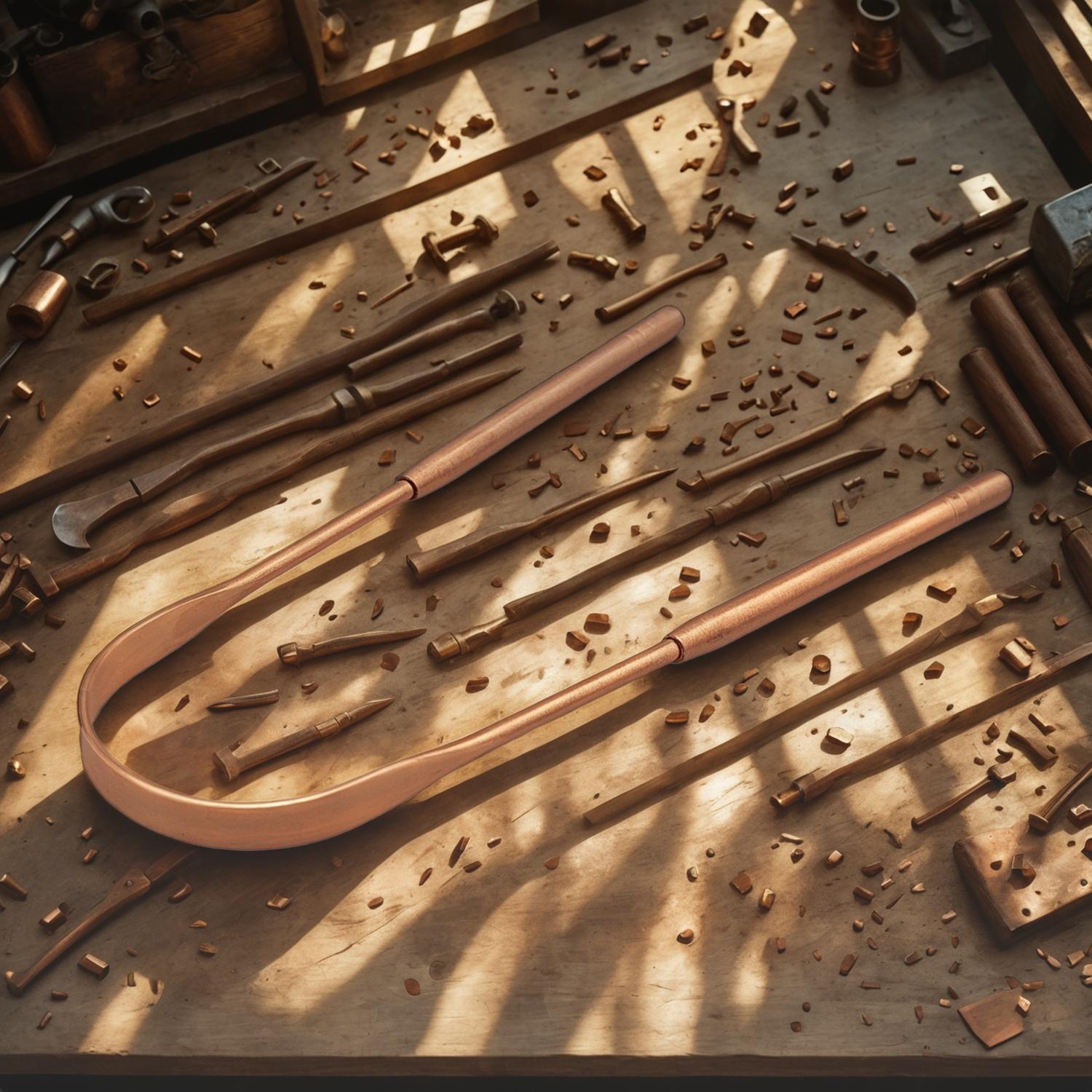
Wholesale Grooming Tools: How to Choose Copper Tongue Cleaners and Personal Care Tools for Your Range
Wholesale grooming tools sit at the intersection of daily hygiene, beauty retail, and giftable self-care. For buyers, the category can look simple at first: compact tools, practical functions, and broad consumer appeal. In reality, successful sourcing depends on details that affect user comfort, perceived quality, packaging presentation, and repeat purchasing. A tongue cleaner, tweezer, facial tool, or manicure accessory may be small, but customers quickly notice weak edges, uncomfortable shapes, poor finishing, or packaging that does not match the retail positioning.
Olimor Beauty works in the personal care tools category with an emphasis on practical design, inspection, and OEM supply needs. This guide focuses on how retailers, distributors, private-label brands, and sourcing teams can evaluate grooming tools wholesale, with special attention to the Copper Tongue Cleaner described on this page. It is designed to help you compare options clearly before building a new oral care, travel hygiene, personal grooming, or wellness-focused assortment.
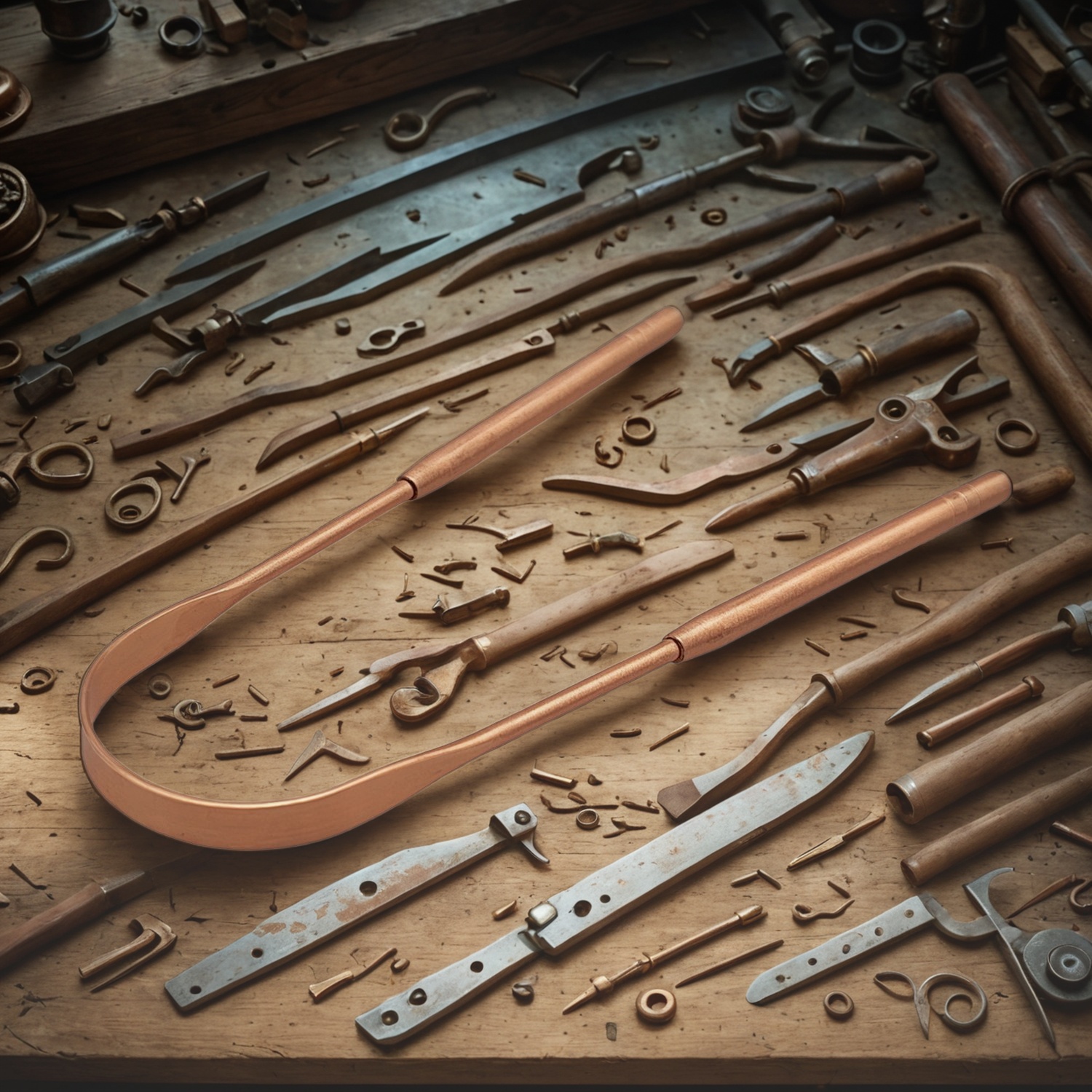
Why Grooming Tools Work Well in Wholesale Assortments
Grooming tools are valuable for wholesale buyers because they are practical, easy to merchandise, and relevant to multiple channels. A copper tongue cleaner may fit into an oral care line, a bathroom accessories display, a natural wellness set, or a travel grooming kit. Stainless steel grooming tools with ergonomic designs can support beauty, nail care, brow care, and men’s grooming assortments. This flexibility makes the category suitable for both focused product launches and broader collection planning.
The strongest products in this category are not selected only because they look attractive. Buyers should consider how the tool will be used every day. Is it comfortable to hold? Does it have a smooth surface that feels safe in use? Is the shape easy to understand without a long instruction manual? Does the product communicate cleanliness and durability at first glance? These questions matter because grooming tools are handled closely and often used in sensitive personal care routines.
For wholesale programs, small grooming tools also have advantages in storage, display, and bundling. They can be sold individually, included in sets, or paired with complementary items from beauty tool products. When the product is well made and easy to explain, it can serve as a reliable add-on item for retail shelves, e-commerce bundles, subscription boxes, and private-label wellness ranges.
What Makes a Copper Tongue Cleaner a Strong Oral Care Product
The Copper Tongue Cleaner is the most specific product highlighted here. It is made from 100% pure copper and is intended to support oral hygiene as part of a daily grooming routine. Copper is also known for its natural antibacterial properties, which is one reason this material is commonly considered for oral care accessories. For shoppers interested in simple, non-electronic hygiene tools, a copper tongue cleaner offers a clear function and a material story that can be communicated without exaggerated claims.
From a buyer’s perspective, the appeal of a copper tongue cleaner comes from three main factors: purpose, feel, and presentation. The purpose should be obvious: the tool is used to clean the tongue as part of oral hygiene. The feel should be smooth and comfortable, with an ergonomic shape that allows controlled use. The presentation should make the product look clean, credible, and suitable for bathroom storage, gifting, or travel.
Because oral care products are personal, finishing quality is especially important. Edges should not feel sharp. The curve should be comfortable enough for daily use. The copper surface should look consistent and intentional, not roughly processed. If the product is sold under a private label or included in a premium self-care line, packaging and instructions should also be clear. Customers should immediately understand what the tool is, how it is used, and how it should be cleaned and stored.
Key Selection Criteria for Wholesale Grooming Tools
When comparing wholesale grooming tools, buyers often focus first on appearance and unit cost. Those are important, but they are only part of the sourcing decision. A grooming tool that looks good in a product photo can still create complaints if the hand feel, finish, packaging, or inspection process is weak. The following checklist can help separate reliable products from risky options.
- Material suitability: Confirm that the chosen material matches the product’s intended use. For the Copper Tongue Cleaner, the stated material is 100% pure copper. Other grooming tools may use stainless steel or other suitable materials depending on function.
- Surface finishing: Look for smooth contact points, consistent polishing, and a clean visual finish. This is especially important for tools used near the mouth, face, brows, nails, or skin.
- Ergonomic design: A tool should be easy to hold and control. Ergonomics are not only about comfort; they also affect whether the customer feels confident using the product correctly.
- Inspection coverage: A practical quality process should cover raw materials, in-process checks, finished goods, and final packaging. Olimor Beauty emphasizes inspections from raw materials to final packaging.
- Retail readiness: Consider whether the product is easy to display, explain, and ship. Packaging should protect the item and support the intended market position.
- OEM suitability: If the tool will be sold under a private label, evaluate options for branding, packaging structure, product instructions, and assortment consistency.
These criteria are useful whether you are selecting a single oral care accessory or building a complete personal care category. They also make communication with an OEM personal care tools supplier more efficient, because your team can define expectations before sampling and order planning begin.
Quality Control Questions Buyers Should Clarify
Quality control in grooming tools should be practical and visible. The buyer does not need vague promises; the buyer needs confidence that the tool will arrive cleanly finished, consistently shaped, and properly packed. Olimor Beauty highlights a process that includes inspections from raw materials through final packaging. For wholesale customers, this type of inspection mindset is important because defects in small tools can be difficult to correct after shipment.
| Quality area | What to evaluate | Why it matters |
|---|---|---|
| Raw material | Material selection and consistency | Supports product durability, appearance, and correct positioning |
| Tool shape | Curve, handle comfort, symmetry, and usability | Affects daily comfort and customer satisfaction |
| Edges and surface | Smoothness, polishing, and absence of rough contact points | Essential for tools used in close personal care routines |
| Packaging | Protection, labeling space, instructions, and retail appearance | Reduces damage risk and improves shelf presentation |
| Final inspection | Finished product review before packing and shipment | Helps maintain consistency across wholesale orders |
For OEM and private-label buyers, quality review should also include packaging samples. A product can meet functional expectations but still underperform if the packaging does not match the sales channel. Minimal packaging may work for value-driven multipacks, while a wellness boutique or gift set may need a more refined presentation. The right decision depends on brand position, price tier, and distribution channel.
How to Position Copper and Stainless Steel Grooming Tools
Not every grooming tool should be marketed in the same way. Copper tongue cleaners and stainless steel grooming tools can both belong in a personal care assortment, but they often speak to different buying motivations. The copper tongue cleaner has a clear oral hygiene function and a material-led story. Stainless steel tools are often associated with precision, durability, and clean appearance. Both can be useful, but each should be placed where the customer immediately understands its role.
For example, a copper tongue cleaner may fit well in a daily oral care kit, a natural wellness collection, a travel hygiene pouch, or a bathroom essentials set. Stainless steel grooming tools with ergonomic designs may suit brow care, facial grooming, nail care, or professional-style personal care displays. The most effective assortments group products by use case rather than by material alone.
Wholesale buyers can also use product education to improve conversion. Short usage guidance, cleaning reminders, and simple benefit explanations help customers adopt tools they may not have purchased before. Avoid overstated promises; focus on the product’s practical role in grooming. Clear, responsible communication builds trust and reduces confusion after purchase.
OEM and Private-Label Planning Considerations
If you are developing a private-label grooming range, start with the target customer and sales channel. A pharmacy buyer may need straightforward oral care positioning. A beauty retailer may prefer a more refined bathroom accessory presentation. An e-commerce brand may need compact packaging, strong product images, and concise usage instructions. These decisions influence product selection before artwork or branding begins.
For OEM personal care tools, buyers should prepare a simple sourcing brief. Include the product type, intended market, packaging direction, preferred finish, branding expectations, and any compliance or documentation requirements relevant to your market. Even when final specifications are not yet fixed, a clear brief helps the supplier recommend realistic options and avoid unnecessary sampling rounds.
It is also useful to compare the copper tongue cleaner with adjacent products in product collections. A single product may be enough for a test launch, but a coordinated range can improve basket size and retail display impact. If your team is evaluating product combinations, you can send an inquiry with your target channel and assortment goals so the discussion begins with practical sourcing needs rather than guesswork.
Care, Storage, and Customer Education
Grooming tools perform better in the market when customers understand how to care for them. For a copper tongue cleaner, users should rinse the tool after use, dry it well, and store it in a clean, dry place. Copper can naturally change in appearance over time, so packaging or product instructions should set realistic expectations for care and storage. Clear instructions help customers see this as part of normal ownership rather than a defect.
Retailers and brands should also consider how instructions are written. The best guidance is simple, direct, and specific to the product. For oral care tools, avoid complicated claims and keep the focus on routine hygiene, comfort, and cleanliness. For other grooming tools, instructions may cover wiping after use, keeping tools dry, storing them safely, and replacing damaged items when needed.
Well-written education can reduce returns and improve reviews. It also helps retail staff and customer service teams answer common questions consistently. If your brand plans to sell across multiple regions, consider whether instruction language, icons, or packaging layout will need adaptation for each market.
Choosing a Wholesale Grooming Tools Supplier
A strong supplier should understand both the tool and the business case behind it. For grooming tools wholesale, buyers should look beyond a catalog image and review how the product is designed, inspected, packaged, and supported for repeat orders. Olimor Beauty positions itself as a beauty tools manufacturer and OEM personal care tools supplier, with attention to ergonomic designs, stainless steel tools, the Copper Tongue Cleaner, and quality checks from raw materials to final packaging.
Before placing a wholesale order, align internally on your product role: is this a hero oral care item, an add-on accessory, a private-label test, or part of a larger personal care set? That decision will guide packaging, merchandising, and sampling priorities. A copper tongue cleaner can be a compact and understandable product, but its commercial success still depends on finishing quality, user comfort, and clear presentation.
For buyers comparing options, the next step is to organize your requirements and review available grooming tools that match your channel. Explore Olimor’s beauty tool products for broader category planning, or contact Olimor to discuss wholesale grooming tools, OEM personal care tools, and copper tongue cleaner sourcing for your market.
Tag: