

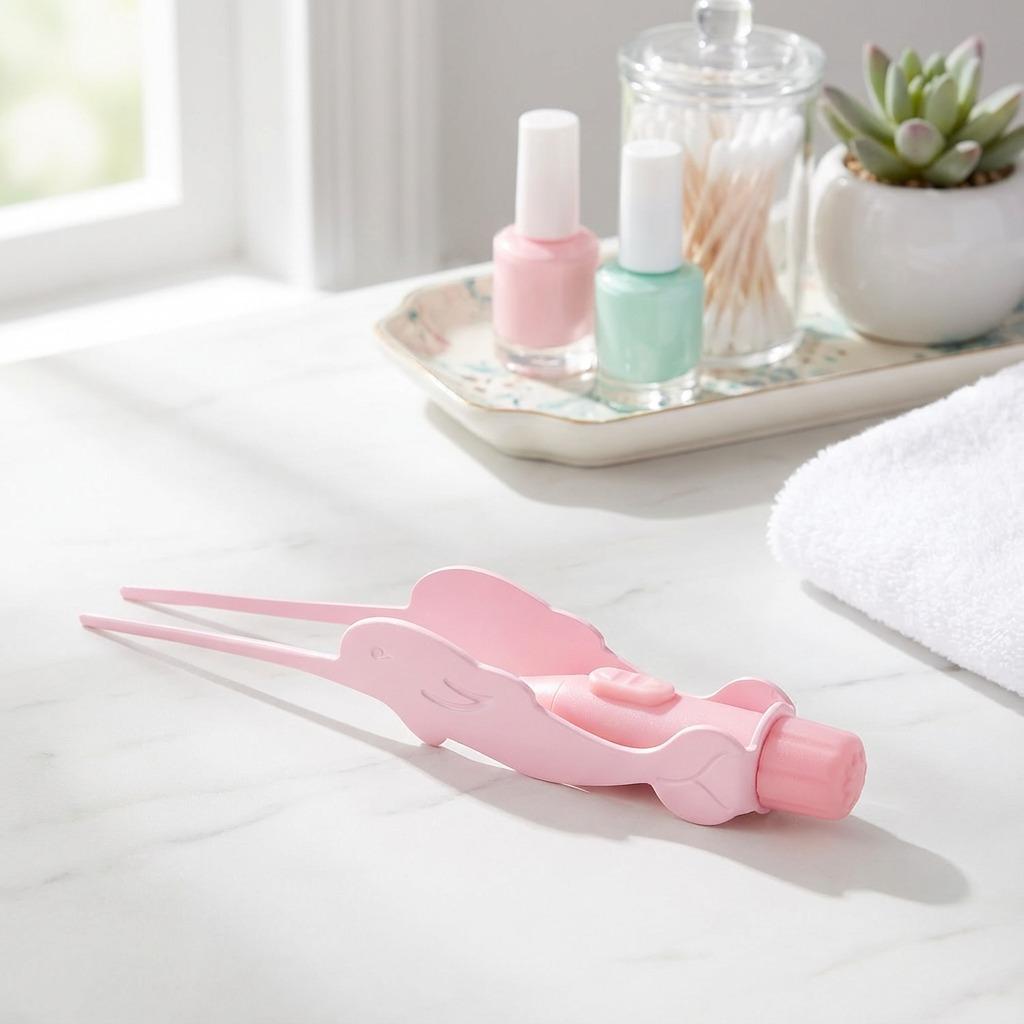
Global Tweezers Supplier Guide for Wholesale and OEM Buyers
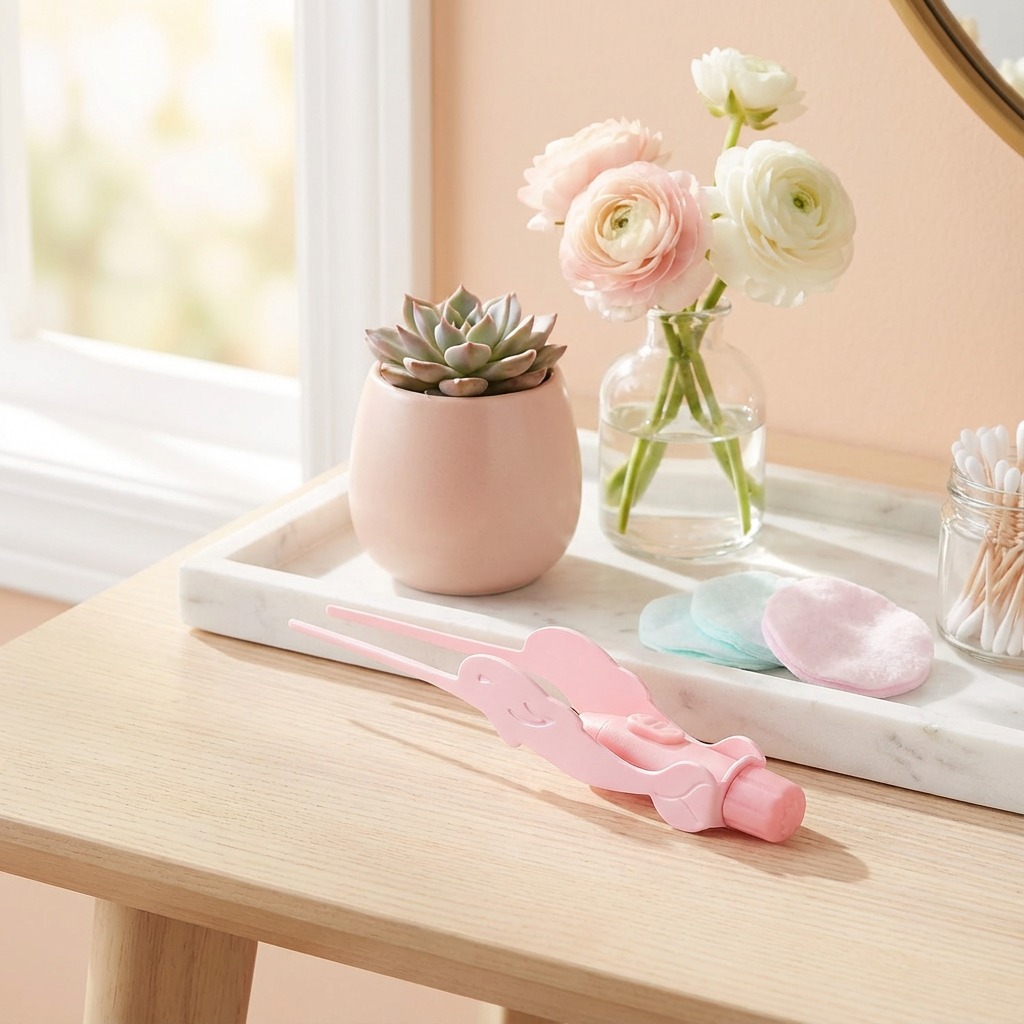
For beauty retailers, distributors, salon suppliers and private-label brands, tweezers are small tools with a large effect on customer satisfaction. A pair that grips cleanly, aligns correctly and feels comfortable can support repeat purchases; a pair with rough tips, weak tension or inconsistent finishing can create returns, complaints and poor reviews.
Choosing a global tweezers supplier is therefore not only a unit-price decision. It is a sourcing decision that should balance product function, stainless steel construction, surface finish, packaging, customization support, quality checks and reliable communication. Olimor supplies beauty tools for international business buyers and supports wholesale tweezer sourcing as well as OEM/ODM discussions for brands building their own product range.
This guide explains how to compare wholesale tweezers, how to judge samples before ordering in bulk, how to prepare a customization brief and how to evaluate a supplier without relying only on the lowest quote.
Start With the Sales Channel and Customer Use Case
The same tweezer is not ideal for every channel. A budget eyebrow tweezer for mass retail, a salon-focused grooming tool, an e-commerce accessory and a private-label gift set may share a similar shape, but each one needs a different sourcing brief. Before requesting samples or pricing, define where the product will be sold and what the end user expects.
- Retail shelves: Packaging appearance, barcode space, visible finish and consumer-friendly care information may matter as much as the tool itself.
- Salon or professional supply: Tip performance, grip control, repeated use, tension and cleaning suitability usually carry more weight.
- E-commerce: Product photography, consistent finish, accurate specifications and damage-resistant packaging help reduce complaints.
- Promotional or gift sets: Color direction, compact size, surface treatment and packaging fit may guide the selection.
- Private-label ranges: OEM/ODM flexibility, brand consistency, repeatable production and sample approval records are central to long-term planning.
When a supplier understands the intended channel, it becomes easier to recommend whether you should prioritize an affordable standard design, a more refined cosmetic tweezer or a customized program. Buyers can review Olimor beauty tool options through the beauty tool products page when comparing possible sourcing directions.
Key Quality Factors in Wholesale Tweezers
Tweezer quality is experienced through touch and performance. Customers may not know the manufacturing details, but they will notice whether the tool grips fine hair, feels balanced and closes smoothly. For wholesale buyers, sample approval should focus on practical inspection points rather than product photos alone.
Tip Alignment and Contact
The most important quality point is tip contact. Close the tweezers slowly and check whether both tips meet evenly across the contact area. Misalignment reduces grip strength and may cause slipping. Slanted tips should feel precise for normal grooming without rough or unfinished edges.
Grip Performance and Micro-Serrations
Some cosmetic tweezers use micro-serrations to help capture hair. When properly finished, this detail can support a more secure hold. Buyers should test samples on fine and slightly thicker hairs or on a thin test material. The goal is controlled gripping without excessive force, cutting or slipping.
Material, Finish and Visible Defects
Source information for Olimor tweezers references stainless steel construction and durable beauty-tool use. Stainless steel can be a practical material for cosmetic tweezers, but buyers should not assume that all stainless steel tools perform identically. Manufacturing quality, surface finishing, edge treatment and storage conditions all influence the final user experience.
During sample review, inspect for scratches, discoloration, burrs, uneven coating, rough edges or inconsistent color. For retail-ready products, the surface finish affects perceived value before the customer even uses the tool.
Body Tension and Ergonomics
Tweezers should open and close smoothly. Tension that is too weak reduces control; tension that is too strong can feel tiring. Lightweight construction and ergonomic shaping may improve comfort, especially for salon users or customers who use grooming tools frequently.
Packaging Fit and Protection
Packaging is both a sales tool and a protection system. A blister card, paper box, pouch, insert or bulk pack should keep the tips protected and present the product clearly. For e-commerce, packaging should also survive normal handling without allowing the tool to move, scratch or bend inside the pack.
Cheap Wholesale Tweezers vs. the Lowest Quote
Searching for cheap wholesale tweezers is reasonable. Many distributors, chain retailers and promotional buyers must work within competitive price points. The sourcing risk appears when buyers choose the cheapest wholesale tweezers on a spreadsheet without comparing the full specification.
Cheap can mean cost-effective. Cheapest can mean that essential details have been removed or not included. A low factory price may become expensive if it leads to rejected goods, packaging rework, sorting, inconsistent batches, poor reviews or after-sales complaints. A better approach is to compare total purchasing value.
Ask every supplier to quote against the same assumptions: tweezer shape, finish, packaging method, logo requirement, inspection expectation and shipping basis. If one quote includes retail packaging and another does not, or if one assumes a different finish, the numbers are not directly comparable.
| Evaluation Area | What to Check | Why It Matters |
|---|---|---|
| Product function | Tip alignment, grip, tension, slanted tip consistency and edge finish | Directly affects customer satisfaction and return risk |
| Material and finish | Stainless steel construction, surface smoothness, coating consistency and visible defects | Influences durability, perceived value and retail presentation |
| Packaging | Insert fit, barcode area, printed information, carton protection and online shipping suitability | Protects the tool and supports the intended sales channel |
| Customization | Logo method, color direction, packaging artwork, finish options and sample approval process | Helps align the tweezer with private-label or retail brand positioning |
| Quality control | Inspection points, reference samples, batch consistency and communication records | Reduces disputes and helps repeat orders match the approved sample |
| Landed cost | Unit price, packaging, freight, import costs and possible rework | Shows the real commercial cost rather than the quote alone |
How to Review Tweezer Samples Before Bulk Ordering
Samples should be reviewed in a structured way. Testing one good-looking piece is not enough for a wholesale decision. Ask for several pieces where practical and record observations in the same format so you can compare suppliers fairly.
- Check visual finish first. Look for scratches, burrs, uneven coating, discoloration or inconsistent polish.
- Inspect tip contact. Close the tweezers slowly under good lighting and confirm whether the tips meet evenly.
- Test hair capture. Try fine and slightly thicker hairs, or a thin substitute material, and note slipping or cutting.
- Assess hand feel. Open and close the tweezer repeatedly. Tension should feel controlled, not weak or tiring.
- Review edge comfort. Tips should be precise but not jagged, rough or unfinished for normal grooming use.
- Check packaging fit. Confirm that the tips are protected and that the packaging suits retail, salon, online or kit use.
- Record feedback clearly. Keep photos, comments and an approved reference sample when moving toward production.
For larger orders, buyers may also discuss sampling plans and inspection approaches with the supplier or a third-party inspection company. ISO 2859-1 is a widely referenced public standard for sampling procedures by attributes, but buyers should verify the applicable version, determine whether it suits their order, and request supplier or inspector documentation. Mentioning a standard does not mean a supplier holds a certification.
OEM/ODM Tweezers: When Customization Makes Sense
OEM/ODM tweezers can help a retailer or brand create a product that fits a specific market position. Customization may include logo placement, color direction, surface finish, grip detail, tweezer shape, packaging style or a complete design concept. Olimor product information references design, color and packaging customization directions, including colored finishes such as pastel pink or mint-hued design concepts.
Customization should not be treated as last-minute decoration. It should be part of a complete product plan. A simple logo and packaging update may be enough for a retail line, while a distinctive ergonomic design or multi-piece concept may require more sample review and feasibility discussion.
Prepare a Clear Customization Brief
A concise brief reduces misunderstanding and helps the supplier evaluate feasibility more accurately. Include the following information before requesting OEM/ODM feedback:
- Target customer: Beginner home users, brow grooming customers, salon professionals, value-focused buyers or gift buyers.
- Sales channel: Online marketplace, chain retail, salon distribution, wholesale catalog, travel kit or promotional set.
- Preferred style: Slanted tips, straight tips, pointed tips, compact size, multi-piece set or another selected profile.
- Finish direction: Polished, matte, colored or another visual direction suitable for your brand.
- Branding needs: Logo placement, packaging artwork, color references and required consumer information.
- Quality priorities: Tip alignment, grip strength, surface consistency, packaging protection or retail appearance.
- Market requirements: Labeling, import documentation, safety expectations and retail compliance for the destination market.
Buyers who are still defining a complete assortment can compare related items through Olimor product collections to see how tweezers may fit within a broader beauty tool range.
How to Evaluate a Global Tweezers Supplier
A good global tweezers supplier should make sourcing clearer, not more confusing. Look for practical communication, accurate sample follow-up and willingness to discuss trade-offs between price, finish, packaging and customization. Tweezers are performance tools, so product photos alone are not enough.
Evaluate how the supplier handles specifications. Can they confirm the tweezer type, finish, packaging method and logo direction? Do they explain what changes may affect cost? Do samples match the discussion? Are inspection points discussed before production rather than after problems appear?
Supplier evaluation should also include repeat-order thinking. A good first sample is useful, but your business needs consistent production. Keep approved samples, written specifications, packaging artwork and communication records so future orders can be compared against a clear reference.
Supplier Questions to Ask Before Ordering
- Which tweezer shapes, finishes and packaging formats are suitable for my sales channel?
- What information do you need to provide a complete and comparable quotation?
- Can the sample be reviewed against agreed points such as tip alignment, tension, finish and packaging?
- What customization options are available for logo, color, finish and packaging?
- How are pre-shipment quality checks discussed and documented?
- What export, labeling or documentation information should I confirm for my destination market?
Depending on destination and retail channel, buyers may also need to consider public-body requirements for consumer products, labeling or import compliance. For example, buyers selling into the United States often review relevant guidance from the U.S. Consumer Product Safety Commission where applicable. Requirements vary by product, use and market, so buyers should verify the current applicable rules and supplier documentation instead of assuming one universal requirement.
Practical Sourcing Workflow for Wholesale Tweezers
A disciplined workflow helps buyers avoid expensive mistakes. The following process keeps quality, cost and communication aligned from the first inquiry to repeat orders.
- Define the product role. Decide whether the tweezer is a budget item, salon tool, private-label accessory, e-commerce product or kit component.
- Set essential requirements. Identify non-negotiable points such as acceptable tip alignment, finish consistency, packaging protection and labeling needs.
- Separate optional upgrades. List premium packaging, special colors, surface treatments or added accessories that may be adjusted to meet cost targets.
- Request comparable quotations. Give each supplier the same shape, finish, packing and customization assumptions.
- Review samples systematically. Test several pieces and document function, appearance, tension and packaging fit.
- Approve a reference sample. Keep the approved item and specification notes for production comparison.
- Discuss inspection before production. Confirm what will be checked, how feedback will be handled and what documents are expected.
- Plan repeat orders. Maintain consistent artwork, specifications and supplier communication records.
If you need help narrowing suitable product directions, you can contact Olimor with your sales channel, target user and packaging expectations. For buyers ready to share a specific brief, Olimor also provides an inquiry channel for product sourcing discussions.
FAQ: Wholesale Tweezers and OEM Sourcing
Can I request samples before placing a bulk tweezer order?
Yes. Samples are important because tweezers must be judged by tip alignment, grip, tension, edge comfort and finish, not only by photos. Discuss sample availability, sample type and any customization needs directly with the supplier.
What MOQ applies to wholesale or custom tweezers?
MOQ depends on the selected design, finish, packaging and customization level. Standard styles may differ from OEM/ODM projects. Buyers should provide a clear brief so the supplier can confirm the applicable order requirements.
Can tweezers be customized with logo, color or packaging?
Customization may include logo placement, color direction, finish choices and packaging design, depending on the product and project feasibility. A clear artwork and specification brief helps reduce revisions.
What quality checks should be agreed before production?
Common checks include tip alignment, hair capture, edge finish, body tension, surface defects, packaging fit and comparison with the approved sample. Buyers should also confirm how inspection findings will be documented.
How should I compare lead time between suppliers?
Ask suppliers to clarify what is included in the timeline, such as sample review, artwork approval, production and packing. Do not compare lead time unless each quotation is based on the same specification and approval stage.
Final Sourcing Takeaway
The best global tweezers supplier is not simply the one offering the lowest unit price. It is the supplier that can match your sales channel, maintain practical quality, support appropriate packaging, communicate clearly and help you control total purchasing value. By defining the use case, reviewing samples carefully and preparing a structured OEM/ODM brief, wholesale buyers can source tweezers that are affordable, consistent and suitable for their market.
Tag: