

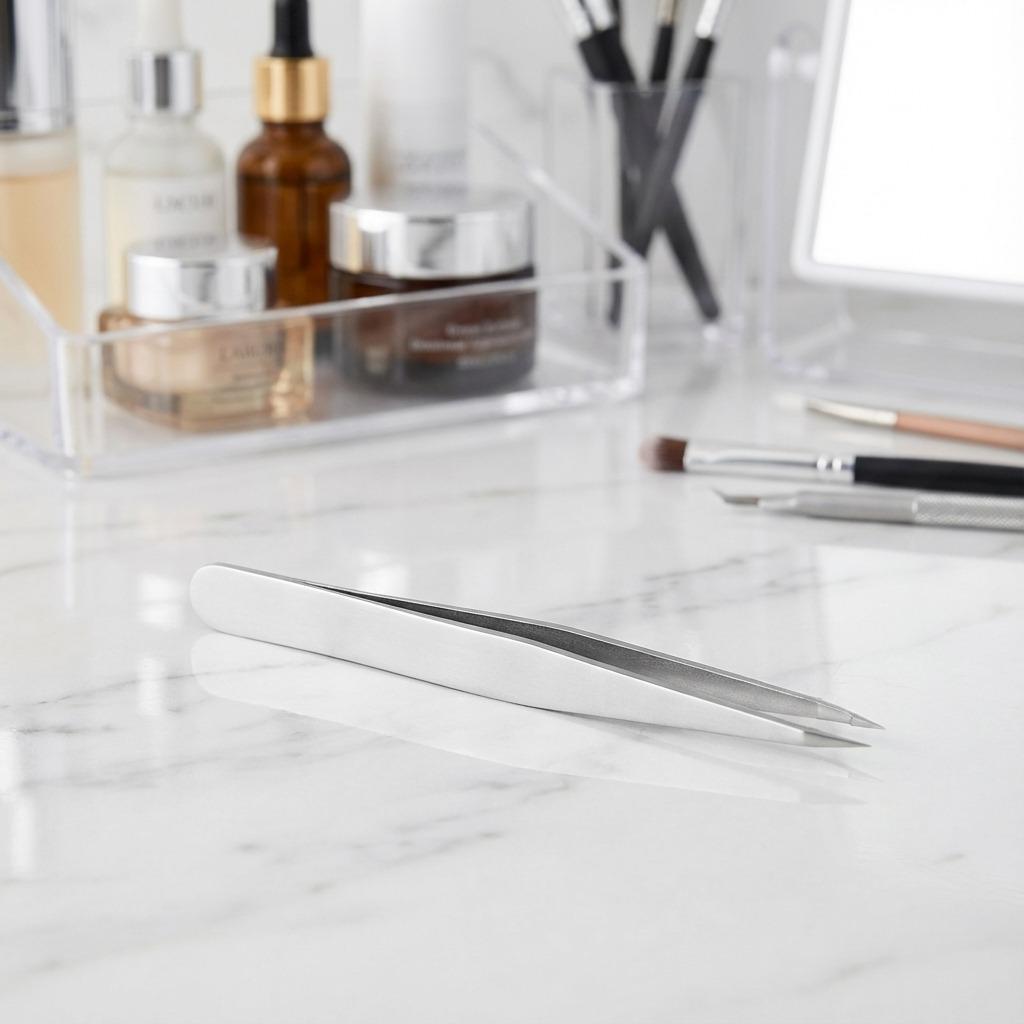
Choosing a Global Tweezers Supplier Without Sacrificing Precision
For beauty retailers, distributors, salon suppliers and private-label brands, tweezers look simple until customer complaints start appearing. A pair that seems acceptable in a product photo may fail in daily use if the tips do not meet cleanly, the grip is uncomfortable, or the surface finish cannot withstand regular handling. That is why choosing a global tweezers supplier should involve more than comparing the lowest unit price.
The real buying decision is a balance of cost, consistency and the end user’s expectations. Entry-level customers may need a reliable everyday tweezer for brow maintenance. Professional users may look for sharper tip alignment and better control during repeated use. Retail brands may need packaging, logo placement and design adjustments that match a defined market position. Olimor Beauty supplies beauty tools for these kinds of commercial needs, including precision stainless steel tweezers and OEM/ODM tweezers for buyers who require customization.
This guide explains how to compare cheap wholesale tweezers, the cheapest wholesale tweezers and customized tweezer projects in a practical way, so your purchase decision is based on long-term value rather than a short-term price quote.
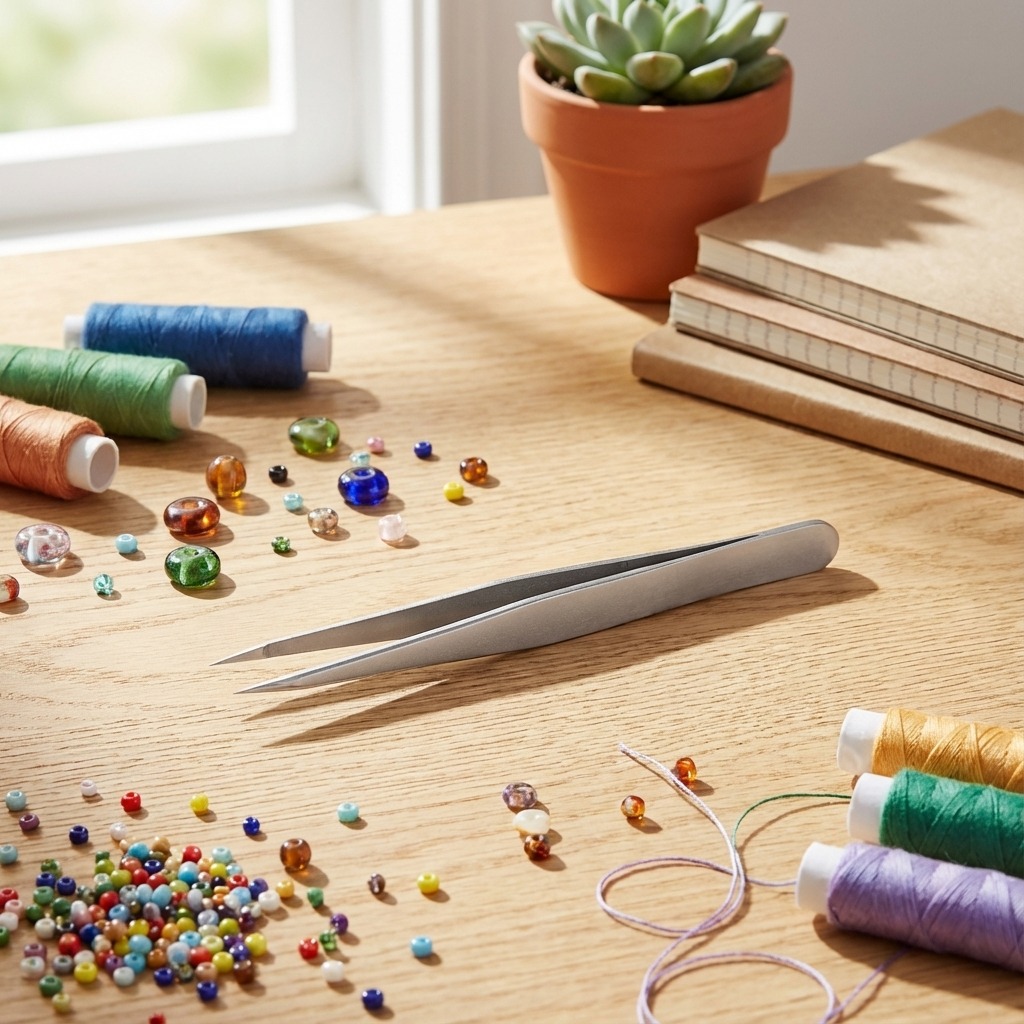
What Buyers Should Expect From Precision Stainless Steel Tweezers
Precision is the main performance standard for tweezers. A tweezer can have an attractive finish and still be frustrating if the tips do not close evenly. For brow shaping, facial grooming, craft work or fine handling tasks, the user needs predictable contact at the tip, stable tension and a shape that allows controlled pressure.
Stainless steel is commonly preferred for beauty tweezers because it supports durability and clean handling when properly manufactured and finished. However, the term “stainless steel” alone does not tell the whole story. Buyers should evaluate how the material is formed, polished, aligned and inspected. A better supplier focuses not only on raw material choice but also on the repeated manufacturing steps that determine whether each piece performs consistently.
When comparing samples, check whether the tips meet fully from edge to edge. Look at the closing action under good light. If one side lands before the other, the tweezer may slip on fine hairs or require excessive pressure. Also consider the handle feel. A tweezer that is too stiff can fatigue the hand, while one that is too loose may lack control.
Cheap Wholesale Tweezers: When Low Price Makes Sense
Cheap wholesale tweezers are not automatically the wrong choice. They can be suitable for promotional sets, travel kits, short-term retail campaigns, value ranges or markets where the customer mainly needs basic plucking function. If the intended use is light and the buyer has clear expectations, an affordable bulk option can help control inventory cost.
The risk appears when “cheap” becomes the only selection standard. Very low-priced tweezers may use thinner construction, inconsistent tip finishing or surface coatings that do not hold up well. They may look similar in a catalog but perform differently after repeated opening, closing and cleaning. For retailers, that gap between appearance and function can affect repeat sales.
A useful approach is to separate acceptable cost control from false economy. If a lower-priced tweezer still has aligned tips, smooth edges, comfortable tension and presentable packaging, it may serve its purpose. If it fails any of those basics, the purchase price may be offset by returns, negative reviews or replacement orders.
The Problem With the Cheapest Wholesale Tweezers
The cheapest wholesale tweezers usually compete on price before anything else. That can be tempting when building a large assortment, but the lowest-cost option often removes the details that make a tweezer dependable. Tip grinding may be less consistent, arms may flex unevenly, and grip comfort may be overlooked. These weaknesses are especially noticeable for customers trying to remove short or fine hairs.
In professional beauty and grooming categories, a poor tweezer is easy for users to identify. If it cuts the hair instead of gripping it, pinches the skin, rusts easily, or feels rough around the edges, customers do not usually blame the factory. They blame the brand or store that sold it. This makes the cheapest option a brand-risk decision, not just a purchasing decision.
Before selecting the bottom-price offer, buyers should test samples in realistic conditions. Open and close each sample repeatedly. Try gripping fine hair or a thin fiber. Check whether the tips remain aligned after normal pressure. Inspect several pieces, not just one prepared sample. A supplier that can provide stable quality across a batch is more valuable than one that can only deliver an impressive first piece.
Key Criteria for Comparing Global Tweezers Suppliers
Supplier selection should be structured. A simple checklist helps purchasing teams compare offers fairly and avoid focusing only on the quote sheet. The table below highlights practical criteria that matter for wholesale and private-label tweezer projects.
| Evaluation Area | What to Check | Why It Matters |
|---|---|---|
| Tip alignment | Tips close evenly without visible gaps | Improves grip on fine hairs and reduces slipping |
| Tip finish | Edges are clean, not rough or overly sharp on the skin | Supports comfort and safer daily use |
| Material and finish | Stainless steel construction and consistent surface treatment | Affects durability, appearance and customer confidence |
| Tension | Arms open and close with controlled resistance | Prevents hand fatigue and improves accuracy |
| Batch consistency | Multiple samples perform similarly | Reduces quality variation in retail orders |
| Packaging options | Packaging protects the tips and suits the sales channel | Helps prevent damage and supports shelf presentation |
| Customization support | Logo, shape, finish or packaging discussions are practical | Important for OEM/ODM tweezers and private-label programs |
OEM/ODM Tweezers for Private-Label and Market Differentiation
OEM/ODM tweezers can be a strategic option when generic wholesale products do not fully match your market. Customization may involve branding, packaging direction, finish preferences, handle design adjustments or a product concept tailored to a specific retail audience. The goal is not customization for its own sake; it is to create a tweezer that fits the way your customers buy and use beauty tools.
For example, a salon-focused line may prioritize hand comfort and precise tips for frequent use. A retail beauty kit may need compact packaging and a finish that coordinates with other tools. A value-oriented range may focus on dependable basic performance while keeping presentation simple. These are different sourcing goals, and a capable global tweezers supplier should be able to discuss them clearly.
Olimor Beauty supports OEM/ODM tweezer projects for buyers who need more than an off-the-shelf item. When planning a custom program, prepare your intended sales channel, target customer, packaging preference and performance expectations before requesting development. You can review broader beauty tool products or browse related product collections to consider how tweezers may fit within a complete assortment.
Sample Testing Before a Wholesale Order
A sample review should be hands-on, not limited to appearance. Tweezers are judged by feel, pressure and precision, so testing should imitate real use as much as possible. Use several pieces from the sample set and compare them against the same criteria.
- Check closure: Hold the tweezer against light and confirm the tips meet cleanly.
- Test grip: Try lifting a fine hair, thread or thin fiber to see whether it slips.
- Assess comfort: Open and close the tweezer repeatedly to judge tension and hand feel.
- Inspect edges: Make sure the tips and body are smooth enough for beauty use.
- Review finish: Look for uneven polishing, marks or coating inconsistencies.
- Evaluate packaging: Confirm the tips are protected during shipping and retail handling.
- Compare multiple samples: Consistency across pieces is more important than one excellent sample.
If your team is sourcing for retail, it is also helpful to involve the person responsible for merchandising. A tweezer that performs well but arrives in unsuitable packaging may still create extra work before launch. Conversely, attractive packaging cannot compensate for poor tip performance.
How to Balance Quality and Affordability
Quality and affordability do not need to be opposites. The right decision depends on the intended product tier. A premium beauty tool line should place more weight on precision, finish and user comfort. A basic wholesale assortment can focus on dependable function at a controlled cost. The key is to define the acceptable performance level before negotiating price.
Buyers often get better results when they communicate priorities clearly: target market, expected use, packaging needs, branding plans and any design preferences. This helps the supplier recommend an appropriate direction instead of quoting a product that is cheap but unsuitable. It also helps avoid over-specifying a product when a simpler version would meet the commercial goal.
For businesses comparing global tweezers supplier options, Olimor Beauty offers a practical starting point for stainless steel tweezer sourcing, bulk supply discussions and OEM/ODM customization. To discuss a project, you can send an inquiry with your target market and product requirements, or contact Olimor for sourcing support.
Final Buying Advice
A good tweezer is judged in small details: the way the tips meet, the way the arms flex, the way the finish holds up, and the way the product feels during repeated use. Cheap wholesale tweezers can be appropriate when the quality level matches the customer expectation. The cheapest wholesale tweezers, however, often carry hidden costs if they create inconsistent user experiences.
For long-term retail and brand development, choose a supplier that treats tweezers as precision tools rather than simple accessories. Review samples carefully, compare more than the unit price, and consider OEM/ODM tweezers when your brand needs a product that fits a defined market position. With a structured selection process, buyers can control cost while still offering tweezers that customers trust and continue to use.
Tag: