

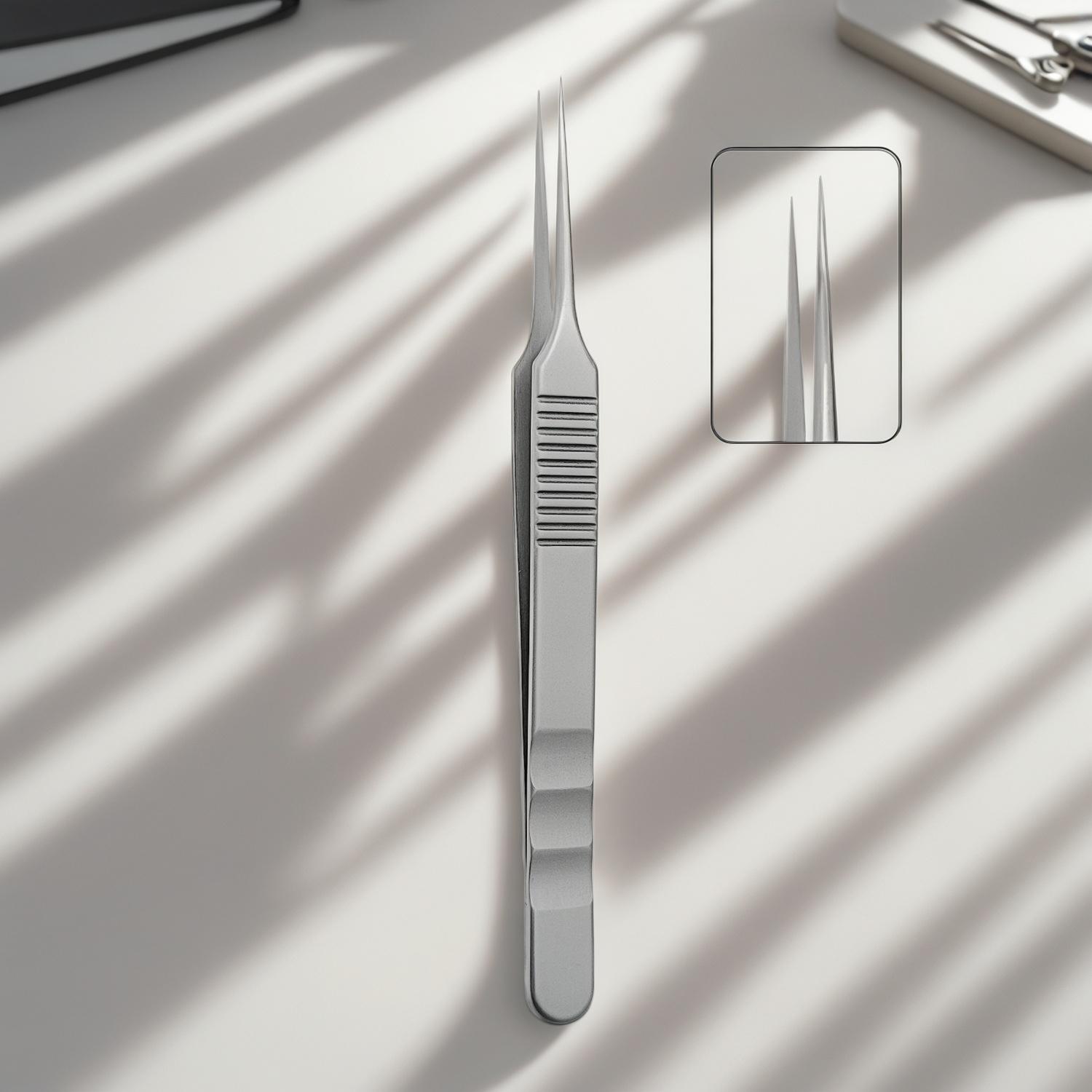
Low MOQ Tweezers for Beauty Brands: How to Source Precision Tools Without Excess Inventory
For beauty brands, lash studios, salons and retailers, tweezers are small products with an outsized effect on customer trust. A tweezer that grips cleanly, aligns correctly and feels steady in the hand can support professional-looking results. A poorly made one can pinch, slip, bend or frustrate the user after only a short time. The challenge is that many growing businesses need professional-grade tools before they are ready to commit to very large quantities.
Low MOQ tweezers help solve that problem. They allow a brand to test a product line, launch a kit, support a salon retail shelf or create branded aftercare tools without tying up too much cash in inventory. The goal is not simply to buy fewer units. The goal is to source reliable tweezers in practical order quantities while still paying attention to material, tip performance, finish, packaging and long-term supplier fit.
Olimor Beauty supports beauty-tool buyers looking for precision-engineered tweezers with flexible ordering and OEM possibilities. This guide explains what to evaluate before placing an order, how to compare tweezer types and what details matter when building a branded product.
Why Low MOQ Matters for Tweezers
Low MOQ purchasing is especially useful for beauty tools because customer preferences can vary by use case, market and channel. A lash artist may want a different grip and angle from a brow specialist. A retail customer may care about finish and packaging, while a professional buyer may focus first on alignment and repeated use. Ordering smaller starting quantities lets you validate those choices before scaling.
For a startup beauty brand, low MOQ tweezers can make it possible to launch a cohesive tool set without overextending the budget. For an established salon, flexible ordering can support seasonal retail promotions, training kits or branded client gifts. For distributors, it can reduce the risk of holding too many slow-moving styles while still keeping a useful assortment available.
Low MOQ should not mean accepting vague specifications or inconsistent quality. It should mean a more measured approach to inventory. The best sourcing process still treats tweezers as technical beauty tools: the tips need to meet accurately, the metal should feel stable, the finish should be appropriate for the intended market and the packaging should protect the item during storage and shipping.
Match the Tweezer Type to the Intended User
Before comparing suppliers, define the exact role of the tweezer in your product range. A general grooming tweezer, a brow-shaping tweezer and a false lash tweezer do not serve the same purpose. Even when they look similar, the tip geometry, grip feel and user expectations can be very different.
For example, a False Lash Tweezer with a non-slip grip is designed around control and comfort during lash application. That feature is useful because lash placement demands steady hand positioning and repeated fine movements. A brow tweezer, by contrast, often needs a tip that can isolate very short hairs without cutting or sliding. A general retail tweezer may need to balance precision with ease of use for beginners.
Use the following selection points to narrow the brief before requesting samples or placing a low MOQ order:
- Primary use: Lash application, brow grooming, general facial hair removal, salon retail or branded kit inclusion.
- User level: Professional artists, salon clients, beginners, students or mass retail shoppers.
- Tip style: Choose based on access, grip accuracy and the type of work being performed.
- Handle feel: Consider whether the tool needs extra grip texture, a slim profile or a wider holding area.
- Finish expectation: Decide whether the appearance should feel clinical, premium, minimal or retail-friendly.
- Packaging role: Determine whether packaging is only protective or also part of the brand presentation.
Clarifying these points early helps prevent a common sourcing mistake: choosing a tweezer because it looks attractive in photos, then discovering it does not fit the actual service or customer need.
Quality Criteria That Separate Reliable Tweezers from Basic Tools
A good tweezer is judged at the tips first. The two arms should meet evenly, without a visible gap, twisting or misalignment. When pressure is applied, the tips should grip consistently rather than crossing over or pushing the hair away. For beauty use, this accuracy is more important than decorative details.
Material also matters. The supplied product information highlights the use of high-grade stainless steel, a practical choice for beauty tools because it supports durability and an elegant finish. When reviewing any tweezer, buyers should also assess how the tool responds to normal handling: whether the arms feel too weak, too stiff or uneven from one piece to another.
For low MOQ orders, the inspection mindset is just as important as it is for larger runs. Smaller quantities are often used for first impressions: launch customers, salon partners, influencers, retail buyers or professional testers may be among the first people to handle the product. Any inconsistency can affect confidence in the larger brand.
A practical incoming check can include:
- Visual alignment: Hold the tweezer against a light background and confirm that the tips meet cleanly.
- Grip test: Test whether the tip can hold a fine hair or thread without sliding immediately.
- Pressure feel: Squeeze several units to confirm the resistance feels consistent and comfortable.
- Surface review: Look for rough edges, scratches, uneven finishing or residue.
- Packaging check: Confirm that the protective packaging keeps the tips safe during transport and storage.
- Use simulation: Test the tweezer in the real application setting, such as lash placement or brow shaping, not only on a desk.
These checks are simple, but they help buyers speak clearly with a supplier and make decisions based on performance rather than guesswork.
How Direct Sourcing Can Improve Communication and Inventory Control
Working directly with a tweezers supplier can simplify decisions around specifications, packaging and reorder planning. When too many intermediaries sit between the brand and the factory, small details can be lost: the intended tip style, finish preference, logo position or packaging requirement may be interpreted differently at each step.
A direct sourcing relationship can also help buyers manage inventory more deliberately. Instead of overbuying to access a product, brands can begin with a manageable quantity, review customer feedback and then adjust future orders. This is especially useful when testing multiple tweezer styles or preparing a new product bundle.
Olimor Beauty acts as a direct beauty-tool partner for buyers who want clearer communication around tweezers, ordering flexibility and OEM development. If you are comparing tweezers as part of a wider tool range, you can review related beauty tool products or browse product collections to consider how tweezers may fit within a broader retail or professional assortment.
For buyers, the most useful conversations are specific. Instead of asking for “good tweezers,” prepare a short sourcing brief: intended use, preferred appearance, expected packaging, branding needs and any sample evaluation method. This helps the supplier understand whether the priority is professional lash work, everyday grooming, gifting, retail display or kit assembly.
OEM Branding: What to Decide Before Customizing Tweezers
Custom OEM services can turn a standard beauty tool into a product that feels aligned with your brand. However, branding should be planned around both appearance and usability. A logo that looks good in a mockup should not interfere with grip. A decorative finish should still suit the expectations of the buyer. A package should protect the tip as well as communicate the brand story.
Before starting an OEM tweezer project, define the customization scope. Some brands only need logo placement and retail-ready packaging. Others may want to refine the shape of the tips, adjust handle appearance or develop a more complete branded tool line. The right choice depends on sales channel, budget, launch timeline and the level of differentiation required.
This comparison can help organize decisions:
| Decision Area | What to Consider | Why It Matters |
|---|---|---|
| Tip function | Application type, grip precision and intended user skill level | Determines whether the tweezer performs well in real use |
| Handle design | Comfort, non-slip features and pressure feel | Affects control during repeated professional or personal use |
| Surface finish | Brand look, cleaning expectations and retail presentation | Influences perceived quality and customer appeal |
| Logo placement | Visibility, durability and whether it affects grip | Supports branding without reducing usability |
| Packaging | Tip protection, display needs and unboxing experience | Protects the product and strengthens brand recognition |
The most successful OEM tweezer projects usually begin with a practical use case, not only a visual concept. A professional lash brand may emphasize grip stability and a refined hand feel. A retail grooming brand may prioritize accessible use and packaging clarity. A salon group may want a dependable branded tool that clients can purchase after a service.
Questions to Resolve Before Placing a Low MOQ Order
A low MOQ order is often the first step in a longer supplier relationship, so it should be treated as a controlled test. The objective is to confirm whether the product, communication process and branding options are suitable for future growth.
Prepare a buyer checklist that covers both product and operational details:
- Which tweezer style best matches the target customer and use case?
- Is stainless steel construction appropriate for the expected positioning and durability needs?
- Do the tips align consistently across multiple samples or units?
- Does the grip feel comfortable for the intended task, especially for lash or brow work?
- Will the packaging protect the tips from bending or damage?
- Is the branding method suitable for the finish and handle design?
- How will feedback from the first order be collected and used for reorders?
- Are the tweezers being sold alone, in a kit or as part of a wider beauty-tool range?
This checklist keeps the project grounded. It also gives your team a consistent way to compare samples, prepare product descriptions and decide whether a low MOQ test should be expanded.
Build a Tweezer Line That Can Grow with Your Brand
Low MOQ tweezers are valuable because they let beauty businesses move carefully while still offering a professional tool. They are useful for testing demand, building branded kits, entering salon retail, supporting lash and brow services or expanding an existing product selection. The key is to avoid treating them as generic accessories. A tweezer should be selected for a specific user, inspected for precision and branded in a way that supports the product’s function.
Olimor Beauty focuses on precision beauty tools, flexible ordering and OEM support for brands that want a more controlled sourcing process. Whether you are planning a first tweezer order or developing a broader branded range, the right next step is to define the intended use, compare practical options and review how customization can support your market position.
To discuss tweezers for your brand, you can send an inquiry with your sourcing brief or contact Olimor for guidance on product selection and OEM possibilities.
Tag: