

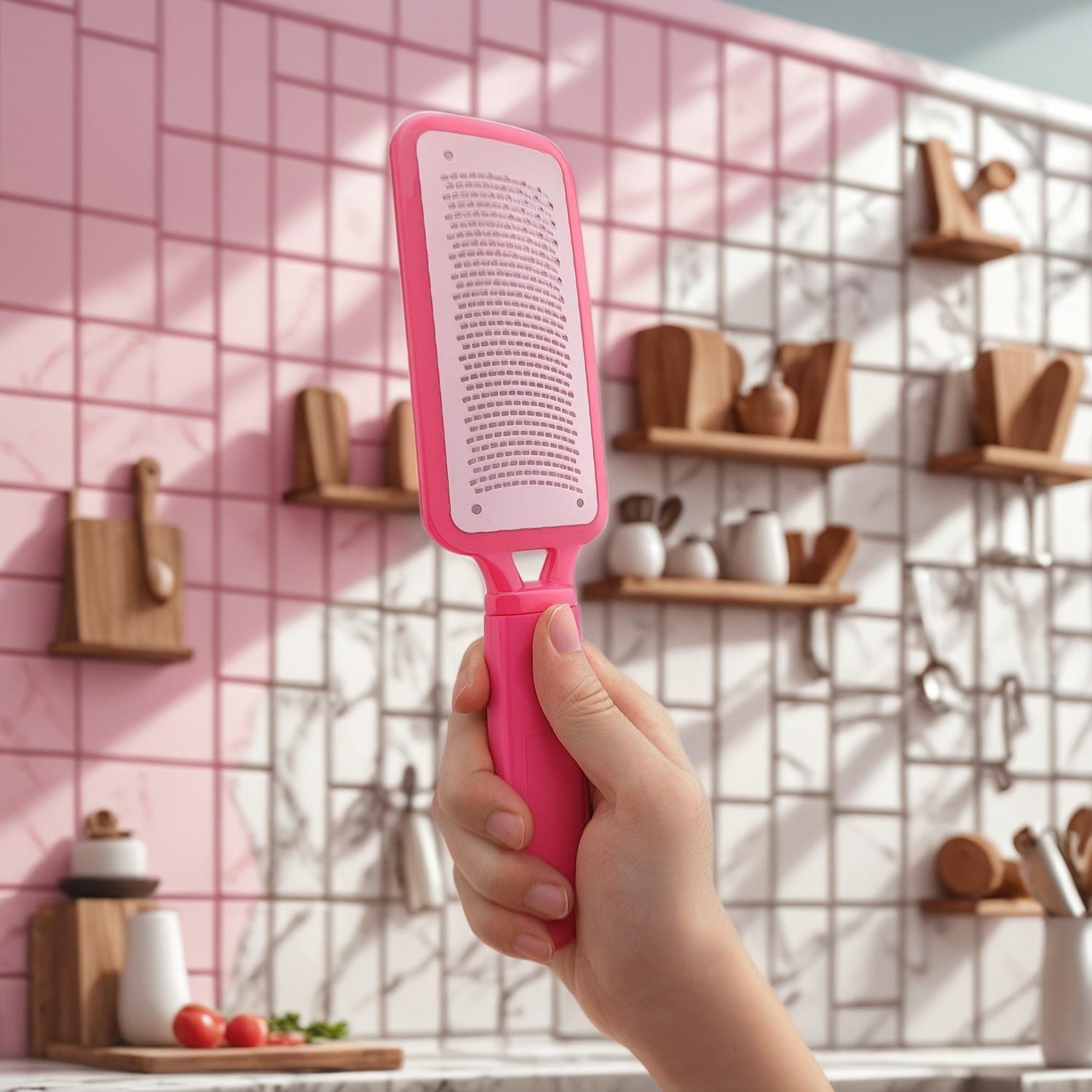
Foot Files Bulk Purchase Guide for Professional Pedicure and Retail Programs
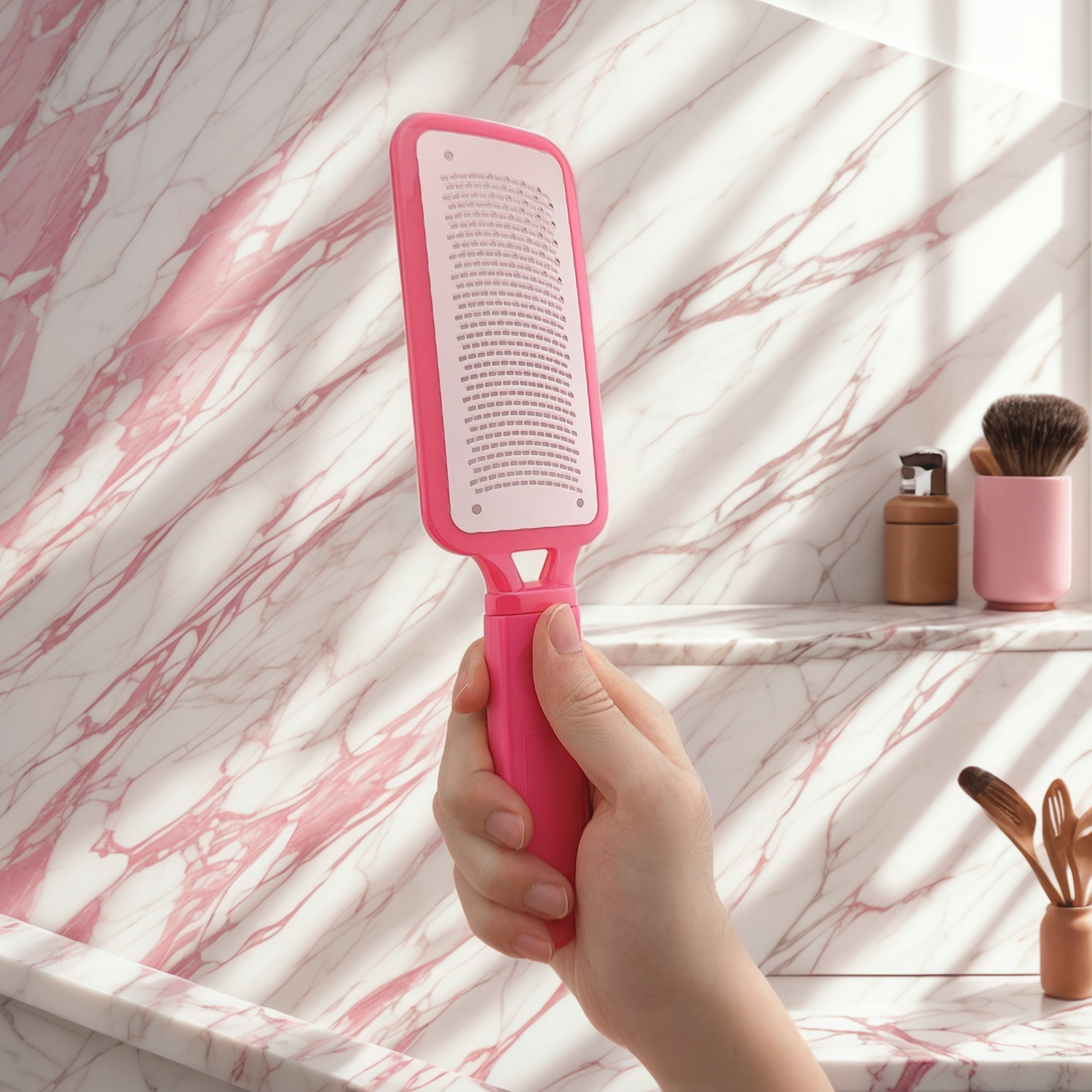
For salons, spas, nail studios, hotel amenity programs, beauty retailers and distributors, a foot files bulk purchase should be treated as a product-performance decision, not only a replenishment task. A foot file is a small grooming tool, but it directly affects pedicure workflow, client comfort, retail presentation and repeat purchasing confidence.
The best wholesale foot file is not automatically the lowest-cost option or the most decorative design. Buyers should compare how the tool feels in the hand, how controlled the abrasive surface feels, how well the edges are finished, whether packaging protects the working surface and whether the design fits the intended sales channel. A file that looks acceptable in a catalog can still be unsuitable if it bends too easily, feels slippery when hands are damp, or has an abrasive area that varies from piece to piece.
This guide explains how to select, inspect and source foot files in bulk for professional and retail use. It is written for buyers who need practical answers about use case, supplier evaluation, quality checks, customization discussions and purchasing risk before placing a larger order with a beauty tool supplier such as Olimor.
Start With the Buying Intent: Who Will Use the Foot File?
Before comparing styles, confirm the primary use case. Foot files serve different buyers in different ways. A salon technician may prioritize grip, balance and reliable handling across repeated appointments. A spa may want a refined appearance and a comfortable service experience. A retailer may care about shelf appeal, simple consumer understanding and packaging condition. A distributor may need a balanced item that works across several customer channels.
The most useful starting questions are simple: who will hold the file, how often will it be used, where will it be stored, and how will the end customer judge quality? These questions prevent overbuying a design that is attractive but impractical, or selecting a basic option that does not support the service environment.
Buyers building a wider grooming range can compare foot files with related items in Olimor beauty tool products. Viewing the category together helps determine whether the foot file should be a core pedicure item, an add-on retail product, or part of a multi-tool care kit.
Why Foot File Quality Matters in Bulk Purchasing
Bulk purchasing magnifies both good and bad product decisions. If a foot file has a comfortable handle, controlled abrasive feel and consistent finishing, each unit can support smoother service delivery and better customer acceptance. If the handle is awkward, the abrasive surface is uneven, or the perimeter feels rough, the issue is repeated across every treatment room, store shelf or promotional set.
In professional pedicure programs, clients often notice foot comfort and smoothness immediately after a service. A reliable file helps technicians manage dry, rough surface skin in a controlled way without forcing excessive repeated strokes in one area. This can support a more predictable service rhythm and a more professional impression.
In retail, the customer may not be trained in pedicure technique. The product must communicate its purpose quickly through visible construction, shape, finish and packaging. A clear use case such as rough heel care, dry sole maintenance or at-home pedicure support makes the item easier to position in a store, online listing or personal care bundle.
Key Design Features to Evaluate Before Ordering in Volume
Foot files appear simple, but small design differences change how they perform. Always evaluate physical samples under realistic handling conditions before confirming a large order. Product photos are useful for first screening, but they cannot fully show balance, grip stability, edge comfort or abrasive consistency.
Abrasive Surface
The abrasive area should feel even and securely attached. It should remove rough surface skin efficiently without feeling jagged, patchy or unnecessarily harsh. A wider working surface can help cover larger heel and sole areas with fewer strokes, but the surface still needs controlled contact and neat finishing around its border.
The supplied Olimor product range references a LuxeGrip Exfoliating Foot File with a rose-gold exfoliating surface engineered with micro-abrasive particles. For buyers, this type of description is useful because it points to details that should be verified on samples: surface evenness, attachment security, border finishing and whether the abrasive feel is suitable for the intended service or retail user.
Handle Shape and Grip
An ergonomic handle supports better control, especially for technicians repeating the same motion throughout the day. The handle should feel stable from multiple angles because heels, the sides of the foot and the ball of the foot require different wrist positions. If the tool forces an awkward grip, it may slow the service or create unnecessary hand fatigue.
The same Olimor product information describes an ergonomic matte black handle. A matte finish can be helpful because glossy surfaces may feel slippery in some grooming environments. Buyers should still test actual samples with realistic handling conditions, including dry hands, damp hands and use near towels, creams or water.
Balance, Weight and Sturdiness
A lightweight file can reduce fatigue, but it should not feel flimsy. During sample review, apply normal hand pressure and check whether the file flexes excessively, twists or feels unstable. A file used in a professional environment should feel controlled without requiring the technician to compensate for weak structure.
Edges, Seams and Finishing
Edges and seams strongly influence perceived quality. Inspect the perimeter, hanging hole, handle transition areas and any decorative details. Rough finishing can reduce comfort and may make the product look lower quality even when the abrasive surface is acceptable. For retail, visible finishing is especially important because the shopper may judge the tool before touching it.
Packaging Readiness
Packaging should protect the abrasive surface during shipping, storage and display. For retail, it should also communicate the use case clearly. For distributors, consistent packaging condition can reduce complaints from downstream customers and make inventory handling easier.
Comparison Table: Match Foot Files to the Right Channel
A foot files bulk purchase works best when the product is matched to the sales channel. One general product may simplify procurement, but it can also miss important customer expectations. Use the table below to compare priorities before selecting an assortment.
| Channel | Main Buyer Priority | Foot File Selection Focus | Common Purchasing Risk |
|---|---|---|---|
| Salons and nail studios | Consistent performance during repeated pedicure services | Comfortable grip, efficient abrasive area, stable structure and easy handling between appointments | Choosing a file that looks good but feels slippery, weak or tiring during actual service |
| Spas and wellness venues | Client comfort and polished presentation | Smooth finishing, refined appearance, controlled filing feel and compatibility with treatment-room workflow | Selecting a tool that feels too aggressive or visually inconsistent with the spa experience |
| Beauty retailers | Clear consumer value and display appeal | Simple use case, attractive finish, protected abrasive surface and dependable packaging condition | Buying a product that customers do not understand quickly or that looks inconsistent on shelf |
| Online distributors | Low return risk and accurate product representation | Stable visual quality, clear product copy, reliable images and practical supply planning | Relying on photos only and missing grip, surface or packaging problems |
| Gift sets and care kits | Compatibility with other grooming items | Size, presentation, color coordination and pairing with nail or pedicure accessories | Including a file that looks disposable or mismatched with the rest of the kit |
Wholesale Quality Checks Before Confirming a Larger Order
Quality control should begin with sample review and continue through the order confirmation process. The goal is not to create unnecessary complexity; it is to reduce avoidable issues before a bulk order reaches salons, warehouses, stores or kit assembly lines.
- Compare multiple samples: Review more than one unit so you can see whether abrasive texture, handle finish, color and shape are consistent.
- Inspect the working surface: Look for uneven patches, lifting, poor alignment, loose material or rough unfinished borders.
- Check handle comfort: Hold the file in normal service positions and test whether the grip feels secure from different angles.
- Review edge safety and finish: Visually and carefully touch-check sides, corners and seams for uncomfortable roughness.
- Assess normal-pressure stability: Apply reasonable hand pressure and confirm the file does not flex or twist excessively.
- Evaluate wet and dry handling: Consider how the handle feels when the environment includes water, towels, creams or damp hands.
- Confirm packaging protection: Check that the abrasive surface is not exposed to unnecessary rubbing during transport or storage.
- Document acceptance criteria: Keep written notes and reference photos so future orders can be compared against the same agreed standard.
For formal inspection planning, some buyers use sampling concepts from ISO 2859-1 for attribute inspection. This is a general inspection reference, not a product-performance guarantee. Buyers should verify the applicable version, confirm whether it suits their business risk level and request supplier documentation that matches the agreed order requirements.
Material, Manufacturing and Inspection Details to Discuss With Suppliers
A reliable supplier conversation should move beyond surface appearance. Ask how the abrasive component is attached, how handle finishing is checked and how packaging is protected during packing. If the item has a colored surface, matte handle or decorative finish, discuss what visual consistency standard will be used for bulk production.
For beauty tool sourcing, the most practical manufacturing questions include whether the handle shape supports repeatable production, how edges are finished after forming, whether the abrasive surface is checked for alignment, and how units are handled before final packaging. You do not need laboratory language to make these points clear. You need a shared, written understanding of what an acceptable product looks and feels like.
Buyers should also ask how nonconforming units are identified and separated during production or packing. This does not require a supplier to claim a certification. It simply establishes that inspection responsibilities, reference samples and visual standards are understood before volume production or shipment.
Cost Factors in a Foot Files Bulk Purchase
Wholesale buyers often search for the cheapest unit price, but the better question is total value for the intended channel. A lower-cost foot file may become expensive if it causes complaints, weak retail presentation, inconsistent kit assembly or early replacement. A higher-looking design may also be a poor value if it adds decoration without improving grip, finish or consumer appeal.
Typical cost factors include handle construction, abrasive surface type, finish complexity, packaging style, customization requirements, order quantity, inspection needs and shipping arrangement. Because these factors vary by project, responsible suppliers should confirm details before quoting rather than giving unsupported numbers.
When comparing suppliers, ask each one to quote against the same specification. Include product style, packaging expectation, customization request if any, inspection points and destination needs. This makes supplier evaluation more accurate than comparing incomplete offers.
Customization and Assortment Planning
Foot files can be sold as individual tools, paired with pedicure accessories, included in care kits or positioned within a broader grooming range. If you are planning customization, clarify what you want to customize: color, surface presentation, packaging, labeling or kit combination. Availability depends on the product structure and project details, so it should be confirmed directly with the supplier.
Retailers and distributors should consider how the foot file fits the rest of the assortment. Does it pair with nail care tools, cuticle accessories, pumice-style items or other personal grooming products? Is it intended as a year-round basic item or a promotional add-on? A coordinated range can make reordering and shelf planning easier.
You can review Olimor product collections to compare how foot care tools may sit beside other grooming categories. This helps buyers build a consistent range rather than purchasing one isolated item with no clear merchandising plan.
Supplier Evaluation Checklist for B2B Buyers
A strong supplier should help you reduce uncertainty before a bulk order. The conversation should be practical, specific and documented. Use the checklist below when comparing foot file suppliers for salons, spas, retailers or distributor programs.
- Request physical samples: Confirm grip, abrasive feel, balance, edge finishing and packaging condition before discussing volume.
- Define the use case: Tell the supplier whether the file is for professional service, retail resale, kits, hotel programs or distribution.
- Agree on reference samples: Keep approved samples as the comparison point for future production or replenishment orders.
- Clarify customization limits: Ask what can be changed and what may affect cost, production arrangement or packaging.
- Discuss inspection points: Align on surface consistency, handle finish, packaging protection and visual acceptance criteria.
- Ask about documentation: Request order specifications, packing information and any relevant supplier documents without assuming certifications.
- Plan reorders: Consider whether the product can support a long-term assortment rather than only a one-time promotion.
Public bodies such as the U.S. Food and Drug Administration may provide general information about cosmetic and personal care product responsibilities, but applicability depends on the exact product, market and claims. Buyers should verify current local requirements and supplier documentation for their target market. Do not assume that a beauty tool carries a certification or regulatory status unless the supplier provides clear evidence for the specific product and order.
When to Contact Olimor About Bulk Foot Files
Olimor Beauty focuses on practical grooming tools for professional and retail settings. If you are comparing wholesale foot files for salons, spas, beauty retailers, distributors or care kits, prepare your use case, target channel, packaging needs and any customization questions before requesting support.
A restrained, effective next step is to share your project details and ask for product options, sample availability and quotation requirements. Buyers can reach the team through Olimor contact support or send a purchasing request through the bulk inquiry form. Clear requirements help the supplier respond with more relevant information and reduce back-and-forth before ordering.
FAQ: Foot Files Bulk Purchase Questions
Can I request samples before placing a bulk foot file order?
Yes, sample review is recommended before a larger order. Use samples to assess handle comfort, abrasive consistency, surface attachment, edge finishing, packaging condition and suitability for your sales channel.
What MOQ should I expect for wholesale foot files?
MOQ can vary by product style, packaging, customization and order plan. Buyers should confirm the current requirement directly with Olimor for the specific foot file and project rather than relying on a general assumption.
Can foot files be customized for retail or kit programs?
Customization may be possible depending on the item and request, such as packaging, presentation or assortment planning. Confirm feasibility, cost factors and any production implications before approving a bulk order.
What quality checks should be completed before shipment?
Key checks include abrasive surface evenness, handle finish, edge comfort, normal-pressure stability, appearance consistency and packaging protection. Buyers should document acceptance criteria and compare production against approved samples.
How should I estimate lead time for a foot files bulk purchase?
Lead time depends on product availability, customization, packaging, inspection requirements and shipping arrangement. Ask for a project-specific timeline after the product specification and order details are confirmed.
Tag: