

Foot Files Bulk Purchase Guide for Sustainable Beauty Tool Buyers
A foot files bulk purchase affects more than inventory. It influences treatment consistency, hygiene workflows, customer comfort, packaging decisions and the long-term value of your beauty tool range. For salons, spa groups, distributors and private-label brands, the right file should remove rough skin efficiently, feel controlled in the hand and hold up across repeated use. The wrong choice can create complaints, extra replacements and uneven results.
This guide explains what to evaluate before placing a bulk order, how to think about sustainability in practical terms, and what B2B buyers should ask a supplier such as Olimor before moving forward. If you are comparing options now, you can browse Olimor tool options or send a project brief for review.
Why foot file quality matters in bulk purchasing
Foot files are simple tools, but they are not interchangeable in professional use. A technician needs a file that smooths rough skin without forcing extra pressure or repeated passes. If the abrasive surface is too weak, the service becomes slower and less consistent. If it is too aggressive, the tool can feel uncomfortable and create a poor user experience. In retail, the end customer makes the same judgment quickly: the file should feel solid, balanced and reliable from the first use.
When buyers place an order across multiple locations or channels, consistency matters as much as the design itself. Each piece should match the approved sample in surface texture, handle feel, overall finish and packaging presentation. Even small variations can lead to problems when the product is distributed through salons, kit programs or retail shelves. That is why a capable OEM personal care tools supplier matters: bulk buying is not only about unit cost, but also about repeatable product quality.
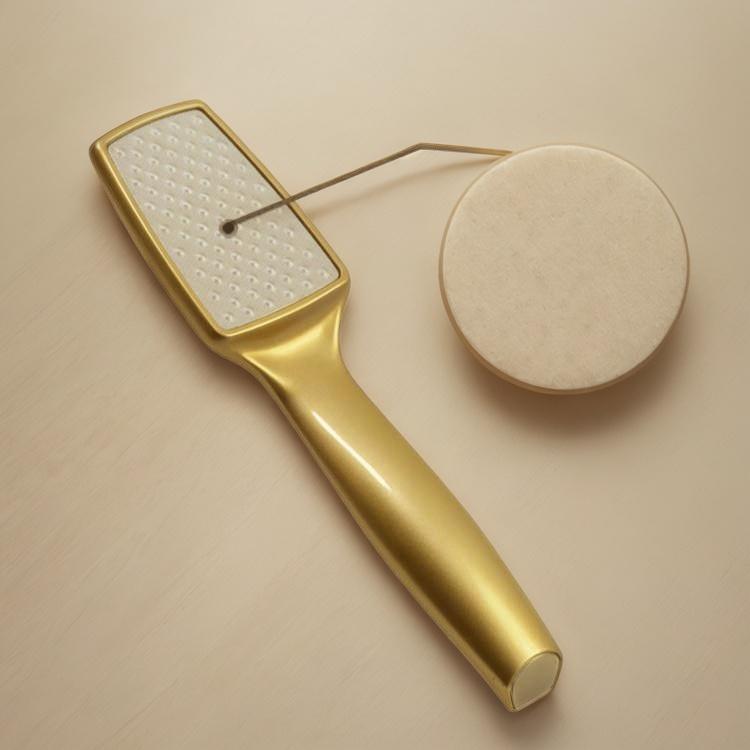
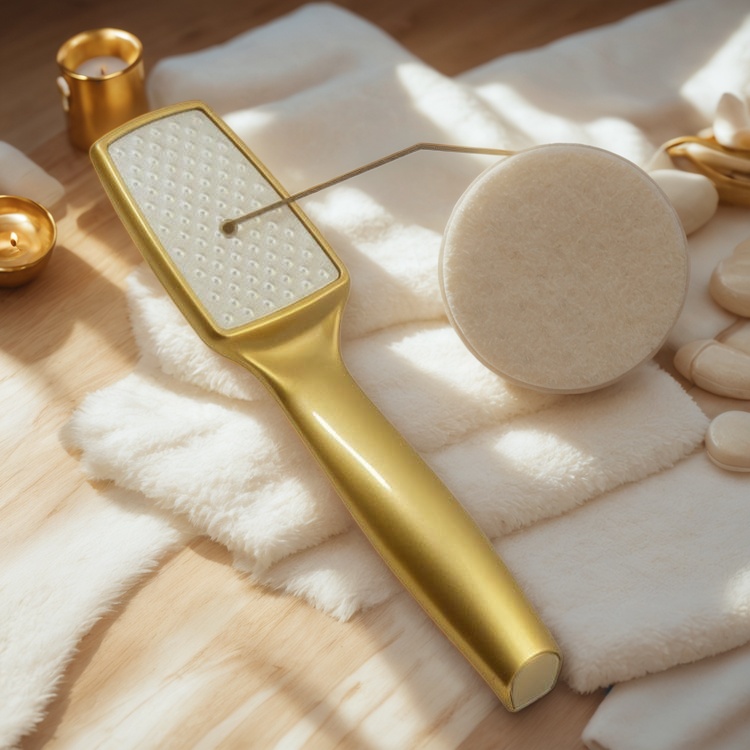
Olimor Beauty positions its pedicure tools around performance, durability and OEM cooperation. One example in the category is the Golden Prestige Foot File, which uses a laser-crafted surface and an ergonomic shape intended to support controlled exfoliation. Buyers evaluating similar products should test practical use, not only appearance.
What to check before choosing a supplier
A useful sourcing process starts with a clear checklist. The best foot file for a spa may differ from the best foot file for a retail brand, and both may differ from a distributor’s stocking requirement. Focus on the points that affect real use and repeat supply.
Filing performance
Check how the surface works on typical dry or rough skin areas. A good file should smooth effectively without feeling unstable, patchy or overly aggressive for its intended audience. The key question is whether the tool completes the job with predictable results.
Handle comfort and control
Grip, balance and hand feel matter, especially for technicians who use the tool many times a day. The file should not feel awkward, slippery or tiring to hold. A comfortable grip improves control around heels and curved areas, which helps support a cleaner service experience.
Edge finishing and overall workmanship
Inspect corners, transitions and edges for burrs, rough spots or unfinished areas. A well-finished file feels safer and more professional in the hand. Clean finishing also supports a stronger retail presentation and reduces the chance of user complaints.
Durability and practical service life
A bulk order should support repeated use, not quick replacement. Durability affects total value, waste levels and customer satisfaction. Buyers should ask how the product is built, how the surface holds up under normal use and whether the structure is suitable for the intended channel.
Cleaning and maintenance fit
The tool should suit the buyer’s hygiene process and the market’s expectations for care instructions. Professional users often need products that are easy to handle within their existing workflow. Retail users need clear guidance that matches the product’s design.
Packaging compatibility
Packaging should protect the file in transit and fit the sales channel. A salon supply carton, retail blister pack or kit insert each has different requirements. Good packaging is not only visual; it also helps reduce damage and keeps the filing surface in usable condition.
| Buyer type | Main priority | What to ask the supplier |
|---|---|---|
| Salon or spa | Comfort, control and repeatable service results | How does the file feel in hand, and does the surface stay consistent across samples? |
| Distributor | Batch consistency and packing efficiency | Can the product be supplied in a stable format for repeat orders and channel-specific packaging? |
| Private-label brand | Brand fit, presentation and OEM flexibility | What customization, labeling and packaging options are available for the intended range? |
| Retail buyer | Shelf appeal and clear consumer instructions | Does the product present well and include practical care information for end users? |
How to think about sustainability without vague claims
In beauty tools, sustainability should be judged by practical outcomes, not by marketing language alone. A durable foot file that lasts longer can reduce replacement frequency, packaging turnover and avoidable waste. A product that breaks down or wears out quickly may look inexpensive on a purchase order, but it can cost more over time through replacement and customer dissatisfaction.
Material selection matters as well. Olimor notes the use of durable materials such as stainless steel in tool programs where strength, clean appearance and long-term usability are important. That does not remove the need for buyer review. You should still confirm the exact structure, finishing and maintenance expectations for your own use case, because the best option depends on the channel and the level of handling the product will receive.
Packaging is another concrete sustainability factor. Overly bulky packaging adds storage and shipping burden, while under-protective packaging can increase damage rates. The more responsible choice is often the one that balances protection, clarity and efficient use of materials. For brands positioning around responsible personal care, the strongest message is a product that performs well and lasts long enough to justify its footprint.
Buyers who work with internal compliance files may also need documentation aligned to ISO 9001 or local health authority hygiene guidance. If so, verify the current version that applies to your market and request supplier documents that support your approval process. Do not assume a standard applies simply because a product looks professional; the paperwork should match the actual sourcing requirement.
OEM and private-label considerations for bulk orders
Many foot files bulk purchases are tied to brand development rather than simple replenishment. In private-label and distributor programs, the supplier needs to support both tool performance and commercial presentation. That means the conversation should cover samples, packaging, inspection and repeat production, not only the base product.
Start by defining the approved sample. This sample becomes the reference for future production, so it should reflect the surface texture, shape, finish and packaging that you are actually prepared to accept. From there, set clear functional priorities. Some buyers care most about exfoliation speed, while others place more value on comfort, appearance, durability or retail presentation. A clear brief helps the supplier judge whether the project is a good fit.
Packaging and brand consistency are just as important as the tool itself. Decide whether the product will be sold individually, included in a kit or supplied to professional teams. Confirm whether colors, labeling and presentation need to match a wider range. If the product will sit beside other beauty tool products in a catalog, visual consistency can support brand trust and simplify merchandising.
For project discussions, you can also review related beauty tool collections to compare formats, or contact the team for sourcing guidance before you finalize specifications. A short brief that explains market, use environment and packaging needs usually produces a better OEM conversation than a general request for customization.
Inspection points that reduce sourcing risk
Quality control should begin before mass production and continue through final packing. Buyers do not need a complicated test lab to improve decision-making; they need a repeatable inspection method that checks the details most likely to affect use and customer perception.
- Surface consistency: Confirm even texture across several samples, not just one display piece.
- Assembly and finishing: Look for clean edges, no rough burrs and no visible defects that affect handling.
- Grip and balance: Hold the tool in normal working positions to judge comfort and control.
- Packaging protection: Check whether the pack keeps the filing surface protected during transport and storage.
- Batch matching: Compare production goods against the approved sample before shipment when possible.
These checks are especially helpful if you are sourcing multiple tool categories or placing repeat orders across different sales channels. A clear inspection routine protects your brand and makes supplier evaluation easier over time.
How to compare suppliers with a B2B mindset
When comparing suppliers, avoid choosing only on price or product photos. Ask which details will be controlled during production, what documentation is available and how the supplier handles sample approval. A dependable partner should be able to discuss finish, consistency, packaging fit and order communication in plain language.
Useful supplier-evaluation questions include whether production goods will match the approved sample, what inspection points are used before packing, and whether the supplier can support the packaging style required by your channel. If you are building a private-label range, ask how the supplier handles brand consistency across reorder cycles. If you are buying for distribution, ask how the product will stay stable from batch to batch.
The best supplier is not always the one making the largest claims. It is often the one that can explain the product clearly, support a realistic sample process and align the tool with your actual use case. That is the kind of sourcing conversation Olimor Beauty is set up to support for professional personal care tools.
Practical pre-purchase checklist
- Define the channel: salon, retail, distributor or private label.
- Clarify the intended use: professional pedicure service, kit inclusion or consumer resale.
- Review surface performance on realistic rough-skin areas.
- Check grip, balance and edge finishing across more than one sample.
- Confirm packaging protection and label needs.
- Set your approved sample and inspection points before production.
- Ask for the customization options that matter to your brand.
- Verify any documentation needed for your own compliance file.
This process keeps the purchase grounded in practical results. It also helps buyers explain the selection internally, whether the decision is being reviewed by merchandising, procurement, quality or brand teams.
FAQ
Can I request samples before placing a bulk order?
Yes. For B2B foot file sourcing, sample review is one of the most useful steps. It lets you check feel, finish, surface consistency and packaging fit before confirming a larger order.
What customization options are usually relevant for private-label buyers?
Typical customization discussions include branding, packaging format, color or finish choices where available, and how the product is presented for your channel. Share your target market and use case first so the supplier can judge what is practical.
How should I evaluate quality before shipment?
Use a clear approved sample and check surface consistency, edge finishing, grip, balance and packaging protection. If your process requires it, confirm that supplier documents match your internal quality file.
What affects lead time for a bulk foot file order?
Lead time depends on the product configuration, customization scope, packaging needs and order workflow. Ask the supplier to explain the full process for your specific project rather than assuming a standard timeline.
How do I know whether a foot file is suitable for sustainable positioning?
Look at durability, packaging efficiency, material selection and how well the product fits repeated use. A product that lasts longer and ships efficiently is usually easier to position honestly than one chosen only for a low unit price.
If you are planning a bulk order and want a supplier conversation focused on performance, packaging and OEM fit, send your inquiry or review the current Olimor product range to start with a clear brief.
Tag: