

Wholesale Foot Files Buying Guide for Professional Pedicure and Retail Use
Buying foot files in bulk is a practical sourcing decision, not just a volume purchase. For salons, spas, nail studios, hotel wellness centers, beauty schools, distributors, and retailers, the right foot file affects pedicure consistency, staff comfort, customer satisfaction, retail presentation, and replacement planning.
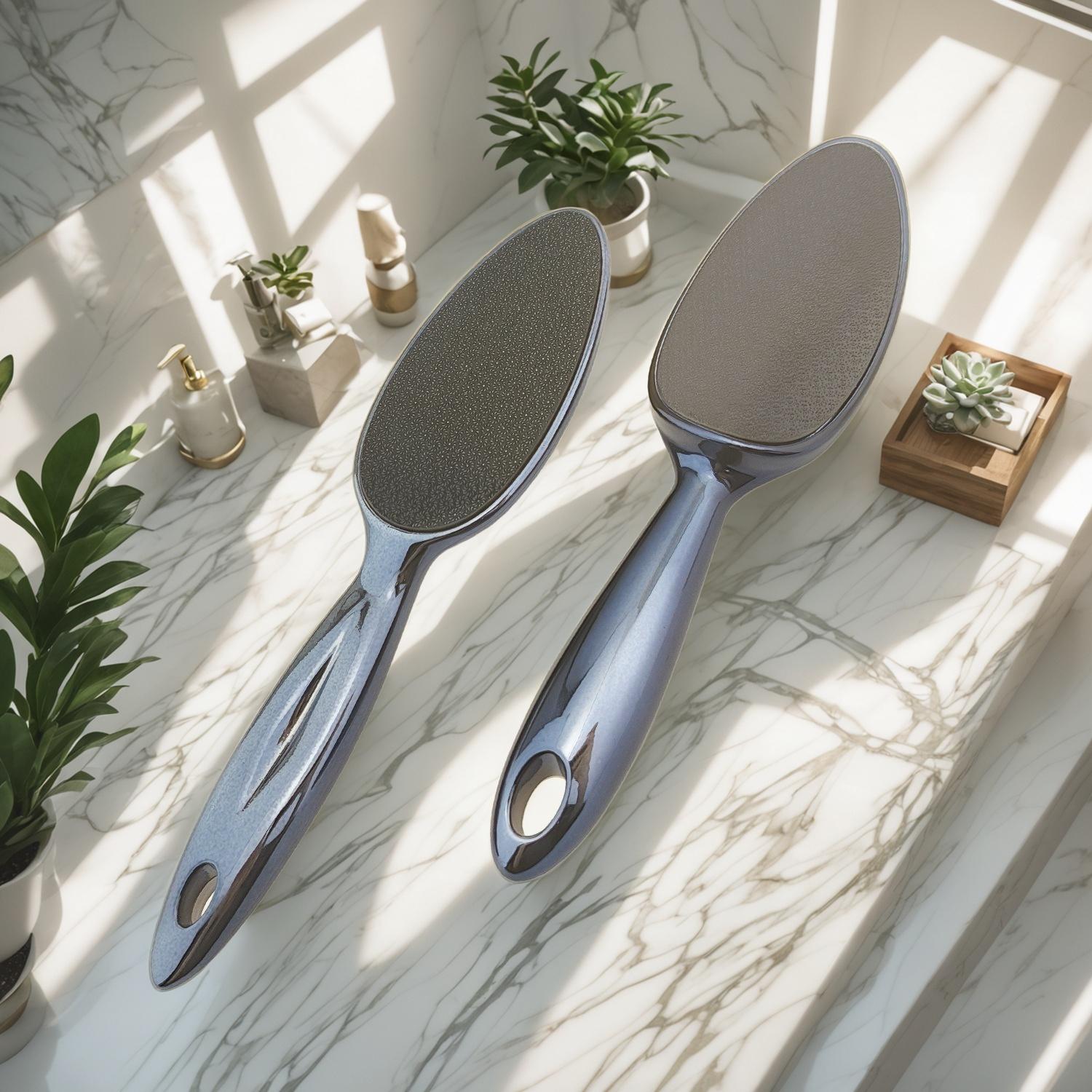
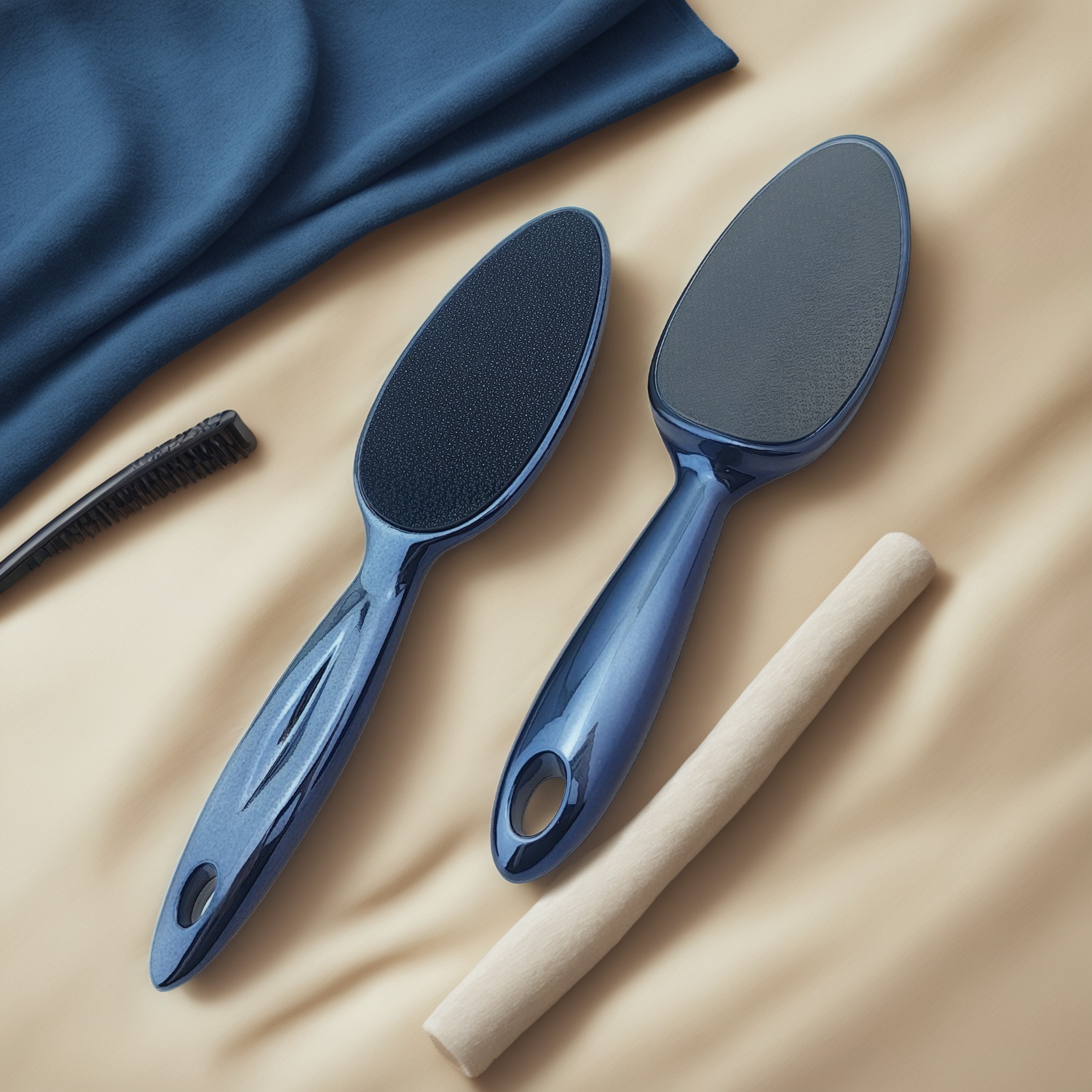
A professional foot file must do several simple things well. It should help reduce dry, rough skin with control, feel stable in the hand, support a smooth finishing step, look clean on display, and fit into the buyer’s hygiene and inventory process. Olimor Beauty supplies beauty tools for business buyers who need durable, presentable, usable products for service or resale. The Blue Chrome Dual-Sided Foot File Set described by Olimor is positioned around an ergonomic design, a medium grit side for tougher calluses, and a fine grit side for a smoother finish. Those features are especially relevant for businesses that want one easy-to-understand tool for both pedicure service and at-home foot-care retail.
Who Should Buy Foot Files in Bulk?
Bulk foot file purchasing makes sense when the product is used repeatedly, sold regularly, or included in a wider grooming tool assortment. A single salon may need enough files to support multiple pedicure stations and backups. A retailer may need consistent stock for seasonal foot-care displays. A distributor may need a dependable item that can be sold alongside manicure tools, nail files, tweezers, and other grooming accessories.
Common B2B buyers include nail salons, spas, beauty retailers, e-commerce sellers, beauty tool distributors, hotel wellness programs, training schools, and pedicure service providers. Their needs differ, but their core questions are similar: Is the file comfortable to use? Is the abrasive surface consistent? Does it look professional? Can it support regular handling? Will it fit into a clear cleaning, storage, and replacement routine?
Service businesses usually prioritize performance, grip comfort, and reliable handling during appointments. Retailers usually focus on appearance, packaging suitability, easy consumer explanation, and repeatable product presentation. Training schools may value a dual-sided design because students can learn the difference between reducing rough areas and finishing the skin surface with a gentler side.
What Makes a Foot File Suitable for Professional Use?
A salon-quality foot file is not defined by appearance alone. The best evaluation starts with how the tool performs in real use. A dual-sided file with medium and fine grit surfaces is practical because most pedicure work involves more than one step. The medium side can be used on thicker dry skin and callused areas, while the fine side supports smoothing after the main filing step.
For professional pedicures, control matters as much as strength. A file that feels too aggressive, unstable, slippery, or uneven can lead to inconsistent results. A file that is too weak or uncomfortable can slow technicians down and create fatigue during repeated appointments. When evaluating samples or first shipments, buyers should inspect both the working surface and the handle instead of relying only on catalog images.
- Grip comfort: The handle should allow controlled movement around the heel, ball of the foot, outer edge, and other pressure areas.
- Abrasive consistency: The grit should feel even across the usable surface, without loose edges, patchy roughness, or visible defects.
- Two-step function: A medium side and a fine side make the tool easier to use for both callus reduction and finishing.
- Durable feel: The file should not feel flimsy under normal pedicure pressure or repeated handling.
- Clean finish: Color, shape, and surface presentation should support a professional salon setting or retail shelf.
For buyers sourcing multiple categories, it is useful to compare foot files with other professional beauty tool products using the same practical inspection criteria: function, finish, comfort, consistency, and suitability for the intended sales channel.
Dual-Sided Foot Files: Medium Grit vs Fine Grit
A dual-sided foot file is valuable because foot-care needs are not the same for every client or customer. Some users only need light smoothing, while others need more focused work on dry heels or pressure points. A medium grit surface gives the user a stronger first step, and a fine grit surface provides a more refined finish.
This two-stage approach also helps prevent overworking one area. In a salon, the technician can use the medium side only where thicker skin needs attention, then switch to the fine side to smooth the result. In retail, the same design is easy to explain to consumers: use the stronger side for rough areas and the finer side for finishing. That simple message is helpful for packaging copy, e-commerce descriptions, retail displays, and foot-care kits.
| Feature | Best Use | Buyer Consideration |
|---|---|---|
| Medium grit surface | Reducing tougher dry skin and callused areas | Check that the texture is even and suitable for controlled use |
| Fine grit surface | Smoothing after the main filing step | Confirm it supports finishing rather than harsh removal |
| Ergonomic handle | Repeated salon appointments and comfortable home use | Assess grip shape, balance, and ease of control |
| Blue chrome appearance | Retail display, salon presentation, and product photography | Inspect finish consistency and shelf appeal |
| Bulk availability | Service stations, promotions, kits, and distribution | Match order planning to actual turnover and storage capacity |
How to Evaluate Bulk Foot File Quality Before Ordering
Before placing a larger order, buyers should create a simple inspection process. This does not require complex laboratory testing unless your market, channel, or internal policy requires it. It does require attention to the details that affect everyday use and customer perception.
Start by checking the handle. A foot file should feel stable, not awkward or poorly balanced. Staff should be able to use it without excessive wrist movement. For retail buyers, the handle also influences perceived value because customers often judge a grooming tool by how solid and finished it looks.
Next, inspect the abrasive surfaces. Look for even coverage, clean edges, and consistent texture. A dual-sided file should clearly offer two different use experiences: one side for tougher dry skin and one for smoothing. If both sides feel the same, the product may not deliver the practical benefit customers expect from a dual-sided design.
Then review appearance. The Blue Chrome Dual-Sided Foot File Set has a modern presentation, which can help in spa retail areas and online product photography. For stores and distributors, appearance matters because foot files are often compared side by side with competing grooming tools. A clean finish can strengthen the impression of a well-managed assortment.
Bulk Buying Checklist for Salons, Spas, and Retailers
A clear checklist helps prevent overbuying, underbuying, or choosing a file that does not match your business model. Use this process when reviewing samples, comparing supplier options, or planning a reorder.
- Define the use case. Decide whether the foot files are for professional services, retail resale, kits, training, hotel amenities, online bundles, or distribution.
- Confirm the grit combination. Medium and fine surfaces are practical for general foot-care routines because they support reduction and finishing.
- Test grip comfort. Have the people who will actually use the tool handle it and comment on control, balance, and comfort.
- Inspect the finish. Check color, surface cleanliness, edge quality, and overall presentation for salon or retail suitability.
- Review packaging needs. Retailers may need shelf-friendly or consumer-facing packaging, while salons may prioritize efficient storage and easy access.
- Plan replacement timing. Establish internal rules for removing worn tools from service when the abrasive surface no longer performs as expected.
- Match inventory to demand. Estimate use by pedicure stations, retail turnover, promotional volume, or distributor accounts.
- Request supplier details. Ask about customization options, sample availability, order process, and quality checks without assuming any unverified certification or claim.
If your purchase is part of a larger manicure and pedicure assortment, reviewing related beauty tool collections can help you build a more coherent retail or service lineup.
Hygiene, Handling, and Maintenance Considerations
Foot files are used on dry skin and callused areas, so hygiene and handling procedures are important in professional settings. Salons should follow current local cosmetology board or health department requirements for cleaning, disinfection, storage, and disposal where applicable. In workplaces, buyers should also verify current guidance from recognized public bodies such as OSHA when employee safety procedures are involved. Requirements can vary by location and change over time, so businesses should check the current versions and keep supplier documents on file.
Internal procedures should explain when and how tools are cleaned, how they are stored, and when they are removed from service. Staff should be trained to avoid using foot files on irritated, broken, infected, or highly sensitive skin. They should also understand that more pressure is not always better. Controlled filing protects client comfort and helps maintain professional service quality.
For retail customers, clear usage and care instructions can reduce misuse. Simple guidance may explain that the user should work gradually, use the medium side only where needed, follow with the fine side for smoothing, and stop if discomfort occurs. Retail instructions should avoid medical promises and should encourage customers with skin conditions or concerns to seek appropriate professional advice.
Storage also affects performance and presentation. Files should be kept dry, organized, and protected from unnecessary impact. In salons, a defined storage area makes it easier for staff to find clean tools and identify worn items. In retail, packaging should protect the abrasive surface and keep the product clean until purchase.
Cost Factors in a Foot Files Bulk Purchase
The lowest unit price is not always the best value. Bulk buying should consider total cost over the product’s useful business life. A file that looks appealing but wears quickly, feels uncomfortable, or produces inconsistent results may cost more in replacements, complaints, or lost staff efficiency.
Important cost factors include product construction, abrasive surface consistency, handle comfort, packaging type, customization requirements, freight, inspection time, storage space, and expected turnover. Service businesses should also consider the cost of staff time. A comfortable, predictable tool can support smoother appointments, while a poor tool can slow work and create uneven results.
Retailers should evaluate display value and customer understanding. A dual-sided foot file is easier to sell when the benefit is clear: one side for tougher areas and one side for finishing. If the product also has a modern appearance, such as a blue chrome finish, it may photograph well and fit neatly into a foot-care section or online listing. These commercial details can be as important as the file itself.
How to Compare Foot File Suppliers
A reliable supplier should help you understand the product, not pressure you into a blind volume order. For foot files, buyers should ask for enough information to assess function, presentation, and fit for their business model. The supplier should be able to discuss available options, sample process, packaging possibilities, and order communication clearly.
| Supplier Evaluation Area | Questions to Ask | Why It Matters |
|---|---|---|
| Product suitability | Does the foot file match salon, retail, kit, or distribution use? | Different channels need different handling, packaging, and presentation priorities |
| Sample review | Can the buyer review samples before committing to a larger order? | Hands-on inspection helps confirm grip, grit, and finish |
| Customization | What branding, packaging, or assortment options may be available? | Customization can support retail identity or distributor programs |
| Quality control | What inspection steps are used before shipment? | Clear procedures reduce the risk of inconsistent batches |
| Documentation | What product and order documents can the supplier provide? | Buyers need records for internal purchasing, retail, or compliance review |
A good supplier relationship is especially important if you sell multiple tool categories. Consistency across foot files, nail tools, tweezers, and other accessories protects your brand image and simplifies future sourcing decisions.
Choosing Foot Files by Business Model
Salons and nail studios should prioritize technician comfort, controlled exfoliation, and easy storage. The foot file should support regular pedicure appointments and be simple for staff to identify, inspect, and replace when worn.
Spas and hotel wellness programs often need tools that look professional as well as function well. Clients may notice the tools used during service, so a clean design and polished appearance can support the overall treatment experience.
Retailers and e-commerce sellers should focus on customer education, display appeal, and product photography. A dual-sided file is straightforward to explain, which helps customers understand why they might choose it for at-home maintenance between pedicure visits.
Distributors and wholesalers need supplier consistency, repeatable presentation, and clear communication. The product should be suitable for different downstream buyers without requiring complicated explanations.
Training schools can use dual-sided files to teach correct technique. Students can learn when to use the medium side, when to switch to the fine side, and why controlled pressure is important.
Plan a Practical Bulk Foot File Order
A successful foot files bulk purchase starts with one clear goal: matching the tool to the way your business will use or sell it. The Olimor Blue Chrome Dual-Sided Foot File Set offers relevant features for professional and consumer foot care, including an ergonomic design, a medium grit side for tougher calluses, a fine grit side for smoothing, and a modern appearance suitable for service or retail environments.
Before ordering, review samples where possible, check surface consistency, assess handle comfort, confirm packaging needs, and document your cleaning, storage, and replacement procedures. For product availability, customization discussion, or purchasing support, you can contact Olimor Beauty or send a foot file inquiry with your business requirements.
FAQ
Can I request samples before placing a bulk foot file order?
Sample availability should be confirmed directly with Olimor Beauty. Reviewing samples is recommended because it allows your team to check grip comfort, abrasive consistency, finish, and packaging suitability before a larger purchase.
Is there a minimum order quantity for wholesale foot files?
MOQ can depend on product choice, packaging, customization, and order requirements. Buyers should ask for the current MOQ during inquiry instead of relying on assumptions or previous quotes.
Can foot files be customized for retail or distributor programs?
Customization may be possible depending on the project, packaging needs, and order scope. Share your branding, packaging, and channel requirements so the supplier can advise what options are suitable.
How should a salon decide when to replace a foot file?
Each salon should set its own inspection and replacement procedure based on local hygiene rules, internal sanitation policy, and visible tool condition. Remove a file from service when the abrasive surface no longer performs properly or when the tool does not meet your hygiene and presentation standards.
Tag: