


Foot Files Bulk Purchase Guide for Professional Spa and Pedicure Buyers
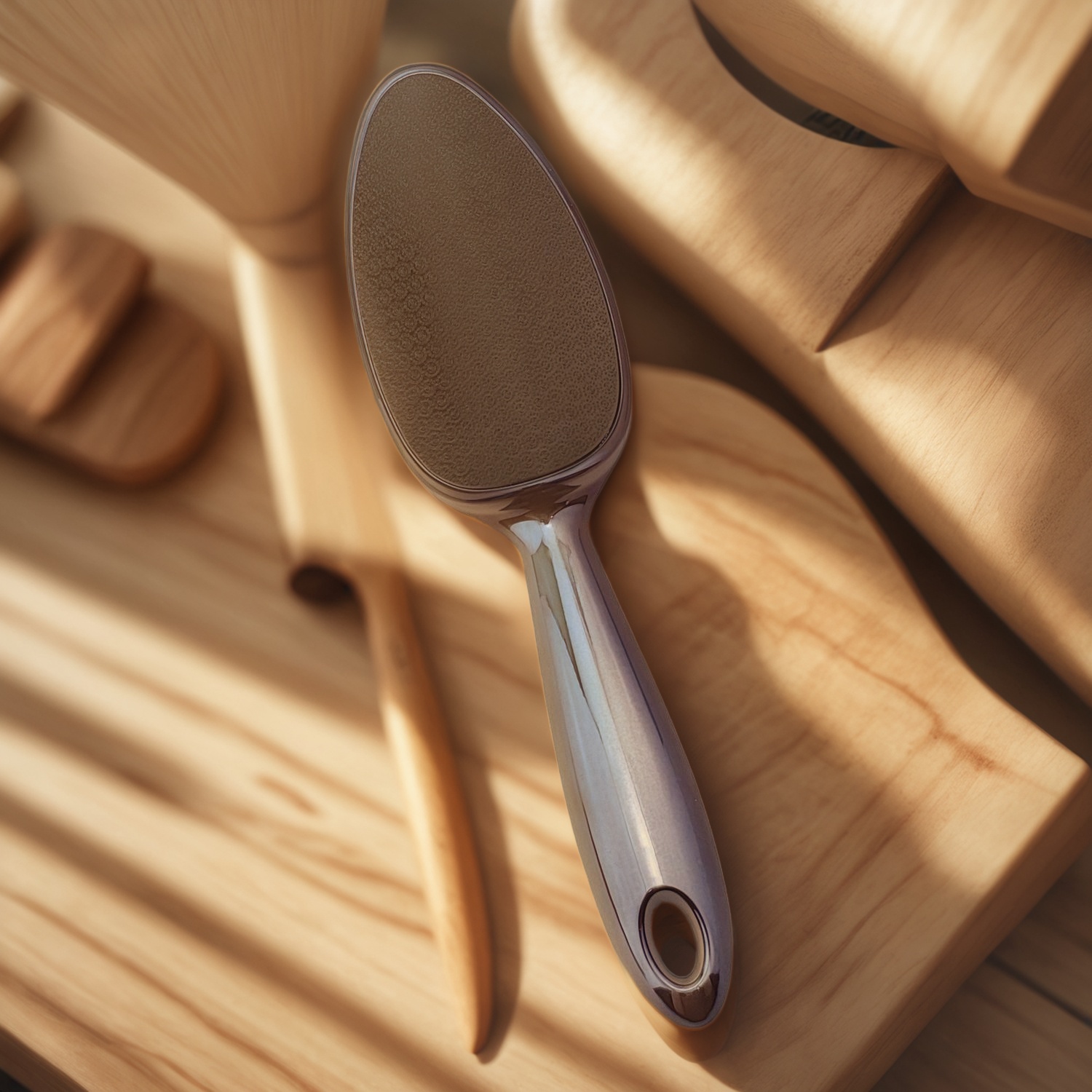
A foot files bulk purchase is a practical sourcing decision for spas, nail salons, hotel wellness centers, beauty distributors and retail kit developers. The right foot file helps technicians smooth rough skin consistently, maintain a comfortable grip during repeated services, support a clear hygiene workflow and avoid last-minute stock shortages. The wrong file can slow appointments, create uneven service experiences and increase replacement costs.
This guide explains how to evaluate wholesale foot files for professional pedicure and foot care use. It focuses on selection criteria, receiving inspection, staff handling, cleaning workflow, replacement planning and supplier evaluation. Olimor Beauty supplies professional beauty tools for B2B buyers, including pedicure tools designed for daily service environments. Buyers comparing available options can start with Olimor’s wider professional beauty tool products and then confirm the specific details that matter for their treatment menu.
Why Bulk Foot File Sourcing Matters
Foot files are simple-looking tools, but they influence several parts of a professional service. Clients notice whether heels feel smoother and whether the treatment feels controlled rather than rough. Technicians notice whether the handle is comfortable, whether the filing surface works predictably and whether the tool is easy to manage between appointments. Purchasing teams notice whether cartons arrive in good condition, whether reorder planning is simple and whether the product standard can be repeated across locations.
Bulk buying is useful because it allows a business to standardize the tool used at each station. This is especially important for spas and salons that offer a signature pedicure, a premium foot care service or a chain-wide treatment protocol. When every technician uses the same file type, training becomes easier and service variation can be reduced. A planned wholesale order also helps avoid emergency buying, where a team is forced to use locally available tools that may not match the approved grip, texture or appearance.
The goal is not only to find the lowest unit cost. Better value comes from a foot file that fits the service environment: comfortable for repeated use, effective on rough skin, suitable for the business’s cleaning or replacement policy and consistent enough for professional presentation.
Core Selection Criteria for Wholesale Foot Files
Before confirming a bulk order, evaluate the foot file from both the technician’s perspective and the buyer’s perspective. A product may look attractive in a catalog image but still create issues if it feels unstable, wears quickly or is difficult to inspect after use.
Grip Comfort and Control
A professional foot file should provide a secure hold during heel, sole and edge work. Ergonomic handle design matters because technicians may perform multiple pedicures in a single day. A handle that feels awkward, slippery or poorly balanced can cause inconsistent pressure and unnecessary hand fatigue. Olimor foot file descriptions include ergonomic handle features, such as a metallic cobalt blue handle on the LuxExfolia Foot File and an ergonomic grip on the LuxePro Pedicure Foot File. Buyers should test whether the shape supports natural wrist movement during real service steps.
Abrasive Surface Performance
The filing surface should smooth dry, rough skin efficiently without encouraging aggressive pressure. Micro-abrasive or precision micro-textured surfaces are useful features to review because they are intended to support controlled smoothing. However, performance should always be evaluated within the salon’s own service protocol, client skin policies and staff technique. Buyers should avoid assuming that a more abrasive feel is automatically better. Excessive pressure can reduce client comfort and may shorten the useful life of the tool.
Edge Finishing and Construction Quality
Receiving teams should inspect edges, seams, joints and surface attachment before releasing foot files into service. Rough seams, sharp edges, loose parts or visible defects can make a tool uncomfortable to hold and harder to clean. For reusable tools, the connection between the working surface and handle should feel stable. For any format, the overall finish should look suitable for a professional setting.
Professional Appearance
Appearance is not the only factor, but it matters in visible service environments. A refined finish can support the visual standards of a spa room, retail display or hotel wellness area. For example, a rose gold file surface can fit a polished treatment presentation, while a metallic handle finish may help the tool feel more distinctive. Distributors and kit assemblers should also consider product photography, packaging condition and how easily the product benefits can be communicated to end customers.
Match the Foot File to the Treatment Menu
Different buyers use foot files in different ways. A high-volume nail salon may prioritize predictable handling and quick station replenishment. A resort spa may focus on comfort, visual finish and a slower luxury treatment rhythm. A beauty distributor may need a broadly suitable product that can be explained to many types of buyers. A retail kit developer may care more about individual packaging, customer-friendly instructions and appearance.
| Business setting | Main buying priority | What to evaluate before ordering |
|---|---|---|
| Day spa or wellness spa | Comfort and client experience | Handle feel, surface smoothness, visual finish and fit with the treatment protocol |
| High-volume nail salon | Service speed and consistency | Grip stability, surface durability, station storage and replacement routine |
| Hotel or resort spa | Professional presentation | Tool appearance, packaging condition, uniformity and staff handling feedback |
| Beauty distributor | Repeatable supply and broad appeal | Carton protection, product description clarity, reorder communication and range compatibility |
| Retail foot care kit | Easy consumer understanding | Individual packaging needs, simple usage messaging, size and perceived quality |
This comparison helps prevent overbuying a tool that looks appealing but does not match daily workflow. If foot files are part of a larger pedicure or personal care program, buyers can review related items through Olimor’s beauty tool collections to coordinate sourcing across categories.
Reusable, Disposable and Retail-Focused Buying Decisions
A foot files bulk purchase should align with the business’s hygiene policy and service model. Reusable tools may suit professional teams that already have clear cleaning, inspection and storage procedures. Disposable tools or replaceable abrasive formats may suit settings that prioritize single-client use policies. Retail-focused files need to be intuitive for consumers and practical for merchandising.
When comparing formats, ask how the file will move through the service cycle. Where will clean tools be stored? Where will used tools go immediately after service? Who inspects them before reuse or replacement? Does the shape fit the salon’s existing containers, drawers or station setup? These operational questions often reveal whether a product is practical beyond the sample stage.
Distributors should also think about how the foot file fits into the rest of their catalog. A tool that is difficult to explain, photograph or package may create sales friction even if it performs well in service. Salons, on the other hand, may accept simpler packaging if the product meets daily handling and hygiene needs.
Hygiene, Cleaning and Staff Handling Considerations
Foot care tools require careful hygiene management because they are used close to skin that may be dry, cracked, sensitive or compromised. Each business must follow applicable local regulations, salon sanitation rules and internal procedures. In some markets, public bodies such as local health departments or agencies that regulate disinfectant claims, such as the U.S. Environmental Protection Agency for EPA-registered disinfectants, may be relevant. Buyers should verify the current applicable version of any regulation or guidance and request supplier documentation where needed. Olimor should not be assumed to hold any certification unless it is specifically provided in writing.
From a sourcing perspective, choose tools that support a clean workflow. Avoid designs with deep gaps, rough unfinished areas or difficult-to-inspect joints if the tool is intended for repeated professional use. After service, staff should separate used implements from clean ones, follow the salon’s cleaning procedure, dry tools thoroughly when applicable and store them in a protected area. A foot file should not remain in service if it has a worn abrasive surface, cracks, loose parts, damaged edges or a finish that no longer supports a professional presentation.
- Separate clean and used tools: Use labeled containers or zones so tools are not mixed during busy appointments.
- Inspect before each use: Remove damaged, worn or visibly defective files from active service.
- Train on pressure: Staff should smooth carefully and avoid aggressive filing, especially around sensitive areas.
- Define replacement rules: Create a practical trigger based on visible wear, surface performance and salon policy.
- Protect storage: Keep clean tools organized so the abrasive surface and handle finish are not damaged between services.
Receiving Inspection for Bulk Foot File Orders
A reliable receiving process protects service quality before products reach the treatment room. Bulk orders should be checked for carton condition, product count, visible damage, surface uniformity, handle finish and packaging quality. For larger or repeat orders, buyers may define an inspection checklist and keep records of issues to support supplier communication.
Some professional buyers use sampling concepts similar to those described in standards such as ISO 2859-1 for inspection by attributes. This does not mean every supplier follows that standard, and buyers should verify the applicable version and agree inspection expectations with the supplier. The practical point is to avoid random, undocumented receiving decisions. A consistent method helps purchasing teams identify whether a problem is isolated or repeated.
| Inspection area | What to check | Why it matters |
|---|---|---|
| Carton and packaging | Crushing, moisture exposure, labeling clarity and product protection | Reduces the chance of damaged tools entering inventory |
| Handle condition | Finish consistency, grip feel, cracks, sharp seams or loose parts | Supports technician comfort and professional appearance |
| Filing surface | Even texture, secure attachment and no obvious defects | Helps maintain predictable smoothing performance |
| Visual uniformity | Color, shape and finish across the batch | Important for multi-station use, retail kits and distributor resale |
| Documentation | Order details, product description, packaging requirements and any agreed specifications | Improves supplier communication and future reorder accuracy |
Cost Factors Beyond Unit Price
Wholesale foot file cost should be evaluated as total practical value, not only as the quoted price per piece. A lower-cost item may become expensive if it needs frequent replacement, arrives with packaging issues or slows technicians because the grip is uncomfortable. A more durable and better-controlled tool may support lower replacement pressure and a more consistent service experience.
Key cost factors include product construction, abrasive surface type, handle finish, packaging format, order quantity, customization requirements, inspection expectations, freight method and whether the item is purchased alone or alongside related beauty tools. Buyers should also consider internal costs: receiving time, staff training, storage space, damaged product handling and reorder administration.
For distributors, packaging condition and repeatable supply are especially important because they affect sell-through and customer confidence. For salons, the tool must support the appointment flow. If technicians avoid a file because it feels uncomfortable or does not perform evenly, the apparent purchase saving may disappear in daily operations.
Supplier Evaluation for B2B Buyers
Choosing a wholesale foot file supplier is also a supplier management decision. A good supplier should help clarify product options, packaging needs, customization possibilities and reorder communication without making unsupported performance claims. Olimor Beauty emphasizes professional beauty tools, durable design focus and quality checks from raw materials through production and final packaging. Buyers should still confirm the exact product details, available packaging, sample process and inspection expectations for their own order.
When evaluating a supplier, ask practical questions: Can the product be sampled before a larger order? What customization options are available? How should defects or packaging damage be reported? What information is needed for a repeat order? Are product photos, descriptions or packaging details available for distributor use? These questions help prevent misunderstandings and support a smoother purchasing relationship.
For a tailored discussion, buyers can contact Olimor’s team with service type, target market, packaging needs and expected use case. If product selection is already clear, a direct wholesale foot file inquiry can help confirm availability and order requirements.
Bulk Purchase Checklist
Use this checklist before placing or expanding a foot files bulk order. It is suitable for spa managers, chain salon buyers, hotel wellness purchasing teams, distributors and retail kit developers.
- Define the use case: Express pedicure, luxury spa service, retail kit, distributor resale or multi-location salon standard.
- Review technician handling: Test grip comfort, control, balance and wrist movement during normal service motions.
- Check surface suitability: Confirm that the abrasive texture supports controlled smoothing within your service policy.
- Plan hygiene workflow: Decide whether the file is reusable, disposable or part of a replaceable system, and confirm storage procedures.
- Inspect sample quality: Review edge finishing, surface uniformity, handle finish and packaging condition.
- Estimate replenishment needs: Consider number of stations, service volume, backup stock and replacement triggers without relying on emergency buying.
- Confirm supplier details: Ask about samples, customization, packaging, documentation, quality checks and repeat order communication.
Conclusion
A professional foot file should do more than look suitable in a product image. It should feel secure in the technician’s hand, smooth rough skin in a controlled way, fit the business’s hygiene workflow and arrive with packaging and construction quality appropriate for bulk use. For spas, salons, hotel wellness centers and distributors, the strongest purchasing decision balances comfort, durability, presentation, inspection and supplier communication.
Olimor Beauty supports B2B buyers sourcing professional beauty tools for daily service and resale environments. Share your treatment model, packaging expectations and purchasing questions with Olimor to compare suitable foot file options without overcommitting before the product has been reviewed for your workflow.
FAQ
Can I request samples before placing a bulk foot file order?
Sample availability should be confirmed with Olimor for the specific foot file and packaging format you are considering. Samples are useful for checking grip comfort, surface feel, visual finish and technician feedback before a larger purchase.
Is there a minimum order quantity for wholesale foot files?
MOQ can vary by product, packaging and customization requirements. Buyers should confirm the current order requirements directly with Olimor rather than assuming a fixed quantity.
Can foot files be customized for distributors or retail kits?
Customization may depend on the product style, packaging needs and order details. If you need branding, special packaging or kit assembly compatibility, provide the intended sales channel and presentation requirements when sending an inquiry.
What quality checks should buyers request?
Useful checks include carton condition, handle finish, edge smoothness, filing surface uniformity, secure construction and packaging accuracy. Buyers should also agree how defects or transit damage will be reported and documented.
How should lead time be handled for spa or salon replenishment?
Lead time should be confirmed for the exact product and order scope. To avoid stockouts, plan replenishment before busy periods, allow time for receiving inspection and keep backup inventory based on your service volume.
Tag: