

Foot Files Bulk Purchase Guide for Personal Care Brands
A foot files bulk purchase is a practical decision for beauty retailers, salon suppliers, private label brands and personal care distributors that want to add reliable pedicure tools to their product range. Foot files are simple products on the surface, but buyers quickly learn that comfort, abrasive performance, hygiene expectations, packaging and brand presentation all affect repeat sales. A file that feels uncomfortable in the hand, loses effectiveness too quickly or arrives with inconsistent finishing can create avoidable customer complaints.
Olimor Beauty works with beauty and personal care tools where usability and presentation both matter. For brands reviewing pedicure accessories, the goal is not only to buy a large quantity of tools. The more useful goal is to select a foot file that fits the intended customer, selling channel and after-sale expectations. This guide explains how to evaluate foot files before placing a bulk order, what to check in OEM discussions and how to make sourcing decisions with fewer surprises.
Why Foot Files Remain a Strong Category for Personal Care Lines
Foot care is a repeat-use category. Customers may buy creams, socks, pumice stones, nail tools and files as part of a regular pedicure routine, especially when they prefer at-home maintenance between salon visits. For retailers and private label brands, this makes foot files a useful addition because they are easy to explain, easy to bundle and relevant across many price tiers.
A well-chosen foot file can support several merchandising strategies. It can be sold as a single personal care item, included in a pedicure kit, paired with foot cream, offered as a travel grooming tool or positioned as part of a seasonal self-care display. Because the product is familiar to consumers, the main work for the brand is to prove quality through design, finish, packaging and clear usage instructions.
When reviewing beauty tool products, buyers should consider how a foot file complements the rest of the catalog. If your line already includes nail tools, tweezers, grooming accessories or bath products, a pedicure file can strengthen the category without requiring extensive consumer education.
Product Details That Matter in a Bulk Foot File Order
For a successful foot files bulk purchase, the most important details are often practical rather than decorative. A buyer should hold the sample, check how it performs on dry skin, assess the handle shape and inspect the abrasive surface under normal lighting. Small differences in finishing can decide whether the tool feels premium or ordinary.
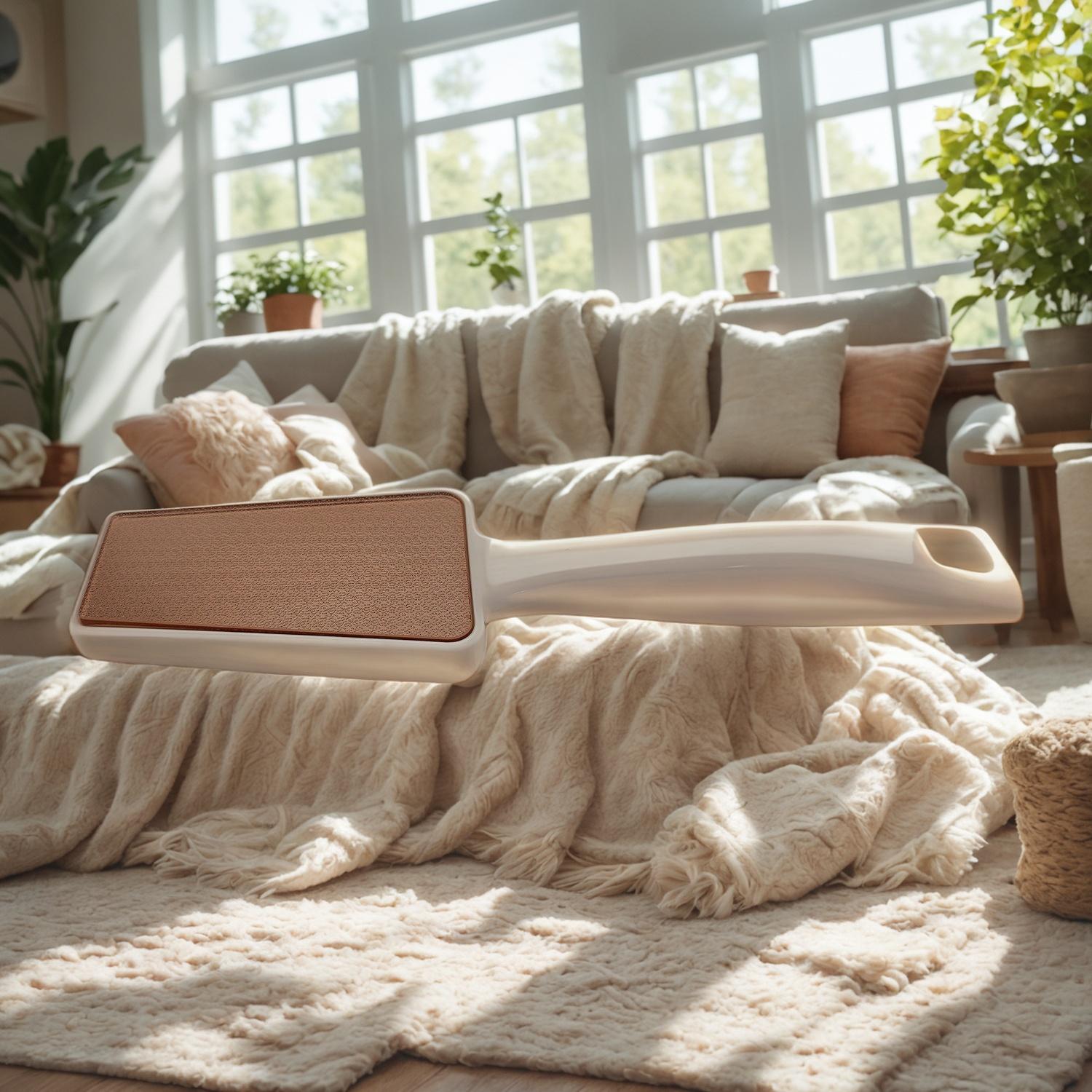
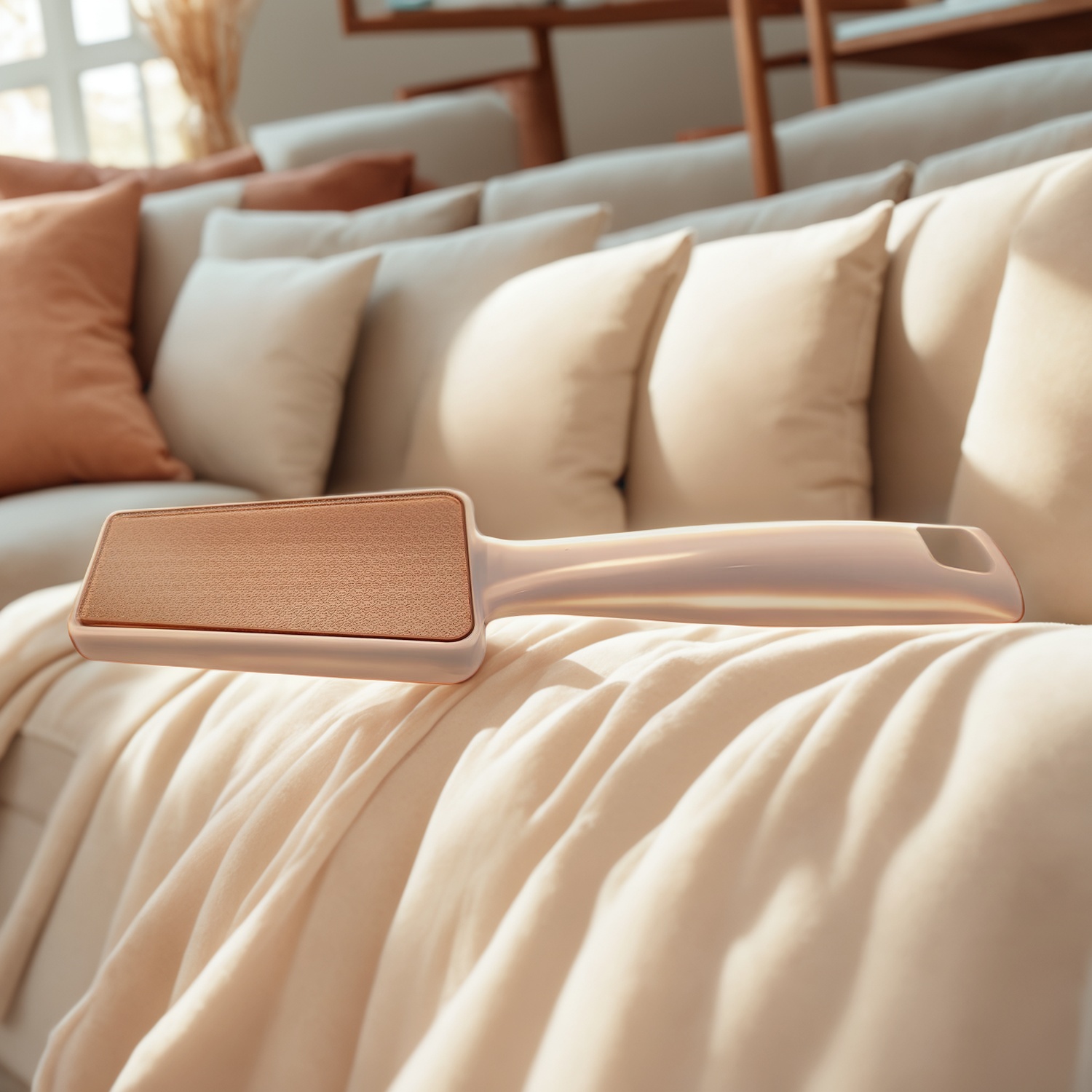
The supplied example from Olimor Beauty includes the Luxe Pedicure Foot File, described with an ergonomic, ivory-hued handle and a lustrous copper-tone abrasive pad with a superfine texture for gentle yet effective callus removal. These are useful product cues for buyers because they connect appearance with function: the handle supports grip comfort, while the abrasive pad defines the user experience on rough skin.
Before confirming a bulk order, review these criteria:
- Grip comfort: The handle should be comfortable to hold during repeated strokes and should not feel sharp along the edges.
- Abrasive feel: The filing surface should match the target user. A superfine texture is suitable when the goal is gentle smoothing rather than aggressive removal.
- Surface consistency: Check whether the abrasive pad looks even across the full working area.
- Balance and weight: A foot file should feel controlled in the hand, not flimsy or awkward.
- Cleaning expectations: Consider how the user will remove skin dust after use and whether care instructions are easy to communicate.
- Visual finish: Color, gloss, metal tone and handle finishing should match the price point and brand image.
How to Match Foot Files to Your Target Customer
Not every buyer needs the same foot file. A salon supplier may prioritize durability and easy cleaning, while a lifestyle retailer may focus on appearance and gift-ready packaging. A value channel may need simple, dependable construction, whereas a premium personal care brand may require a refined handle finish and a more polished retail presentation.
For customers who are new to foot care, a gentle file with clear instructions can reduce the risk of overuse. For experienced users, the focus may be on how efficiently the file smooths rough areas on heels and soles. If you are building a pedicure kit, consider whether the file should be paired with a nail clipper, buffer, cuticle tool or foot cream. If you are selling online, prioritize photography, concise benefits and care instructions because shoppers cannot touch the product before ordering.
It is also useful to consider regional buying habits and retail environments. A pharmacy-style channel may require straightforward claims and practical packaging, while a boutique beauty store may respond better to coordinated colors and tactile finishes. Your best foot file choice is the one that fits the customer’s actual routine, not simply the one that looks most decorative in a catalog.
OEM and Branding Questions to Clarify Before Production
OEM sourcing gives brands the opportunity to adapt a personal care tool for their market, but decisions should be made carefully. Branding a foot file is not only about adding a logo. The product must still be comfortable, effective and consistent across units. A strong OEM discussion covers product design, packaging, labeling and quality expectations at the same time.
When planning a branded foot file program with an OEM personal care tools supplier, prepare a checklist before requesting samples or quotations:
- Define the target channel. State whether the product is for salons, retail shelves, e-commerce, gift sets or promotional packs.
- Confirm design priorities. Decide whether grip comfort, abrasive gentleness, visual finish or packaging is the leading purchase driver.
- Review logo placement. Make sure branding does not interfere with grip, cleaning or the working surface.
- Check packaging needs. Consider hang tags, boxes, insert cards, barcode placement and multilingual care text if relevant.
- Set inspection points. Identify what should be checked before shipment, such as handle finish, abrasive adhesion, color consistency and packaging condition.
- Prepare user instructions. Foot care tools should include sensible guidance, such as using light pressure and avoiding irritated or broken skin.
Buyers comparing options can also browse Olimor product collections to think about how a foot file might sit alongside other beauty tools in a coordinated range.
Quality Control Points for Bulk Pedicure Tools
Quality control is especially important in bulk orders because a minor inconsistency can multiply across cartons. For foot files, inspection should include both appearance and handling. A file may look acceptable in packaging but feel uncomfortable once removed, so sample testing should not be skipped.
Common inspection points include handle edges, surface alignment, abrasive pad placement, color uniformity, cleanliness, packaging accuracy and carton protection. If the foot file uses a metallic-looking or copper-tone abrasive pad, buyers should check for obvious scratches, uneven finish or weak adhesion. If the handle is ivory-hued or light colored, it is worth checking for visible marks or discoloration under normal retail lighting.
Performance checks should be realistic. A foot file is not intended to replace professional treatment for serious foot conditions, and product communication should avoid medical-style promises. Instead, focus on routine smoothing, home pedicure maintenance and comfortable handling. This keeps customer expectations aligned with the actual use case.
Working With a Personal Care Tools Manufacturer in Asia
Many beauty brands source from a personal care tools manufacturer in Asia because the region has broad manufacturing experience across grooming and personal care categories. The key is to choose a partner based on product understanding, communication and process discipline, not location alone. A supplier should be able to discuss materials, finishing, packaging, inspections and shipping preparation in a practical way.
For buyers, the best conversations are specific. Rather than asking only for the lowest price, share the intended market, preferred appearance, expected retail positioning and any packaging limitations. This helps the manufacturer recommend a more suitable construction and avoids mismatched samples. If your brand requires custom packaging or coordinated tools, explain the full product concept early so the file does not have to be redesigned late in the project.
Olimor Beauty focuses on personal care tools with attention to technical precision and internal quality controls from material selection through final packaged product inspection. For brands preparing a foot files bulk purchase, this kind of process awareness helps reduce risk and supports more predictable results.
Packaging, Instructions and After-Sale Experience
Packaging is often the first quality signal customers notice. A foot file sold in a retail store may need a clean front view, a clear product name and simple usage notes. An e-commerce product may need protective packaging that prevents scuffs during fulfillment. A kit component may need compact packaging that does not waste space inside the set.
Instructions should be short and useful. They can explain that the file is intended for rough skin on feet, should be used with gentle pressure and should be cleaned after use. It is also sensible to advise customers not to use the file on irritated, injured or infected skin. Clear care information reduces misuse and can improve customer satisfaction.
If you are unsure which product direction fits your market, you can contact Olimor with your intended sales channel and branding needs, or send an inquiry when you are ready to discuss sourcing details.
Choosing the Right Foot File for a Long-Term Product Line
A good foot files bulk purchase should support repeat business, not just fill inventory once. Before committing, compare samples, check packaging durability, confirm branding details and think about how the product will be described online and in stores. The right choice should feel comfortable, look consistent and match the level of foot care your customers expect.
For personal care brands, the opportunity is clear: foot files are familiar, useful and easy to integrate into broader beauty assortments. With careful selection and a disciplined OEM process, a simple pedicure tool can become a dependable part of your catalog and a practical product customers return to in their regular foot care routine.
Tag: