

Bulk Foot Files for Salons, Spas and Retail Foot Care Programs
A foot files bulk purchase is not just a replenishment decision. For salons, spas, beauty retailers and private-label buyers, the foot file is a daily-use tool that affects treatment consistency, customer comfort and the perceived quality of your foot care range. A low-quality file may look acceptable at first glance, but weak abrasive performance, an uncomfortable handle or poor finishing can quickly lead to complaints, inefficient service time and repeat purchasing problems.
When buying in quantity, the goal is to select a foot file that performs reliably across many users and many service environments. The right product should help smooth dry skin and calluses efficiently, feel secure in the hand, clean easily according to the buyer’s intended use process and arrive with consistent appearance and packaging. Olimor Beauty supplies beauty tools for professional and commercial buyers, and a careful sourcing process can help you compare options with less guesswork.
What Makes a Foot File Suitable for Bulk Purchasing?
Bulk buying magnifies small product differences. A handle that feels slightly awkward in a sample may become a daily frustration for technicians. A grit surface that wears down too quickly can increase product replacement frequency. A shape that is difficult to display may reduce retail appeal. Before confirming a purchase, evaluate the product from three perspectives: professional usability, retail presentation and operational consistency.
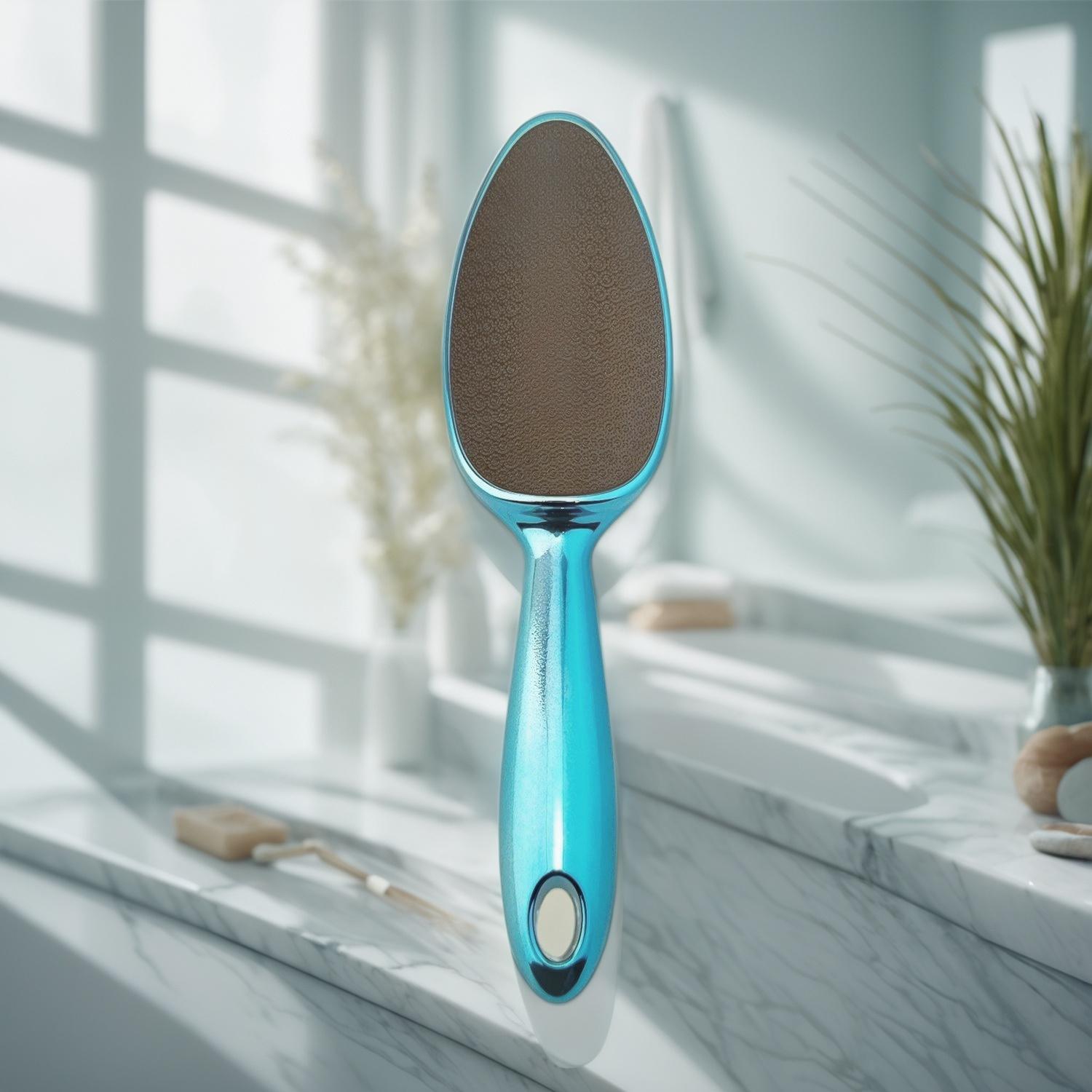
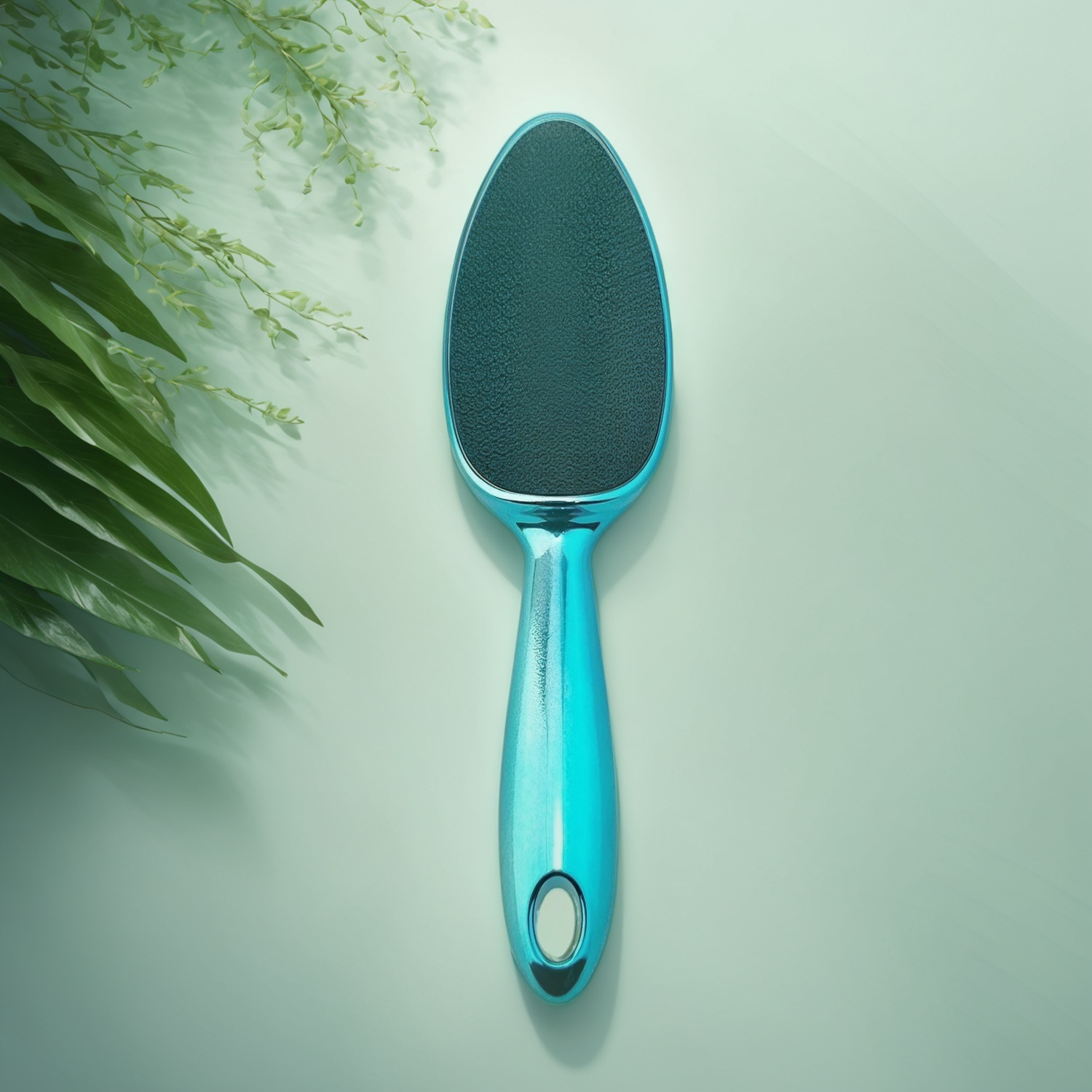
The supplied product image shows a sleek turquoise foot file with a shaped handle and an abrasive filing surface. These visible elements are important because foot care tools must be easy to recognize, easy to hold and practical for repeated use. The color and overall appearance may also matter for spas, salons or retailers that prefer a clean, coordinated foot care display.
For professional environments, a foot file should support controlled pressure without causing hand fatigue. For retail, the tool should look approachable and clearly communicate its purpose. For wholesale and brand programs, the most important factor is repeatability: each unit in the shipment should match the approved sample as closely as possible in finish, structure and basic performance.
Key Quality Points to Check Before Ordering
Because product specifications can vary by design and order requirements, buyers should create a structured inspection checklist instead of relying only on photos. A good checklist helps your team compare samples, document expectations and reduce misunderstandings before bulk production or procurement.
- Handle comfort: Confirm that the handle is easy to grip with dry hands and during typical foot care service conditions. The shape should allow steady movement without excessive wrist strain.
- Abrasive surface performance: Test whether the grit surface smooths dry skin and calluses efficiently without feeling overly harsh for the intended customer group.
- Edge finishing: Check that exposed edges are smooth and do not scratch the user’s hand or catch on packaging.
- Surface adhesion and durability: Inspect whether the filing area is firmly attached and remains stable during repeated handling and sample testing.
- Visual consistency: Compare color, shape, surface alignment and general finish across multiple samples, not just one approved unit.
- Cleaning suitability: Review how the tool will be used in your environment and whether your cleaning process is compatible with the product construction.
- Packaging fit: Make sure the file sits securely in its packaging and can withstand normal transport and shelf handling.
These checks are especially useful for businesses purchasing foot files for multi-location salons, promotional programs or retail resale. A consistent incoming standard reduces the need for last-minute sorting and helps protect customer experience.
Matching Foot Files to Your Business Model
Not every buyer needs the same type of foot file program. A spa may prioritize comfortable handling and professional presentation, while a retailer may focus more on display clarity, packaging and consumer instructions. A distributor may need a balanced option that works for multiple customer types.
Salons and spas often use foot files as part of pedicure and foot care services. In this setting, the file should support efficient smoothing and controlled use. Technicians typically prefer tools that feel balanced and do not require excessive force. If the tool is intended for repeated professional handling, test it with actual service movements rather than only holding it briefly at a desk.
Retailers should consider how the product communicates value on a shelf or online listing. A clean color, a recognizable shape and visible filing surface can help customers understand the function quickly. Packaging should protect the abrasive area and provide room for essential product information, usage guidance and any legally required labeling for the target market.
Wholesale buyers and importers should think in terms of assortment planning. Foot files may be sold alone, paired with other pedicure accessories or included in foot care kits. If you are building a broader selection, review related beauty tool products to see how foot care items can fit into a more complete beauty tools offering.
How to Compare Samples Without Relying on Guesswork
Sample evaluation should be practical and repeatable. Instead of asking only whether a sample “looks good,” define the use case and test accordingly. For example, a spa buyer can have several technicians handle the file and record feedback on grip, pressure control and perceived durability. A retail buyer can compare how the item looks in packaging and whether the product purpose is immediately clear.
The following comparison framework can help purchasing teams score samples more objectively:
| Evaluation Area | What to Review | Why It Matters |
|---|---|---|
| Grip and ergonomics | Handle shape, balance and comfort during repeated strokes | Supports technician control and reduces user frustration |
| Filing surface | Grit feel, surface alignment and smoothing efficiency | Affects treatment speed and customer satisfaction |
| Appearance | Color consistency, clean finishing and overall presentation | Influences retail appeal and brand perception |
| Packaging readiness | Fit, protection and display suitability | Reduces damage risk and improves shelf presentation |
| Batch consistency | Similarity across several samples or units | Helps prevent quality variation in bulk orders |
For online sellers, sample photography is also worth checking. A foot file with a clear color and defined shape may be easier to present in product images, but the real product must match those images closely. If your customers receive a product that looks different from the listing, even small differences can weaken trust.
Packaging, Labeling and Brand Presentation
Packaging decisions should be made early because they affect cost planning, shipping protection, display format and the customer’s first impression. A foot file may be a simple tool, but packaging can determine whether it feels appropriate for a professional salon supply shelf, a retail beauty aisle or an e-commerce shipment.
For salon supply, practical packaging may matter more than decorative presentation. Buyers may prefer easy counting, clean storage and quick access. For retail, packaging should help the customer understand the product function, use area and basic care guidance. For gift sets or foot care kits, the file should fit securely with other items so it does not rub against softer products during transport.
When planning branded presentation, avoid crowding the package with unsupported claims. Use clear, accurate wording and confirm that any statements about materials, sustainability, cruelty-free positioning or product performance are backed by your own documentation and applicable market requirements. If you are comparing product lines or building seasonal programs, Olimor’s product collections can be a useful starting point for assortment planning.
Maintenance Guidance for End Users and Service Teams
Clear maintenance guidance improves customer satisfaction and reduces misuse. The correct care process depends on the product construction and the buyer’s intended service environment, so maintenance instructions should be confirmed for the specific order. However, several general principles are useful when preparing internal training or consumer-facing copy.
- Remove loose skin residue from the filing surface after use according to the intended cleaning method.
- Allow the tool to dry thoroughly before storage when it has been exposed to moisture.
- Store foot files away from heavy tools that may bend, scratch or damage the abrasive surface.
- Replace the file when the grit surface no longer performs effectively or when the tool shows visible damage.
- For professional services, follow local hygiene rules and the salon’s established sanitation procedures.
For retail customers, simple instructions can reduce the chance of over-filing or using the tool on unsuitable skin conditions. For professional buyers, written handling guidance helps standardize service quality across staff members and locations.
Choosing a Foot File Supplier for Long-Term Programs
A reliable supplier relationship is especially important when a foot file becomes part of your recurring inventory. Beyond the first sample, consider how communication, documentation and consistency will be handled over time. Clear approval samples, written packaging requirements and practical quality checkpoints can make repeat purchases smoother.
Buyers should prepare artwork needs, target packaging format, destination market requirements and expected use scenario before finalizing an order. This allows the supplier to review feasibility and helps prevent late changes. If you need to discuss a bulk foot file project, packaging direction or broader beauty tool sourcing plan, you can send an inquiry or contact Olimor with your requirements.
A successful foot files bulk purchase depends on more than unit price. The better question is whether the product can support your service quality, retail positioning and repeat-order expectations. By checking grip comfort, filing performance, finishing, packaging and supplier communication early, salons, spas, retailers and distributors can build a foot care program that is practical, consistent and easier to scale.
Tag: