

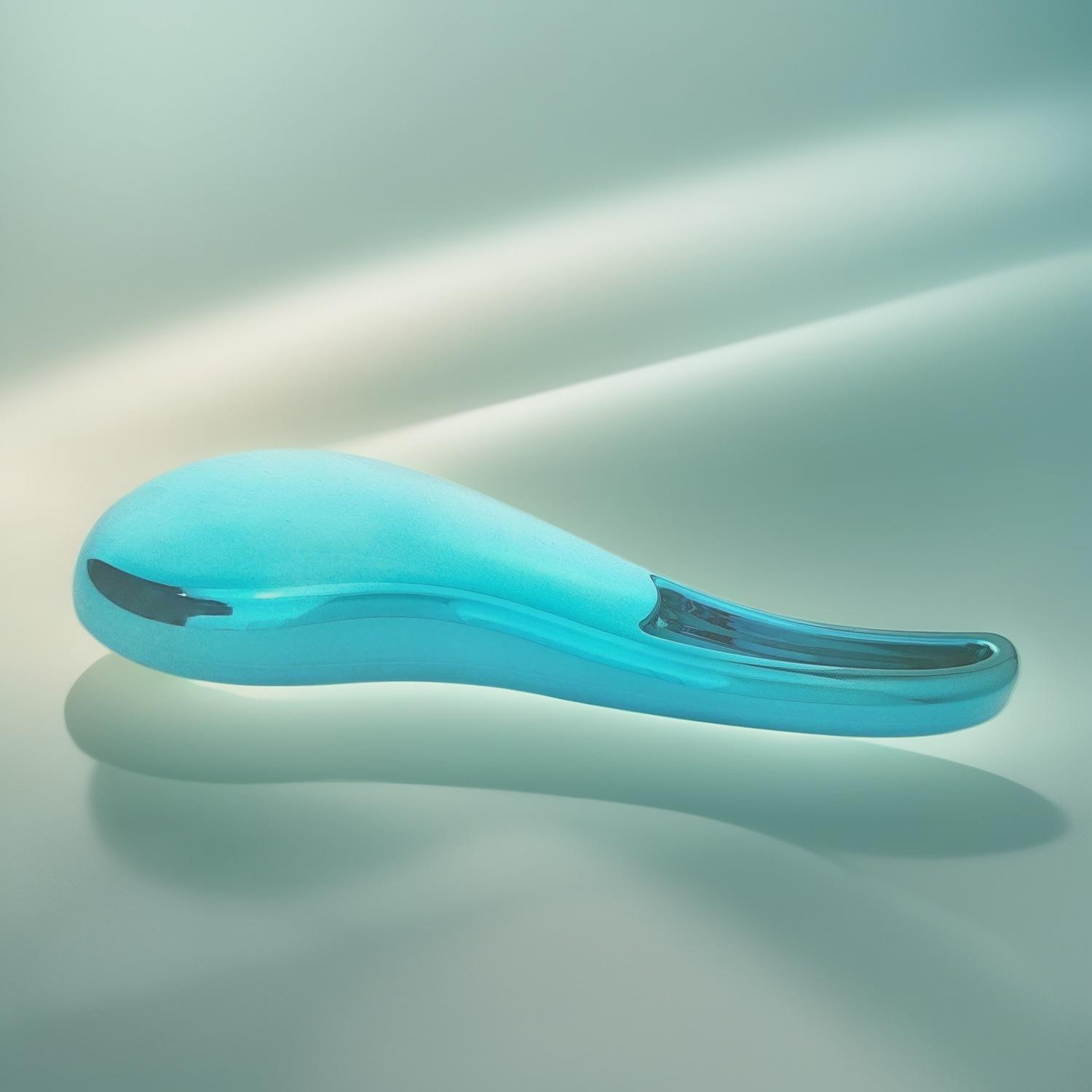
Foot Files Bulk Purchase: How to Choose Reliable Foot Care Tools for Salon and Retail Needs
Foot files are simple tools, but bulk buying them requires more thought than choosing a single item for home use. A salon, spa, retailer or personal care brand needs products that feel comfortable in the hand, work consistently on rough skin, are easy to manage between clients, and arrive with dependable quality from batch to batch. A well-planned foot files bulk purchase can help reduce per-unit cost and keep service areas or inventory shelves properly stocked, but only when the tools match the real use case.
Olimor Beauty supplies beauty and personal care tools for buyers who need practical sourcing options rather than one-off retail purchases. If you are comparing foot care tools for salon service, retail kits or OEM personal care programs, the goal is not simply to buy more pieces. The goal is to select a foot file that supports safe, efficient and repeatable foot care.
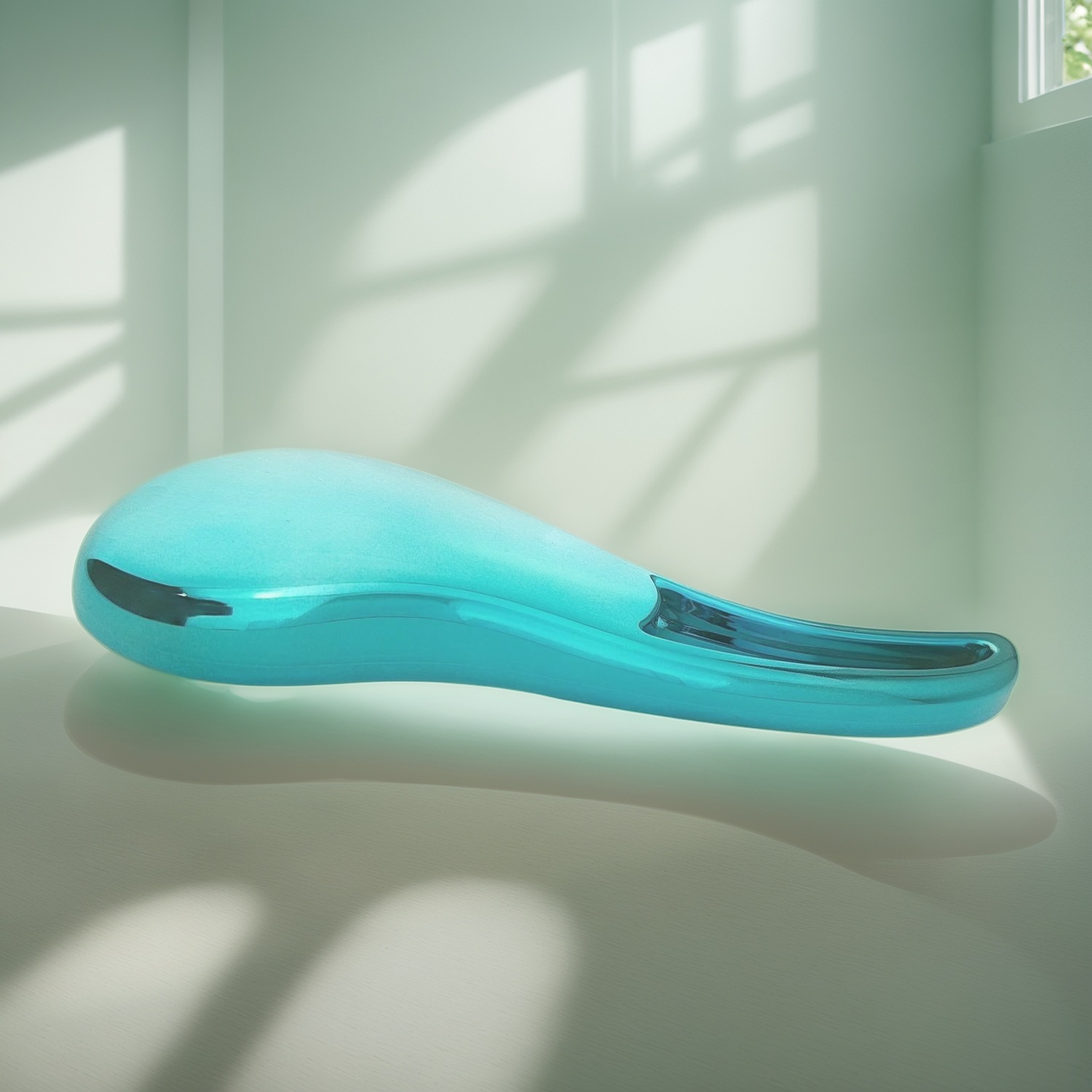
Why Foot Files Are Commonly Purchased in Bulk
Foot files are used in pedicure services, home foot care routines, spa treatment rooms and packaged personal care sets. Because they are handled frequently and may need replacement after repeated use, many businesses prefer bulk purchasing to avoid interruptions. A salon that runs regular pedicure appointments cannot afford to discover that its preferred file is out of stock during a busy week. A retailer or brand owner also needs consistent supply so that product presentation and customer experience remain stable over time.
Bulk purchasing is especially useful when a business already understands its customer profile. A high-traffic nail salon may prioritize speed, grip comfort and hygiene management. A spa may prefer a more refined tool that fits a premium treatment experience. A retailer may look for a design that is easy to display and explain to consumers. An OEM buyer may need flexibility in packaging, finish or assortment planning. These priorities affect what type of foot file is suitable.
Before comparing suppliers, estimate how the tools will be used. Consider whether they will be sold individually, placed in pedicure kits, used by staff, or included in promotional bundles. The same foot file may not be ideal for every channel. A bulk order should support your operating plan, not just fill storage space.
Key Quality Factors to Check Before Ordering
A foot file looks straightforward, but small quality differences can change the user experience. Buyers should evaluate both the working surface and the overall construction. The file should remove rough skin effectively without feeling unstable, overly harsh or difficult to control. For professional settings, comfort during repeated use is also important because technicians may handle the tool many times in a day.
Use the following checklist when assessing samples or comparing specifications:
- Abrasive performance: The filing surface should be consistent across the usable area. Uneven texture can lead to patchy results or faster wear.
- Handle comfort: The grip should feel secure in dry or slightly damp conditions. A handle that is too thin, slippery or poorly balanced can slow service work.
- Edge finishing: Check for sharp, rough or poorly finished edges that could feel uncomfortable during handling.
- Durability during repeated use: The tool should maintain its shape and surface integrity under normal foot care routines.
- Cleaning and storage practicality: Salons need tools that fit their hygiene process and can be stored without damaging the working surface.
- Batch consistency: Bulk buyers should check that multiple samples have the same feel, finish and appearance, not just one good display piece.
- Packaging suitability: Retail and OEM buyers should consider whether the product can be packed, labeled and transported without abrasion or deformation.
These checks are more useful than relying on general descriptions such as “professional quality” or “salon grade.” A buyer should be able to connect each claim to a visible or testable detail. If a foot file is meant for professional pedicure use, it needs to be comfortable for the technician and reliable for the client. If it is meant for home retail, it needs to be easy to understand, safe to hold and durable enough for repeated use.
Choosing Foot Files for Different Business Uses
Bulk buyers do not all need the same product. The best choice depends on where the foot file will be used and how the end customer expects it to perform. A practical sourcing plan starts by defining the channel clearly.
| Buyer Type | Main Priority | What to Review |
|---|---|---|
| Salons and nail studios | Consistent service performance | Grip comfort, surface consistency, cleaning process and replacement cycle |
| Spas and wellness centers | Comfort and treatment presentation | Finish quality, appearance, storage method and staff handling experience |
| Retailers | Customer clarity and shelf appeal | Packaging, product explanation, durability and consumer-friendly design |
| Personal care brands | OEM or assortment planning | Design suitability, packaging options, quality consistency and supplier communication |
| Promotional or kit buyers | Value and compatibility | Size, weight, packing efficiency and how it pairs with other foot care items |
This type of comparison helps prevent mismatched purchasing. For example, a file that works well as an affordable retail item may not be the best choice for heavy daily use in a professional salon. Likewise, a tool selected for service rooms may need different packaging if it will also be sold as a consumer product. Buyers can browse Olimor beauty tool products to consider how foot care items may fit into a broader personal care selection.
Questions to Use When Comparing OEM Personal Care Tool Suppliers
Supplier selection matters because bulk purchasing depends on repeatability. A reliable OEM personal care tools supplier should be able to discuss product function, production consistency and packing requirements in practical terms. This is especially important when sourcing from a personal care tools manufacturer in Asia, where buyers may be coordinating product details, shipping preparation and brand requirements across different markets.
Rather than focusing only on price, prepare a short evaluation list. Useful questions include:
- What foot file styles are suitable for professional service use, retail sale or kit assembly?
- How is surface consistency checked across production batches?
- What packaging formats are available for bulk cartons, retail display or branded presentation?
- How should the product be stored to protect the filing surface before use or resale?
- Can samples be reviewed for grip comfort, edge finish and abrasive performance before confirming a larger order?
- What information is needed from the buyer to match the product to the intended market?
These questions keep the discussion focused on product suitability. They also help identify whether a supplier understands the difference between a simple commodity purchase and a beauty tool program that must satisfy end users. Olimor Beauty emphasizes ergonomic design and quality assurance across its personal care tool offering, and buyers can send an inquiry when they are ready to discuss foot files or related sourcing needs.
How to Plan Quantity, Replacement and Inventory
A bulk order should be based on realistic usage. Salons can estimate demand by reviewing how many pedicure services are performed each week and how often tools are replaced under their internal hygiene and service policies. Retailers can review sales velocity, seasonal foot care demand and promotional calendars. Brand owners can map quantities to launch plans, sample programs or kit assembly schedules.
It is useful to separate three numbers: immediate operating need, safety stock and future replenishment. Immediate need covers current service or retail requirements. Safety stock protects against shipping delays or demand spikes. Future replenishment planning helps avoid ordering too late. This approach is more disciplined than placing one large order without understanding how quickly inventory will move.
Storage also matters. Foot files should be kept in a clean, dry area and organized so the filing surface is not crushed or rubbed against other items unnecessarily. For retail stock, outer cartons and inner packing should protect product presentation. For salon use, staff should be able to access new tools quickly while keeping unused stock separate from service areas.
Maintenance and User Guidance for Better Results
Even a well-made foot file performs best when used correctly. For consumer-facing products, clear usage guidance reduces confusion and supports satisfaction. For professional use, staff training helps maintain consistent service quality. Foot files are generally intended for reducing rough, dry skin on feet, not for treating medical conditions. Users with cracked, bleeding, irritated or infected skin should avoid filing the area and seek appropriate care.
Basic user guidance can include these points:
- Use gentle, controlled strokes rather than heavy pressure.
- Focus on rough areas such as heels or callused spots, avoiding sensitive or damaged skin.
- Clean the tool according to the hygiene process appropriate for the setting.
- Allow the tool to dry fully before storage when cleaning involves water.
- Replace the file when the surface becomes worn, uneven or difficult to clean.
For retailers and brands, this information can be adapted into packaging copy or inserts. For salons, it can become part of service protocol. Good guidance helps the customer understand that foot care is a regular maintenance practice, not a one-time aggressive treatment.
Building a Broader Foot Care and Beauty Tool Range
Foot files often sit within a wider beauty tools category. A buyer may also be considering pedicure accessories, skincare tools or personal care devices. The original Olimor Beauty lineup includes skincare tools such as the LuxeSkin HydroSculpt, which is positioned for skincare routines rather than foot filing. When planning a product range, keep each tool’s function clear so customers can choose the right item for the right purpose.
For retailers, grouping foot files with complementary foot care products can make the category easier to shop. For salons and spas, organizing tools by service step can help staff work efficiently. For OEM buyers, a coordinated product assortment can support a stronger brand presentation. You can review Olimor product collections to consider how foot care tools may connect with other personal care categories.
Making a Confident Bulk Purchase Decision
A successful foot files bulk purchase balances price, comfort, performance, packaging and supply reliability. The lowest unit cost is not always the best value if the tool wears too quickly, feels uncomfortable or arrives with inconsistent finishing. Likewise, a visually appealing product may not be right for salon use if it does not support repeated handling and practical cleaning.
Start with the intended user, review samples carefully, confirm packaging needs and plan inventory around real demand. Whether you operate a salon, source for a retail program or develop an OEM personal care line, these steps make the purchasing decision clearer. For product questions or sourcing discussions, buyers can contact Olimor to explore suitable beauty and personal care tool options.
Tag: