

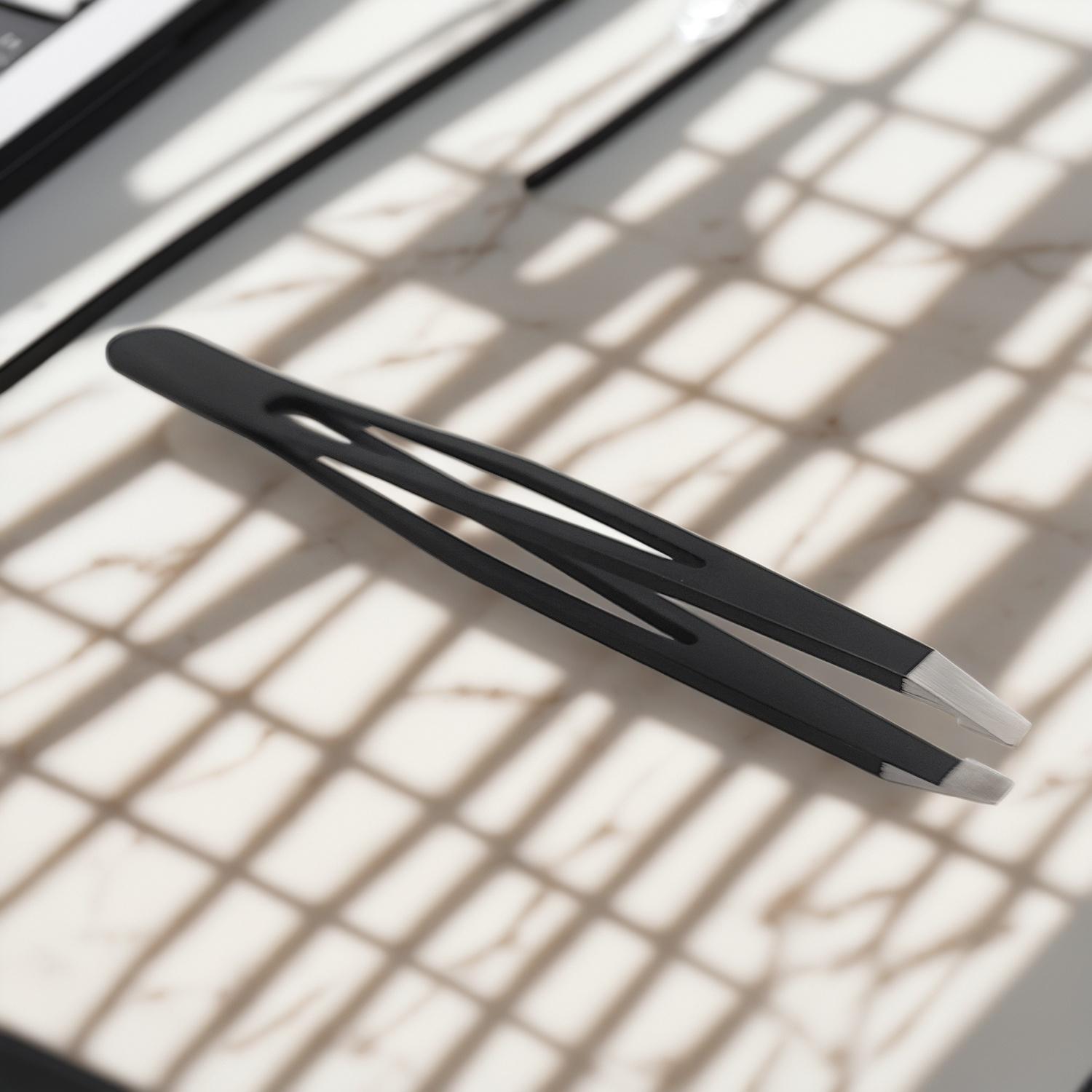
How to Choose a Precision Tweezers Supplier
For beauty brands, salons, wholesalers, and private-label teams, tweezers are small tools with a large quality burden. Customers may overlook simple packaging, but they immediately notice uneven tips, rough edges, weak grip, or tension that feels too stiff. That is why choosing a tweezers supplier is not only a purchasing decision. It is a product quality decision that affects customer trust, repeat orders, and the credibility of your grooming tool range.
Olimor Beauty supplies beauty tools for professional and retail use, including stainless steel precision tweezers, ergonomic styles, and OEM options for branded programs. If you are evaluating a wholesale partner or planning a new product line, the right approach is to look beyond price and compare the details that affect real use: tip alignment, spring tension, finish quality, packaging protection, and the supplier’s ability to support consistent reorders. You can review the product range while you compare those factors.
What buyers are really evaluating in a tweezer supplier
A reliable supplier should reduce uncertainty. The first question is not whether the tweezers look attractive in a photo, but whether they will work the same way from sample to shipment to reorder. That matters because precision tweezers are judged by performance in the hand. The two arms must align cleanly. The tips must close without a visible gap. The grip should feel controlled rather than slippery. The surface should be smooth enough for comfortable handling, while the working tip must be finished carefully enough for accurate hair removal or detail work.
For retailers, the product also has to look ready for display. For salons, the tool must support daily use without becoming tiring or inconsistent. For distributors and OEM buyers, repeatability matters most: the same standard should be available again when the next order is placed. A supplier that understands the broader beauty tool category is often better prepared to support assortment planning and long-term procurement. Buyers comparing ranges can also explore the broader collection to see how tweezers fit alongside grooming kits, manicure tools, and other personal care accessories.
Core product details that separate a good sample from a dependable tool
When evaluating tweezers, start with the working end. A sample can look polished and still fail in use. The details below are the ones buyers should inspect under good light and, ideally, with the actual end-use task in mind.
Tip alignment
The tips should meet evenly from edge to edge without crossing, twisting, or leaving a visible gap. Even a small mismatch can make the tool miss fine hair or require repeated attempts. For brow shaping and detailed grooming, alignment is one of the most important inspection points.
Grip accuracy
Test the tweezers with realistic tasks such as fine hair, thread, or thin fibers. A good tool should hold securely without slipping. In lash-related work, the gripping area needs to support delicate placement and controlled pickup. In brow work, the tips should meet closely enough for clean removal.
Tension and spring-back
The arms should spring back naturally. If the tool is too rigid, the hand tires quickly. If it is too loose, the tool feels unstable and imprecise. The best tension is firm enough to provide control but not so strong that repeated use becomes uncomfortable.
Surface finish and edge comfort
Check for scratches, burrs, discoloration, uneven coating, or rough areas where fingers rest. Finish quality affects both comfort and presentation. A smooth exterior supports a more professional feel, while carefully finished working edges support precise use.
Consistency across multiple pieces
Do not approve a supplier based on one attractive sample. Review several pieces from the same batch or sample set. Consistency is a better sign of production control than a single perfect tool.
Material, size, and use case: choosing the right tweezer format
Stainless steel is commonly used for beauty tweezers because it supports durability, a clean appearance, and practical handling in grooming environments. The supplied product descriptions for Olimor’s tweezers highlight stainless steel construction and describe some models as corrosion-resistant or rust-resistant. Buyers should treat that as part of the product description and still verify the exact material specification, finish, and care expectations for their project.
Ergonomics also matter. A comfortable tweezer can reduce hand strain for brow technicians, lash artists, and consumers who use the tool often. Some Olimor styles are described as ergonomic or compact, including a slim 95 mm by 10 mm format and a compact 3.5-inch design. Those dimensions are useful because they suggest a balanced tool for pouch storage, daily kits, and detail work. A buyer should still judge whether the length, width, and handle feel match the intended use case.
Tip style should also match the job. Slanted tips are often practical for eyebrow shaping because they offer a useful balance between visibility and grip. Pointed tips may suit fine detail work. Curved or specialty tips can help with particular grooming tasks. The right answer depends on whether the end user is a home-grooming customer, a salon professional, or a retailer building a mixed assortment.
Wholesale and OEM suppliers need more than a product photo
Wholesale tweezers sourcing is different from buying a few tools for personal use. Business buyers need a product that works for the end user and also fits inventory planning, merchandising, packaging, and margin requirements. A salon may prioritize daily performance. A retail brand may focus on visual appeal and reorder stability. A distributor may care most about whether the supplier can maintain consistent quality across multiple purchase cycles.
OEM buyers should also think in terms of a written specification, not only a visual sample. That specification may include the tweezer type, finish preference, packaging format, logo position, inspection points, and intended customer segment. The clearer the brief, the easier it is to compare suppliers on the same basis.
Olimor Beauty describes OEM support for beauty tools and customization options such as material selection, shape decisions, finish choices, and personalized details like engraving or grip changes, depending on the project scope. Those choices can be helpful, but they should always support use, not distract from it. A decorative change should not make the handle uncomfortable. A new coating should not create rough edges. Packaging should protect the tips, especially on precision or tapered designs.
How to compare suppliers before placing a bulk order
The best buying process is structured and repeatable. Use the same review method for every supplier so your decision is based on evidence rather than appearance. If you are comparing several vendors, a simple checklist helps keep the process objective.
| Evaluation area | What to check | Why it matters | Best use case |
|---|---|---|---|
| Tip alignment | Close the tips gently and inspect contact along the working edge. | Misalignment reduces accuracy and causes slipping. | Brow shaping, fine hair removal, lash pickup |
| Grip performance | Test with fine hair, thread, or another realistic small target. | Shows whether the tweezer can hold securely without repeated attempts. | Salon work, personal grooming, retail kits |
| Spring tension | Open and close the tool several times in a row. | Too much tension causes fatigue; too little reduces control. | Frequent-use professional settings |
| Surface finish | Look for scratches, burrs, uneven coating, or visible marks. | Finish influences comfort, perceived value, and presentation. | Private label, retail display, gift sets |
| Packaging protection | Check whether the tips are shielded or held securely in place. | Precision tips can bend or lose accuracy in transit. | Wholesale shipping, e-commerce, kits |
| Batch consistency | Compare multiple samples rather than approving only one. | A single good sample does not prove production stability. | Reorderable lines, OEM projects |
| Customization fit | Confirm logo, finish, and packaging details before production. | Branding should support usability, not interfere with it. | Private label, salon branding, promotions |
Quality control questions worth asking a supplier
A dependable tweezers manufacturer should be able to explain how it controls the steps that affect performance. Buyers do not need exaggerated claims. They do need clear answers about how the tool is formed, finished, checked, and packed.
- How are tip alignment and closing contact inspected?
- What checks are used for tension, edge comfort, and surface finish?
- How are defects handled before packaging?
- How is the product protected during storage and shipping?
- What sample reference should be used when reordering?
Olimor Beauty’s product descriptions note inspection from raw materials through packaging. For tweezers, that type of process is important because small flaws can become customer complaints very quickly. A buyer should still ask for the exact documents, inspection notes, and approval references that apply to the specific order.
If your project needs formal quality documentation, buyers often ask suppliers for records that align with relevant quality-system expectations such as ISO 9001 or other applicable local requirements. Verify the current version and the supplier paperwork for your market, and do not assume that a general quality reference covers every product or destination.
Low MOQ, reorder planning, and inventory risk
Lower order quantities can be useful for emerging beauty brands, boutique retailers, promotional projects, and salons testing a new retail shelf. A low MOQ approach can reduce inventory risk while you validate demand, packaging direction, or finish options. But lower quantity does not mean lower standards. The sample still needs to be tested carefully, the specification still needs to be written down, and the packaging still needs to protect the tips.
If you plan to reorder, treat the first purchase as the base for a longer supply relationship. Keep the approved sample reference, finish notes, packaging details, and inspection criteria together. That makes the next order more consistent and reduces back-and-forth.
Olimor Beauty notes flexibility for businesses of different sizes, including low MOQ support on some projects. Because requirements can vary by style, finish, and packaging, the best next step is to prepare a clear brief before you reach out. If you already know the intended use, target market, and packaging needs, you can send a project inquiry with more useful detail. For direct discussion, contact the team with your product brief.
When a supplier is the right fit
You have likely found a suitable tweezers supplier when the conversation feels specific, not vague. The supplier should be able to discuss tip shape, material, finish, ergonomics, packaging, and inspection without relying on broad promises. They should understand the difference between a salon tool, a retail item, and an OEM product line. They should also be able to support sampling and repeat orders in a controlled way.
For buyers building a beauty-tool assortment, the best supplier is usually the one that can help you make the product easier to use, easier to merchandise, and easier to reorder. That is what turns a small grooming tool into a dependable part of your brand.
FAQ
Can I request samples before a bulk order?
Yes. Sample review is one of the most important steps in choosing a tweezers supplier. Test tip alignment, tension, finish, and grip performance before approving a larger order.
What should I confirm about MOQ?
Ask whether the supplier can support a quantity that fits your launch or test program. The right MOQ depends on the product style, finish, packaging, and overall project scope.
What customization options are useful for OEM tweezers?
Common project decisions include tip style, surface finish, handle feel, logo placement, engraving, and packaging format. Customization should improve the product for the intended user.
How do I judge quality if I am not a technician?
Use a simple checklist: do the tips meet evenly, does the tool grip fine material cleanly, does it feel comfortable in the hand, and does the finish look consistent across samples?
What lead time or delivery time should I expect?
Lead time depends on the exact product, customization level, packaging, and order size. Confirm timing directly with the supplier for your specific project rather than assuming a standard schedule.
Tag: