

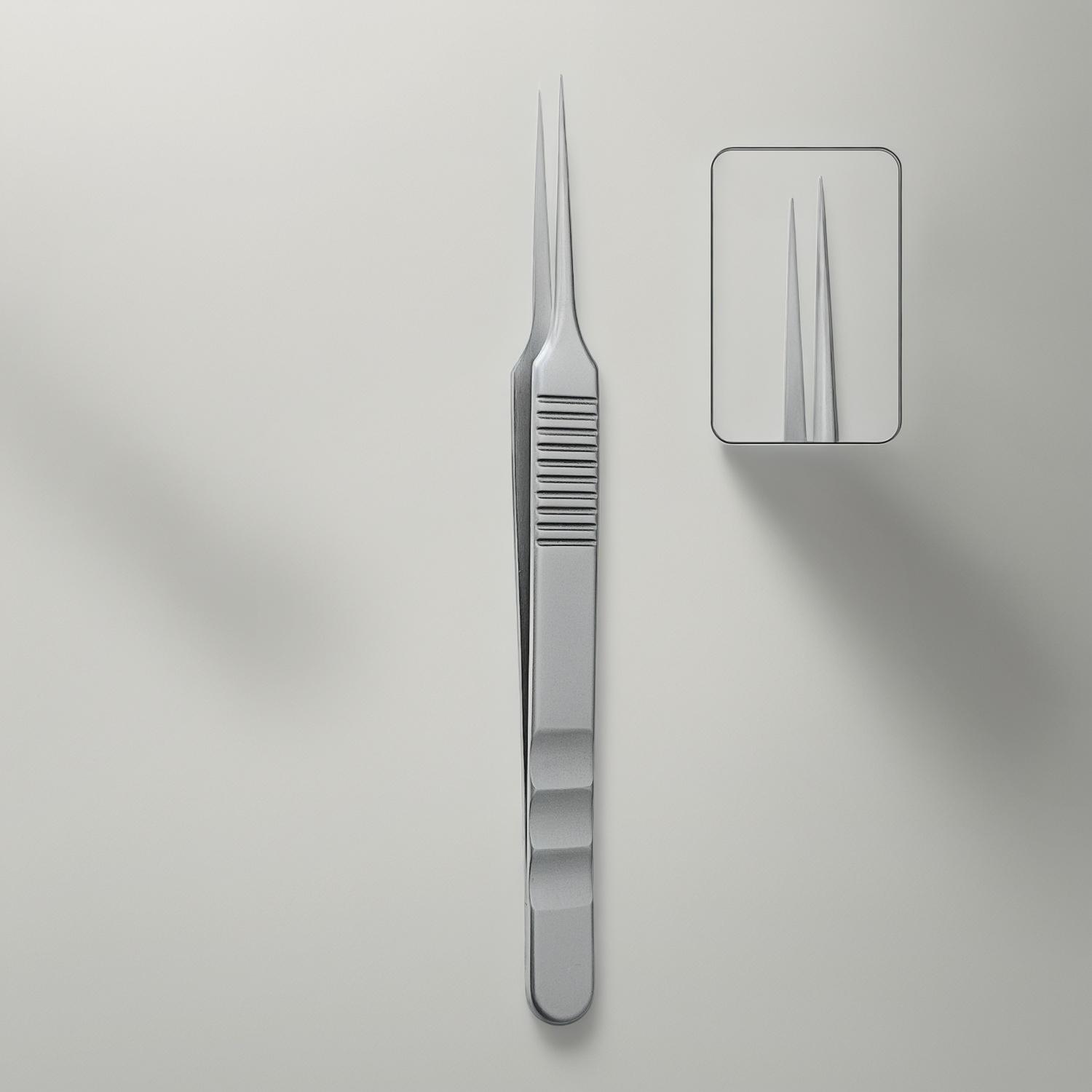
How to Choose a Tweezers Manufacturer in China for Bulk Beauty Tool Sourcing
Choosing a tweezers manufacturer in China is not only a unit-price decision. For beauty brands, salons, distributors, grooming retailers and private-label buyers, tweezers are small tools that directly affect customer trust. A tweezer that grips cleanly, closes evenly and feels controlled can support repeat sales. A tweezer with misaligned tips, rough edges, weak tension or poor packaging can quickly create complaints and damage a product range.
The right sourcing decision starts with one question: will the supplier consistently manufacture the tweezer your customer actually needs? Olimor manufactures beauty tools for professional and commercial buyers, including stainless steel tweezers designed for precise grooming use, ergonomic handling and controlled inspection through production and packing. This guide explains how to compare wholesale tweezers suppliers, evaluate samples, ask useful B2B sourcing questions and avoid common bulk-order problems without relying only on catalog photos.
Start with the Tweezer Use Case Before Comparing Quotes
A good tweezers manufacturer should help you match the tool to the end user. Before discussing packaging, order quantity or customization, define the exact use case. Eyebrow shaping, fine hair removal, lash work, nail art placement, splinter removal and travel grooming kits each place different demands on tip shape, grip comfort and packaging protection.
For eyebrow grooming, buyers usually look for controlled spring tension, aligned tips and a comfortable grip for repeated small movements. For fine hair removal, finely tapered pointed tips may be preferred because they help isolate small hairs. For salon kits, consistency from piece to piece is critical because multiple technicians may use the same style of tool. For retail beauty sets, the tool must work well and also look clean in its packaging. For promotional or travel kits, durability during storage and transport becomes especially important.
If you are building a wider assortment, review related Olimor beauty tool products and define the role of each item in the range. This prevents a common sourcing mistake: choosing a tweezer because it looks attractive in a sample photo but does not match the customer’s daily use.
Why Stainless Steel and Finishing Matter
Stainless steel is commonly selected for tweezers because it supports a clean appearance, stable structure, durability and resistance to rust when properly maintained. Olimor’s tweezers are made with stainless steel for beauty and grooming applications, where the tool may be stored in bathrooms, salon stations, makeup bags or retail kits.
For bulk buyers, material quality is not only a technical detail. It affects how the tweezer feels in the hand, how the finish appears on shelf, and how confidently a customer uses the product. Weak construction, uneven polishing, sharp side edges or visible tool marks can make a tweezer feel low quality even if the general shape is correct.
When evaluating a supplier, ask how the intended stainless steel construction, surface finish and edge finishing are controlled. Do not rely only on the phrase “stainless steel.” Check whether samples feel smooth, whether the arms are balanced rather than flimsy, whether the finish is visually consistent, and whether edges are comfortable during repeated squeezing. These details influence both product performance and perceived brand value.
Tip Precision Is the Main Performance Test
The tip is the working part of the tweezer, and it is where many quality problems appear. If the two sides do not meet evenly, the tweezer may slip on fine hairs. If the tips are polished unevenly or rounded too much, accuracy suffers. If fine points are left jagged or poorly finished, the tool may feel unsafe or uncomfortable for beauty use.
For stainless steel fine point tweezers, buyers should inspect tip alignment under bright light. Close the tweezer slowly and check from the front and the side. The tips should meet symmetrically without visible gaps, crossing or twisting. The tool should grip small hairs or comparable fine fibers without requiring excessive pressure. It should also open smoothly after each squeeze.
A single good sample is not enough for wholesale sourcing. Request enough samples to compare repeat consistency, then test more than one piece. Open and close the tweezers repeatedly, inspect the tips, and check whether grip strength feels predictable across the sample group. Bulk orders should match the approved sample as closely as possible, so sample evaluation must focus on repeatability, not just first impression.
Grip, Tension and Ergonomics Affect Daily Use
Many buyers focus on the tip and overlook the body of the tool. A tweezer must be comfortable enough for controlled use, especially for brow grooming, salon use or any detailed work performed many times a day. Olimor emphasizes ergonomic handling and textured grip features intended to support better control and reduce hand fatigue during repeated movements.
During sample review, hold the tweezer the way an end customer would. Check whether the grip feels secure with dry fingers and with light cosmetic residue. Squeeze repeatedly to see whether the spring tension feels too stiff, too loose or appropriately controlled. A stiff tweezer can fatigue the hand, while weak tension can make precise gripping more difficult.
Grip texture should add control without creating sharpness or discomfort. Decoration should not be prioritized over handling. A beautiful finish cannot compensate for poor closure, rough edges or unstable tension. For private-label and retail programs, a tool that feels stable, smooth and well controlled will often create a stronger first-use impression than one selected only for appearance.
What a Reliable Tweezers Manufacturer Should Control
A reliable tweezers manufacturer does not treat quality control as a final visual check only. For precision beauty tools, quality should be built into the production flow from material preparation through shaping, tip finishing, tension control, surface finishing, inspection and packaging. Olimor applies quality checks from raw materials to final packaging, which is especially important for fine point tools where small deviations affect performance.
When comparing suppliers, focus on process control rather than broad claims. A practical manufacturer should be able to explain how alignment is checked, how rough or defective pieces are handled, how finished tweezers are protected before shipment, and how packaging is prepared to reduce tip damage during transport.
| Evaluation Area | What Buyers Should Check | Why It Matters |
|---|---|---|
| Material and construction | Confirm stainless steel construction, surface expectations and hand feel across samples. | Material affects durability, rust resistance, finish quality and brand perception. |
| Tip alignment | Check that both sides meet evenly without gaps, twisting or uneven contact. | Poor alignment is the most common reason tweezers fail to grip fine hairs. |
| Tip finishing | Look for clean points without burrs, jagged edges or unsafe roughness. | Fine tips must be accurate while remaining suitable for beauty use. |
| Tension and grip | Open and close multiple samples repeatedly to compare resistance and comfort. | Balanced tension improves control and reduces fatigue during repeated use. |
| Surface finishing | Inspect polishing, coating consistency, edge smoothness and visible tool marks. | Finishing influences comfort, retail presentation and perceived value. |
| Packaging protection | Confirm how tips are protected in bulk, retail-ready or customized packaging. | Fine points can be damaged during shipping if packaging is not planned well. |
| Final inspection | Ask which functional, visual and packaging defects are checked before shipment. | Inspection discipline helps bulk orders stay close to the approved sample. |
How to Evaluate Samples Before a Bulk Order
Samples should be tested in conditions similar to the final use. A tweezer may look acceptable in a product image but fail when handling short, fine or stubborn hairs. Create a simple score sheet so the final decision is not based only on price or appearance.
- Inspect the tips under bright light. Close the tweezer slowly and check whether the tips meet evenly from the front and side.
- Test fine-hair pickup. Use short and fine hairs or comparable fine fibers, not only thicker materials. The tweezer should grip without excessive squeezing.
- Check skin-contact comfort. The closed tip should feel precise, not jagged or scratchy.
- Open and close repeatedly. Repeated movement reveals whether tension feels stable and whether the arms flex evenly.
- Review the finish. Look for discoloration, rough side edges, uneven polishing, coating inconsistency or visible tool marks.
- Review packaging protection. Make sure fine points are not likely to bend, rub against hard surfaces or become damaged during shipping and handling.
If you are comparing several product types together, use the Olimor product collections as a reference point for planning a coordinated beauty tool assortment. Matching finish, packaging style and product function across a range can make wholesale sourcing more efficient.
Wholesale Tweezers Cost Factors Beyond Unit Price
For B2B buyers, the lowest quoted unit price is not always the lowest total sourcing cost. Tweezers are precision tools, so poor alignment, inconsistent finishing or weak packaging can create hidden costs through returns, repacking, customer service problems and brand damage.
Key cost factors include the tweezer shape, tip type, surface finish, grip texture, packaging format, customization requirements, inspection expectations and order planning. Fine point designs may require more careful tip protection than general grooming tweezers. Retail-ready packaging may require more coordination than bulk packing. Custom color, logo or presentation requirements can also affect preparation and communication, even when the base tweezer is similar.
Buyers should ask for a quotation based on a clear brief instead of a vague request for “high quality tweezers.” Include the intended use, target channel, preferred finish, packaging needs, inspection priorities, labeling requirements and expected reorder pattern. Clear specifications help the manufacturer quote more accurately and reduce misunderstanding before production.
Bulk Sourcing Questions That Prevent Problems
Before placing a bulk order, discuss practical production and supply questions. The goal is not to collect impressive claims; it is to understand how the supplier will protect consistency from sample approval to final shipment.
- What tweezer style best matches the end user? Slant tips, pointed tips and fine point tweezers serve different grooming needs.
- How is tip alignment checked? Ask how the supplier identifies visible gaps, twisting, poor closure or uneven tip contact.
- How is tension controlled? Confirm that multiple pieces are checked for closing resistance and smooth reopening.
- How are rough edges and surface defects handled? Finishing quality affects comfort and retail appearance.
- How will the tips be protected? Packaging should match bulk shipping, retail shelf display or kit assembly needs.
- Can the approved sample be used as a production reference? A clear reference helps both sides judge consistency.
- What customization options are realistic? Discuss logo, finish, packaging and presentation needs without assuming every detail is available for every order size.
Some buyers also use public standards as part of their internal supplier evaluation. For example, ISO 9001 is a widely known quality management standard, and ISO 2859-1 is often referenced for sampling inspection plans. These standards may be useful discussion points, but buyers should verify the applicable version, scope and supplier documentation directly. Do not assume a supplier holds any certification unless it provides valid documentation for the exact entity and scope being evaluated.
Supplier Evaluation Checklist for Private Label and Distribution Buyers
A dependable wholesale tweezers supplier should make sourcing simpler, not more uncertain. Direct communication with a manufacturer can be useful because product questions, sample feedback and production adjustments are handled closer to the source. This is especially valuable when the product will carry your brand name in a retail, salon or e-commerce environment.
Use this checklist before approving a supplier
- The supplier understands the final use case and recommends a suitable tweezer style.
- Samples are checked for tip alignment, grip performance, finish and packaging protection.
- The approved sample and expected finish are clearly documented.
- Functional defects, visual defects and packaging defects are defined before production.
- The supplier can explain inspection steps from material preparation to final packing.
- Packaging requirements protect the tips during transport and match the selling channel.
- Customization details are confirmed before order approval, including logo, finish or retail presentation if required.
- Communication is clear enough to support repeat orders, not only one shipment.
If you are preparing a new brow tool line, salon kit or private-label grooming accessory range, you can send product requirements through the Olimor inquiry page. Share the tweezer style, target customer, preferred packaging and any customization needs so the discussion starts with practical specifications rather than guesswork.
When Olimor Is a Good Fit for Tweezers Sourcing
Olimor is a practical option for buyers who need stainless steel tweezers for wholesale beauty tool programs and want to discuss product details directly with a manufacturer. The main fit is for brands and distributors that care about tip precision, ergonomic handling, consistent finishing, packaging preparation and quality checks before shipment.
Olimor may be especially relevant if you are sourcing tweezers as part of a coordinated beauty tool assortment, building a private-label grooming line, preparing retail-ready accessories, or comparing supplier options for repeat orders. The best next step is to prepare a clear brief and request sample discussion before committing to bulk production.
For commercial sourcing support, contact Olimor through the contact page with your intended use case, packaging expectations and customization questions. A focused brief helps the team respond with relevant product options and realistic next steps.
FAQ: Buying Wholesale Tweezers from a Manufacturer
Can I request samples before placing a bulk tweezers order?
Yes. Samples are important because tweezers must be checked by hand for tip alignment, grip control, tension, finishing and packaging protection. Buyers should test more than one piece whenever possible to understand consistency.
Does Olimor offer customization for private-label tweezers?
Customization may be discussed based on the tweezer style, finish, packaging and branding requirements. Buyers should provide artwork, packaging expectations and sales channel details early so feasibility can be reviewed before production planning.
What MOQ should I expect for wholesale tweezers?
MOQ depends on the product style, customization level, packaging format and production plan. Buyers should confirm the current MOQ directly with Olimor for the specific item and requirements rather than relying on a general number.
What quality checks should be confirmed before shipment?
Key checks include stainless steel construction, tip alignment, tip finish, closing tension, surface smoothness, visual consistency and packaging protection. Buyers should define acceptable and unacceptable defects before production begins.
How should lead time be discussed with a tweezers supplier?
Lead time can vary by order quantity, customization, packaging preparation and production schedule. Confirm timing after the sample, artwork, packaging and order details are clear, and ask the supplier to identify any approval steps that may affect the schedule.
Tag: