

How to Find a Reliable Beauty Tools Supplier in China
Choosing a beauty tools supplier in China is not just a sourcing task. It affects product quality, packaging presentation, delivery reliability, customer reviews and the long-term reputation of your brand. For beauty brands, salon distributors, retailers and e-commerce sellers, the right partner should be able to understand the intended use of the tools, control repeat production quality and communicate clearly before, during and after sampling.
China remains a major sourcing destination for beauty and grooming tools because of its broad manufacturing base, access to components, flexible production options and experience with export orders. However, supplier quality varies. A low unit price does not always mean a lower total cost if samples are inconsistent, packaging is weak, timelines are unclear or finished goods need rework. A better approach is to evaluate suppliers through a structured process that looks at product fit, customization ability, quality control, order management and transparency.
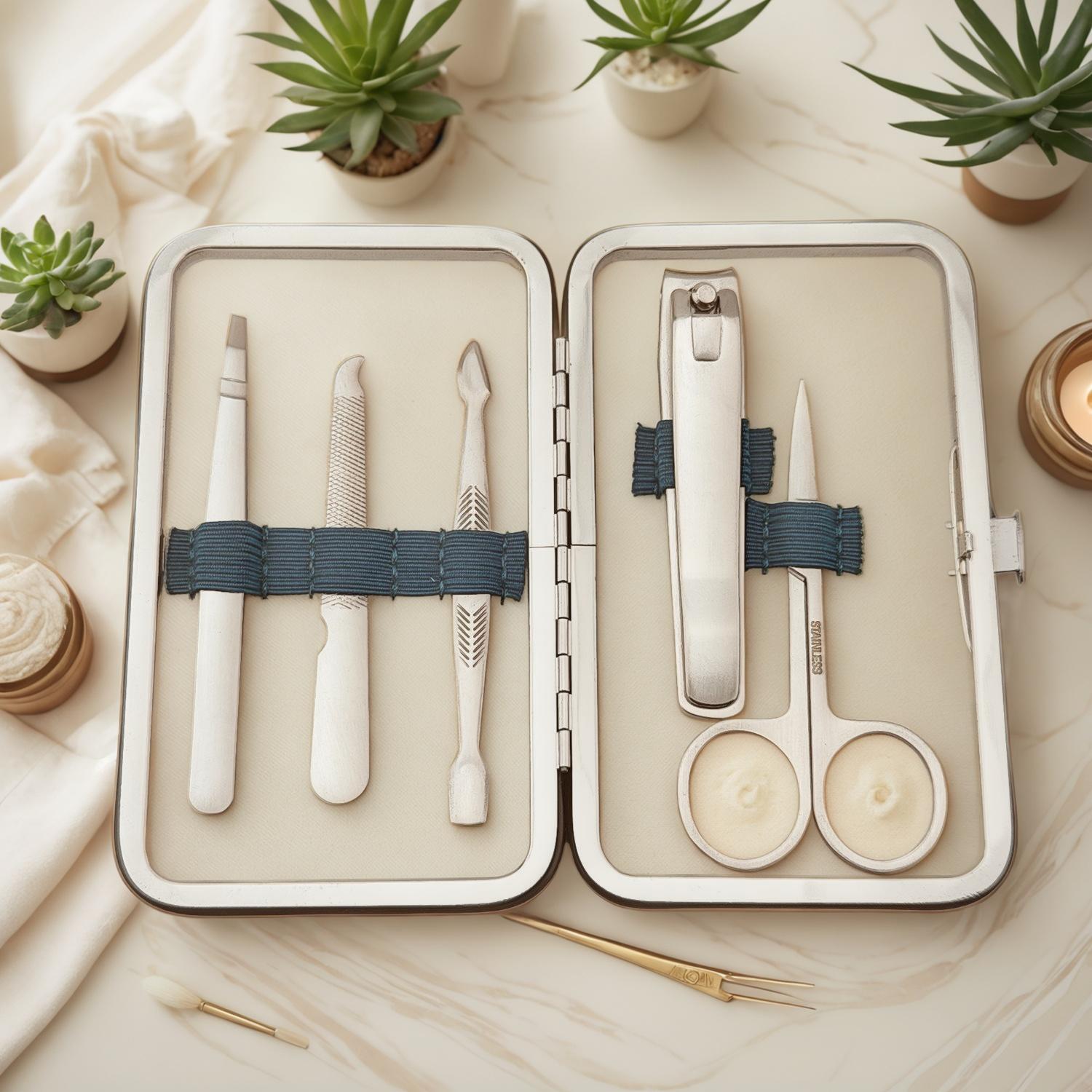
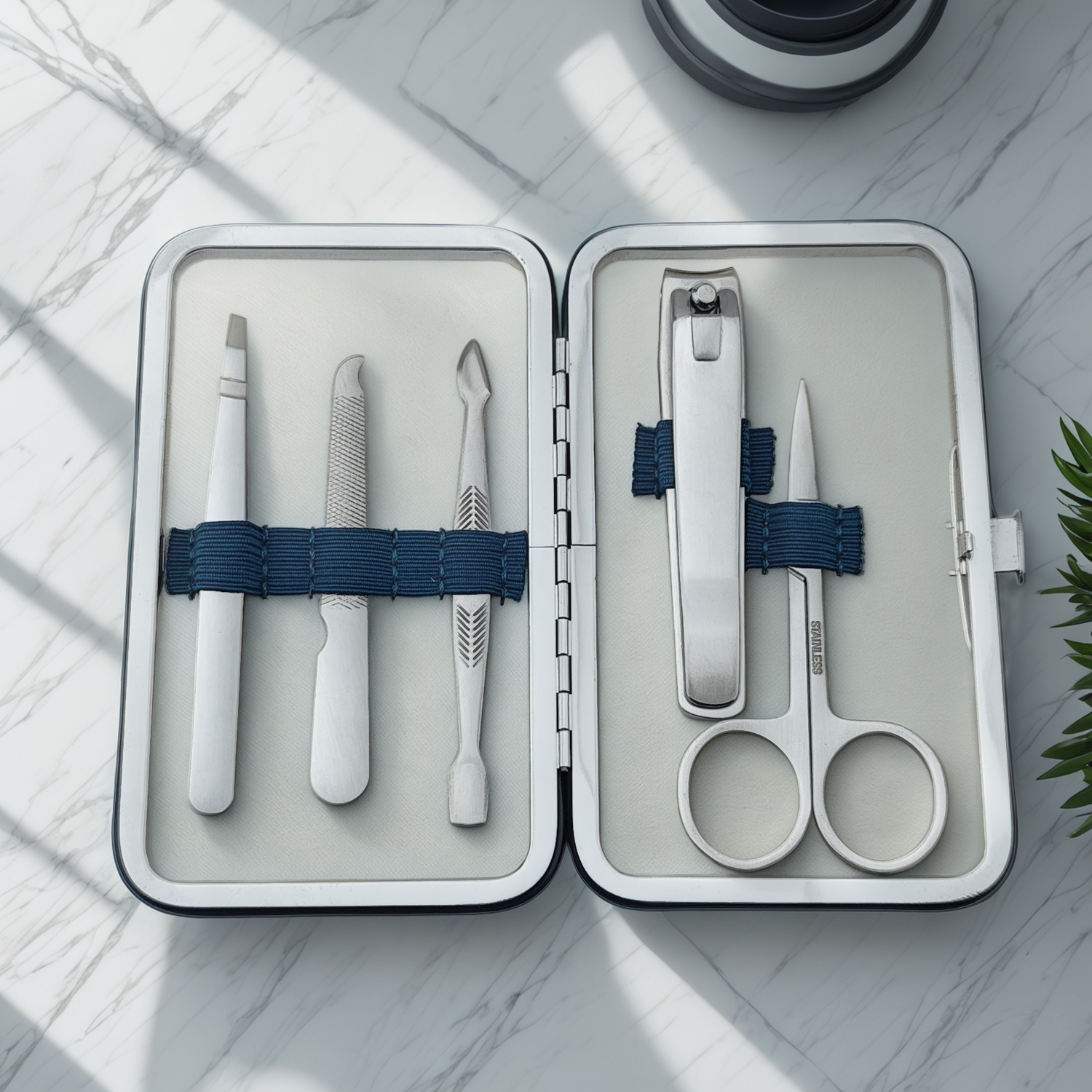
Olimor Beauty works in the beauty tools field and understands that buyers often need more than a catalog item. Some buyers want ready-to-order grooming tools for wholesale distribution, while others need custom beauty tools aligned with a private label or market-specific retail concept. Before comparing options, browse available beauty tool products to define the types of tools, finishes and packaging directions that match your target customer.
Start by Defining the Product and Market Fit
The first step is not asking for the cheapest quotation. It is clarifying what the tool must do, who will use it and how it will be sold. A salon-focused buyer may prioritize professional handling, durability and consistent performance. A retail buyer may care more about appearance, packaging, shelf display and repeat consumer satisfaction. An online seller may need compact packaging, clear product descriptions and fewer after-sales issues.
Create a sourcing brief before contacting suppliers. This does not need to be complicated, but it should be specific enough to prevent misunderstandings. Include the product category, expected user, target retail channel, packaging preference, any custom branding needs and whether you are sourcing for a trial order, seasonal promotion or long-term wholesale program.
- Product type: Identify the exact beauty or grooming tool category you need instead of using a broad term such as “beauty accessories.”
- Target audience: Define whether the tool is for professional, retail, travel, beginner or daily home use.
- Brand position: Decide whether your market expects simple practical tools, premium-looking finishes or custom packaging.
- Sales channel: Consider whether the product must work for salons, distributors, boutiques, marketplaces or promotional kits.
- Order purpose: Separate sampling, launch orders and ongoing bulk purchase grooming tools programs.
A supplier can respond more accurately when the project is clearly framed. This also helps you compare quotations fairly, because each supplier is responding to the same requirements.
Evaluate Manufacturing Capability, Not Just a Product List
A product list can show what a supplier sells, but it does not prove whether the supplier can support your order consistently. When comparing a beauty tools supplier in China, look for evidence of process control, sample consistency, packaging coordination and ability to explain production steps. A reliable supplier should be able to discuss practical questions: how samples are confirmed, how appearance differences are handled, how packaging artwork is checked and how pre-shipment inspection is arranged.
For custom beauty tools, manufacturing capability becomes even more important. Customization may involve color, finish, logo placement, handle shape, packaging, sets or retail presentation. Each additional custom element creates another point where mistakes can happen. The supplier should help you confirm which parts of the design are practical for production and which choices may affect lead time, cost or quality consistency.
When reviewing suppliers, consider these capability indicators:
- Sample discipline: The supplier can provide samples or pre-production confirmation steps before bulk production.
- Clear customization boundaries: The supplier explains what can be customized and what should remain standard for reliable production.
- Packaging coordination: The supplier can work with your packaging requirements and confirm artwork details before mass production.
- Repeat order consistency: The supplier understands the importance of matching future orders to approved samples.
- Communication records: Specifications, colors, logos, quantities and packaging instructions are documented rather than handled only through informal messages.
If you are still comparing categories, review product collections to identify whether you need individual tools, grooming sets or a broader beauty accessories range.
Build a Quality Checklist Before You Approve Samples
Quality is often discussed in general terms, but buyers need a checklist that matches the product. A grooming tool may need stable construction, smooth edges, reliable finish, balanced handling and protective packaging. A visually attractive sample is useful, but it should also be checked for comfort, safety of contact surfaces, packaging fit and consistency between pieces.
Before approving any sample, inspect it as both a buyer and an end user. Does it feel comfortable in the hand? Are there sharp or rough areas where there should not be? Is the logo placement clean? Does the color match your expectation under normal lighting? Is the packaging strong enough for your sales channel? If the product will be sold online, consider whether the item can arrive in acceptable condition after handling and shipping.
| Evaluation area | What to check | Why it matters |
|---|---|---|
| Function | Tool performance, comfort and intended use | Prevents customer complaints after purchase |
| Appearance | Color, finish, surface marks and logo clarity | Supports retail presentation and brand trust |
| Consistency | Differences between multiple sample pieces | Shows whether bulk production may vary |
| Packaging | Fit, protection, labeling and artwork accuracy | Reduces damage and presentation issues |
| Documentation | Confirmed specifications and approved sample notes | Creates a reference for production and inspection |
Do not approve a sample only because it looks close enough. If changes are required, list them clearly and confirm whether a revised sample or written production confirmation is needed. This is especially important when placing bulk purchase grooming tools orders, where a small misunderstanding can be multiplied across a large quantity.
Understand Customization Options and Their Trade-Offs
Customization can help your products stand out, but it should be managed carefully. Many buyers begin with a broad idea such as a custom color, private label logo or branded set. The supplier’s role is to translate that idea into a practical production plan. The buyer’s role is to make decisions early and keep the approved details stable once production begins.
Common customization decisions include product color, surface finish, logo method, packaging structure, insert cards, labels and set composition. Each decision should be reviewed for visual effect, durability, cost impact and production risk. For example, a finish that looks attractive in a digital rendering may look different on a physical sample. A logo placement may be possible, but not ideal if the surface is curved, narrow or textured. Packaging may look premium but require stronger protection depending on shipping conditions.
A good custom beauty tools manufacturer will not simply say yes to every idea without discussion. Practical feedback is valuable. If a supplier explains that a design choice may create inconsistency or delay, that information can protect your project. Buyers should welcome technical questions and use them to refine the specification before committing to bulk production.
Compare Quotations with the Same Specification
Price comparison is meaningful only when suppliers are quoting the same product, quantity, packaging and customization requirements. If one quotation includes branded packaging and another includes only a basic item, the lower price is not a true comparison. Always check what is included and what is excluded.
When reviewing quotations, look beyond the unit price. Confirm sample fees if applicable, packaging details, logo requirements, production timing, payment terms, inspection options and shipping responsibilities. For international buyers, unclear trade terms can cause confusion later, so make sure responsibilities are written clearly in the order record.
It is also useful to separate initial trial orders from long-term wholesale planning. A trial order helps evaluate product-market fit, supplier communication and order handling. A long-term program requires more attention to repeatability, packaging inventory, future color matching and reorder communication.
Communication Habits That Reduce Sourcing Risk
Many sourcing problems begin with unclear communication. A reliable supplier should respond with specific answers, not only short confirmations. At the same time, buyers can reduce risk by providing organized requirements and avoiding frequent specification changes after approval.
Use written confirmation for key details: product name or reference, material or construction description when available, color, logo, packaging, quantity, sample approval date, inspection requirement and shipping arrangement. Keep the approved sample or sample photos as a reference. If you are working across time zones, send concise messages with numbered questions so the supplier can answer each point clearly.
For projects requiring custom development or a broader product range, it is often better to discuss the plan directly. You can contact Olimor with your product direction, or send an inquiry when you already have specifications prepared.
Make Bulk Orders Safer with Inspection and Clear Approval Steps
Bulk ordering can create cost advantages, but it also increases the importance of disciplined approval. The goal is to make the final shipment match the approved sample and written specification as closely as possible. Before production, confirm the latest version of every requirement. During or after production, inspection should focus on function, appearance, quantity, packaging and labeling accuracy.
For beauty and grooming tools, inspection should not be limited to carton counts. Random pieces should be checked for finish quality, comfort, assembly, visible defects and packaging presentation. If the tools are sold as sets, confirm that each set contains the correct components. If branding is applied, check that logo position and color remain consistent with approval.
Buyers should also think about reorder management. Save the final confirmed specification, approved artwork and order notes. This makes future orders easier and reduces the chance that a successful product changes unexpectedly over time.
Final Supplier Selection: What a Strong Partner Looks Like
The best beauty tools supplier in China for your business is not always the one with the longest catalog or the lowest first quotation. A strong partner understands your market, can discuss product details, supports sampling, manages customization carefully and communicates clearly when decisions are needed. For wholesale grooming tools and custom beauty tools, these qualities often matter more than a small price difference.
Use a balanced decision process. Compare product fit, sample quality, customization support, packaging capability, communication quality and order controls. If a supplier can help you move from concept to approved sample to consistent bulk order with fewer misunderstandings, that supplier can become a valuable part of your supply chain.
For buyers developing a new beauty tools program, the most efficient next step is to prepare a concise sourcing brief and compare it against real product options. With clear specifications and a structured evaluation process, you can source from China with greater confidence and build a beauty tools range that meets both commercial and customer expectations.
Tag: