

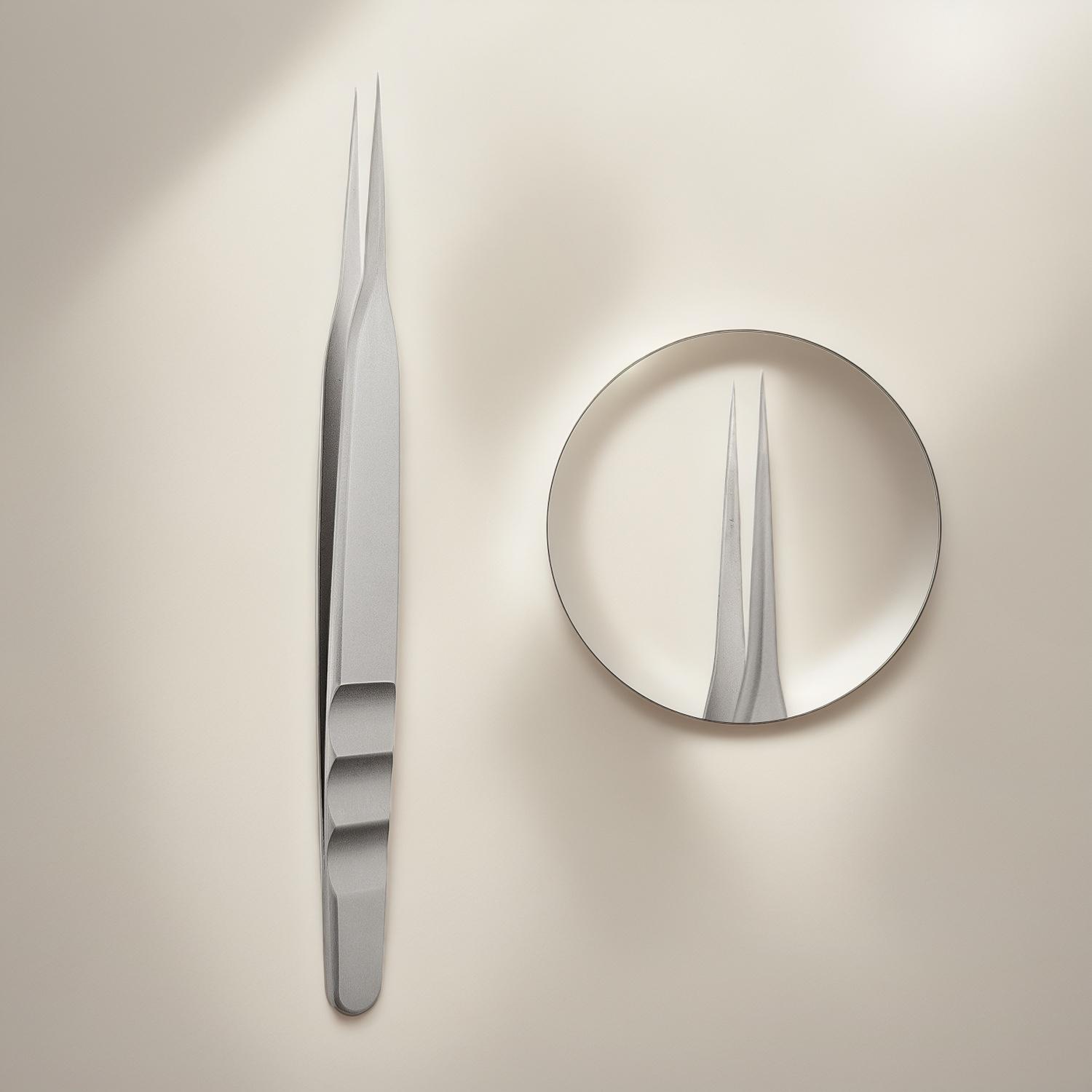
Finding a Reliable Tweezers Supplier for Precision Beauty Tools
For beauty brands, brow studios, lash professionals and private-label buyers, tweezers are small tools with a large effect on customer trust. A tweezer that slips, pinches unevenly or loses tension too quickly can make a premium kit feel poorly planned. A reliable tweezers supplier should therefore be evaluated not only by price, but also by how consistently the tool performs in real use: gripping fine hairs, separating lashes, handling delicate work and staying comfortable through repeated movements.
The right sourcing partner helps you build a product that fits your market position. Some buyers need a dependable retail tweezer for grooming kits, while others need sharper control for professional brow shaping or lash application. If you are comparing beauty tool products for a new line, focus on the practical details that influence performance: material selection, tip alignment, hand feel, finishing, quality inspection and customization support.
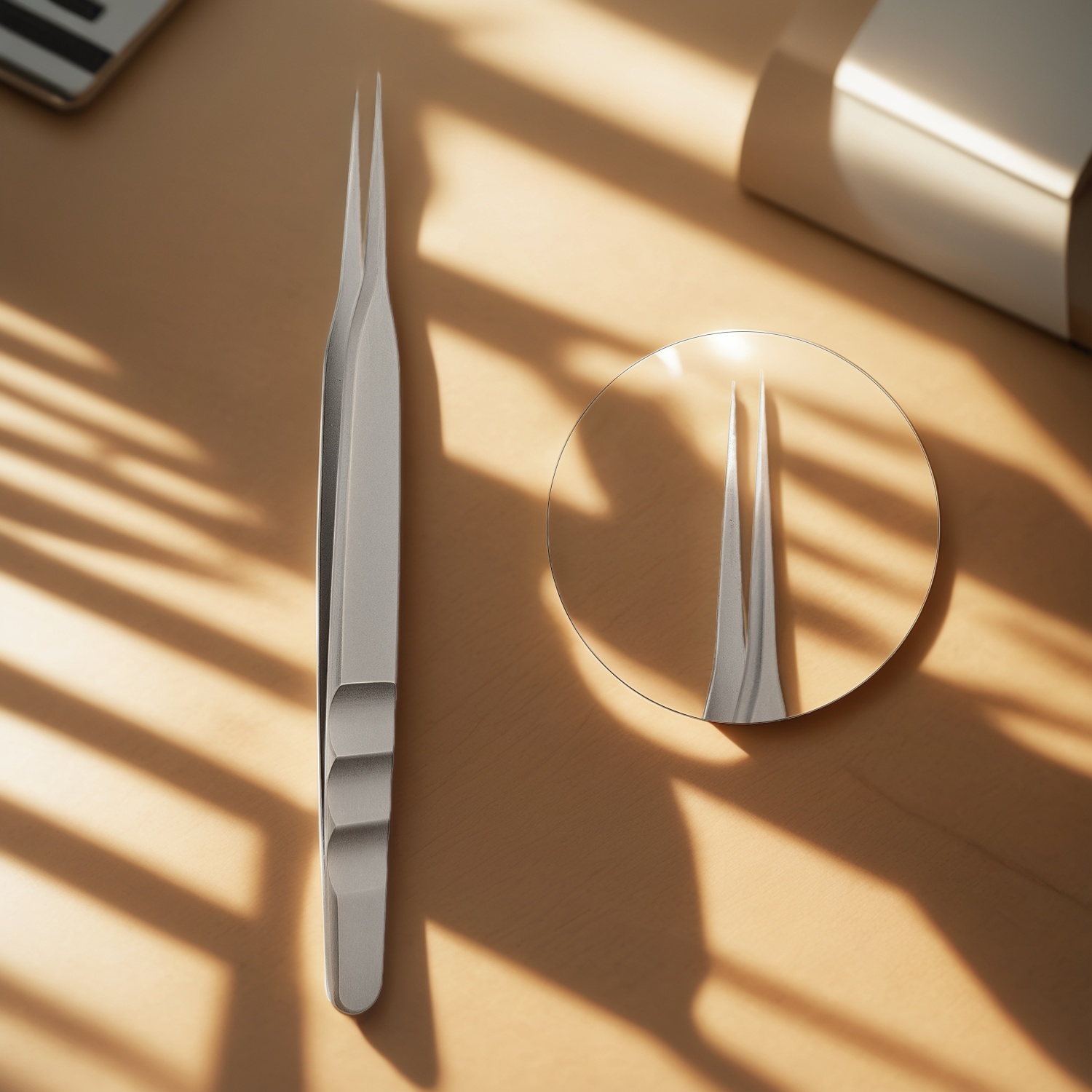
What Makes a Tweezers Supplier Reliable?
A reliable tweezers supplier is one that can produce the same quality repeatedly, not just provide a good sample. Samples are important, but the real test is whether bulk production matches the approved sample in tip closure, grip strength, finish and packaging. Buyers should look for signs that the supplier understands both beauty-tool function and brand requirements.
Precision tweezers depend on a few fundamentals. The two arms must meet cleanly at the tip, the tension must feel controlled rather than stiff, and the surface should be finished smoothly enough for regular handling. Corrosion-resistant stainless steel is commonly valued in beauty tools because it supports durability and easier maintenance, but the buyer should still evaluate finish quality, edge smoothness and consistency from piece to piece.
Reliability also includes communication. A good supplier should be able to explain what can be customized, what affects production difficulty, and how quality will be checked before shipment. Clear technical discussion helps avoid vague expectations such as “make it premium” and replaces them with measurable targets such as tip shape, closure feel, color finish, logo position and packaging format.
Key Selection Criteria for Precision Tweezers
When reviewing suppliers, create a checklist that separates appearance from working performance. A polished tweezer may look attractive in product photos, but the tool still needs to grip fine hair or assist lash placement without excessive pressure. The following criteria are especially useful for buyers comparing suppliers or preparing an ODM brief.
- Tip alignment: The tips should meet evenly when closed, with no obvious gap, crossing or offset that could reduce grip.
- Grip performance: Test the tweezer on different hair thicknesses or beauty-use tasks to see whether it holds without cutting, sliding or requiring too much force.
- Tension and rebound: The arms should open and close smoothly. Overly hard tension can cause fatigue, while weak tension may reduce control.
- Material and surface finish: Corrosion-resistant stainless steel and a clean finish support durability, but edges and corners should also feel comfortable in the hand.
- Ergonomic shape: The tool should be easy to hold for repeated use, especially for professionals working through multiple appointments.
- Consistency between pieces: Randomly compare multiple samples or production pieces, not just one approved sample.
- Packaging readiness: Confirm whether the packaging protects the tip, presents the brand well and supports your sales channel.
For professional audiences, tip geometry matters more than decoration. Slanted tips, pointed tips and ultra-fine tips each serve different uses. If the page or product line refers to Ultra-Fine Precision Tweezers, buyers should examine whether the tip is protected during packing and whether the fine point remains accurate after handling. For retail grooming kits, comfort, durability and easy-to-understand packaging may be more important than extremely specialized tip forms.
Using Tweezers ODM Services Without Losing Practical Control
Tweezers ODM services can help a brand create a more distinct product, but customization should be guided by function. Color, finish, logo and packaging are only part of the decision. Shape, length, tension feel and tip style influence whether customers keep using the tool after purchase. A useful ODM discussion begins with the end user: professional brow artist, lash technician, makeup enthusiast, travel-kit customer or salon retail buyer.
Before requesting a custom design, prepare a short product brief. Include the intended use, target retail or professional channel, preferred tip type, handle feel, finish direction, logo method and packaging needs. If you are building a broader range, review related product collections so the tweezer matches the look and quality level of the rest of the line.
Customization can also introduce risk if it is not tested. A special coating may change the hand feel. A decorative cutout may affect strength or cleaning. A very sharp point may need better tip protection. A reliable supplier should help you balance brand identity with practical manufacturing and user safety considerations, then confirm the agreed details with samples before full production.
Quality Control Questions Buyers Should Clarify
Quality assurance is where a supplier’s reliability becomes visible. The original claim of stringent manufacturing standards is meaningful only when buyers understand what is inspected and when. For tweezers, quality control should not be limited to cosmetic appearance. Functional checks are essential because the product’s value is based on precision.
| QC Area | Why It Matters | What to Review |
|---|---|---|
| Tip closure | Determines whether the tweezer can grip accurately | Even contact, no visible misalignment, no crossing tips |
| Tension | Affects comfort and control during repeated use | Smooth rebound, neither too stiff nor too loose |
| Surface finish | Influences comfort, appearance and perceived value | No rough edges, stains, burrs or uneven coating |
| Logo and branding | Protects brand presentation | Correct placement, legibility and consistency |
| Packaging | Prevents tip damage and supports retail display | Tip covers, inserts, labeling and outer carton protection |
Bulk orders should be compared against the approved sample. If a supplier offers internal controls at each stage, clarify how nonconforming pieces are separated and how final inspection is documented. You do not need to overcomplicate the process, but you should define the most important acceptance points before production begins. This is especially important for fine-tip tweezers, where small deviations can noticeably affect performance.
Material, Finish and Maintenance Considerations
Corrosion-resistant stainless steel is a useful feature for beauty tweezers because tools may be exposed to humidity, skin oils, cleaning routines and frequent handling. However, material choice is only one part of long-term satisfaction. Buyers should also think about how the surface finish will hold up in the intended sales channel. A professional tool may be cleaned often, while a retail tweezer may spend more time in a pouch, drawer or travel bag.
Maintenance guidance can reduce complaints after sale. Include simple care instructions in packaging or product pages: keep the tip protected, avoid dropping the tweezer, clean according to the user’s hygiene needs, dry after exposure to moisture, and store away from loose metal objects that could damage the tips. These details are not glamorous, but they help customers understand why precision tools need careful handling.
If you are comparing finishes, consider fingerprints, scratch visibility, grip texture and brand positioning. A mirror-polished surface can look clean and refined, while a textured or matte surface may improve handling. The best choice depends on your customer and product range rather than a universal rule.
How to Compare Suppliers Before Placing an Order
A structured comparison makes sourcing decisions easier. Instead of asking which factory is the best tweezers manufacturer in China in a general sense, compare suppliers against your exact requirements. A supplier that is strong for basic retail tools may not be the best fit for fine professional tweezers, and a highly specialized supplier may be unnecessary for a simple promotional item.
- Define the use case: Brow grooming, lash work, general beauty kits or professional salon use.
- Request relevant samples: Test samples that match your intended tip type and finish, not unrelated stock pieces.
- Evaluate function first: Check grip, alignment, tension and comfort before judging color or packaging.
- Confirm customization limits: Identify which logo, finish, handle and packaging options are feasible.
- Set quality checkpoints: Agree on the approved sample, inspection focus and packaging protection.
- Review communication quality: Choose a partner that gives clear answers and helps prevent avoidable production issues.
For buyers preparing a private-label or ODM project, it is helpful to organize questions before contacting the supplier. Share reference goals, target users and expected sales channel so the conversation can move quickly from general options to practical development steps. To discuss a tweezer project or clarify customization possibilities, you can send an inquiry or contact Olimor.
Building a Tweezers Line That Customers Trust
A strong tweezers line is built on repeatable precision, comfortable handling and honest product positioning. The tool should match the promise on the package. If you describe it as suitable for fine detail work, the tip needs to support that use. If it is designed for everyday grooming, the customer should feel immediate control without needing professional training.
Olimor Beauty focuses on precision beauty tools and supports brands that need reliable sourcing for tweezers and related products. Whether you are developing a custom tweezer through ODM services or selecting an existing direction for your range, the most important decisions are practical: choose the right tip, confirm the material and finish, test the grip, protect the tips in packaging and define quality expectations early.
In a competitive beauty market, dependable small tools can strengthen the perceived quality of an entire brand. By treating tweezers as precision instruments rather than simple accessories, buyers can create products that perform well, present professionally and earn repeat customer confidence.
Tag: