

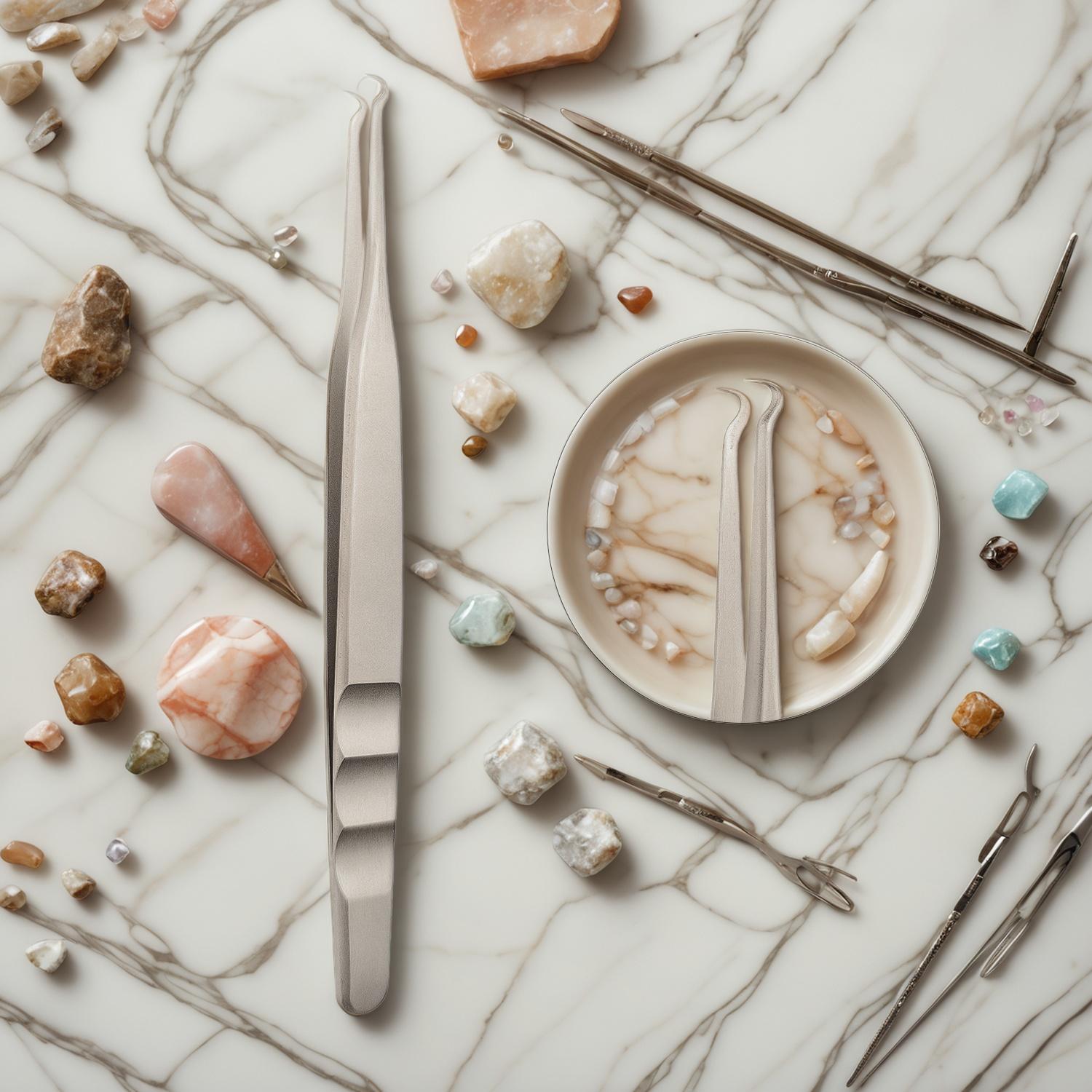
How to Choose a Reliable Tweezers Supplier for Beauty Brands
For brow artists, lash technicians, beauty distributors, and private-label brands, tweezers are not a low-risk accessory. A small flaw in tip alignment, tension, surface finishing, or packaging can affect performance at the treatment table and influence how customers judge a brand. Choosing a reliable tweezers supplier is therefore a practical business decision: the right partner helps you maintain consistent tool quality, reduce complaints, and build a product line that professionals can trust.
Olimor Beauty works with beauty tool buyers who need dependable tweezers for professional use, retail programs, and custom sourcing projects. Whether you are comparing standard items or exploring tweezers ODM possibilities, the evaluation process should go beyond a catalog photo. You need to understand how the tool feels in hand, how precisely the tips meet, how the surface is finished, and how the supplier manages consistency from sample to bulk order.
Start With the Work the Tweezers Must Perform
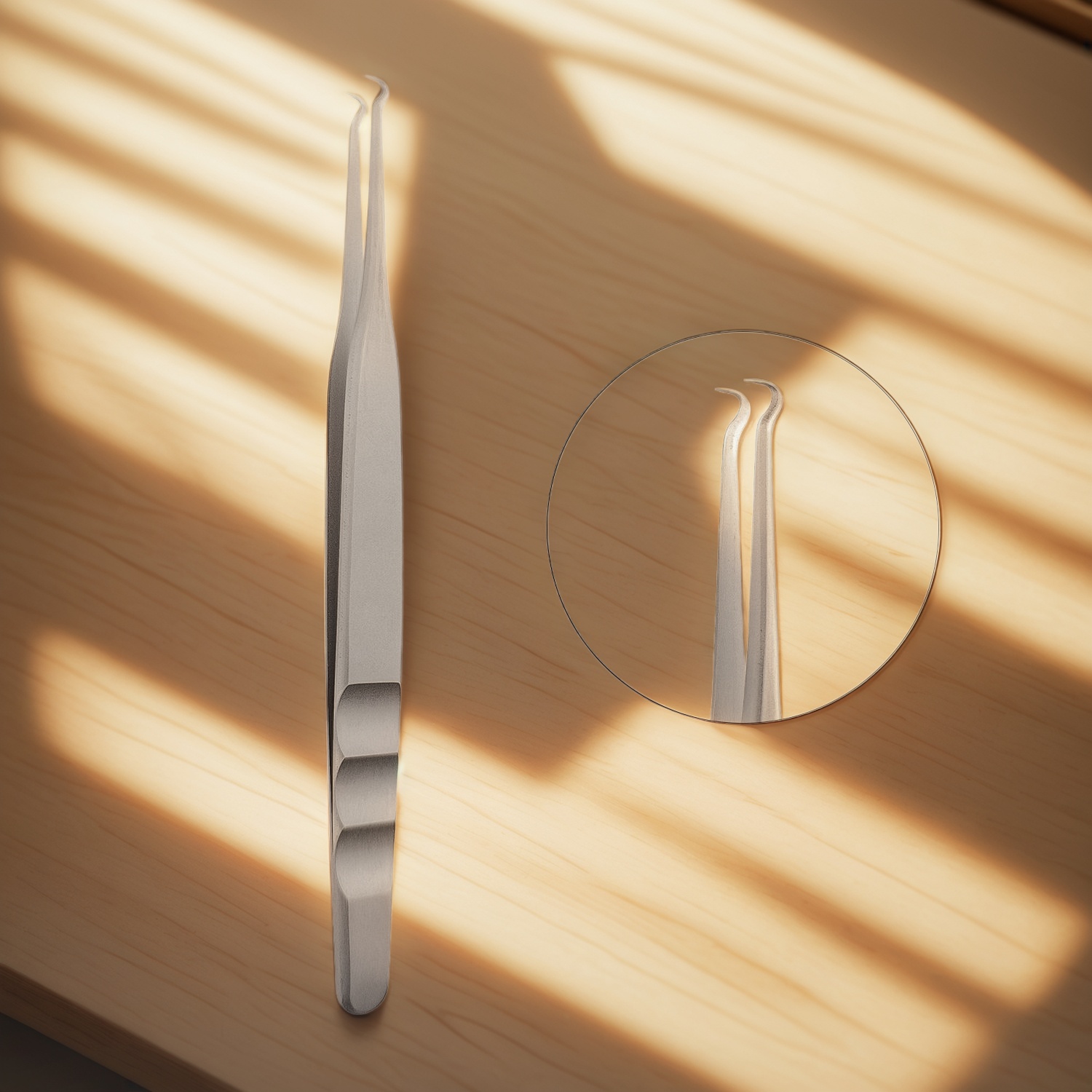
The best supplier conversation begins with use case, not price. Tweezers used for brow shaping, lash extension placement, ingrown hair removal, product kits, or retail beauty sets may all look similar online, but they are judged differently by professionals. A brow artist may prioritize fine hair grip and visibility around the arch. A lash technician may focus on controlled tension and tip geometry. A distributor may need a balanced product that fits a wide range of salon customers.
Before comparing suppliers, define the practical requirements of the product. This helps you avoid choosing a generic item that looks acceptable but fails in actual use. A clear sourcing brief should include the intended user, working technique, preferred shape, finish expectations, packaging style, and any branding needs. If you are still developing the product direction, browse Olimor’s beauty tool products to compare categories and understand how different tool formats serve different professional needs.
What Makes a Tweezers Supplier Reliable?
A reliable tweezers supplier is not only a company that can ship goods. Reliability shows up in repeatable manufacturing, practical communication, realistic customization guidance, careful inspection, and an understanding of how beauty professionals use the final tool. For tweezers, small tolerances matter. If the tips do not meet evenly, if the tweezer arms feel too stiff, or if finishing leaves rough edges, the user notices immediately.
When evaluating Olimor Beauty or any supplier, focus on the details that directly influence field performance:
- Tip alignment: The two tips should meet cleanly and consistently, without visible gaps or twisting.
- Grip performance: The tool should hold fine hairs or lash fibers without excessive pressure from the user.
- Tension: The arms should open and close smoothly, with enough resistance for control but not enough to cause hand fatigue.
- Material suitability: The original product information highlights high-quality, corrosion-resistant stainless steel, an important consideration for professional beauty tools that require regular cleaning.
- Surface finishing: Edges, coating, and polishing should feel comfortable and should not snag gloves, cotton, or packaging inserts.
- Batch consistency: Samples and bulk orders should be evaluated against the same functional criteria.
Understanding Tweezers ODM and Custom Development
Many beauty brands want more than a standard tweezer with a logo. Tweezers ODM can support custom product development when a brand needs a specific shape, grip feel, color direction, finish, or packaging presentation. However, customization should be treated as an engineering and usability process, not only a design exercise. A beautiful tool that does not grip accurately will not satisfy professional users.
Olimor Beauty collaborates with buyers on custom tool directions while keeping the practical function of the tweezer central. The most useful ODM discussions usually cover whether the brand needs curved precision tweezers, slanted tips, pointed tips, a broader handle, a matte or polished look, and retail-ready packaging. Because each project is different, buyers should prepare references, target market information, and performance expectations before requesting samples.
For brands building a wider tool range, it can also help to review related product collections. A tweezer may be one part of a coordinated brow, lash, manicure, or facial tool assortment. Consistency in finish, packaging, and user positioning can make the final range easier to sell.
Sample Evaluation: A Practical Checklist
A sample should be tested by the people who understand the final use. If the tool is intended for professional brow work, ask a brow technician to use it on different hair textures. If it is intended for retail, evaluate how it feels to a less experienced consumer as well as a professional. Do not rely only on appearance; a tweezer can look well finished and still lack precision at the tips.
| Evaluation Area | What to Check | Why It Matters |
|---|---|---|
| Tip meeting point | Close the tweezer slowly and inspect whether both tips contact evenly. | Uneven tips reduce grip and may break hair instead of removing it cleanly. |
| Fine-hair grip | Test on fine, short, and angled hairs or similar fibers. | Professional users need dependable control in detailed work. |
| Hand comfort | Use the tool repeatedly for several minutes. | Overly stiff tension can cause fatigue during long appointments. |
| Finish quality | Check edges, coating, polishing, and cleanliness. | Rough or inconsistent finishing affects perceived value and usability. |
| Packaging fit | Confirm the tool is protected and presented appropriately. | Good packaging reduces damage risk and supports retail appeal. |
Quality Control Questions Buyers Should Prepare
Quality assurance is where a reliable supplier earns long-term trust. The original product information emphasizes precise manufacturing steps, rigorous checks, and final inspection. For buyers, the goal is to convert those promises into clear acceptance criteria. You do not need to know every factory detail, but you should define what is acceptable and what is not before production begins.
Useful quality questions include: How will tip alignment be checked? What surface defects should be rejected? How will tension be evaluated? How are samples compared with bulk goods? What packaging inspection is performed before shipment? Are logo placement, color, and finish confirmed with approved references? These questions help both sides avoid vague expectations. They are especially important for custom orders, where finish, branding, and packaging may involve multiple approval steps.
Buyers should also keep approved samples, artwork files, packaging references, and written specifications together. This creates a practical benchmark for future reorder discussions. If your team is preparing a new sourcing project, you can send an inquiry with the intended use, target market, preferred shape, and packaging requirements so the discussion starts with relevant details.
Stainless Steel, Cleaning, and Long-Term Tool Care
The supplied product information notes corrosion-resistant stainless steel, which is a sensible material direction for professional beauty tweezers. Still, even well-made stainless steel tools need proper care. Beauty professionals often clean tools frequently, store them in busy workstations, and move them between appointments. Poor care can damage tips, dull finishing, or affect alignment over time.
For professional end users, include simple care instructions with retail or salon products when appropriate. Recommended guidance may include cleaning the tool after use, drying it before storage, avoiding harsh impact on the tips, and keeping the tweezer protected inside a pouch, cap, or tray. If a tweezer is dropped tip-first, it should be inspected before the next service because even a small bend can reduce precision.
From a brand perspective, clear care guidance can lower misuse-related complaints. It also helps customers understand that precision tweezers are working tools, not disposable accessories. When communicating with a supplier, consider how instructions, warning labels, or packaging inserts can support correct use without making the presentation overly complicated.
How to Compare Suppliers Without Relying Only on Price
Unit price matters, but it should not be the only decision factor for professional beauty tools. A cheaper tweezer that fails inspection, arrives with inconsistent alignment, or receives negative customer feedback can cost more over time. Better sourcing decisions compare price against function, consistency, communication, customization support, and packaging readiness.
A structured comparison can help your purchasing team stay objective. Score each supplier on sample performance, response clarity, ability to support custom requirements, packaging execution, inspection process, and reorder potential. If you are building a branded assortment, also consider whether the supplier can support related tools, so future launches feel coherent rather than fragmented.
Olimor Beauty’s value for beauty tool buyers is in combining product knowledge with practical manufacturing and customization discussions. The aim is not simply to sell a tweezer, but to help buyers choose a tool that suits the intended professional or retail environment. If you need to clarify a project before requesting samples, you can contact Olimor with your sourcing brief and questions.
Build a Better Tweezer Program With Clear Standards
Finding a reliable tweezers supplier is ultimately about creating standards that can be repeated. Define the job the tool must perform, test samples in real conditions, document accepted details, and align customization choices with usability. Curved precision tweezers, stainless steel construction, and carefully aligned tips can all contribute to better performance, but only when the product is matched to the right user and controlled through a clear sourcing process.
For beauty brands, lash and brow businesses, and distributors, the right tweezers supplier can support both daily user satisfaction and long-term brand reputation. By approaching sourcing with practical criteria instead of generic catalog comparisons, you can select tools that feel precise, look professional, and meet the expectations of the people who use them every day.
Tag: