

Finding a Reliable Nail Clippers Supplier for Your Brand
Choosing a nail clippers supplier is not only a purchasing task. For a beauty, grooming, spa, retail, or private label brand, the clipper becomes a daily-use product that customers judge with their hands: how cleanly it cuts, how comfortable it feels, whether the lever is stable, and whether the finish still looks presentable after repeated use. A low-cost clipper that pulls, bends, rusts, or feels awkward can quickly damage trust in the wider product line.
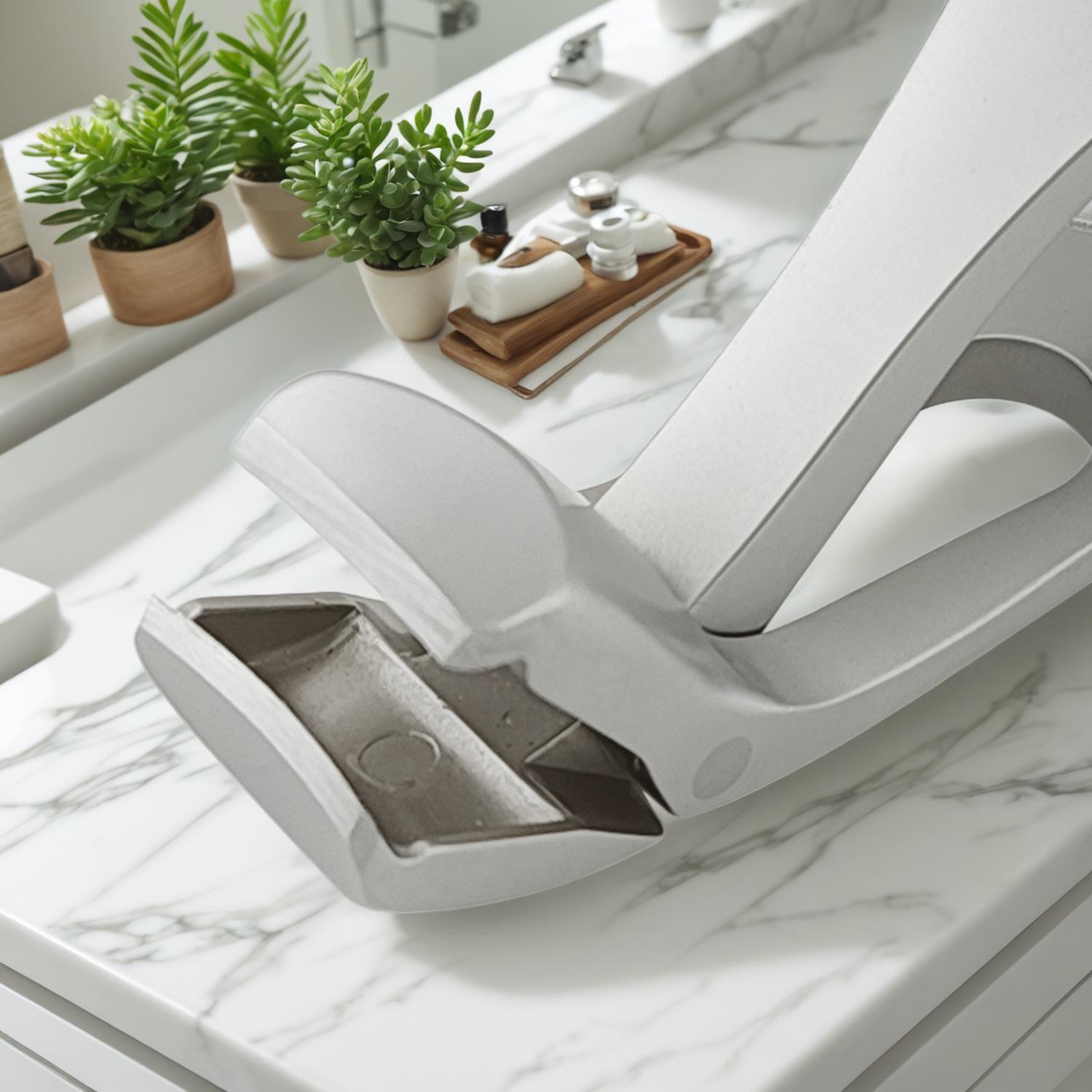
Olimor Beauty supplies beauty tools for brands that need practical, repeatable sourcing decisions rather than vague product promises. The PrecisionEdge Nail Clipper referenced for this page is described with robust stainless steel construction, an ergonomic design, aligned blades, and a hidden lever mechanism. Those are meaningful product features, but buyers still need a structured way to compare samples, check production consistency, and decide whether a supplier can support the brand’s positioning.
This guide explains how to evaluate a nail clippers supplier before committing to a purchase order, with attention to product performance, manufacturing questions, packaging, ethical claims, and long-term supply reliability.
Start With the Exact Nail Clipper Use Case
The best supplier choice depends on how the clipper will be sold and used. A manicure set for a travel retail kit has different priorities from a stand-alone professional grooming tool. Before requesting samples, define the product role clearly so that the factory or trading partner can recommend the right structure, finish, and packaging direction.
- Everyday personal care: prioritizes comfort, safe handling, smooth edges, and reliable cutting for common fingernail trimming.
- Salon or spa retail: should feel more substantial in the hand, with a finish that supports a professional image.
- Gift sets and beauty kits: require visual consistency with tweezers, scissors, files, or other tools in the same assortment.
- Travel grooming: benefits from compact dimensions, secure lever movement, and protective packaging.
- Private label launch: needs stable decoration options, repeatable color or finish, and a supplier who can explain what is realistic before bulk production.
When the use case is defined early, supplier conversations become more productive. Instead of asking for “a good nail clipper,” you can evaluate whether the available design, material, and packaging match your target customer and price position.
Key Product Qualities to Check in Nail Clipper Samples
Nail clippers look simple, but small differences in engineering affect the end-user experience. A buyer should test every sample by trimming different nail thicknesses and inspecting the clipper before and after use. The following criteria are more useful than judging appearance alone.
- Blade alignment: The cutting edges should meet evenly from one side to the other. Poor alignment can leave uncut sections or crush the nail instead of cutting cleanly.
- Cutting feel: A good clipper should not require excessive force. The lever should press smoothly without wobbling or feeling loose.
- Edge finishing: Corners, underside edges, and lever contact areas should be smooth enough for safe handling.
- Material and surface condition: Stainless steel construction, as described for the PrecisionEdge Nail Clipper, is a common choice for durability and corrosion resistance, but buyers should still inspect polishing, plating, and surface uniformity.
- Ergonomics: The clipper should sit naturally in the fingers. An ergonomic design is valuable only if it improves grip and control during actual trimming.
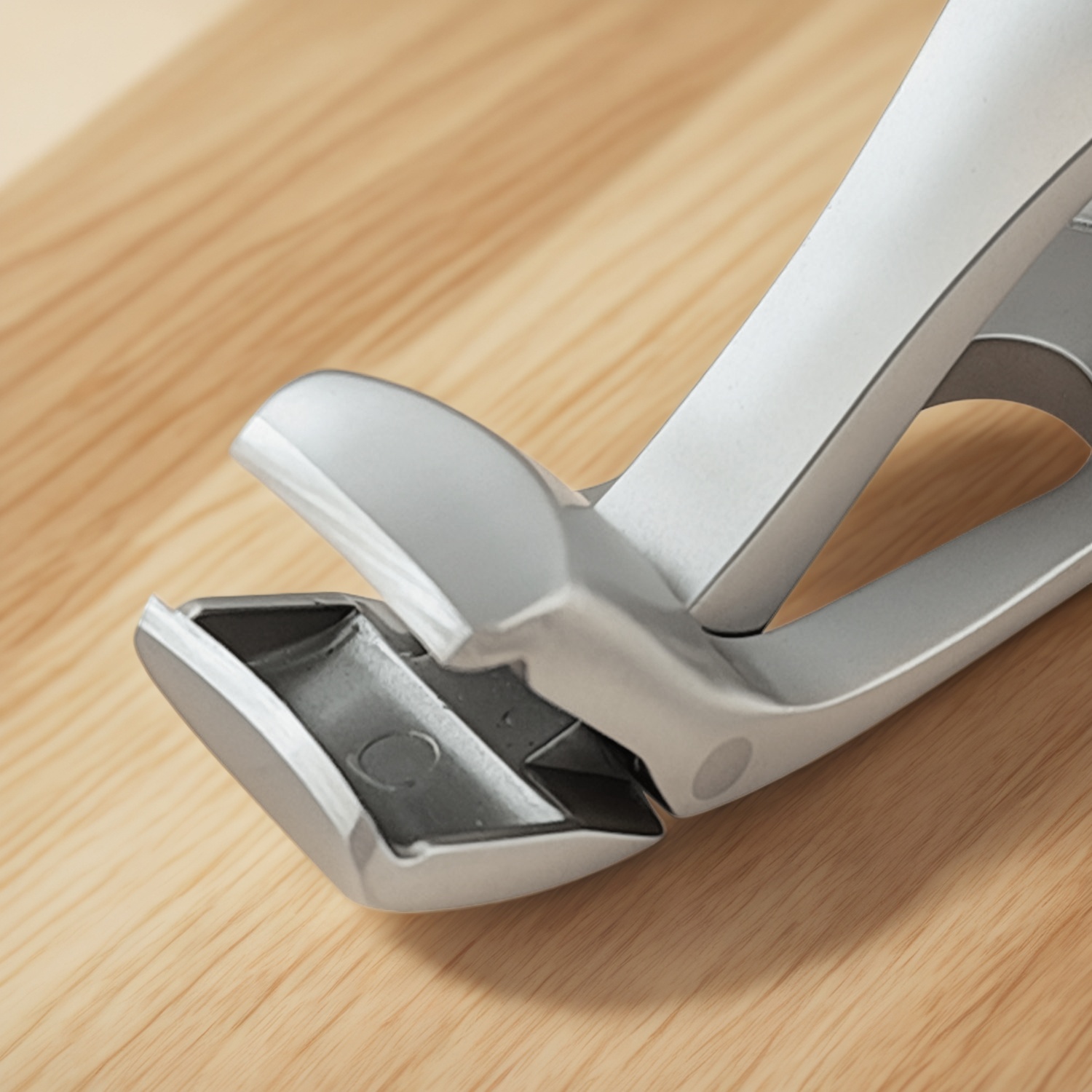
- Lever mechanism: A hidden lever mechanism can create a cleaner appearance and may help the tool pack neatly, but it should still open, rotate, and close reliably.
- Consistency across samples: Test more than one unit. A single good sample does not prove that bulk production will be uniform.
If you are comparing multiple options, keep notes using the same scoring method for each sample. This avoids a common sourcing mistake: remembering the most attractive finish but forgetting which clipper actually performed best.
What Makes a Supplier Reliable Beyond the Sample?
A reliable nail clippers supplier is not simply the one with the nicest first sample. Reliability means the supplier can translate approved details into repeatable production and communicate clearly when trade-offs exist. For example, a certain surface finish may look excellent on a small sample run but require careful control during bulk production. A packaging concept may look premium but increase damage risk if the tool is not secured properly.
When assessing Olimor Beauty or any other beauty tool partner, focus on the supplier’s process. Can they explain how blade alignment is checked? Can they show which decoration methods are suitable for your design? Do they understand the difference between a retail-ready unit, a kit component, and a promotional grooming tool? Clear answers are more valuable than exaggerated claims.
| Evaluation Area | What to Review | Why It Matters |
|---|---|---|
| Sample quality | Blade closure, lever stability, finish, comfort | Shows whether the design meets user expectations |
| Production control | Inspection steps, approved sample reference, defect handling | Helps reduce variation between sample and bulk order |
| Packaging fit | Insert security, scratch protection, barcode or label space | Protects the product and supports retail presentation |
| Communication | Clear drawings, photos, timelines, and change confirmations | Prevents misunderstandings before manufacturing begins |
| Ethical and compliance claims | Documented policies, material declarations, packaging statements | Supports responsible sourcing and accurate marketing |
Why Many Brands Source Beauty Tools From Asia
Asia is widely recognized as an important region for personal care tools manufacturing because buyers can often find broad production experience, diverse tooling options, and supply chains familiar with metal beauty accessories. For nail clippers, this can be useful when a brand needs to compare different blade shapes, finishes, mechanisms, or packaging formats in one sourcing program.
However, location alone does not guarantee quality. A practical buyer should compare each supplier by product engineering, quality control, responsiveness, and ability to support the intended sales channel. A supplier with a well-organized sample process and realistic production guidance is usually more valuable than one that simply lists a large number of products.
Brands developing a broader assortment can also review Olimor’s beauty tool products to understand how nail clippers may fit alongside other grooming and cosmetic tools. If the clipper will be part of a themed set, it is worth checking related product collections so the finish, packaging, and user experience feel coherent rather than assembled from unrelated items.
Private Label and Packaging Decisions for Nail Clippers
For private label buyers, the product itself is only part of the sourcing decision. Packaging, logo placement, and retail presentation often determine whether the clipper feels suitable for the brand’s market. Before approving artwork, consider how the customer will first encounter the tool: hanging on a peg, placed in an e-commerce mailer, packed inside a beauty set, or displayed at a spa reception desk.
Common packaging considerations include whether the clipper needs a protective sleeve, blister card, paper box, pouch, or set tray. Each option affects cost, perceived value, shipping protection, and sustainability messaging. Avoid choosing packaging solely by appearance; test whether the clipper shifts, scratches, or presses against the package during transport.
Logo and finish choices should also be realistic. A very small tool surface may not support complex artwork clearly. Highly reflective finishes can look premium but may show fingerprints and scratches more easily in product photography or retail handling. Matte or brushed finishes may hide handling marks better, depending on the design. The right supplier should help identify which decoration choices match the tool’s surface and production method.
Responsible Sourcing and Cruelty-Free Beauty Tool Claims
Consumers increasingly pay attention to responsible sourcing, but beauty tool claims should be handled carefully. Nail clippers are not cosmetic formulas, so cruelty-free messaging may involve the brand’s broader policy, packaging claims, supply chain declarations, or the absence of animal-derived components in certain accessories. If ethical positioning is important to your market, make it part of the sourcing checklist from the beginning.
Rather than relying on broad statements, define what your brand needs to verify. This may include material declarations, packaging composition, supplier policy statements, or documentation that supports claims used on retail pages. The goal is not to overcomplicate a simple grooming tool; it is to make sure your marketing language is accurate and defensible.
For brands that position themselves around conscious personal care, responsible sourcing also includes durability. A nail clipper that cuts cleanly, resists premature wear, and remains comfortable over time can reduce customer dissatisfaction and unnecessary replacement. Quality and ethics should work together rather than being treated as separate concerns.
Maintenance Guidance Your Customers Will Appreciate
A good supplier can provide the tool, but a good brand also helps customers use and maintain it properly. Clear care instructions reduce complaints and make the product feel more professional. Nail clippers should generally be kept clean and dry after use. Customers can wipe the cutting edges with a clean cloth and store the clipper away from damp environments. If the clipper is included in a kit, the storage case should allow the tool to remain protected without trapping moisture.
It is also useful to remind customers not to use fingernail clippers for unsuitable materials such as wire, plastic tags, or thick artificial enhancements unless the tool is specifically designed for that purpose. Misuse can damage blade alignment and create a poor cutting experience. Simple instructions on packaging or an insert card can prevent avoidable issues.
How to Move From Sample Approval to Purchase Order
Once a sample is approved, document the details before placing an order. Keep a reference sample, confirm finish, dimensions if provided, packaging structure, logo placement, carton labeling needs, and inspection expectations. If you are building a set, confirm how the nail clipper will be packed with the other tools so that movement in transit does not cause scratches.
For new buyers, it is wise to prepare questions in a single, organized file rather than sending scattered messages. Include target market, sales channel, desired packaging, approximate order plan, and any compliance or claim requirements. To discuss product options or clarify sourcing details with Olimor Beauty, you can send an inquiry or contact Olimor directly.
A reliable nail clippers supplier should help you balance performance, appearance, packaging, and responsible sourcing. By testing samples carefully and documenting expectations, your brand can choose a clipper that feels comfortable in daily use and supports a consistent customer experience.
Tag: