

How to Choose a Reliable Nail Clipper Supplier for B2B Beauty and Grooming Lines
For beauty retailers, salon distributors, grooming kit brands, private-label buyers and pet care assortments, a nail clipper is a small tool with a large effect on customer trust. Users notice immediately if a clipper tears the nail, feels weak in the hand, rusts quickly, pinches during use or arrives in packaging that looks inconsistent. Choosing a reliable nail clipper supplier is therefore a product quality decision, not only a purchasing task.
This guide explains how B2B buyers can evaluate a nail clipper supplier for human manicure tools, everyday grooming sets and pet nail clippers. The search intent is practical: how to compare suppliers, what product features to inspect, which commercial questions to ask, and how to reduce risk before placing a wholesale or private-label order.
Olimor Beauty supplies B2B beauty and grooming tools for buyers who need practical, presentable and consistent products. Buyers can review current tool categories through the Olimor beauty tool products page when planning a nail care or grooming range.
What Makes a Nail Clipper Supplier Reliable?
A reliable nail clipper supplier is not defined by one attractive sample or the lowest quotation. Reliability is shown through repeatable workmanship, clear communication, practical inspection steps and an ability to support your sales channel. For nail clippers, small production differences can change the user experience. Blade alignment, lever movement, spring tension, surface finishing, handle comfort and packaging protection all matter.
For B2B buyers, consistency across repeated orders is especially important. A first sample may cut smoothly, but bulk production must match the approved quality level. A dependable supplier should be able to discuss material selection, assembly, inspection points, packing options, labeling needs and sample confirmation steps in clear terms.
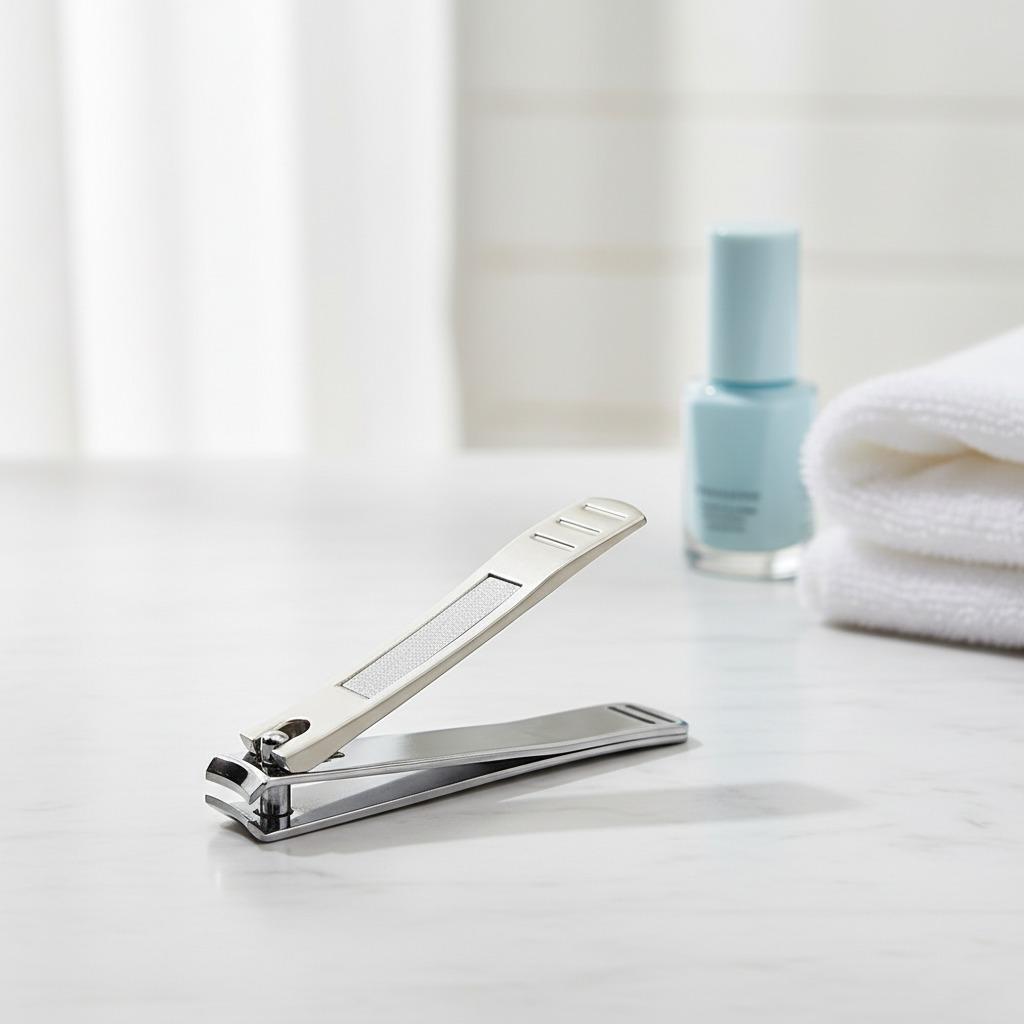
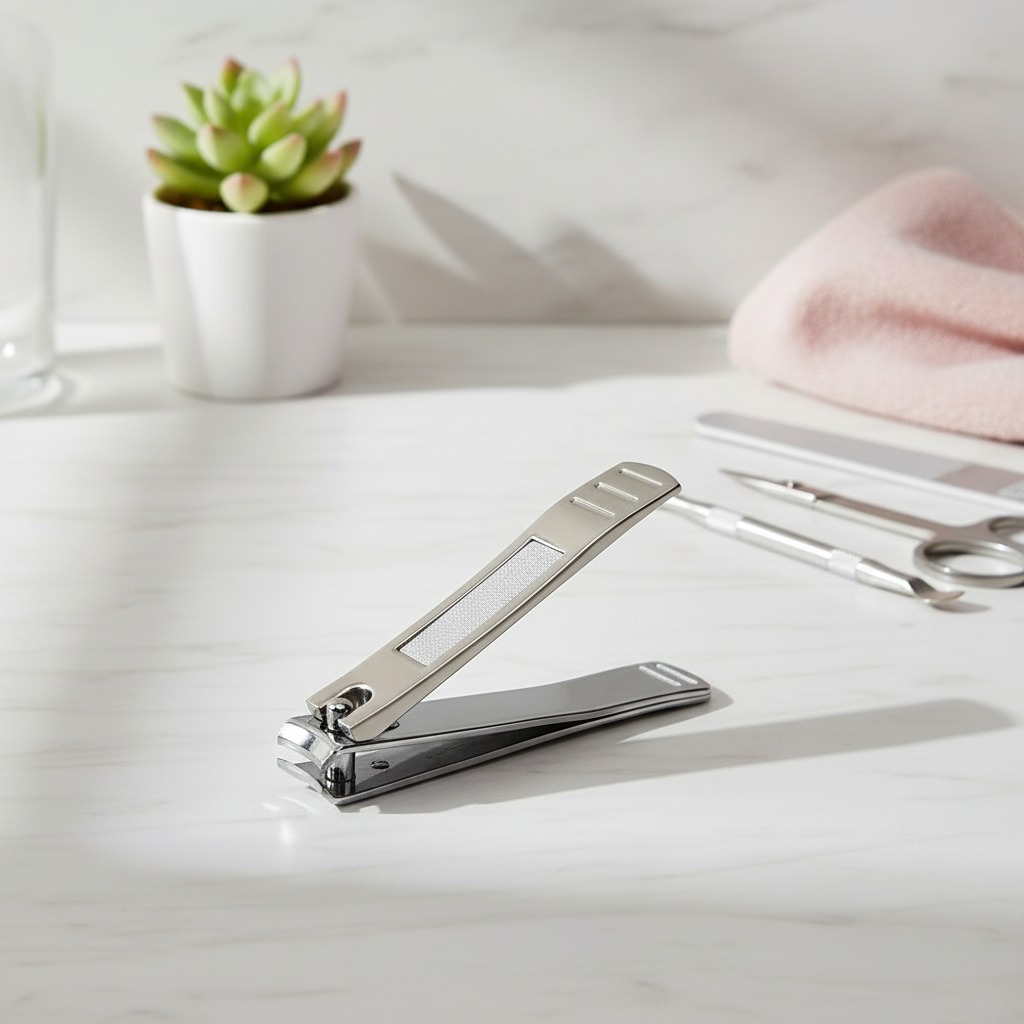
Olimor’s supplied nail clipper information includes stainless steel construction, curved blades, ergonomic handling, compact portability and polished or clean visual finishes depending on the model. One described stainless steel nail clipper has a compact profile with 90 mm height, 15 mm width and 60 g weight. These details are useful for kit planning, packaging layout, product photography and retail positioning. Buyers should still verify the exact specification for the order they intend to place.
Start with the Sales Channel and End User
The right nail clipper supplier depends on how the product will be sold and used. A salon distributor may prioritize comfort during repeated use and a stable cutting feel. An e-commerce seller may care about clean product photography, low complaint risk and accurate dimensions. A retail chain may focus on shelf presentation, packaging clarity and barcode-ready layout. A grooming kit brand may need a compact clipper that coordinates visually with scissors, tweezers, files or cuticle tools.
Pet nail clippers require additional attention because the tool is used close to sensitive paws. The supplied Olimor pet nail clipper design includes a stainless steel body, sharp cutting edges, black and blue textured handles, a built-in safety guard and an easy-to-use locking mechanism for safer storage. These features help buyers position the product for groomers, pet owners or pet care kits, but user education remains important. Packaging or instructions should encourage gradual trimming and careful use.
- Retail and pharmacy-style channels: prioritize intuitive appearance, clear packaging, visible finish quality and simple use information.
- Salon and professional supply channels: prioritize cutting performance, hand comfort, stability and durability under frequent handling.
- Travel and grooming kits: prioritize compact size, weight, safe storage, coordinated finish and efficient packing.
- Pet grooming assortments: prioritize edge sharpness, secure handles, safety guard function, lock reliability and approachable instructions.
- Online sellers: prioritize consistent visual finish, accurate listing details, clear product photos and reduced review risk.
Material and Blade Quality Should Lead the Shortlist
Stainless steel is widely used for nail clippers because it supports strength, a clean appearance and practical durability when properly manufactured, finished and maintained. For B2B buyers, the material name alone is not enough. You need to inspect how the clipper is formed, polished, assembled and packed.
Blade geometry is equally important. Curved blades can help follow the natural nail shape for common fingernail and toenail trimming. For pet nail clippers, sharp, even cutting edges help reduce crushing of the nail when used correctly. Buyers should not judge sharpness only by appearance. Test whether the upper and lower cutting edges meet evenly, whether the cut feels controlled, and whether the nail is clipped cleanly rather than split or torn.
Key Product Details to Inspect
- Blade alignment: the upper and lower cutting edges should close evenly without visible offset or gaps.
- Cutting feel: the lever should press smoothly and return reliably, without excessive stiffness or weak movement.
- Curved blade suitability: the curve should suit the intended use, whether for fingernails, toenails, general grooming kits or pet nail trimming.
- Surface finishing: stainless steel surfaces should look clean and uniform, with no obvious burrs, rough points or retail-facing marks.
- Grip and ergonomics: the handle should allow controlled pressure. Textured grips can help reduce slipping, especially for pet grooming tools or frequent-use settings.
- Safety-related details: non-cutting edges should feel smooth, moving parts should not pinch during normal handling, and storage locks should work reliably where included.
- Packaging protection: packing should protect the blade area, reduce movement in transit and arrive suitable for shelf display, e-commerce fulfillment or kit assembly.
Compare Human Nail Clippers and Pet Nail Clippers Carefully
Human nail clippers and pet nail clippers share some supplier evaluation points, but they are not the same product. A buyer building a broad grooming assortment should avoid applying one checklist blindly to every SKU. The table below shows practical differences to discuss with a supplier before confirming samples or packaging.
| Evaluation Point | Human Nail Clippers | Pet Nail Clippers | Why B2B Buyers Should Check |
|---|---|---|---|
| Primary use | Fingernail, toenail or general manicure trimming | Pet nail trimming for home users or groomers | The end user affects blade shape, handle design and instructions. |
| Material focus | Stainless steel construction and clean finish | Stainless steel body with secure handle components | Material and assembly affect perceived value and repeat-use confidence. |
| Handling | Compact grip, ergonomic lever and stable pressure | Textured handles and enough leverage for controlled trimming | Comfort reduces slipping and supports better user control. |
| Safety features | Smooth non-cutting edges and stable lever movement | Built-in safety guard and locking mechanism where specified | Safety features help product education, but buyers should verify function on samples. |
| Packaging needs | Retail card, pouch, box, bulk pack or kit insert | Retail packaging with clear storage and use information | Packaging affects shelf appeal, damage prevention and customer understanding. |
| Inspection focus | Blade alignment, cut feel, finish and lever return | Blade edges, guard alignment, lock function, handle attachment and finish | Inspection points should match the product design and complaint risks. |
How to Evaluate Samples Before a Bulk Order
Sample testing is one of the most useful ways to reduce sourcing risk. Buyers do not need to know every manufacturing detail at the first conversation, but they should use the same review method across all potential suppliers. This makes quotations easier to compare because you are judging the physical product and the supplier process, not only the unit price.
- Check several samples, not only one. Consistency is more important than a single perfect presentation piece.
- Inspect the cutting edge. Look for even contact, smooth closing action and no visible chips or rough sections.
- Test the cutting feel. The clipper should cut cleanly with controlled pressure, not crush, tear or snap unpredictably.
- Open and close repeatedly. Lever movement, spring tension and lock function should remain stable during normal handling.
- Hold with different hand sizes. This is useful for consumer retail products and professional tools used frequently.
- Review all visible surfaces. Check the top, underside, sides, corners and lever contact points for burrs, marks or inconsistent polishing.
- Test packaging fit. Confirm whether the clipper sits securely in a blister card, pouch, box, bulk pack or grooming kit layout.
- Compare to your range. If you sell related tools, the finish and quality level should feel coherent across the assortment.
For the described Olimor stainless steel nail clipper with 90 mm height, 15 mm width and 60 g weight, buyers can use those figures when planning kit dimensions, product page details or retail display requirements. For any order, confirm the final specification and approved sample before bulk production.
Quality Control Questions to Ask a Supplier
Quality control for wholesale nail clippers should be practical and product-specific. Broad claims such as “premium” or “professional grade” are not enough. A reliable supplier should be able to explain what is checked before packing and how approved samples are used as the reference for production.
- Which points are inspected for blade alignment, cutting performance, lever movement and surface finish?
- How are pet clipper safety guards, locking mechanisms and handle attachments checked?
- How are appearance standards defined for polished, matte or textured surfaces?
- What packaging formats are available for retail display, e-commerce fulfillment, bulk supply or kit assembly?
- How are carton labeling, barcode needs or private-label artwork handled when applicable?
- What information can be provided for material, construction and product care?
- How does the supplier maintain consistency between the approved sample and repeat orders?
Some buyers use public inspection references such as ISO 2859-1 for acceptance sampling when building their own incoming inspection plans. Depending on the destination market and product positioning, buyers may also review guidance from public bodies such as the U.S. Consumer Product Safety Commission for consumer product safety responsibilities. These references are not a substitute for supplier documentation. Buyers should verify the applicable version, local requirements and order-specific documents before making claims on packaging or sales materials.
Customization, Packaging and Range Planning
Many B2B buyers compare nail clipper suppliers because they need more than a standard item. They may need retail packaging, a coordinated grooming kit, a private-label appearance, a compact travel tool or a pet care accessory that fits an existing assortment. Customization can add value, but it also increases the need for clear confirmation.
Before requesting changes, define what must be customized and what can remain standard. Packaging artwork, pouch selection, color direction, finish preference, instructions and assortment layout may all affect cost, sampling and production planning. Do not approve changes based only on renderings. Review physical samples whenever possible, especially when the change affects handle grip, locking parts, cutting feel or packaging protection.
Buyers building a wider line can review the Olimor product collection to consider how nail clippers may sit beside tweezers, scissors, files, cuticle tools, cosmetic accessories or pet grooming items. A coordinated finish, packaging direction and quality level help the final range feel intentional rather than assembled from unrelated tools.
Cost Factors Beyond Unit Price
A low quote can be attractive, but the real cost of a nail clipper includes more than the unit price. If the blade alignment is inconsistent, packaging arrives damaged or the tool feels uncomfortable, customer service costs and review damage can outweigh the savings. B2B buyers should compare total sourcing value.
- Material and finish: stainless steel quality, polishing consistency and surface treatment expectations affect perceived value.
- Mechanism quality: blade alignment, lever pressure, tension and lock function influence customer satisfaction.
- Packaging: retail cards, boxes, pouches, kit inserts and protective packing can change cost and handling needs.
- Inspection level: more detailed inspection can reduce risk but should be agreed clearly before production.
- Customization: color, branding, artwork, packaging and product adjustments may require sample confirmation and additional coordination.
- Logistics and storage: size, weight, carton packing and protection affect shipping efficiency and warehouse handling.
The best supplier evaluation balances price, product suitability and communication. A slightly better-controlled product may be more profitable if it reduces returns and supports repeat purchases.
Supplier Evaluation Checklist for B2B Buyers
| Area | What to Clarify | Commercial Reason |
|---|---|---|
| Sample approval | How samples are confirmed before bulk production | Prevents confusion about the exact product standard. |
| Material and finish | Stainless steel appearance, surface finish, edges and marks | Affects durability, comfort and retail presentation. |
| Function checks | Blade alignment, cutting feel, lever movement, guard and lock function where applicable | Directly affects customer satisfaction and complaint risk. |
| Ergonomics | Grip feel, handle texture, pressure control and comfort for target users | Improves usability for home users, professionals and pet owners. |
| Packaging | Retail card, pouch, box, bulk pack, kit insert, labeling and protection | Supports sales channel requirements and reduces avoidable damage. |
| Consistency | How approved specifications are maintained across reorders | Protects brand continuity and repeat sales. |
| Communication | How lead-time expectations, documentation requests and customization questions are handled | Reduces misunderstandings during sourcing and replenishment. |
When to Contact Olimor
If you are sourcing nail clippers for a retail beauty range, salon supply line, travel grooming kit or pet care assortment, prepare your target channel, preferred packaging style, customization needs and sample questions before contacting suppliers. Clear requirements help both sides confirm whether a product is suitable.
Olimor Beauty can discuss beauty and grooming tool options for B2B buyers who need practical supplier communication and product-focused evaluation. To start a sourcing conversation, visit contact Olimor Beauty or send product requirements through the B2B inquiry page.
FAQ
Can B2B buyers request samples before placing a bulk nail clipper order?
Sample review is recommended. Buyers should confirm product feel, blade alignment, finish, packaging fit and any pet clipper safety features before approving bulk production. Sample availability and timing should be confirmed directly with the supplier.
Does Olimor provide fixed MOQ, price or lead time information online?
MOQ, pricing and lead time can depend on product type, packaging, customization and order requirements. Buyers should request current details for the exact nail clipper, pet clipper or grooming set they plan to source.
What customization points should private-label buyers confirm?
Confirm packaging artwork, labeling, finish direction, handle color or texture, kit layout and any instruction requirements. If customization affects function, such as grip, lock or guard structure, review a physical sample before approval.
What quality checks matter most for wholesale nail clippers?
Important checks include blade alignment, cutting performance, lever movement, surface finish, smooth non-cutting edges, packaging protection and consistency across multiple samples. For pet nail clippers, also check safety guard position, handle attachment and locking mechanism function.
How should buyers compare nail clipper suppliers in China or other sourcing markets?
Compare suppliers by product consistency, inspection process, communication quality, packaging support, customization handling and ability to maintain approved specifications across reorders. Location alone does not define supplier reliability.
Tag: