

How to Choose a Tweezers Supplier for OEM Beauty Tools
Choosing a tweezers supplier is not only about finding a factory that can produce a small grooming tool. For beauty brands, salon distributors, private label sellers and professional buyers, tweezers are a detail-driven product: the tip alignment must be clean, the grip should feel controlled, the finish needs to be consistent, and the packaging should match the way the tool will be sold. A poorly made pair can damage brand trust quickly, while a reliable pair becomes the kind of everyday item customers keep, recommend and repurchase.
Olimor Beauty supplies beauty tools for personal and professional grooming needs, including stainless steel curved tip tweezers that focus on precision, durability and practical handling. If you are comparing standard products, tweezers OEM services or ways to design your own tweezers, the most useful approach is to look at the product from the end user backward: what hair types must it grip, how often will it be used, where will it be stored, and what expectations will your customers have when they open the package?
Start with the Use Case Before Comparing Suppliers
Different buyers need tweezers for different selling channels. A salon-focused tool may emphasize control, comfort and repeated daily use. A retail beauty accessory may need an attractive finish, compact size and clear packaging. A travel grooming kit may prioritize portability and safe storage. Before discussing OEM choices, define the most important use case for your product line.
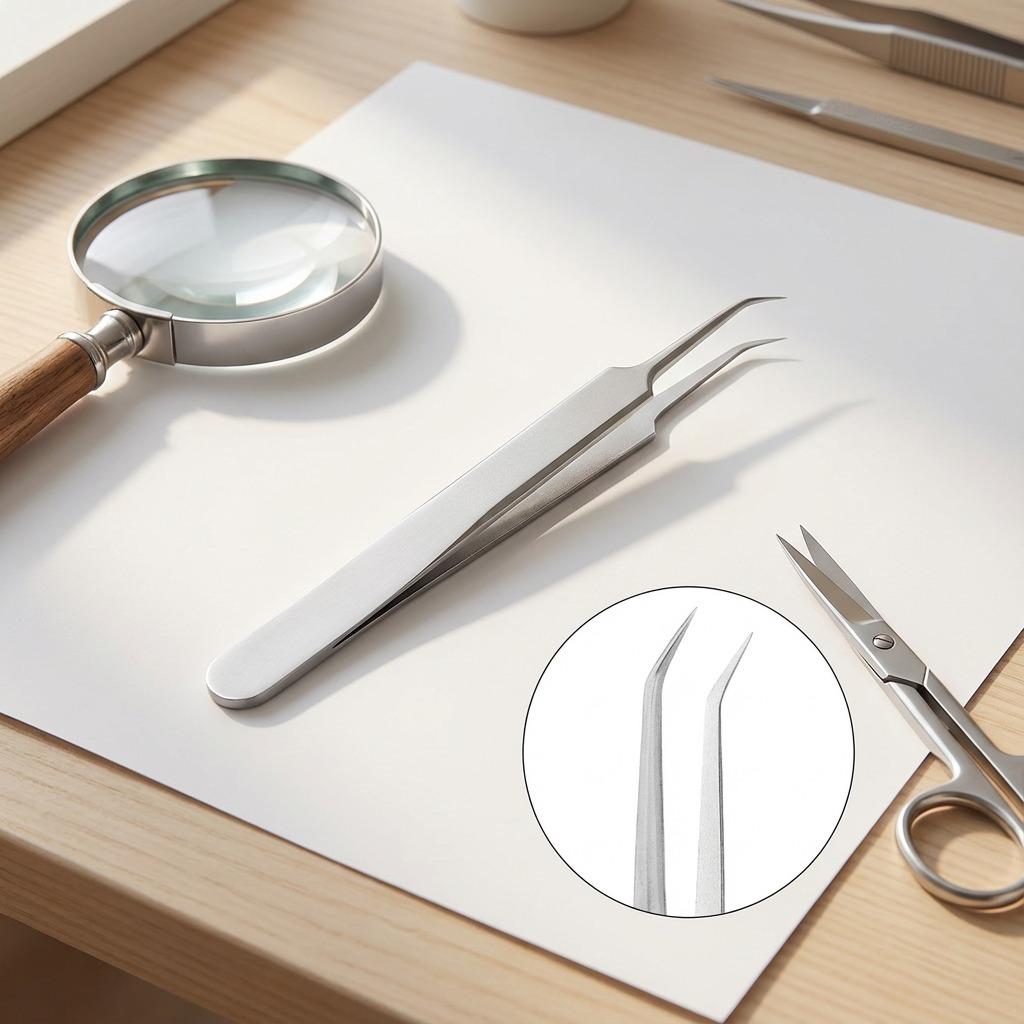
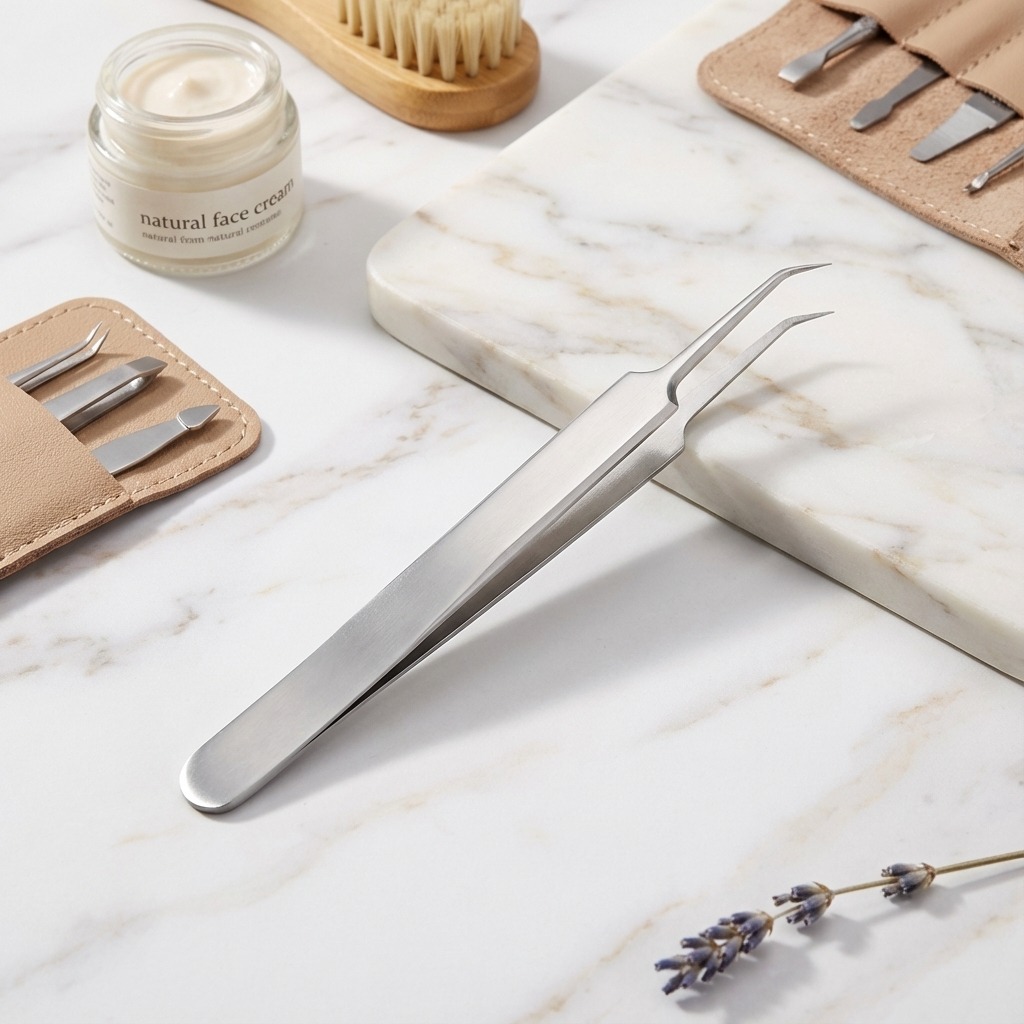
For eyebrow grooming and fine hair removal, the tip shape is especially important. The Precision Stainless Steel Curved Tip Tweezers referenced by Olimor Beauty are designed around curved tips, sharp aligned gripping edges and a compact format. Curved tips can be useful for buyers who want a tweezer that supports controlled positioning around the brow area or other small grooming tasks. Stainless steel construction also supports long-term use and rust resistance, making it a practical material direction for beauty tools that may be handled frequently.
When reviewing beauty tool products, it helps to organize your requirements into three groups: performance requirements, appearance requirements and commercial requirements. Performance covers grip, tip alignment and comfort. Appearance covers shape, finish and packaging presentation. Commercial requirements include target market, sales channel and how the product will fit into an existing collection.
What to Check in a Quality Tweezers Supplier
The small size of tweezers makes quality control more important, not less. A tiny difference in tip alignment can affect whether the tool grips fine hairs cleanly. A surface finish that looks acceptable in photos may feel uncomfortable if edges are not refined. A supplier should be able to discuss how products are checked from raw materials through final packaging, because consistency is what allows a brand to scale without receiving avoidable complaints.
- Tip alignment: The two tips should meet evenly so the tweezer can grip fine hairs instead of sliding over them.
- Grip feel: The tweezer should open and close smoothly, with enough tension for control but not so much that it causes hand fatigue.
- Material choice: Stainless steel is a practical option for durability and resistance to rust in regular grooming use.
- Edge finishing: The body and gripping area should feel comfortable and free from rough surfaces.
- Visual consistency: Shape, finish and logo placement, if used, should remain consistent across a production batch.
- Packaging condition: Final packaging should protect the tips and present the tool cleanly for retail, salon or kit use.
For OEM buyers, it is useful to request that quality discussions include both cosmetic and functional inspection points. Tweezers can look attractive but fail in daily use if the tips do not close properly. Conversely, a functional tweezer can still weaken a brand impression if finishing or packaging is inconsistent. The best supplier conversations cover both sides.
Understanding Tweezers OEM Options
Tweezers OEM services allow a brand to create tools tailored to its product line rather than relying only on generic stock items. This can include decisions around tip type, handle feel, finish, packaging and brand presentation. Olimor Beauty supports tweezers OEM solutions for businesses that want customized excellence while keeping attention on technical details and quality checks.
If you plan to design your own tweezers, start with the functional foundation. A curved tip stainless steel tweezer may be suitable when your customers value accuracy, compact handling and fine hair gripping. From there, customization should support the user experience instead of distracting from it. For example, an ergonomic grip can help make the tool easier to handle, while a minimalist compact profile can support travel kits, professional pouches or everyday storage.
OEM buyers should be careful not to over-customize without a clear reason. A dramatic shape may look different, but it should still allow stable pressure and accurate closing. A bold finish may fit your brand, but it should be compatible with the product’s intended use and packaging. Practical customization is usually more valuable than visual novelty.
Design Decisions That Affect Real-World Performance
When comparing design choices, focus on decisions that customers will notice during use. The following table can help buyers evaluate common tweezers design factors before confirming a direction.
| Design factor | Why it matters | Buyer consideration |
|---|---|---|
| Curved tips | Support controlled positioning for precision grooming tasks. | Useful for eyebrow care, fine hair removal and compact grooming tools. |
| Tip alignment | Determines whether the tweezer grips fine hairs cleanly. | Inspect closing contact and gripping consistency before approval. |
| Stainless steel body | Provides durability and helps resist rust in normal beauty use. | Match material direction with your target market and care instructions. |
| Ergonomic grip | Improves control and may reduce fatigue during repeated use. | Especially relevant for salon buyers and professional grooming kits. |
| Compact profile | Makes the tool easier to carry and store. | Works well for travel sets, retail packs and on-the-go grooming. |
These choices should be reviewed together. A compact tweezer still needs enough surface area for a steady grip. A sharp aligned tip still needs protective packaging so it arrives in good condition. A premium-looking finish should not interfere with hand feel or control. The right design balances appearance, function and manufacturing consistency.
Packaging and Brand Presentation for OEM Tweezers
Packaging is often the first physical interaction a customer has with a pair of tweezers. For retail beauty brands, packaging needs to communicate cleanliness, purpose and quality quickly. For professional channels, packaging may be simpler, but it still needs to protect the tip and keep the product organized. For gift sets or grooming kits, the tweezer should match the visual language of the wider product group.
When planning packaging, consider how the tweezer will be displayed, shipped and stored. A fine-tip grooming tool should not be loose in a way that allows the tips to bend or become misaligned. If the product is part of a multi-tool set, the packaging should keep each item secure and easy to identify. Buyers developing a wider beauty assortment can also compare related product collections to maintain a consistent merchandising direction.
Brand presentation can include color direction, logo placement, package copy and usage information. Keep claims practical and supportable. Customers appreciate clear explanations such as curved tip design, stainless steel construction, compact size and intended grooming use. Avoid exaggerated promises that a small tool cannot reasonably support.
How to Prepare a Better Supplier Inquiry
A clear inquiry helps the supplier respond with more relevant options. Instead of sending only a request for “custom tweezers,” describe the product role, preferred design direction and expected sales channel. This improves the chance of receiving guidance that fits your brand rather than a generic response.
- Define the target user, such as personal grooming customers, salon professionals or travel kit buyers.
- Confirm the desired tip direction, such as curved tip tweezers for precise fine hair gripping.
- State whether you need standard products, tweezers OEM customization or a design-your-own-tweezers project.
- Describe preferred packaging needs, including retail display, kit packaging or protective storage.
- List key quality expectations, including aligned tips, comfortable grip, consistent finish and final packaging checks.
If your project requires a specific timeline, finish, packaging layout or brand presentation, include that information early. You do not need to finalize every detail before starting the conversation, but you should know what problem the product is meant to solve for your customers. To discuss a custom project, you can send an inquiry with your design direction and sourcing goals.
Maintenance Tips Customers Will Appreciate
Good product information can reduce misuse and help customers get better results. Whether you sell tweezers individually or as part of a grooming set, include simple care guidance. Stainless steel tools are durable, but they still benefit from regular cleaning and careful storage. Customers should wipe the tips after use, keep the tool dry before storage and avoid dropping it on hard surfaces, as impact can affect tip alignment.
For curved tip tweezers, protective storage is especially useful because the tips are the working part of the tool. A small pouch, sleeve or secure package can help preserve alignment during travel. Clear care instructions also reinforce the perception that the tweezer is a precision grooming tool rather than a disposable accessory.
Choosing Olimor Beauty for Tweezers Supply
Olimor Beauty focuses on beauty tools that combine practical design with quality assurance, including stainless steel curved tip tweezers for precise grooming applications. For buyers, the value is not only in ordering a product but in building a sourcing process that considers material choice, tip performance, ergonomic handling, packaging and final inspection together.
If you are selecting a tweezers supplier for a private label range, salon channel, retail accessory line or grooming kit, begin with the user’s needs and then refine the OEM details. A well-planned tweezer should feel controlled in the hand, grip fine hairs effectively, resist rust in normal use and arrive in packaging that protects both the tool and the brand impression. For project questions or to review sourcing options, contact Olimor and share the requirements that matter most to your market.
Tag: