How to Choose a Reliable Tweezers Supplier for Professional Beauty Tools
For salons, beauty retailers, lash technicians, brow studios, and private label brands, tweezers are not a minor accessory. They are precision tools that must grip consistently, feel balanced in the hand, resist corrosion, and arrive in a condition suitable for professional use or retail sale. Choosing the right tweezers supplier can affect customer satisfaction, repeat purchases, brand reputation, and day-to-day work efficiency.
Olimor Beauty supplies beauty tools for professional and commercial buyers, including tweezers suitable for tasks such as eyebrow shaping, lash application, detail grooming, and retail beauty kits. If you are comparing suppliers, the goal is not simply to find the lowest unit price. A dependable supplier should help you understand material choices, tip alignment, finishing, packaging options, and the practical differences between wholesale inventory and OEM development.
Start With the Intended Use of the Tweezers
Before comparing quotations, define exactly how the tweezers will be used. A brow professional may prefer a different shape and grip feel than a lash artist. A retailer may prioritize packaging presentation and broad consumer appeal, while a private label brand may need a more distinctive design. Clear use cases help prevent sourcing tools that look acceptable in photos but underperform in daily handling.
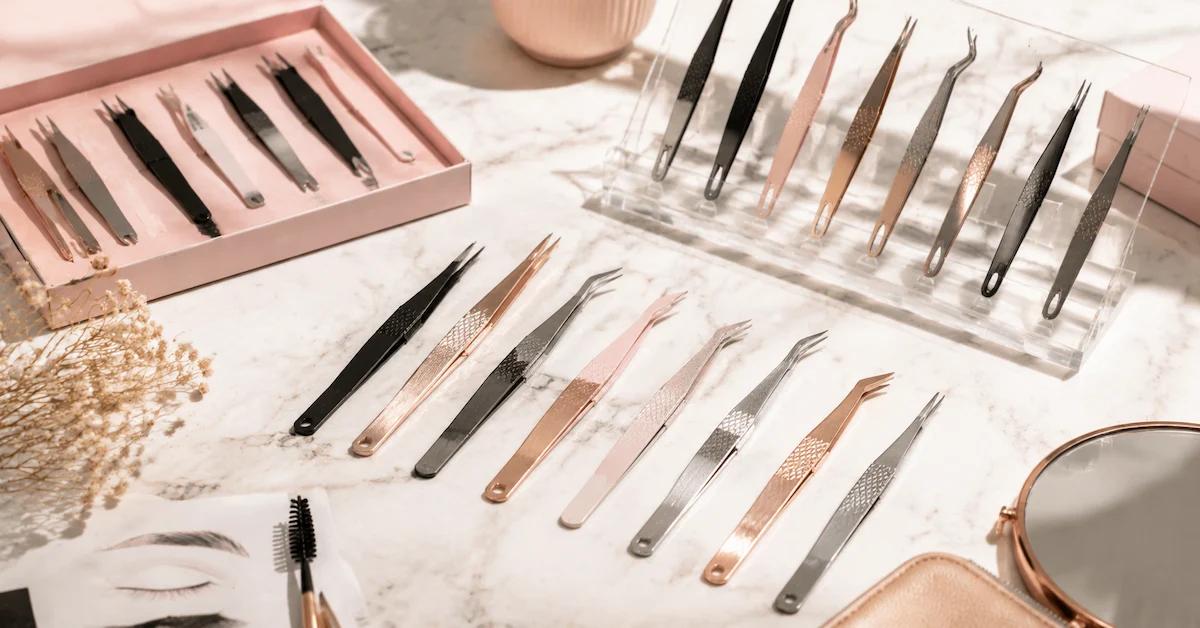
For example, curved tweezers such as the Precision Pro Curved Tweezers mentioned by Olimor Beauty are designed for controlled, detailed work where visibility and access angle matter. Curved tips can help users approach fine hairs or lash placement with more comfort than a straight profile in certain applications. However, the best option still depends on the professional technique, target customer, and product position.
When preparing a sourcing brief, identify the primary application, buyer segment, expected packaging format, and whether the tweezers will be sold individually, in a set, or as part of a broader beauty kit. You can also compare related categories through Olimor’s beauty tool products to see how tweezers may fit into a wider retail or salon range.
Quality Factors That Matter in Professional Tweezers
Professional users quickly notice inconsistencies in tweezers. A pair that slips, pinches unevenly, feels rough at the edges, or loses alignment too soon can create frustration and reduce trust in the brand. When evaluating a tweezers supplier, focus on measurable and observable quality factors rather than broad marketing claims.
- Tip alignment: The two tips should meet cleanly and evenly. Poor alignment causes slipping and makes precise work harder.
- Grip performance: The tweezers should hold fine hairs or delicate items without requiring excessive force.
- Hand feel: Edges, tension, and surface finish should feel comfortable during repeated use.
- Material suitability: Olimor Beauty identifies stainless steel construction for its Precision Pro Curved Tweezers. Stainless steel is widely used for beauty tools because it supports durability and corrosion resistance when properly finished and maintained.
- Surface finish: A smooth, consistent finish supports cleanliness, retail presentation, and user comfort.
- Rust resistance and longevity: These qualities depend on material choice, finishing, handling, storage, and care instructions, not only on the product description.
A reliable supplier should be willing to discuss how these points are checked before packing. Internal quality control is especially important for tweezers because small defects can affect performance. Even slight tip inconsistency can change the user experience.
How to Compare Wholesale Tweezers Suppliers
Wholesale sourcing is often the right route for retailers, distributors, e-commerce sellers, and beauty schools that need consistent stock without developing a fully custom product. A tweezers wholesaler should offer stable product availability, clear product descriptions, and packaging options suited to your market.
When comparing wholesale tweezers, avoid judging only by catalog images. Request practical information that helps you assess whether the tool matches your customer’s expectations. This can include dimensions, product finish, packaging format, care guidance, and whether the same item can be reordered consistently. If your business sells across multiple beauty categories, review Olimor’s product collections to plan how tweezers might coordinate with other beauty tools.
| Evaluation Area | What to Check | Why It Matters |
|---|---|---|
| Tip precision | Alignment, closure, grip consistency | Determines whether the tweezers can perform detailed grooming or lash tasks effectively |
| Material and finish | Stainless steel use, surface smoothness, corrosion-resistant finish | Affects durability, appearance, and customer confidence |
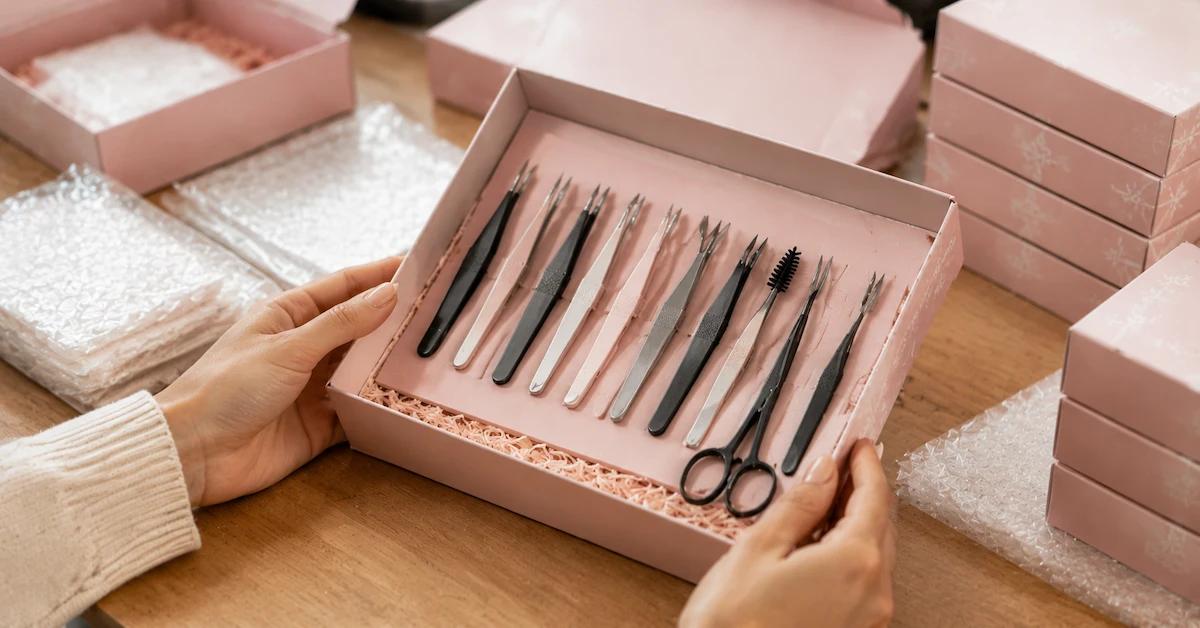
| Packaging | Retail-ready packaging, protective sleeve, labeling options | Helps reduce transit damage and supports shelf or online presentation |
| Reorder consistency | Whether the same shape and finish can be supplied again | Protects product reviews and repeat customer expectations |
| Communication | Clear answers on product details, timelines, and customization scope | Reduces sourcing mistakes and delays |
When OEM Tweezers Make Sense
OEM sourcing is useful when your brand needs a tool that feels more specific to your positioning. This can involve changes to the design, material selection, finish, logo placement, packaging, or product set configuration. Olimor Beauty provides tweezers OEM support for businesses that want to develop custom tools rather than purchase standard wholesale items.
OEM is not always necessary. If your business is testing a new category or launching quickly, wholesale tweezers may be more efficient. If you already know your market and want a stronger brand identity, OEM can help create a more controlled product experience. The best decision depends on your budget, launch timeline, order planning, and how much differentiation your customers expect.
For OEM development, prepare a clear brief before production discussions. Include preferred tweezer shape, target application, packaging style, logo requirements, surface finish preference, and any market requirements relevant to your selling region. If you are unsure which direction fits your business, you can contact Olimor with your sourcing goals and compare suitable options.
Important Manufacturing and Inspection Questions
A professional tweezers China manufacturer should be able to explain how production and inspection are managed in practical terms. The purpose is not to collect complicated technical language, but to confirm that the supplier understands the details that affect performance.
- How is tip alignment checked? Tweezers depend on precise closure. Ask how alignment is inspected before packing.
- What material is used for the selected item? Stainless steel is common in professional beauty tools, but confirm the material for the exact product you are ordering.
- How is the surface finished? The finish affects appearance, comfort, and corrosion resistance.
- How are items protected during shipping? Tip protection and stable packaging help prevent damage before the product reaches your warehouse or customers.
- What customization options are available? Clarify logo, finish, packaging, and design adjustment possibilities early.
- How are samples reviewed? Decide how you will test grip, closure, comfort, and packaging before approving larger orders.
These questions help you compare suppliers on real operating capability rather than broad claims. They also create a shared quality standard before production begins.
Packaging and Retail Presentation
Packaging is more than decoration for tweezers. It protects the tips, supports hygiene perception, communicates the tool’s purpose, and influences customer confidence. For retail, packaging should make the product easy to understand: is it for brows, lashes, general grooming, or professional use? For salon supply, packaging may need to be efficient, protective, and easy to store.
Brands should also consider care instructions. Stainless steel tweezers can be durable and rust resistant, but customer handling still matters. Clear guidance on cleaning, drying, and storage can reduce complaints and extend the perceived life of the tool. If tweezers are sold online, packaging must also withstand fulfillment handling and shipping movement.
Maintenance Guidance to Support End Users
A supplier’s responsibility does not end with manufacturing. Useful product guidance helps your customers get better results. Tweezers should be kept clean, dried after contact with moisture, and stored so the tips are not bent or knocked out of alignment. Users should avoid dropping precision tweezers or using them for tasks outside beauty and grooming applications, such as prying or scraping hard materials.
For professional settings, establish cleaning and storage routines consistent with local salon hygiene practices. For consumer retail, concise care information on packaging or product pages can reduce misuse. A simple maintenance message can protect both the tool and your brand reputation.
Building a Long-Term Supplier Relationship
The best tweezers supplier is one that supports repeatable quality, clear communication, and realistic product development. As your business grows, you may need additional finishes, packaging versions, or coordinated beauty tool sets. Working with a supplier that understands wholesale and OEM pathways makes it easier to expand without restarting the sourcing process each time.
Olimor Beauty works with buyers seeking professional beauty tools, wholesale tweezers, and custom tweezer development. Whether you are building a retail line, sourcing tools for salons, or planning a private label project, focus on tip performance, material clarity, packaging protection, and inspection standards from the beginning. To discuss a potential order or custom project, you can send an inquiry with your product requirements and target application.
Reliable tweezers sourcing comes down to precision, consistency, and fit for purpose. When those points are handled well, the final product is easier to sell, easier to use, and more likely to earn repeat trust from professional and consumer buyers.
Tag: