

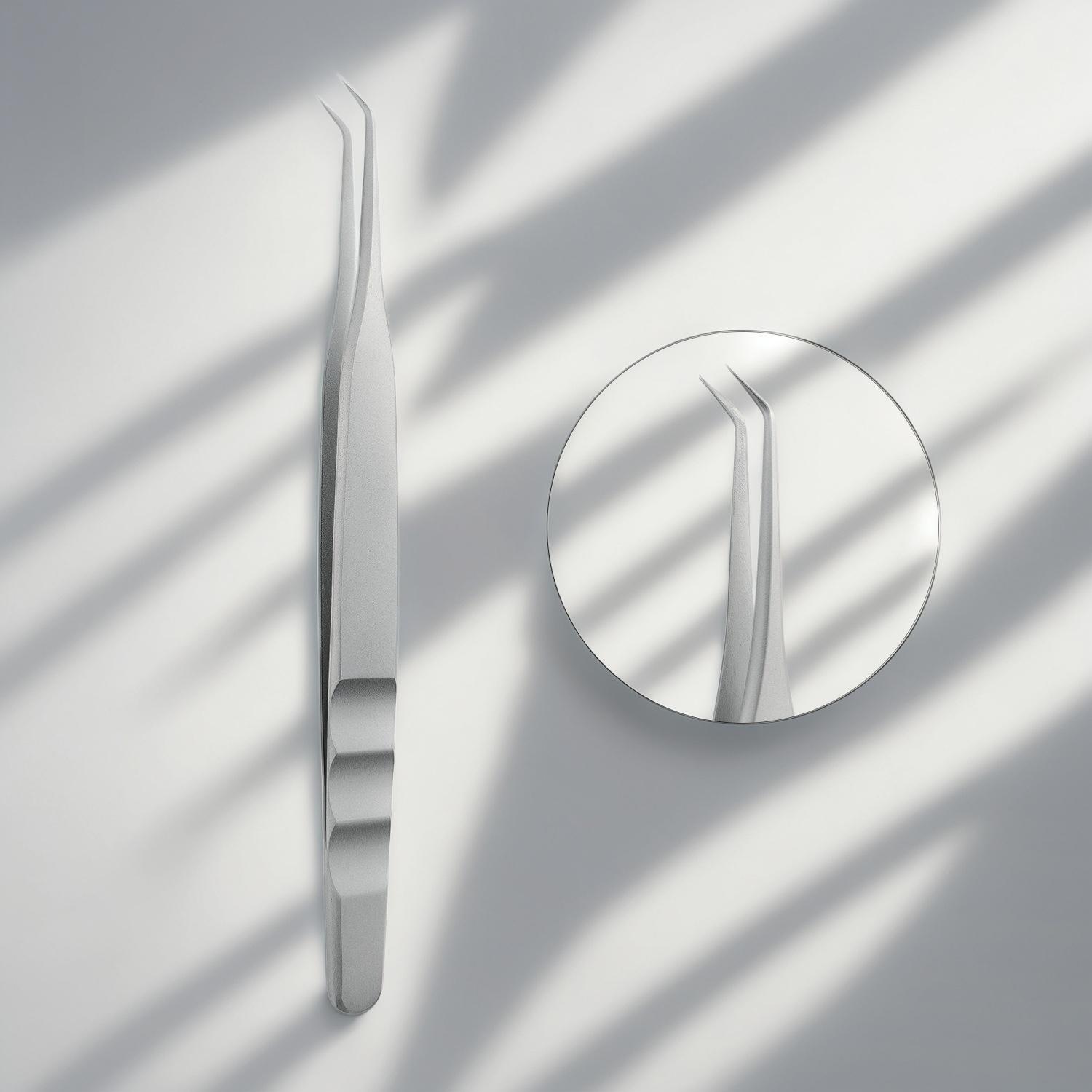
Eyelash Extension Tools for Salon Buyers and Lash Professionals
Eyelash extensions are no longer a niche add-on in beauty services. For many salons, lash studios, brow bars, and multi-service beauty businesses, they are a repeat-service category that depends on precision, hygiene, and consistent product quality. A beautiful lash set is not created by adhesive and fibers alone. The tools used to isolate, pick up, place, correct, and remove extensions affect speed, comfort, and the final look.
For B2B buyers, the challenge is practical: how do you choose eyelash extension supplies that support daily professional work without overbuying, under-specifying, or compromising service quality? The answer starts with understanding what matters at the treatment table. Lash artists need tools that feel balanced in the hand, grip reliably, clean properly, and remain dependable through repeated use. Salon owners need purchasing decisions that reduce interruptions, simplify training, and support consistent results across multiple technicians.
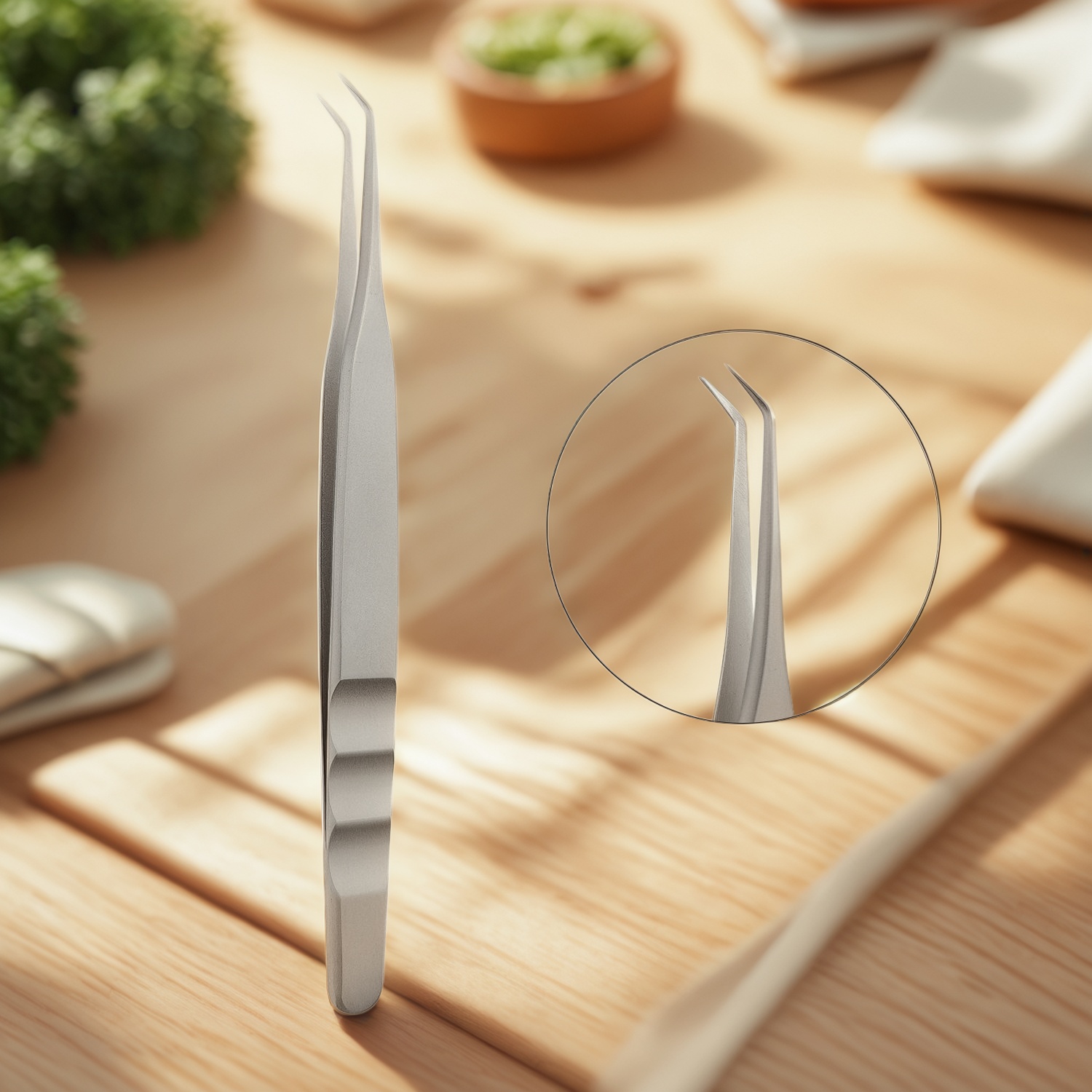
Why Eyelash Extensions Depend on Tool Precision
Eyelash extensions involve applying individual fibers to natural lashes to create a fuller, more defined lash line. The process may look simple to a client, but technicians know that small details decide the outcome. A tweezer tip that does not meet evenly can make isolation slower. A tool that feels too heavy may increase hand fatigue during long appointments. Poor grip can affect placement accuracy and may lead to wasted product.
Professional lash work typically includes several delicate steps: preparing the lash area, isolating natural lashes, picking up extensions, dipping into adhesive, placing the extension, checking separation, and finishing the set. Each step requires control. Because technicians often repeat the same micro-movements for extended periods, tool comfort is not a luxury; it directly affects workflow and consistency.
For salons adding or expanding lash services, tool selection should be treated as part of service design. The goal is not simply to buy a set of tweezers or accessories. The goal is to build a station where technicians can work cleanly, repeatably, and confidently.
Core Selection Criteria for B2B Beauty Supplies
When purchasing lash supplies for professional use, it is useful to separate aesthetic preferences from performance requirements. Color, finish, and packaging may matter for brand presentation, but working quality should come first. Buyers comparing beauty tool products should evaluate how each item supports real salon use.
- Tip alignment: For lash tweezers, the tips should meet cleanly and consistently. Uneven contact can reduce grip and make isolation more difficult.
- Grip response: The tool should hold fine fibers securely without requiring excessive pressure. Overly stiff tools may increase strain during long services.
- Hand comfort: Shape, weight, and balance should suit repeated professional use. A comfortable tool helps technicians maintain accuracy over time.
- Material suitability: Stainless steel tools are valued in professional beauty settings because they can offer durability and are appropriate for regular cleaning routines when maintained correctly.
- Surface finish: Smooth surfaces without rough edges help reduce snagging and improve handling.
- Cleaning compatibility: Tools should fit the salon’s hygiene process and be easy to clean between services.
- Packaging protection: Tips and edges need adequate protection during storage and shipping, especially when buying in bulk.
These criteria are especially important for salons that train multiple technicians. If tools vary widely from batch to batch, staff may need to adjust technique too often. Consistency in supply supports consistency in service.
Matching Tools to Lash Service Workflows
Not every lash service uses tools in the same way. Classic sets, volume sets, fills, corrections, and removals can create different demands. A buyer does not need to invent a complicated procurement system, but it helps to map tools to services before placing bulk orders.
For classic lash extensions, isolation and single-fiber placement are central. Technicians often prefer tools that provide stable control and clear visibility around the lash line. For more detailed work, such as separating fine lashes or correcting placement, precise tips become even more important. For removal or maintenance services, comfort and hygiene procedures matter because the technician may be working near sensitive eye areas for an extended period.
Multi-service salons should also consider how lash tools fit alongside hair, brow, nail, and skincare supplies. A salon purchasing hair salon supplies in bulk may be tempted to add lash tools as a small accessory category. That can work, but lash tools should not be treated as generic metal accessories. The tolerance needed for lash placement is much finer than many general grooming tasks. A dedicated evaluation process helps prevent service delays and technician frustration.
Bulk Buying Without Losing Quality Control
Bulk purchasing can help salons, distributors, and training businesses manage inventory more efficiently, but it should be done with clear checks. Buying more units only makes sense when the product meets the working standard. Before committing to larger quantities, buyers can create a simple review process that covers performance, packaging, and after-sale practicality.
- Define the use case: Decide whether the tools are for classic extension work, volume techniques, training kits, retail add-ons, or general salon backup stock.
- Review working feel: Have experienced technicians test grip, pressure, balance, and visibility during normal lash movements.
- Check consistency: Compare multiple units, not just one sample, to see whether alignment and finish remain stable.
- Confirm hygiene handling: Make sure the tools can be cleaned and stored according to your salon’s sanitation workflow.
- Inspect packaging: Look for protection that prevents tip damage during transport and storage.
- Plan reorder timing: Estimate how many tools are needed for active stations, training, backup, and replacement.
This approach is useful for salon chains and small studios alike. A two-chair lash studio may need fewer units, but it still needs tools that perform consistently. A distributor may buy larger quantities, but it also needs confidence that the tools meet the expectations of different professional users.
Maintenance Practices That Protect Tool Performance
Even a well-made lash tool can underperform if it is stored carelessly or cleaned incorrectly. Because lash extension work depends on very fine contact points, small damage to a tweezer tip can affect grip. Salons should build tool care into daily operating procedures rather than leaving it to individual habits.
After service, tools should be cleaned according to the salon’s hygiene protocol and stored in a way that protects tips from impact. Avoid tossing precision tools into shared drawers where they can knock against scissors, metal implements, or hard surfaces. If tools are transported between rooms or used in training, protective sleeves or cases help reduce accidental damage.
Technicians should also be encouraged to report changes in tool feel. If a tweezer suddenly slips, feels misaligned, or requires more pressure than usual, it should be inspected before the next client. Keeping backup tools available prevents rushed appointments and protects the client experience.
How Olimor Beauty Fits Professional Beauty Tool Sourcing
Olimor Beauty focuses on beauty tools for professional and wholesale buyers, including stainless steel tools such as specialized tweezers. For eyelash extension services, this category is relevant because precision hand tools play a direct role in application control and service efficiency. Buyers comparing product collections can evaluate which tools fit their lash, brow, manicure, pedicure, or general salon programs.
For sourcing teams, the most productive conversation is usually not only about a single item. It is about how the tool will be used, who will use it, how often it will be cleaned, how it will be packaged, and how it will fit into the buyer’s product range. A training academy may prioritize consistent student kits. A lash studio may prioritize technician comfort and dependable replacements. A distributor may prioritize a clear product mix that serves different professional segments.
If you are preparing a new lash service launch or reviewing your existing supply list, organize your needs before you send an inquiry. Include the intended use, quantity planning, preferred tool categories, and packaging expectations. For broader sourcing questions, you can also contact Olimor to discuss how professional beauty tools can fit your salon or wholesale buying plan.
Buyer Checklist for Eyelash Extension Supply Decisions
A clear checklist helps prevent rushed purchasing and makes it easier to compare options. Use the following points when reviewing eyelash extension tools and related B2B beauty supplies:
- Does the tool support the exact lash service you provide or plan to offer?
- Do technicians find the grip and pressure comfortable during realistic use?
- Are the tips aligned and protected during packaging and storage?
- Is the material suitable for your cleaning and handling procedures?
- Can you maintain enough stock for active stations, backup, and replacement?
- Will the tool be easy for new staff or trainees to learn with?
- Does the supplier offer a product range that fits your wider salon purchasing needs?
Eyelash extensions can strengthen a salon’s service menu, but only when the operational details are handled well. The right tools help technicians work more accurately, reduce avoidable delays, and deliver a cleaner client experience. For professional buyers, careful selection is not about buying the most complicated product list. It is about choosing reliable, service-appropriate tools that support daily work from the first appointment to the final fill of the week.
Tag: