

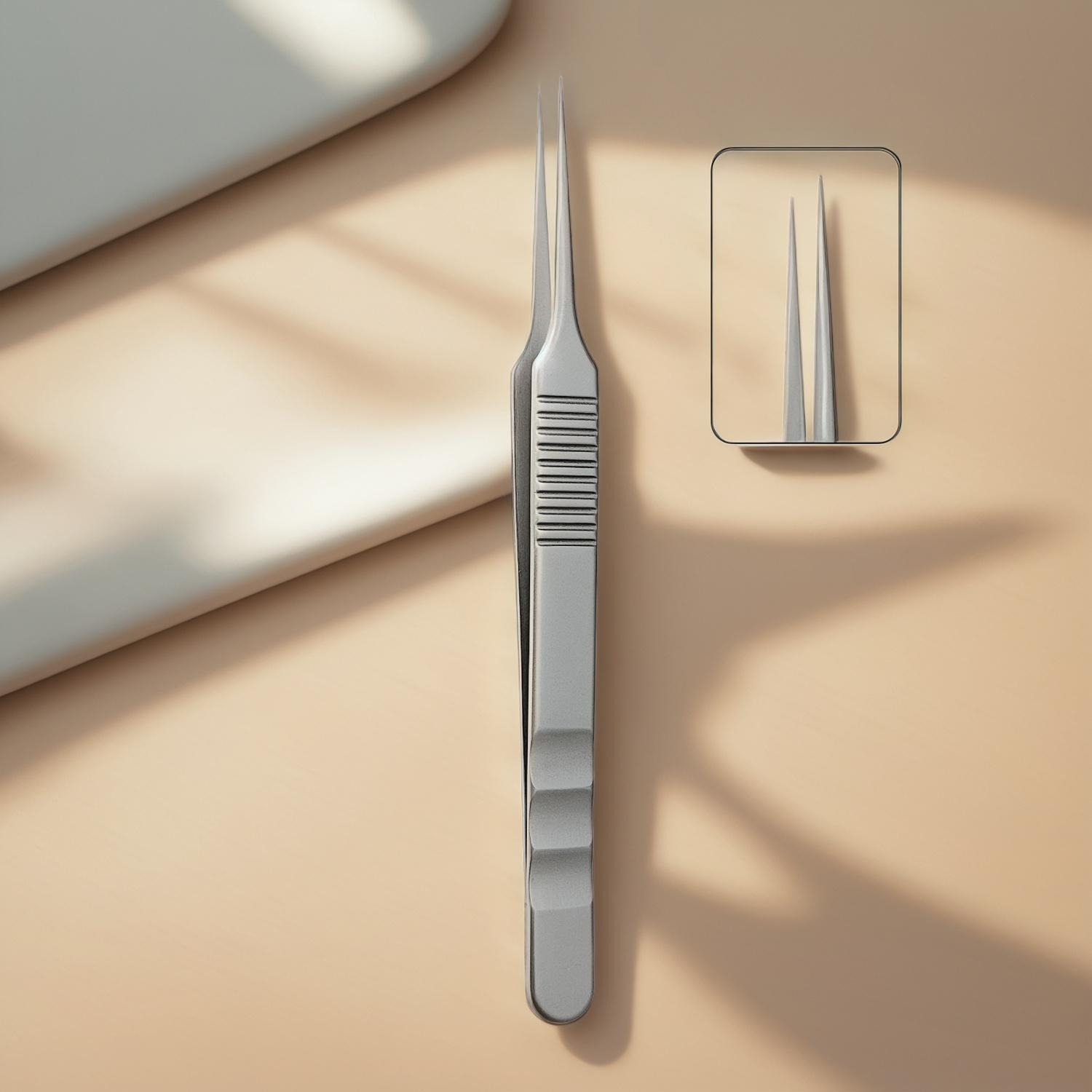
How to Choose Precision Tweezers for Eyelash Extension Work
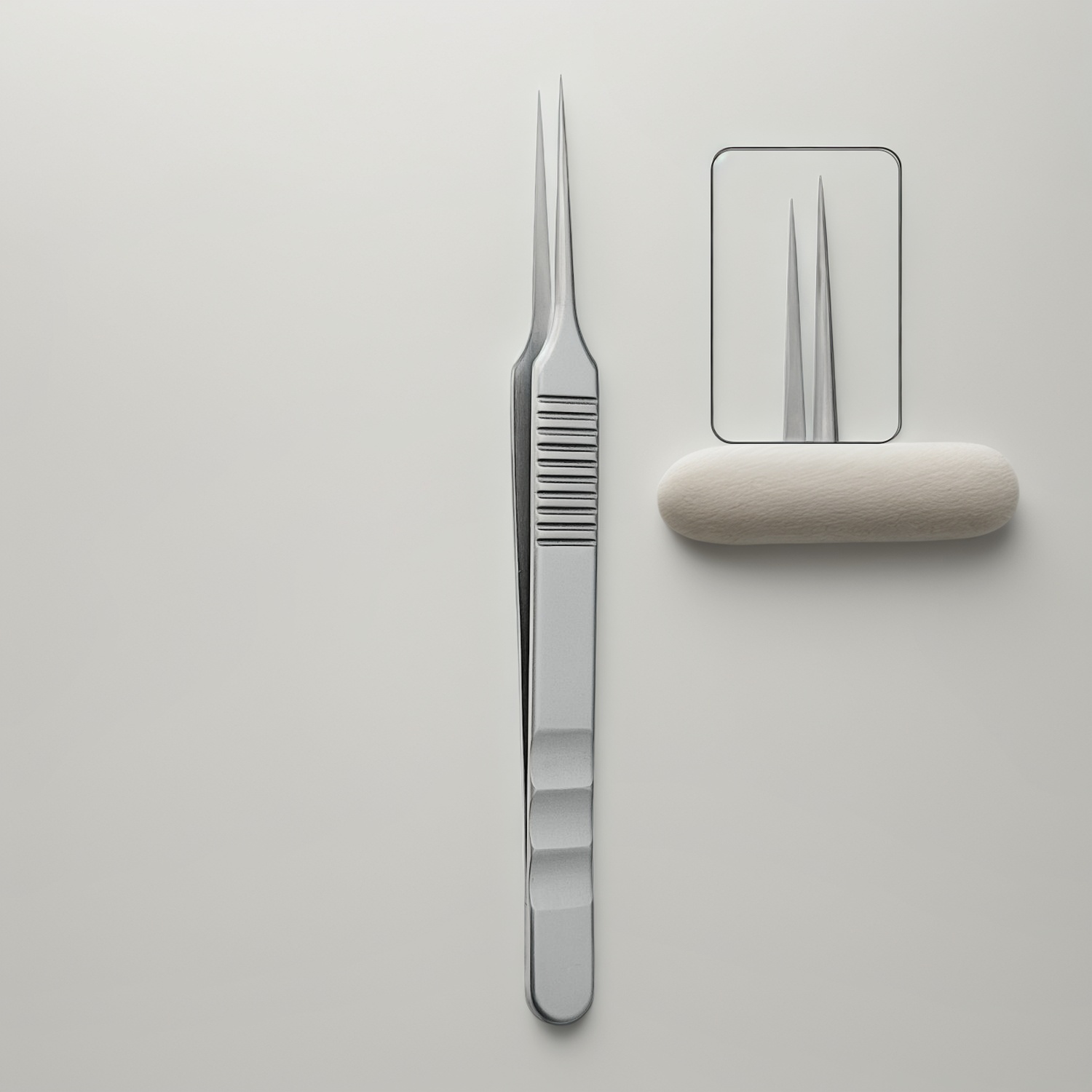
Precision tweezers are one of the most important hand tools in eyelash extension services. Lash quality, adhesive choice and technician skill all matter, but the tweezer controls the moment of isolation, pickup and placement. For salons, lash academies, distributors and beauty supply buyers, the best purchase decision is not based on appearance alone. It is based on whether the tool helps a trained technician work accurately, comfortably and consistently during repeated services.
Olimor Beauty supplies Stainless Steel Fine-Tip Tweezers for professional beauty use, including eyelash extension application. These tweezers are positioned for detailed lash work where clean separation, controlled pickup and steady placement are required. This guide explains how to evaluate stainless steel fine-tip tweezers for salon use or B2B sourcing without relying on vague claims, unnecessary specifications or fashion-driven descriptions.
If you are comparing lash tools as part of a wider beauty tool range, start with the practical questions: Do the tips meet evenly? Does the tool grip fine lash fibers without crushing them? Is the surface smooth enough for routine cleaning? Does the handle feel comfortable during a full appointment? Those details determine whether a tweezer is truly useful at the lash station.
What Precision Tweezers Do in Eyelash Extension Services
Eyelash extension application requires work on very small materials close to the eye area. A technician must isolate one natural lash, keep surrounding lashes away and place an extension with controlled movement. Fine-tip tweezers are used because they allow access to tight spaces and help the technician handle individual fibers with minimal pressure.
Most lash services use tweezers for two main functions: isolation and application. Isolation involves separating one natural lash so the extension can be attached without sticking to neighboring lashes. Application involves picking up an extension fiber and guiding it into position. Some lash artists use one type of tweezer for isolation and another for pickup, while others choose their tweezer shape based on hand position and service style.
Stainless Steel Fine-Tip Tweezers from Olimor Beauty are intended for precise handling in eyelash extension work. Fine tips are useful when accuracy is more important than broad gripping strength. A well-selected tool supports the technician’s control, but it should still be matched to the lash artist’s technique, hand comfort and salon procedure.
Why Tip Alignment Matters More Than Tool Appearance
The most important inspection point for lash tweezers is tip alignment. When the tweezer closes, both tips should meet evenly at the working point. If one side closes before the other, lightweight lash fibers may slip, twist or be picked up inconsistently. This can interrupt rhythm during a service and create avoidable corrections.
For B2B buyers, tip alignment is also a consistency issue. A single attractive sample is not enough to prove that a batch will perform well for salon professionals. When assessing tweezers for distribution, salon kits or academy use, inspect more than one piece. Check the closing point, the smoothness of the tip area and whether each tool feels similar in hand tension.
Fine tips should be refined enough for detailed work, but not so delicate that they feel unsuitable for repeated professional handling. The tweezer should not be used as a scraping, cutting or prying tool. It is a precision instrument for lash work, and its performance depends on keeping the tip shape intact.
Stainless Steel as a Practical Material for Lash Tools
Stainless steel is widely used for professional beauty tools because it is durable and suitable for regular cleaning routines. For eyelash extension tweezers, stainless steel is a practical starting point because tools are handled frequently, cleaned between uses and stored with other salon instruments. A smooth stainless steel surface is generally easier to wipe and maintain than porous or poorly finished materials.
The supplied Olimor product information identifies these as stainless steel fine-tip tweezers and highlights durability and comfortable grip. These points are commercially relevant for salons and beauty suppliers because lash tweezers are not single-use accessories. They must withstand repeated handling while retaining tip alignment and a professional appearance.
Material alone does not guarantee performance. Buyers should also evaluate finishing, edge smoothness, tension and overall consistency. Rough edges near the tip can interfere with handling and may feel unprofessional. Uneven surface finishing may also make cleaning less efficient. When purchasing for a salon team or resale channel, ask for clear product communication and inspect samples before making larger buying decisions.
Selection Checklist for Salons, Academies and Distributors
Different buyers have different priorities. A solo lash artist may focus on personal comfort and preferred hand position. A salon manager may need a reliable tool that multiple technicians can use consistently. A beauty academy may need tweezers that help students practice accurate isolation. A distributor may evaluate packaging, repeatability and suitability within a professional lash tool assortment.
The checklist below can help structure a practical evaluation before adding stainless steel fine-tip tweezers to a salon kit, training program or B2B catalog.
| Evaluation point | Why it matters | Practical inspection method |
|---|---|---|
| Tip alignment | Aligned tips improve pickup control and reduce slipping. | Close the tweezer gently and confirm both tips meet evenly at the working point. |
| Tip fineness | Fine tips help isolate individual natural lashes and guide extensions. | Check whether the tips are refined for lash work without feeling easily damaged. |
| Grip comfort | Comfort affects control during long appointments and repeated use. | Hold the tweezer in a normal working position and test opening and closing tension. |
| Surface finish | Smooth finishing supports cleaning and professional presentation. | Look for burrs, sharp unintended edges, rough patches or uneven polishing. |
| Consistency across units | B2B orders require repeatable quality, not only one good sample. | Inspect several pieces from the same supply before wider purchasing. |
| Packaging and protection | Fine tips can be damaged during shipping, storage or salon handling. | Confirm that the tweezers can be supplied or stored in a way that protects the tips. |
| Fit with product range | Retailers and distributors need tools that match customer expectations. | Compare the tweezer with other lash tools in your professional assortment. |
How Better Tweezers Support Salon Workflow
A lash service depends on rhythm. The technician isolates, picks up, places, checks direction and continues across the lash line. When tweezers slip or fail to grip properly, the technician may need to re-isolate the lash or discard a mispositioned extension. Even small interruptions can reduce confidence and make the appointment feel less controlled.
Reliable fine-tip tweezers help reduce one common source of frustration. They do not replace training, but they support trained technique. For newer lash artists, a predictable tweezer makes it easier to focus on attachment direction, adhesive amount and client comfort. For experienced technicians, a stable tool supports a smoother pace without encouraging rushed work.
For salon owners, tool consistency also supports service standardization. If each technician is using a different tool quality, results and workflow may vary. Supplying consistent stainless steel fine-tip tweezers across workstations can make training and quality review easier. For beauty supply buyers, this makes lash tweezers a practical product category where small manufacturing and inspection details affect customer satisfaction.
Cleaning, Hygiene and Maintenance Considerations
Lash tweezers are used near the eye area, so cleaning and storage practices should be taken seriously. Salons should follow applicable local hygiene rules, manufacturer instructions for cleaning products and the requirements of relevant cosmetology or health authorities. Public bodies such as the CDC provide general infection control principles, and state or provincial cosmetology boards may set specific salon requirements. Always verify current versions of rules and supplier documents before setting a procedure.
Stainless steel supports regular cleaning, but fine-tip tools still require careful handling. Dropping a tweezer, storing it loosely with heavier metal tools or using it for non-lash tasks can damage the tips and reduce accuracy. A damaged tweezer may still look usable at first glance, so regular inspection is important.
- Clean after use: Follow the salon’s hygiene procedure and use methods appropriate for stainless steel beauty tools.
- Protect the tips: Store tweezers in a case, sleeve or organized tray so the tips do not strike hard surfaces.
- Inspect before appointments: Check for bent tips, residue, rough spots or changes in closing alignment.
- Separate by function: Keep lash tweezers dedicated to lash services instead of using them for general salon tasks.
- Train staff on handling: Make sure technicians and students understand that fine-tip tweezers are precision tools.
Maintenance is especially important in academies and busy salons where multiple people may handle the same tools. Clear storage rules and a simple inspection habit can help preserve tool performance and reduce avoidable replacement.
Cost Factors When Buying Lash Tweezers in Bulk
Price is important in B2B purchasing, but the lowest unit cost is not always the best value. Lash tweezers that lose alignment quickly, arrive with inconsistent finishing or require frequent replacement can create hidden costs for salons and distributors. A better evaluation looks at purchase price together with usability, inspection results, packaging protection and supplier communication.
Common cost factors include material, finishing process, packaging, order quantity, customization requirements and shipping arrangement. Buyers should not assume that all stainless steel tweezers are equivalent. Two tools may both be described as stainless steel fine-tip tweezers, yet differ in tip finishing, closing tension, surface smoothness and consistency across units.
Before requesting a quotation, prepare a short product brief. Include the intended market, tweezer function, packaging expectations, branding needs and whether the product will be used in salons, training kits or resale. This helps the supplier respond more accurately and reduces back-and-forth communication. You can review broader beauty tool options through Olimor’s professional beauty tool products and compare how lash tweezers fit within your assortment.
Common Problems and What to Check First
Many tweezer problems are easy to describe but require careful inspection to solve. If a technician reports that the tweezer does not grip, do not assume the design is wrong immediately. Check whether the tips are contaminated with adhesive residue, bent from a drop or misaligned from improper storage. Also confirm whether the tweezer type matches the technician’s intended use.
Lashes slip during pickup
First check tip alignment and cleanliness. Residue on the tips can reduce grip. If the tips no longer meet evenly, the tool may not hold fine lash fibers reliably.
Hand feels tired during long services
Review grip comfort and closing tension. A tool that requires too much pressure can create fatigue. A tweezer that feels too loose may also reduce control.
Tips bend or become damaged
Review storage and handling habits. Fine tips should be protected from drops, pressure and contact with heavier tools. Use a case, sleeve or separated tray.
Quality varies across pieces
For B2B buyers, request samples and inspect multiple units before scaling the order. Consistency is a key supplier evaluation point, particularly for distributors and training programs.
Supplier Evaluation for B2B Beauty Buyers
When sourcing precision lash tweezers, evaluate both the product and the supplier’s communication. A dependable supplier should be able to discuss intended use, product category, packaging needs and inspection expectations clearly. Buyers should avoid vague specifications and instead focus on details that affect professional use.
Olimor Beauty provides stainless steel fine-tip tweezers for eyelash extension application and serves professional beauty supply needs. If you are building a lash category, expanding a salon equipment range or preparing private-label discussions, compare the tweezers with related tools in Olimor’s beauty tool collections. Consider how the product will be presented to salons, lash technicians, academies or retail buyers.
Useful questions for supplier evaluation include: What is the tool intended for? How are the tips protected during packaging and transport? Can samples be reviewed before larger purchasing? What customization or packaging communication is available? What quality checks are used before shipment? Do not rely on assumptions; request current supplier documents and product confirmation before placing a larger order.
Practical Buying Recommendation
Choose stainless steel fine-tip tweezers when your priority is accurate lash isolation, controlled extension pickup and professional durability. For salons, the right tweezer supports smoother service flow and more consistent technique. For distributors and beauty supply buyers, it is a compact but important product where inspection details strongly influence customer satisfaction.
Before ordering, evaluate tip alignment, tip fineness, grip comfort, surface finish, packaging protection and consistency across sample units. Match the tweezer to the intended user, whether that is an experienced lash technician, a student in training or a salon team. If you are ready to discuss product options, packaging needs or sourcing requirements, send Olimor Beauty an eyelash tool inquiry or contact the team for product communication.
FAQ
Can I request samples before placing a larger order?
Sample availability should be confirmed directly with Olimor Beauty. For B2B buyers, reviewing samples is a practical way to inspect tip alignment, surface finish, grip comfort and suitability for your intended market before making a larger purchasing decision.
Is there a minimum order quantity for stainless steel fine-tip tweezers?
MOQ can depend on order type, packaging requirements and customization needs. Contact Olimor Beauty with your intended quantity, market and product requirements so the team can provide current purchasing information.
Can the tweezers be customized or supplied with specific packaging?
Customization and packaging options should be discussed during inquiry. Prepare details such as target market, branding needs, packaging style and whether the tweezers will be used for salon supply, training kits or resale.
How should buyers confirm quality before shipment?
Ask about product details, inspection expectations and sample review. Buyers should check tip alignment, finish, grip feel and packaging protection, and should verify current supplier documents rather than assuming specifications.
What affects lead time for B2B tweezer orders?
Lead time may be influenced by order quantity, packaging, customization and shipping arrangement. Request current lead time information during quotation instead of relying on general estimates.
Tag: