


Eyelash Extension Tweezers for Professional Salon and B2B Buying
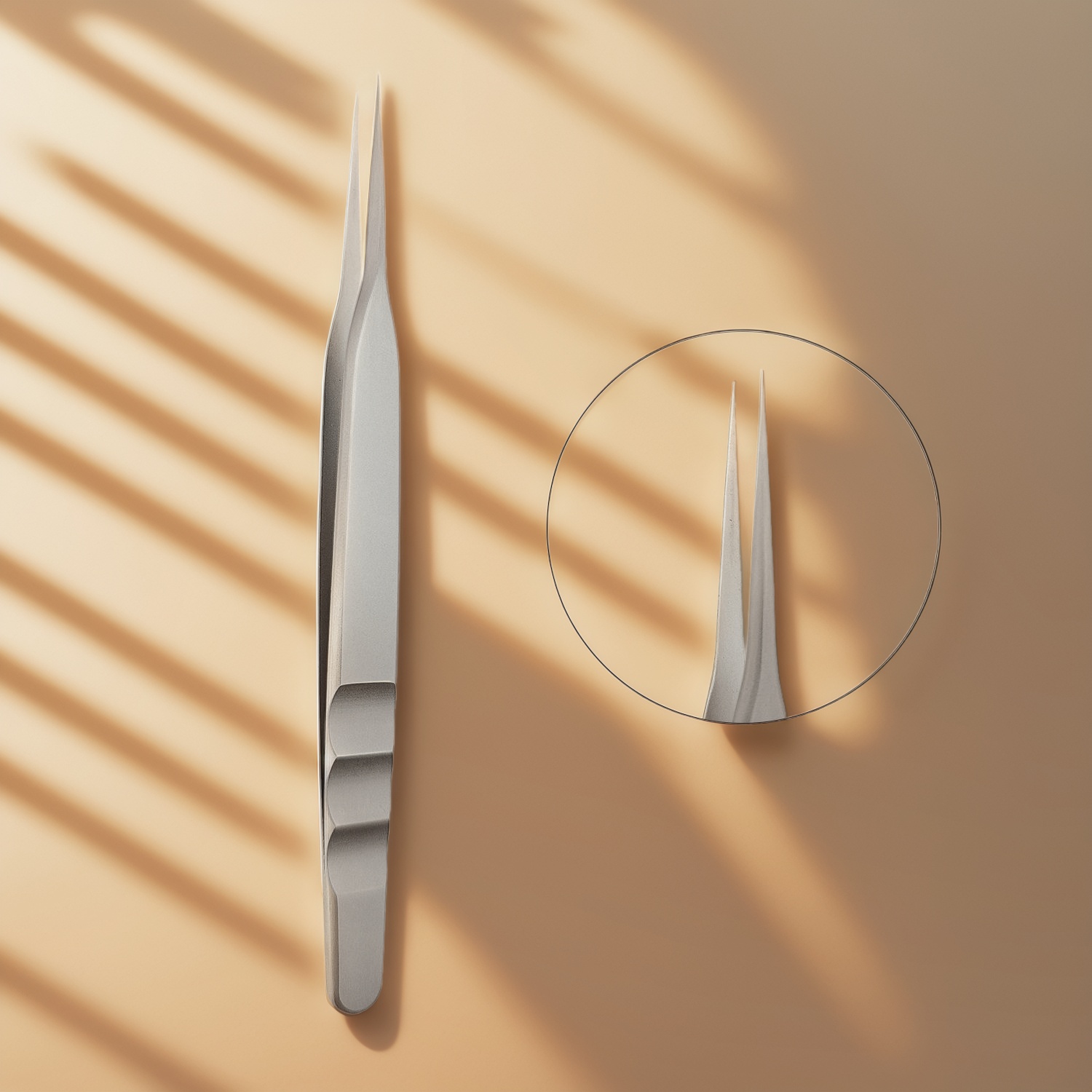
Eyelash extension tweezers are precision tools for isolating natural lashes, picking up extension fibers or fans, controlling placement and working efficiently through repeat salon appointments. For a lash studio, salon chain, beauty academy or distributor, the best buying decision is not based on appearance alone. It is based on tip alignment, grip response, comfort, cleanable finish, storage protection and consistency across multiple units.
Olimor Beauty supplies beauty tools for professional and personal care, including precision tweezers relevant to lash extension and detailed grooming tasks. Products mentioned in Olimor materials include Elite Precision Stainless Steel Tweezers, Deluxe Ombre Precision Tweezers and Luxé Grandeur Tweezers. This guide explains how to evaluate eyelash extension tweezers for daily salon work, how to inspect samples before a bulk order, and how to protect fine tips so tools remain useful for isolation, pickup and placement.
Why Lash Tweezers Matter in Professional Extension Services
Eyelash extensions are applied close to the eye area, one small working section at a time. A technician must separate a single natural lash, keep nearby lashes out of the adhesive area, pick up an extension or fan, guide it into position and release it without pulling or disturbing surrounding lashes. Because each step relies on controlled hand movement, the tweezer becomes one of the most important tools at the lash station.
A poorly matched tip may miss fine lashes or require extra squeezing. A tweezer with uncomfortable tension can make long appointments feel harder. A tool that is dropped or stored loosely can lose alignment, even if it still looks usable at first glance. In a busy salon, these small issues affect workflow: technicians may restart pickup attempts, switch tools during service or struggle to keep consistent spacing along the lash line.
For B2B buyers, tweezers also affect training and inventory planning. If every workstation uses tools with very different closing tension or tip behavior, it becomes harder to standardize technique across a team. Salons, academies and distributors should therefore evaluate eyelash extension tweezers as working instruments, not as simple accessories.
What to Look for When Choosing Eyelash Extension Tweezers
The right tweezer depends on service menu, technician preference and the salon’s hygiene and storage routine. Some lash artists prefer one shape for isolation and another for pickup or fan handling. Others work best with a compact set of familiar tools. The following selection criteria apply to most professional buying decisions.
- Tip alignment: The two tips should meet evenly when lightly closed. Visible gaps or crossing tips can reduce control during isolation and pickup.
- Tip fineness: Fine tips help technicians enter tight lash areas and separate natural lashes without catching nearby extensions.
- Grip response: The tweezer should close smoothly and predictably. Too much stiffness can increase hand fatigue, while too little resistance may reduce control.
- Comfort in hand: Lash work is repetitive and detailed. A stable, comfortable grip helps technicians work through classic sets, fills and detailed correction appointments.
- Material and finish: Olimor source information notes stainless steel construction for relevant precision tweezers. Stainless steel is commonly chosen for salon tools because it is durable and can support repeated professional cleaning when handled properly.
- Surface workmanship: Edges, finish and handle surfaces should feel smooth enough for comfortable use and practical cleaning.
- Task suitability: Isolation, extension pickup, placement and finishing may require different working angles. A salon may need a small assortment rather than one universal tool.
- Consistency across units: When buying hair salon supplies in bulk, multiple tools should feel similar enough that technicians can move between stations without changing technique.
Ombre or polished finishes can support a professional station presentation or retail kit, but performance should remain the main decision factor. Buyers comparing Olimor options can review the wider beauty tool product range and match tweezer selection to actual lash services rather than choosing only by visual style.
Matching Tweezer Features to Salon Workflow
A single independent lash artist may buy based on personal hand preference. A multi-technician salon, training room or wholesale buyer needs a more structured selection process. The goal is to equip each service area with tools that support the work being performed and remain easy to replace or reorganize.
Isolation Work
Isolation requires a clear view of the natural lash line and a tip that can separate one lash without slipping. The tweezer should feel stable when used in small, controlled movements. If the tip is too blunt, misaligned or hard to close, the technician may struggle around dense natural lashes or retained extensions during fills.
Pickup and Placement
During pickup, the gripping area must hold an extension or fan securely without crushing it. During placement, the tool helps control angle and direction before release. A predictable grip response matters because the technician should not need to over-squeeze or adjust hand position repeatedly.
Fills, Corrections and Finishing
Fill appointments often involve working around retained extensions, grown-out lashes and uneven growth stages. The technician needs controlled separation and careful handling. Tweezers may also support finishing work, such as adjusting small sections or removing stray fibers according to salon procedure.
Training and Shared Stations
In academies and team salons, consistent tools make instruction easier. If students or new staff practice with tools that vary widely in tension and tip contact, technique feedback becomes less reliable. B2B buyers should test several units, not just one sample, before approving a tool for shared workstations or wholesale programs.
Comparison Table: Practical Buying Checks for Lash Tweezers
| Buying checkpoint | Why it matters for eyelash extensions | What to review before ordering |
|---|---|---|
| Tip closure | Uneven tips can miss fine natural lashes or fail to hold extension fibers. | Lightly close the tweezer and check whether the tips meet smoothly without visible gaps. |
| Grip tension | Excessive resistance can cause fatigue; weak response can reduce control. | Simulate isolation and pickup motions rather than judging from a quick squeeze only. |
| Handle comfort | Technicians repeat small movements through long appointments. | Ask more than one technician to test hand position, balance and stability. |
| Surface finish | Rough areas can affect cleaning, handling and professional presentation. | Inspect edges, finish consistency and any decorative coating or color effect. |
| Packaging protection | Fine tips can bend during transport or storage if not protected. | Confirm tips are separated, covered or otherwise protected before tools enter inventory. |
| Batch consistency | Salons need predictable performance across multiple workstations. | Review several sample pieces from the intended order, not only a single display unit. |
| Storage compatibility | Loose storage can damage alignment and shorten useful tool life. | Plan cases, trays, dividers or station-level organization before distributing tools. |
Bulk Buying for Salons, Beauty Schools and Distributors
Bulk purchasing is useful when a business needs reliable access to daily-use tools, but a larger order should not mean a lower inspection standard. Eyelash extension tweezers have fine working tips, and small defects can affect salon performance. A tool can look acceptable in packaging yet still fail to grip predictably if the tip alignment is off.
Before confirming a B2B order, define exactly how the tweezers will be used. A lash-only studio may need more isolation and pickup tools. A beauty school may need duplicate sets for practice stations. A distributor may need an assortment that serves lash artists, brow specialists and precision grooming customers. Buyers can browse Olimor product collections for salon assortment planning and then narrow the order around service categories.
- Define the service use: Decide whether the tools are intended for classic application, fills, volume pickup, isolation, brow grooming or mixed precision grooming.
- Request or inspect samples: Review tip closure, grip feel, finish, packaging protection and overall workmanship before scaling the order.
- Test with technicians: Let multiple users handle the tool in realistic motions. One person’s preference may not represent the full team.
- Plan active and backup stock: Keep extra tools available for sanitation rotation, accidental drops, new staff onboarding or temporary removal from service.
- Organize by task: Store lash extension tweezers separately from general brow, skincare, hair or metal tools to reduce mix-ups and tip damage.
- Track purchasing records: Record which tools were ordered and when so future reorders remain consistent.
When evaluating cost factors, consider more than unit price. The practical cost of a lash tweezer includes rejected pieces, damaged tips, inconsistent station setup, replacement frequency, packaging protection, inspection time and whether the supplier can support repeat purchasing. A lower-priced tool that creates service interruptions may not be the better B2B choice.
Cleaning, Handling and Storage That Protect Precision
Even a well-made tweezer can lose performance through careless handling. The most common risk is impact damage. Dropping a tweezer, pressing fine tips against other metal implements or storing tools loose in a crowded drawer can bend the tips or change the closing action. Once alignment is affected, the technician may notice slipping, uneven grip or difficulty picking up fine lash extensions.
Salons should build tool care into the daily routine. After each service, tweezers should be cleaned and prepared according to the salon’s hygiene procedures, product instructions for cleaning agents and local professional requirements. If tools are soaked or disinfected as part of the salon process, they should not be left loose where tips can strike hard surfaces. Tools should be dried and stored in a way that protects the working ends.
Relevant public bodies and standards may vary by location and service type. Buyers and salon managers should check current guidance from their local public health authority and applicable workplace safety rules, such as OSHA requirements for chemical handling in the United States where relevant. If a supplier references a standard, sanitation method or documentation, buyers should verify the applicable version and request supporting supplier documentation. This guide does not claim that Olimor holds a specific certification or test result.
- Use protective caps, cases, trays or dividers to keep fine tips from colliding with other tools.
- Remove a tweezer from active service if the tips bend, no longer meet evenly or the closing feel changes noticeably.
- Avoid using lash extension tweezers as general-purpose tools for unrelated salon tasks.
- Label station sets or organize tools by technician when shared equipment creates confusion.
- Train staff to inspect tools before starting appointments, not only after a problem occurs.
Supplier Evaluation for B2B Beauty Supplies
For professional buyers, supplier evaluation should be practical and documentation-based. The supplier should be able to explain product options, provide clear product information and support purchasing for salons, studios, schools or distributors. Buyers should avoid relying on broad claims and instead ask questions tied to real use.
Useful supplier-evaluation phrases include: eyelash extension tweezers for salon bulk buying, professional lash tweezers with consistent tip alignment, stainless steel beauty tools for repeated salon cleaning, precision tweezers for lash isolation and pickup, and B2B beauty supplies for multi-station lash studios. These phrases reflect the actual buying intent: selecting tools that perform reliably in service and can be reordered with confidence.
When reviewing Olimor tools, buyers can begin with the professional beauty supplies catalog, compare the listed tweezer styles and then submit specific questions through the B2B inquiry page. Keep the request focused: intended use, desired assortment, packaging needs, customization interest, sample requirements and quality inspection expectations.
Practical Pre-Purchase Checklist
Use this checklist before approving eyelash extension tweezers for salon or wholesale purchasing. It helps connect technician needs with sourcing decisions and reduces the chance of ordering tools that look suitable but do not support daily work.
- Service fit: Does the salon need tools for isolation, classic application, volume pickup, fills, grooming or a mixed-use kit?
- Hands-on feel: Have technicians checked closing tension, balance, grip comfort and working angle?
- Tip inspection: Do the tips meet evenly under light pressure without gaps, crossing or rough contact?
- Cleaning workflow: Can the salon clean, dry and store the tweezers according to its hygiene procedure and local requirements?
- Storage plan: Are cases, protective caps, trays or dividers ready before tools are distributed?
- Bulk consistency: Have several units been reviewed rather than only one sample?
- Replacement rules: Does the team know when to remove a tweezer from service due to damage or changed performance?
- Supplier communication: Are sample, customization, packaging, documentation and reorder questions confirmed in writing?
FAQ
Can salons request samples before placing a larger tweezer order?
Many B2B buyers prefer to evaluate samples before committing to bulk purchasing. Use the sample review to check tip alignment, grip response, finish, packaging and technician comfort. Contact Olimor through the inquiry channel to discuss available sample options for the current product range.
Is there a fixed MOQ for eyelash extension tweezers?
MOQ can depend on the product, packaging, customization and order type. Buyers should not assume one standard quantity for every tweezer style. Share your intended use, assortment and purchasing plan with Olimor so the team can provide applicable order details.
Can eyelash extension tweezers be customized for a salon or distributor?
Customization may depend on the selected tool, finish, packaging and production requirements. If branding, assortment kits or packaging presentation are important, include those details in your inquiry so feasibility can be confirmed without relying on assumptions.
What quality checks should buyers perform on arrival?
Inspect tip closure, surface finish, grip tension, packaging protection and consistency across multiple units before placing tools into service or resale stock. Any tool with bent tips, visible gaps or inconsistent closing action should be separated for review.
How should buyers discuss lead time?
Lead time can vary by product availability, order size, customization and shipping arrangement. Ask for current timing during quotation and confirm the details in writing, especially when purchasing for a salon opening, training program or distributor launch.
Choosing the Right Olimor Tweezer Assortment
The best eyelash extension tweezer is the one that supports accurate isolation, secure pickup, clean placement and comfortable repeated use in your actual service environment. For salons, that means testing tools with working technicians. For beauty schools, it means choosing consistent tools that support instruction. For distributors, it means offering a practical assortment that professional customers can understand and reorder.
Olimor Beauty provides precision tweezer options within its beauty tool offering, including stainless steel and ombre-style products described for lash extension and precision grooming tasks. To build a reliable B2B buying plan, start with your service menu, inspect samples carefully, protect fine tips during storage, and confirm supplier details before scaling your order. For product selection or commercial purchasing questions, reach Olimor through contact support for beauty tool buyers.
Tag: