


Eyelash Extension Tweezers: Precision Tools for Consistent Salon Work
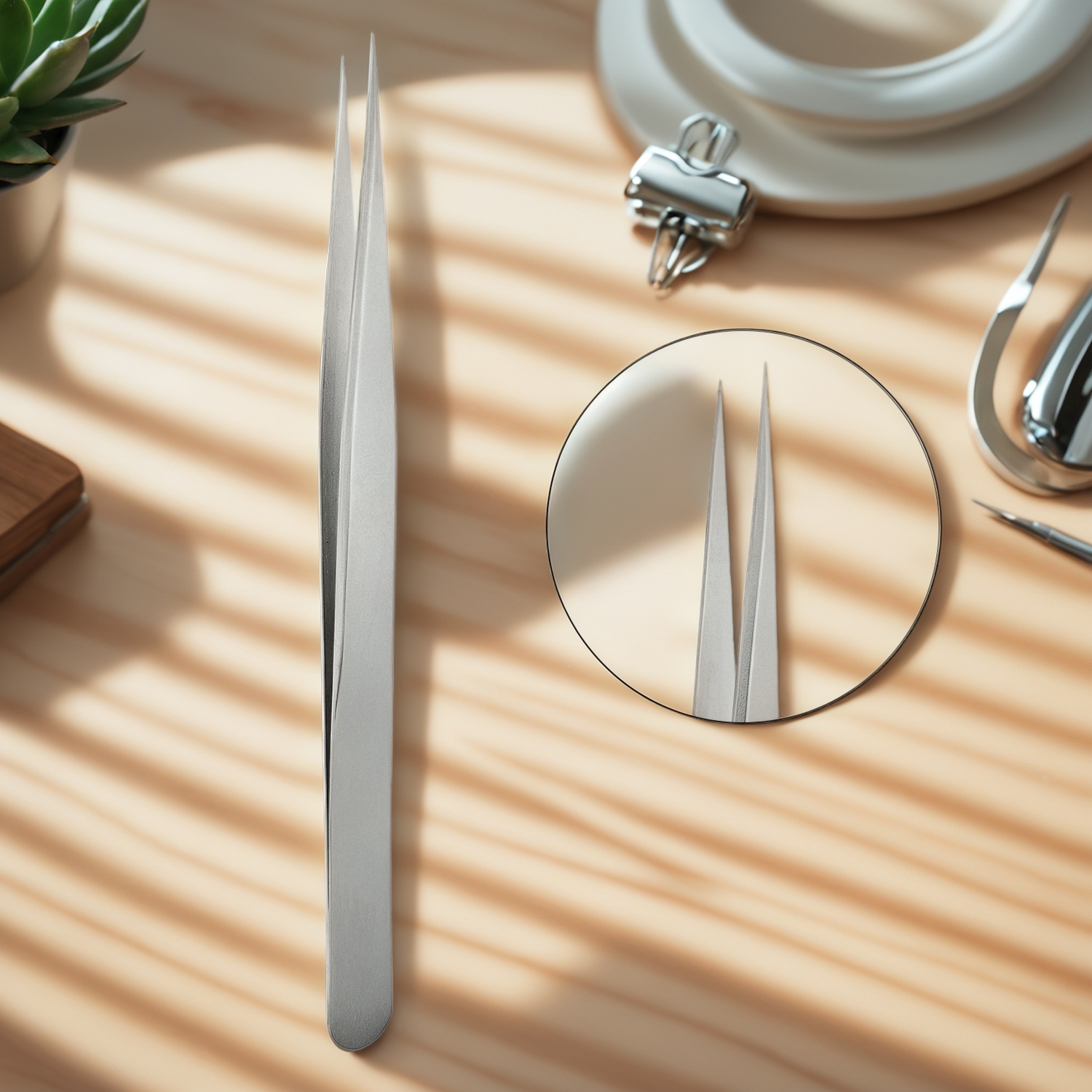
Eyelash extensions depend on small, repeatable movements. A technician has to isolate a natural lash, pick up an extension, control adhesive contact, and place the lash without disturbing the surrounding area. Because the work is so detailed, the tweezer is not a minor accessory. It directly affects speed, comfort, placement accuracy, and the consistency of the finished set.
For professional salons, stainless steel precision tweezers are commonly selected because they offer a firm working feel, durability for daily use, and rust-resistant properties when maintained correctly. The sharply tapered tips and ergonomic design described for this type of tool help technicians handle fine lashes with more control and reduce unnecessary slippage during application. For B2B beauty supplies buyers, the goal is not simply to buy tweezers in quantity; it is to choose tools that support reliable service quality across multiple technicians and repeated appointments.
This guide explains how salons, lash studios, beauty wholesalers, and purchasing teams can evaluate eyelash extension tweezers for professional use, plan bulk inventory, and maintain tools so they remain dependable in a busy salon environment.
Why Tweezer Precision Matters in Eyelash Extension Services
Eyelash extension application requires a clean separation between the natural lash and neighboring lashes. If a tweezer tip does not meet evenly, is too blunt for fine work, or slips under light pressure, the technician may need to repeat the same movement several times. Over a full set, those small inefficiencies add up, creating fatigue and inconsistent timing.
Precision tools also support safer technique. A tweezer that grips predictably helps the technician avoid pulling or dragging the natural lash. It also makes it easier to place each extension in the intended direction, helping create a balanced lash line instead of a set that looks uneven after brushing.
The most useful tweezer for eyelash extensions is one that feels controlled in the hand and reliable at the tip. Stainless steel construction, sharply tapered tips, and an ergonomic shape are practical features because they address the realities of salon work: repeated hand movements, close-up detail, sanitation routines, and frequent tool handling.
Key Selection Criteria for Salon Lash Tweezers
When comparing lash tweezers for salon use, buyers should look beyond a product photo. The best choice depends on how the tool performs during isolation, pickup, placement, and cleaning. The following checklist helps purchasing teams evaluate precision tweezers before committing to a larger order.
- Tip alignment: The tips should meet cleanly so the technician can grip fine lash fibers without forcing the hand closed.
- Tapered tip shape: Sharply tapered tips are useful for separating lashes and working in narrow areas near the lash line.
- Grip stability: The tool should reduce slippage when holding individual extensions, especially during repetitive application.
- Hand comfort: An ergonomic design helps reduce strain during full sets, refills, and back-to-back appointments.
- Stainless steel body: Stainless steel is valued in salon tools for durability and rust-resistant properties when cleaned and stored properly.
- Consistent finish: Smooth edges and clean finishing help avoid snagging lash fibers, cotton pads, or packaging during use.
- Service fit: Choose tools according to how they will be used: isolation, pickup, general placement, or brow shaping support.
For salons building or refreshing their lash station, browsing professional beauty tool products can help compare available tool categories and decide how tweezers fit into a complete working setup.
How Professional Technicians Use Precision Tweezers
Although eyelash extension techniques vary by training style and service menu, the tweezer generally supports three core tasks: isolating the natural lash, picking up the extension, and placing it with control. A technician may prefer different tweezer angles or tensions, but precision and comfort remain the central buying considerations.
During isolation, tapered tips allow the technician to separate one natural lash from neighboring lashes without creating unnecessary pressure. During pickup, the tweezer should hold the extension firmly enough to move it from the tray to the adhesive and then to the lash line. During placement, the technician needs a predictable release so the extension sits where intended.
For salons that also offer eyebrow shaping or broader beauty services, precision tweezers can support additional detail work. However, tools used for different services should be managed carefully. Lash tools should be cleaned, stored, and organized in a way that prevents confusion and supports hygienic service flow.
Bulk Buying Considerations for B2B Beauty Supplies
Buying eyelash extension tweezers in bulk can be practical for salons, training academies, beauty distributors, and multi-location businesses. Bulk purchasing helps maintain consistent tool availability, reduces downtime when a tweezer is damaged or misplaced, and allows each technician to work with dedicated tools.
However, bulk buying should still be selective. A low-quality tweezer multiplied across dozens of stations creates repeated frustration. A well-chosen tool, on the other hand, helps standardize the working experience and simplifies reordering. Before placing a larger order, consider how many technicians need individual sets, how often tools are rotated for cleaning, and whether replacement stock is required for busy periods.
| Buying Question | Why It Matters | Practical Decision Point |
|---|---|---|
| Who will use the tweezers? | Technicians may have different hand sizes, grip preferences, and service routines. | Test comfort and control before standardizing across the salon. |
| What services are offered? | Lash extensions, refills, and brow shaping may require different handling needs. | Separate tools by service type and workstation. |
| How will tools be cleaned? | Daily sanitation affects tool availability and long-term condition. | Plan enough tweezers for active use, cleaning cycles, and backup. |
| How will stock be stored? | Fine tips can be damaged if loose tools are crowded in drawers. | Use organized storage and protect tips when not in use. |
Businesses comparing lash tools with wider salon needs can review Olimor product collections to think about how precision tweezers fit alongside other beauty and grooming tools.
Maintenance Habits That Protect Tweezer Performance
Even a well-made stainless steel tweezer needs careful handling. The tips are the most important part of the tool and also the easiest area to damage. Dropping tweezers onto a hard floor, storing them without protection, or scraping adhesive residue aggressively can affect alignment and grip.
Good maintenance begins with routine cleaning after service according to the salon’s hygiene procedure. Residue should not be allowed to build up around the tips, because buildup can interfere with accurate pickup and release. After cleaning, tools should be dried thoroughly before storage. Although stainless steel is selected for rust-resistant properties, proper drying and storage still matter for long-term reliability.
- Inspect the tips at the beginning of the workday for alignment, residue, and visible damage.
- Clean tools after use according to the salon’s sanitation process.
- Dry thoroughly before returning tweezers to storage.
- Store tweezers so the tips are protected from impact and pressure.
- Remove damaged or poorly aligned tweezers from active lash service to prevent inconsistent application.
These habits are especially important for salons buying hair salon supplies in bulk. Larger inventories can become disorganized if there is no system for separating clean tools, used tools, backup stock, and items needing inspection.
Building a Reliable Lash Station
A lash station should make precision work easier, not more complicated. Tweezers should be easy to identify, clean tools should be separated from used tools, and backup pairs should be available without interrupting the appointment. When the station is organized, the technician can focus on isolation and placement instead of searching for a usable tool.
For B2B buyers, this means thinking in complete workflow terms. A salon may need tweezers for each technician, extras for cleaning rotation, and additional stock for training or replacement. If the salon offers both eyelash extensions and eyebrow shaping, separating tools by task can prevent unnecessary wear and support better hygiene management.
Olimor Beauty focuses on professional beauty tools with attention to quality assurance and ergonomic designs. For purchasing teams, the most useful approach is to match product choices with the salon’s real working conditions: appointment volume, technician preferences, sanitation routines, storage setup, and the need for repeatable tool performance.
Questions to Clarify Before Ordering Lash Tweezers
Before selecting precision tweezers for a salon or wholesale order, prepare a concise buying checklist. This helps avoid vague comparisons and keeps attention on tool performance.
- Do the tweezer tips meet evenly and provide a stable grip on fine lash extensions?
- Is the handle comfortable enough for long appointments and repeated daily use?
- Will the tweezer support the specific lash techniques used by the salon team?
- Can the tool be cleaned and stored easily within the salon’s hygiene workflow?
- How many active, backup, and replacement tweezers are needed per workstation?
- Does the supplier offer suitable options for professional B2B beauty supply purchasing?
If you are planning a salon restock, distributor order, or tool comparison for a professional lash setup, you can send an inquiry with your purchasing needs or contact Olimor for product-related communication.
Choosing Tools That Support Salon Consistency
Eyelash extension results are shaped by training, technique, products, and tools. Precision tweezers cannot replace professional skill, but they do help technicians work with greater control and less wasted movement. For salon owners and B2B buyers, the right tweezer choice supports consistent application, practical hygiene routines, and smoother inventory management.
When evaluating eyelash extension tweezers, focus on the details that matter in daily use: tapered tips, reliable grip, ergonomic handling, stainless steel durability, and organized maintenance. A careful buying process helps salons build a toolkit that performs reliably across appointments and supports the professional standards clients expect.
Tag: