

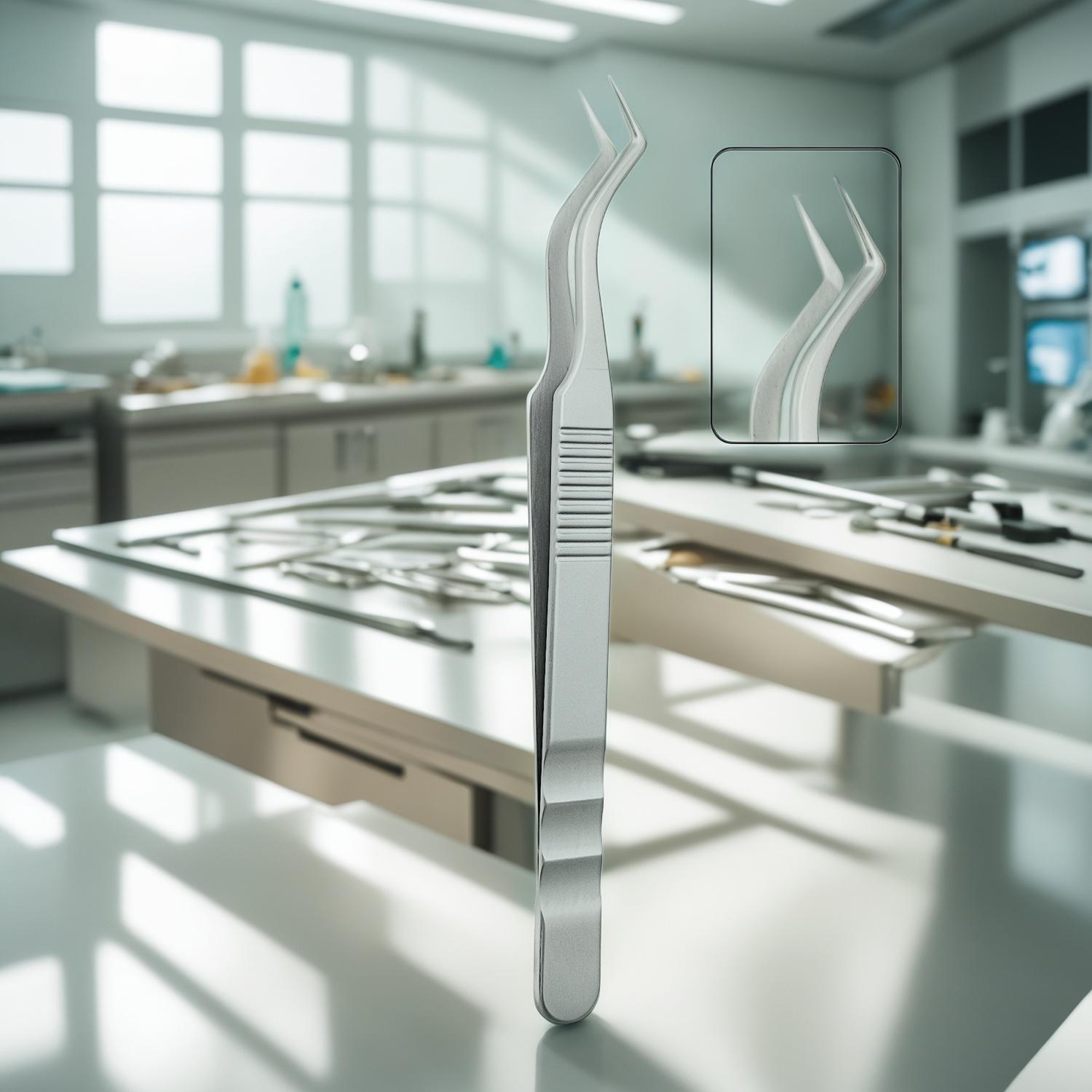
Eyelash Extension Precision Tools for Professional Lash Technicians

Eyelash extensions are detailed, close-range work. A technician may isolate one natural lash, pick up an extension, control adhesive contact, and place the fiber at a clean angle in only a few seconds. When the tool is not balanced or the tip does not meet accurately, the service becomes slower and less consistent. For salons, lash studios, training programs, and beauty distributors, precision tweezers are therefore not a small accessory; they are one of the core tools that affects service quality.
The PrecisionCraft Curved Tip Tweezers from Olimor Beauty are designed for professional eyelash extension tasks where accuracy, control, and hand comfort matter. The original product information highlights premium stainless steel construction, curved tips, and ergonomic design. Those three points are central to what lash professionals should evaluate when choosing tools for daily salon use or B2B beauty supply purchasing.
Why Curved Tip Tweezers Matter in Eyelash Extension Work
Curved tip tweezers are commonly used because they help the technician approach the lash line without blocking the view of the application area. A straight tool can be useful in some beauty tasks, but eyelash extensions require a tool angle that supports visibility, separation, and controlled placement. The curve can help the hand stay in a more natural working position while the tip reaches the lash zone.
For classic lash sets, a curved tweezer can assist with controlled pickup and placement of individual extensions. For volume techniques, the same general tool category may help some technicians manage small fans, depending on their preferred method and training. The best choice is not only about the tool shape; it is also about how consistently the tips close, how the tool feels after repeated use, and whether it supports the technician’s exact grip style.
When salons compare beauty tool products, they should avoid choosing only by appearance. Two tweezers may look similar in a product photo but feel very different in hand. A professional tool should help the technician work neatly for long sessions, reduce unnecessary hand tension, and give enough feedback at the tip to control delicate lash fibers.
Key Selection Criteria for Professional Lash Tweezers
Buyers sourcing eyelash extension tools for a salon team or retail program should create a clear evaluation checklist. This helps avoid inconsistent tool purchasing and makes it easier to train new technicians with similar equipment.
- Tip alignment: The tips should meet cleanly and allow controlled gripping. Poor alignment can cause extension fibers to slip or twist.
- Curved working angle: The curve should support access to the lash line without forcing the wrist into an uncomfortable position.
- Material choice: The PrecisionCraft Curved Tip Tweezers are described as being crafted from premium stainless steel, a practical material choice for professional beauty tools because it supports durability and routine cleaning.
- Grip comfort: Ergonomic design is important during long extension sessions. A tool that feels acceptable for five minutes may become tiring after a full service.
- Closing tension: Tweezers should not require excessive pressure. Too much tension can cause hand fatigue, while too little can reduce control.
- Surface finish: The finish should feel clean and professional, without rough areas that distract the technician or interfere with handling.
- Consistency across units: For B2B supply, consistency matters. A salon ordering multiple tools needs technicians to receive a similar working feel from tool to tool.
How Professionals Use Curved Tweezers During a Lash Service
Technique varies by training system, lash style, and technician preference, but a curved tweezer is usually chosen for tasks that demand careful control near the eye area. It may be used to lift, grip, guide, or place extensions while maintaining a clear view of the lash line. The curve can make it easier to work at an angle rather than pushing the hand directly over the client’s eyelid.
A practical workflow starts before adhesive is opened. The technician should inspect the tweezer tips under good lighting, confirm that the tool closes smoothly, and test grip on sample lashes if needed. During service, the tool should be handled with relaxed pressure. Over-gripping can reduce precision and create hand fatigue, especially during full sets and refills.
For salons, standardized tool habits are useful. If several technicians share a room or training space, each professional should know which tweezers are prepared, cleaned, and ready for use. Tools should not be tossed into drawers where tips can be damaged. A bent or misaligned tip can change service quality immediately, even if the rest of the tweezer still looks usable.
Maintenance, Cleaning, and Storage Habits
Precision tools stay reliable longer when they are maintained carefully. Eyelash extension tweezers work near adhesive, skin, lashes, and other products, so cleaning and storage should be treated as part of the service process rather than an afterthought. Always follow the hygiene rules and disinfection procedures required in your region and workplace.
- Remove visible residue promptly: Adhesive or product buildup on the tips can reduce grip and accuracy.
- Clean according to salon protocol: Use approved cleaning and disinfection steps suitable for professional beauty tools and local requirements.
- Dry thoroughly: Tools should be dried before storage to help preserve their condition.
- Protect the tips: Store tweezers so the tips are not crushed against other metal tools.
- Inspect before each service: Check alignment, closing feel, and cleanliness before working near a client’s eyes.
- Separate damaged tools: If a tweezer is dropped or the tip changes shape, remove it from active use until it is evaluated.
Good maintenance is especially important for salons that schedule multiple lash services per day. A precise tool can lose its advantage if adhesive residue changes the contact point or if rough storage damages the tip. For this reason, sourcing should include not only the purchase of the tool but also a plan for handling it correctly in daily operations.
B2B Sourcing Questions for Salons and Beauty Distributors
Salon equipment suppliers influence how smoothly a professional beauty business operates. Buyers need products that are suitable for real service conditions, not just items that look attractive in a catalog. Olimor Beauty is presented as a B2B beauty supply provider offering professional tools such as the PrecisionCraft Curved Tip Tweezers, with attention to material selection, ergonomic design, and quality assurance from material selection to final packaging.
Before adding eyelash extension tweezers to a salon purchasing list or distributor assortment, consider the business case. Are the tools intended for experienced lash artists, entry-level trainees, retail resale, or salon kit building? A training academy may value consistency and replacement planning. A high-volume lash studio may prioritize comfort across long appointment days. A distributor may need product information that is clear enough for professional buyers to understand the tool’s purpose.
| Buying consideration | Why it matters | What to review |
|---|---|---|
| Technician use case | Different lash techniques require different grip preferences. | Classic placement, volume handling, isolation support, or general salon use. |
| Tip performance | The tip is the working point of the tool. | Alignment, closure, visibility, and ability to grip lash fibers cleanly. |
| Comfort over time | Lash services can be lengthy and repetitive. | Hand position, pressure required, and technician feedback after use. |
| Cleaning workflow | Professional tools must fit salon hygiene practices. | Compatibility with the salon’s approved cleaning and storage procedures. |
| Supply consistency | B2B buyers need predictable quality across orders. | Packaging, inspection approach, and consistency between units. |
For a broader view of available categories, buyers can browse Olimor product collections. If a salon or distributor is preparing a purchasing plan, it may also be useful to send an inquiry with the intended use, target buyer, and any packaging or assortment needs.
When to Replace or Remove a Tweezer from Service
Even a well-made tweezer should be monitored over time. The most obvious reason to remove a tool from active service is visible damage, especially at the tip. However, subtle changes can also affect lash work. If extensions start slipping, if the technician needs to squeeze harder than usual, or if the tool no longer closes evenly, the tweezer may no longer be suitable for precise eyelash extension work.
Replacement planning is more professional than waiting for failure during an appointment. Salons can keep backup tools available, label tools for individual technicians, and review them during routine station checks. This is particularly useful for busy lash studios, where appointment delays can affect the client experience and the daily schedule.
Choosing Tools That Support Consistent Lash Results
Eyelash extensions depend on technique, training, adhesive control, client preparation, and aftercare advice. Still, the tool in the technician’s hand plays a direct role in how comfortably and accurately the service is performed. The PrecisionCraft Curved Tip Tweezers from Olimor Beauty focus on the practical needs of lash professionals: premium stainless steel construction, curved tips for precise application, and ergonomic design intended to reduce strain during extended work.
For professional buyers, the best approach is to evaluate tweezers as working instruments rather than simple accessories. Look closely at tip alignment, comfort, cleaning workflow, and consistency across units. Combine that evaluation with technician feedback and a clear replacement plan. To discuss professional beauty tool sourcing or purchasing needs, you can contact Olimor for next steps.
Tag: