

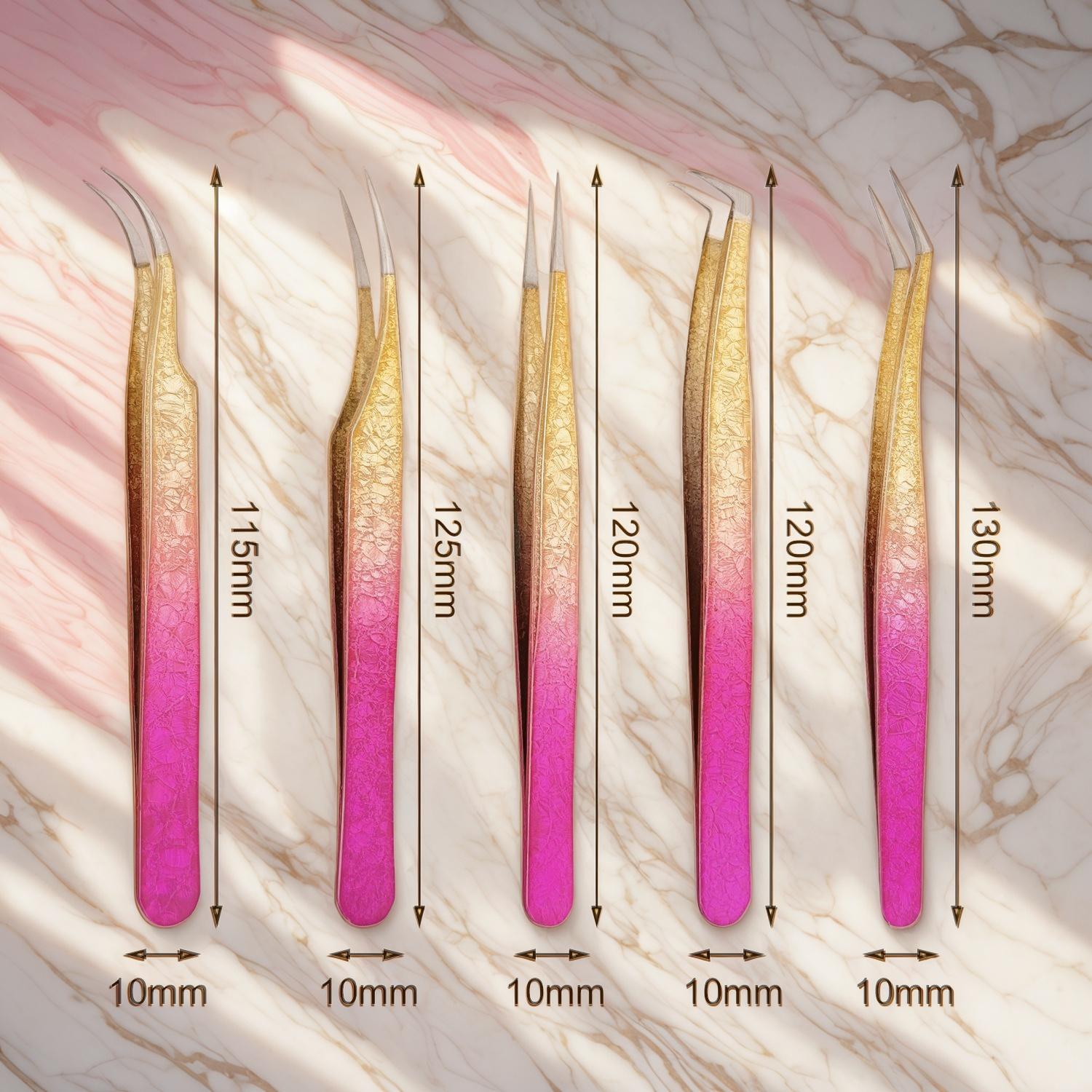
Eyelash Extension Tweezers: Straight, Curved and Precision Buyer Guide
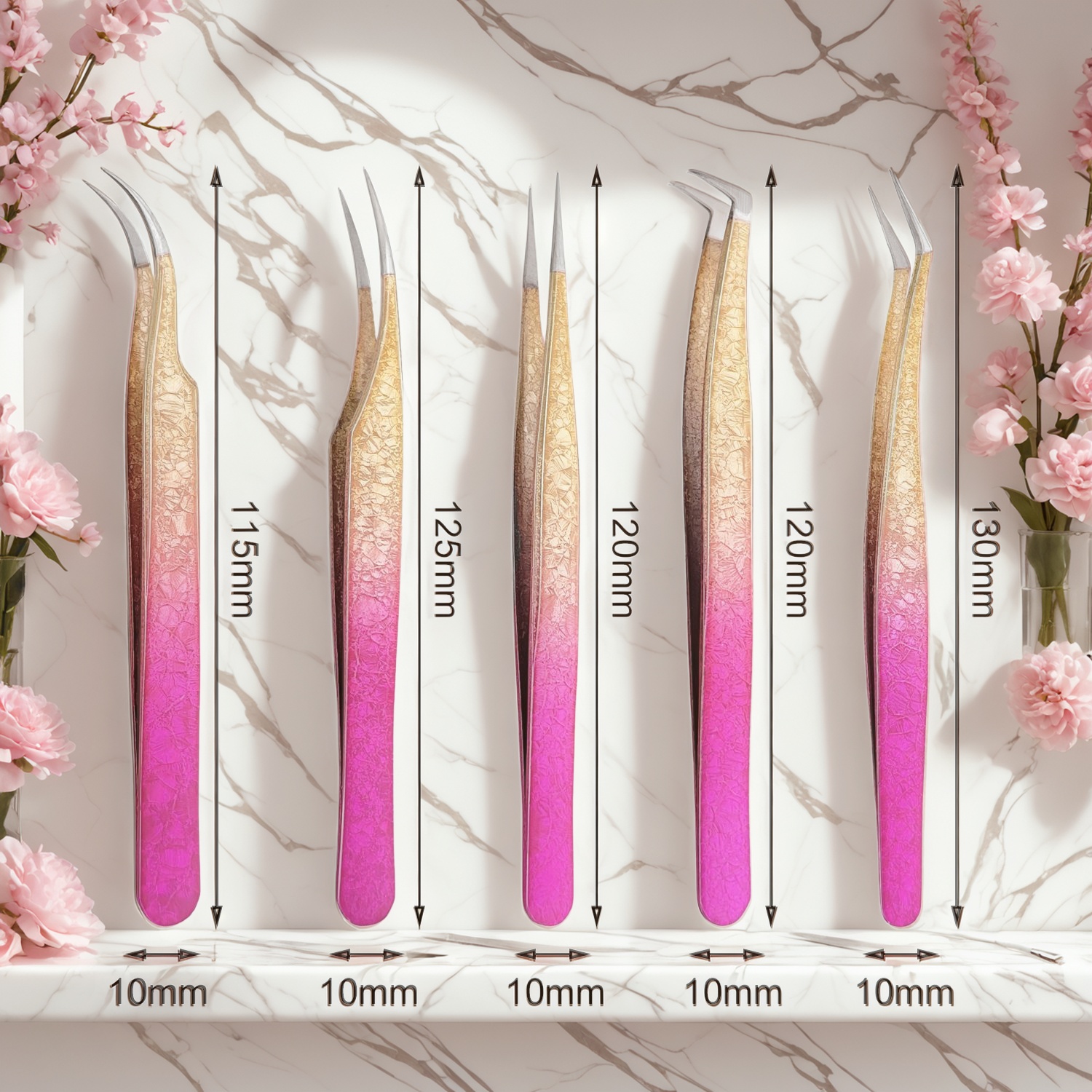
Eyelash extension tweezers should help a technician isolate, pick up, place and release lashes with predictable control. For salons, lash studios, training schools and beauty-tool distributors, the best buying decision is not based on color or shape alone. It comes from matching tweezer type, tip alignment, hand comfort, material, cleaning routine and supplier consistency to the way the tool will be used every day.
Olimor Beauty supplies stainless steel eyelash extension tweezers for professional beauty work, including straight, curved and precision styles in finishes such as gold and magenta tones. These tools are intended for careful handling by trained users and salon teams that need practical instruments for detailed lash services. This guide explains how to compare lash tweezers, what to inspect before purchasing, and how B2B buyers can evaluate a supplier without relying on unsupported claims.
What Eyelash Extension Tweezers Must Do Well
Lash extension work happens close to the eyes, in a small area where accuracy matters. A technician may repeat the same fine movements hundreds of times during a set or fill. The tweezer must support clean separation of natural lashes, secure pickup of individual extensions or fans, controlled placement, and a smooth release without disturbing nearby lashes.
When the tips are misaligned, too blunt, too sharp at the edges, or inconsistent in closing pressure, the work becomes slower and less reliable. The technician may squeeze harder, reposition more often, or repeat pickup attempts. Over several appointments, those small problems can contribute to hand fatigue and inconsistent service flow.
For a salon owner or wholesale beauty buyer, tweezer quality affects more than one workstation. A consistent tool helps with training, station setup, replacement planning and staff confidence. For students and trained home users, a predictable tweezer helps build muscle memory; however, practice should begin on training materials before working near a person’s eyes.
Straight, Curved and Precision Tweezers: How They Compare
Most lash professionals use more than one tweezer style. Straight tweezers, curved tweezers and general precision tweezers can overlap in function, but each shape has strengths. The right choice depends on hand position, preferred technique, lash density, workstation setup and whether the buyer is purchasing for one technician or a larger team.
| Tweezer type | Common lash tasks | Buyer selection focus | Best-fit situation |
|---|---|---|---|
| Straight tweezers | Isolation, separation, detailed handling and general grooming tasks where direct control is needed. | Clean tip alignment, predictable tension, stable grip and a comfortable center of balance. | Useful as a core tool for salons, training kits and technicians who prefer a direct approach to the lash line. |
| Curved tweezers | Isolation, pickup, placement support and work around inner or outer corners where angle and visibility matter. | Curve shape, tip precision, ease of access, controlled grip and comfort during long services. | Helpful when the technician wants the hand slightly away from the client’s face while the tip works close to the lash line. |
| Precision tweezers | Fine lash pickup, fan handling, controlled placement, spacing and detailed adjustment. | Even closing point, smooth surface finish, hand comfort and reliable response during repeated movements. | Important for trained users who need careful, repeatable motion in professional or practice settings. |
This comparison is useful for B2B beauty supply purchasing because it prevents overbuying one familiar style while missing tools that support other real tasks. A senior lash artist may prefer a specific curve or grip feel, while a student may benefit from a stable, forgiving tweezer that makes pressure and angle easier to learn.
Key Features to Check Before Buying Lash Tweezers
Product photos rarely show how a tweezer will perform in service. Before placing a larger order, buyers should inspect practical details that affect daily use, cleaning and reorder confidence.
Tip Alignment and Closing Contact
The two ends of the tweezer should meet evenly at the intended closing point. Visible gaps, crossed tips or uneven contact can make lash pickup inconsistent and may force the technician to squeeze harder. Tip alignment is one of the first details salons should inspect on samples or incoming stock.
Controlled Tension
A tweezer should close with controlled pressure. If it is too stiff, the hand may tire during long appointments. If it feels too loose, pickup and release may feel unstable. Controlled tension helps the technician repeat the same movement without overcorrecting.
Ergonomic Hand Feel
Eyelash extension work requires repeated fine movement. An ergonomic shape can support comfort during extended services and help reduce unnecessary grip pressure. The tool should feel stable between the fingers, not slippery or awkward when repositioned.
Material and Surface Finish
Stainless steel is commonly used for professional beauty tools because it supports durability and routine cleaning when handled properly. Olimor Beauty eyelash tweezers are described as stainless steel tools. Buyers should also check that surfaces are smooth, edges are clean and decorative finishes do not interfere with wiping, gripping or storage.
Weight and Balance
A lightweight tweezer can be easier to maneuver, but it should not feel flimsy. Balance matters because lash technicians often hold the tool for long periods. The best feel depends on the user’s hand position and technique, so trial use is valuable before standardizing across a team.
Finish Consistency Across Orders
For salons, distributors and training schools, repeatable quality is essential. A buyer ordering multiple pieces should consider whether the supplier can provide consistent finish, alignment and presentation across repeat orders. Explore Olimor’s wider beauty tool product range when planning a complete lash workstation or resale assortment.
How Straight Tweezers Support Salon Workflow
Straight tweezers are often used for isolation, separation and detailed handling during eyelash extension services. Their direct shape gives a clear approach angle, which can be helpful when separating natural lashes close to the lash line. They are also practical for general grooming tasks where a clean tip and stable grip matter.
In a busy lash studio, straight tweezers can become a baseline tool for training and standardization. When new technicians learn with the same type of tool used by senior staff, it is easier to demonstrate hand position, pressure and viewing angle. Individual preference still matters, but a consistent starting point helps the business maintain service methods across stations.
When buying straight tweezers, prioritize tip contact, grip stability and comfort rather than appearance alone. Gold, magenta or other tones can help organize station kits or separate demonstration tools from personal tools, but color should not replace inspection of working performance.
How Curved Tweezers Improve Access and Visibility
Curved tweezers are useful when the technician wants a different approach angle. The curve can allow the hand to remain slightly away from the client’s face while the tip works close to the lash line. This may support visibility and access around inner corners, outer corners or areas where a straight approach feels restrictive.
Curved tweezers may be used for isolation, pickup, placement support or fan handling depending on the technician’s method. Because curve preference is personal, salons should allow working technicians to test the angle before ordering a larger quantity. A curve that feels natural for one lash artist may feel awkward for another.
For B2B buyers, the main questions are practical: does the curved tip meet evenly, does the angle suit common lash tasks, does the grip remain comfortable over repeated movements, and does the tool arrive in a condition that matches the product description?
Precision Tweezers for Fine Lash Control
Precision tweezers focus on small, repeatable actions: isolate, pick up, place, release and clean. Even a minor mismatch at the tip can affect speed and accuracy. For advanced lash work or training practice, a reliable precision tweezer helps the user concentrate on technique rather than fighting the tool.
Olimor Beauty offers stainless steel precision tools in professional finishes, including gold and magenta tones. These finishes may help tool organization in a salon, training school or beauty kit. Still, the working qualities remain the priority: even closure, controlled tension, a smooth surface and comfort during extended use.
For businesses building a broader offering, grouped options on the Olimor collection page can help buyers compare tool categories and plan a more complete beauty-tool assortment.
Practical Use Tips for Better Control
Even a well-made tweezer performs best when technique is consistent. Lash professionals should focus on pressure, viewing angle, wrist support and tool handling. Excessive squeezing can tire the hand and may reduce fine control. A lighter, steady grip often gives better feedback from the tool.
- Inspect before each use: Check that the tips meet evenly and that no visible residue remains from storage or previous cleaning.
- Hold near the balance point: A centered hold can improve control and reduce fingertip strain.
- Support the wrist: A stable hand position helps maintain predictable movement near the lash line.
- Avoid hard scraping: Precision tips can be damaged by rough use or contact with hard surfaces.
- Practice on training materials: New users should build muscle memory before working close to a person’s eyes.
Cleaning, Hygiene and Storage
Lash tweezers are used near the eye area, so maintenance should be part of the daily workflow. Salons should follow local hygiene requirements and internal sanitation procedures for beauty tools. Public bodies and standards may vary by market; buyers should verify the applicable version of any hygiene, quality or workplace requirement and request supplier documentation where relevant. ISO 9001 is sometimes used as a reference for quality management systems, and local health authorities may publish sanitation rules for beauty services, but buyers should not assume any supplier certification unless it is documented.
Stainless steel supports professional durability, but it still needs responsible care. Product residue, damp storage, dropped tools and loose storage with other metal items can all reduce working life or affect tip alignment.
- Remove visible residue after use according to the salon’s cleaning process.
- Clean and disinfect where required by local hygiene rules and business procedures.
- Dry tools fully before placing them in storage.
- Keep tips from knocking against other tweezers, scissors, lash curlers or metal tools.
- Use a protective case, tray or labeled station storage whenever possible.
- Inspect any tweezer immediately if it is dropped, because a small tip bend can change closure.
Supplier Evaluation for Salon and Wholesale Buyers
For B2B purchasers, the supplier decision is as important as tweezer shape. Lash studios, distributors and training schools need tools that arrive in usable condition, match the description, and can be reordered with confidence. A good sourcing process separates confirmed facts from assumptions.
Ask practical questions before committing to a larger order: Is the tool made from stainless steel? What styles and finishes are available? Can samples be reviewed before bulk purchase? How are tools packed to protect the tips during shipping? What customization options can be discussed? What inspection steps are used before dispatch? Which documents or product details can the supplier provide?
Cost comparison should also be realistic. The final cost of eyelash extension tweezers can depend on material, finish, packaging, customization requirements, order quantity, inspection expectations and shipping arrangements. A lower unit price is not useful if tip alignment is inconsistent or if damaged tools create service interruptions.
When comparing salon equipment suppliers, use a checklist that covers both product and communication quality. The supplier should be able to respond clearly, confirm available options and avoid unsupported promises. For project discussions, sample questions or custom sourcing needs, contact Olimor through the contact page or send details through a direct product inquiry.
Pre-Purchase Checklist
| Check area | What to confirm | Why it matters |
|---|---|---|
| Application use | Isolation, pickup, placement, fan handling, training or general grooming. | Prevents buying the wrong shape for the technician’s real workflow. |
| Tip quality | Even closure, no visible gap, no rough edges and no crossing. | Supports reliable lash handling and reduces repeated pickup attempts. |
| Comfort | Ergonomic feel, stable grip and manageable tension. | Helps technicians work through longer services with better control. |
| Material | Stainless steel construction and clean surface finish. | Supports durability and routine cleaning when maintained properly. |
| Packaging | Tip protection during storage and shipping. | Reduces risk of damage before the tool reaches the workstation. |
| Supplier support | Sample availability, customization discussion, inspection process and reorder communication. | Helps salons and distributors buy with more confidence. |
FAQ
Can salons request samples before ordering eyelash extension tweezers?
Sample availability should be confirmed with the supplier before purchase. For lash studios and distributors, reviewing samples is a practical way to check tip alignment, tension, finish and comfort before placing a larger order.
Is there a minimum order quantity for Olimor lash tweezers?
Minimum order requirements can depend on the product style, finish, packaging and customization needs. Buyers should contact Olimor with the intended use, quantity range and destination so the team can provide current ordering details.
Can eyelash tweezers be customized for salon or distributor needs?
Customization may be possible depending on the requested finish, packaging or project requirements. Buyers should share artwork, presentation goals and order expectations early so feasibility can be reviewed without assuming unsupported options.
What quality checks should buyers request?
Useful checks include visual inspection, tip alignment review, surface finish review, packaging protection and confirmation that the product matches the agreed description. Buyers should request documentation that applies to their order rather than relying on general claims.
How should lead time be confirmed?
Lead time can vary with order quantity, customization, packaging and shipping arrangements. Confirm timing directly during quotation and ask whether sample review, production, inspection and dispatch are included in the schedule.
Choosing the Right Olimor Lash Tweezer Set
A practical lash tweezer kit usually includes more than one style. Straight tweezers can support direct isolation and separation. Curved tweezers can improve access and visibility for certain angles. Precision tweezers help with fine pickup, placement and detailed control. The best selection depends on technician skill level, service menu, training needs and maintenance routine.
For salons and B2B buyers, the strongest purchasing approach is simple: define the task, inspect the tip, test the hand feel, confirm material and finish, review packaging, and communicate clearly with the supplier. Olimor Beauty provides stainless steel beauty tools for professional lash work and welcomes focused inquiries from salons, training schools and beauty-tool buyers looking for reliable options without unnecessary claims.
Tag: