

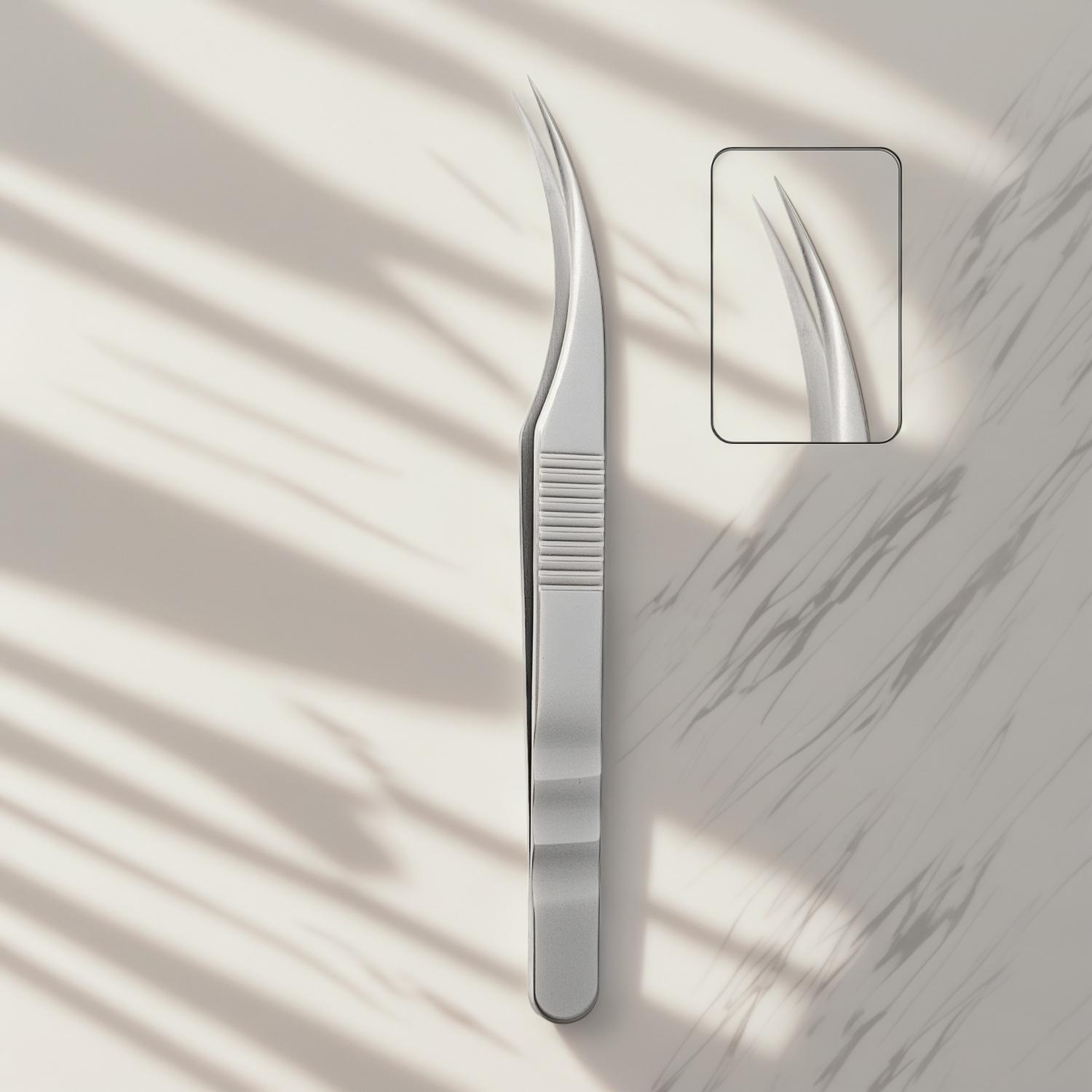
Eyelash Extension Tweezers for Salons: A Precision Buying Guide
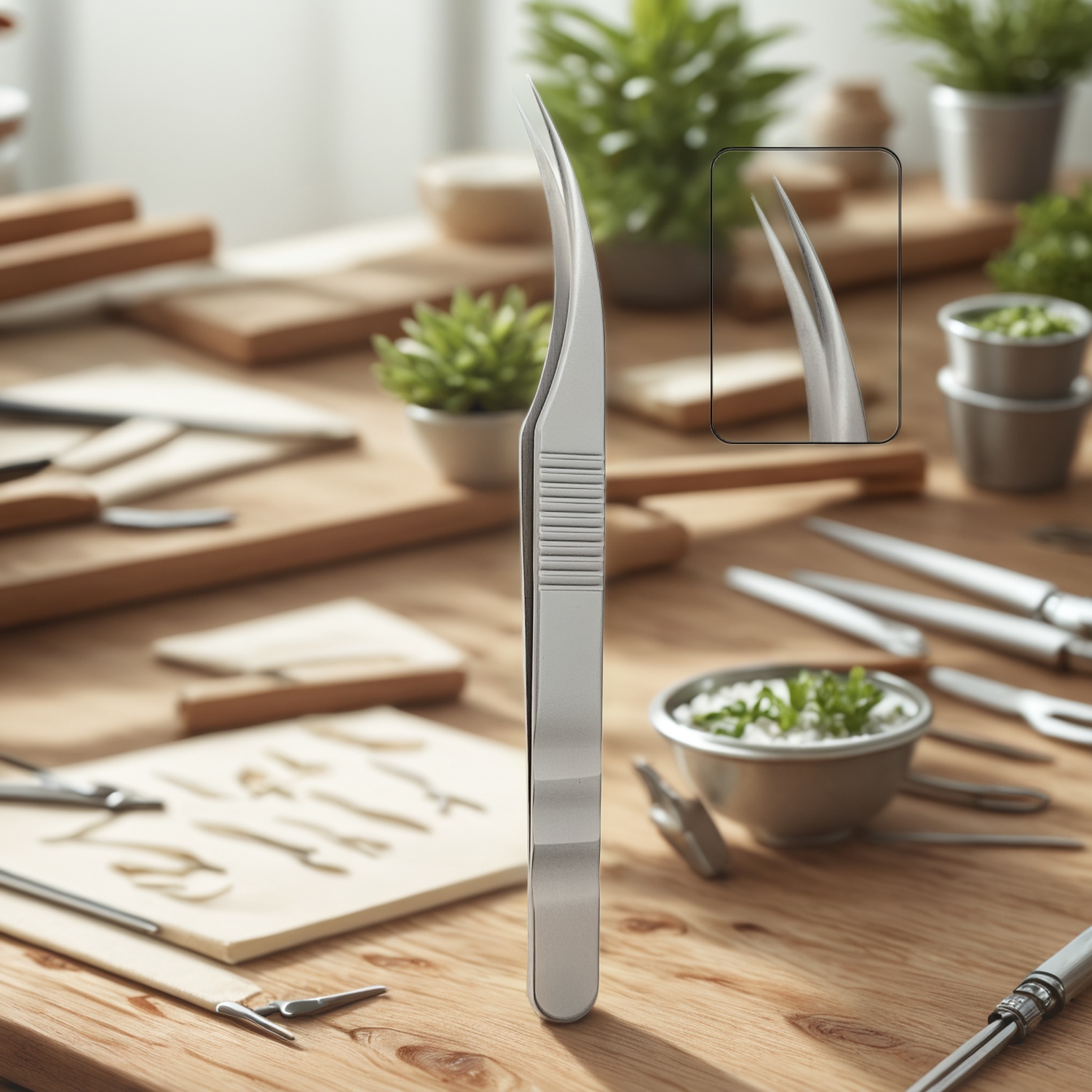
Eyelash extension tweezers are not a small accessory choice. In professional lash work, the tweezer affects isolation, pickup, placement, comfort, and the final look of the set. Salons, lash studios, distributors, and other B2B buyers usually want the same outcome: a tool that helps trained technicians work with control, repeatability, and a practical hygiene routine.
For most buyers, the best starting point is a simple question: does the tweezer support the service your team actually performs? A stainless steel curved tweezer can help with isolation and controlled placement, while an angled precision tweezer may suit technicians who want a sharper approach to detailed work. The right choice depends on technique, hand feel, lighting, and how the tool will be used across a busy schedule.
Olimor focuses on beauty tools with attention to ergonomic design and internal quality control from raw materials through final packaging. That matters because lash tweezers are precision instruments. Small differences in alignment, finish, or tension can change how a technician works from one appointment to the next.
Why precision matters in eyelash extension services
Eyelash extensions are applied one lash at a time or in carefully controlled groupings. The technician must separate natural lashes, pick up the extension, control adhesive placement, and release the lash without twisting or pulling. If the tool slips or closes unevenly, the technician may need extra pressure or repeated attempts. Over a full day, that can slow the service and create unnecessary strain.
Precision also affects the appearance of the finished set. Clean separation supports a lighter, neater result, while controlled placement helps the extension follow the direction of the natural lash. A reliable tweezer can make it easier to approach the lash line from a comfortable angle, especially near the inner and outer corners where visibility is limited.
Clients may not ask which tool was used, but they do notice a smooth appointment and a balanced result. Good tools do not replace training, but they help trained professionals deliver consistent work.
What to check in stainless steel curved and angled tweezers
When comparing tweezers for lash work, focus on practical details rather than catalog appearance. The tool should feel controlled in the hand, close evenly, and support repetitive movement without fatigue.
Tip alignment
The two ends should meet cleanly. If the tips do not align, lashes can slip, crush, or twist during pickup. Even a small gap can affect how confidently a technician handles fine fibers.
Grip consistency
A good tweezer should hold delicate lashes securely with normal hand pressure. If the grip is too loose, the technician may need repeated attempts. If it is too stiff, the hand may tire faster during longer service days.
Comfort in the hand
An ergonomic handle can reduce strain during repeated appointments. This matters for technicians who use tweezers for many hours, not just for a quick training exercise. What feels acceptable for a few minutes may not feel the same after a full schedule.
Surface finish
A matte finish can help reduce glare under task lighting, which is useful when the technician is working close to the eye area. A smooth stainless steel surface with clean edges also helps reduce snagging on lashes, pads, or gloves.
Durability and repeat use
Professional tools should tolerate regular handling, cleaning, and storage without quickly losing performance. Buyers purchasing for several stations should look for consistency across multiple pieces, not only one good sample.
Curved versus angled: how to choose the right shape
Both curved and angled tweezers can be useful in salon work, but they support slightly different handling styles. The best option depends on the service menu and the technician’s preference.
| Buying question | Curved tweezer | Angled precision tweezer | What to check before ordering |
|---|---|---|---|
| Best use | Isolation, controlled pickup, and positioning with a softer approach | Detailed pickup and access where a sharper angle helps visibility | Match the shape to the technician’s normal technique |
| Hand posture | Can help the hand approach from a natural working angle | May suit technicians who prefer a more pointed working position | Test for wrist comfort during repeated movements |
| Visibility | The curve can help keep the work area open | The sharp angled tip can support precision in tight areas | Check under the same lighting used in treatment rooms |
| Grip feel | Should hold fine lashes without crushing | Should offer controlled pickup and release | Look for even closure and balanced tension |
| Use case | Good for many general salon workflows | Often preferred for detail-focused professionals | Base the choice on technician feedback, not appearance alone |
Many salons keep more than one tweezer shape on the tray. That allows each technician to work with the tool that fits the service and the hand position they use most often. For buyers building a wider station setup, it can help to browse related beauty tool collections rather than selecting one item in isolation.
How to evaluate tweezers before a bulk order
B2B beauty supplies are often purchased for multiple technicians, training rooms, or more than one location. That makes quality consistency more important than a single low-priced option. A practical review should include a short use test, not just a visual inspection.
- Check tip closure: Hold the tweezer closed and confirm the tips meet evenly without visible gaps.
- Test pickup control: Use practice lashes or training fibers to see whether the tool grips securely without crushing.
- Assess hand comfort: Hold the tool for several minutes and notice wrist position, finger pressure, and fatigue.
- Review visibility: Check the tool under your actual treatment lighting. A matte finish may reduce distraction from glare.
- Inspect finish quality: Look for clean edges, smooth surfaces, and no rough spots that could snag fibers.
- Confirm consistency: If you are ordering several pieces, compare multiple samples so station-to-station feel stays similar.
This type of test is especially useful for salon owners, training academies, and distributors. The goal is not perfection for one moment. The goal is a repeatable working tool that behaves the same way across many appointments.
Supplier evaluation for salon equipment buyers
When comparing suppliers, buyers should look beyond product photos and packaging. Ask how the tools are checked before shipping, how packaging is handled, and whether the supplier can support repeat orders with consistent product feel. Olimor emphasizes internal quality control from raw materials through final packaging, which is the kind of process buyers often look for in precision beauty tools.
A useful sourcing conversation should cover three areas:
- Product consistency: Does the supplier inspect tip alignment, finish, and closing feel before packing?
- Customization needs: Can the order be tailored for your salon, training program, or distributor package?
- Communication and support: Is the supplier responsive when you need samples, documentation, or a reorder plan?
If your procurement process references a quality-management standard such as ISO 9001, confirm the applicable version and review supplier documentation directly instead of assuming a certificate. Buyers should always verify what the supplier can actually provide.
For specific product questions, you can send a sourcing inquiry or contact the team for guidance on the tool that best fits your salon workflow.
Maintenance and storage habits that protect performance
Even a well-made tweezer can lose accuracy if it is dropped, stored loosely, or handled carelessly. Because the tips are precise, the tool should be treated as a working instrument, not a general-purpose metal item.
Good habits are simple:
- Store tweezers so the tips do not strike hard surfaces or heavier metal tools.
- Keep them separated from items that may bend or dull the working ends.
- Follow the supplier’s cleaning and care instructions for the material and finish.
- Check for adhesive buildup, surface contamination, or bent tips before use.
- Retire or replace tools that no longer close evenly or feel reliable in the hand.
In a salon setting, this kind of care supports both service quality and replacement planning. A small backup supply can help keep stations ready when a tool wears out or is damaged.
How tweezers fit into a broader lash workstation
Tweezers are only one part of the workstation, but they influence the whole service flow. They are used alongside disposables, lash trays, eye pads, tapes, and cleaning supplies. A sensible buying plan looks at how the tool fits into the room, the storage case, the training routine, and the way technicians move from client to client.
For some buyers, the decision is to standardize one shape for the team. For others, it is better to keep a small mix of curved and angled tools so each artist can choose the one that matches their style. If you are starting a new salon setup or refreshing an existing one, it can help to view the current product range and compare options by function rather than by appearance alone.
Practical buying checklist for salons and distributors
Use this checklist when comparing eyelash extension tweezers for professional use:
- Match the shape to the service: curved for controlled general use, angled for detailed precision work.
- Confirm tip alignment: the tips should meet evenly and close cleanly.
- Check grip and tension: the tool should hold fine lashes without demanding excess pressure.
- Judge hand feel: look for comfort during repeated pickup and release motions.
- Review surface finish: smooth stainless steel and a matte or low-glare finish are helpful in salon lighting.
- Inspect consistency across samples: important when ordering for several stations or locations.
- Ask about quality checks: confirm the supplier’s process before final packaging.
- Plan for storage and replacement: keep backups and protect tips from damage.
These points help buyers compare not just the tool, but the total ownership experience. The best tweezer is the one that works reliably in the hands of the people who use it every day.
FAQ
Can salons request samples before a larger order?
Many buyers ask for samples so technicians can test tip alignment, grip, and comfort in real use. Availability depends on the supplier and the order type, so ask directly before planning a purchase.
What should I ask about MOQ?
Minimum order quantity often depends on the product, customization, and packaging needs. The safest approach is to ask the supplier for the current requirement tied to your specific request.
Can tweezers be customized for a salon or distributor order?
Some suppliers support customization for B2B buyers. The exact options depend on the product and the project, so share your use case and ask what can be adjusted.
How do I check quality before placing a repeat order?
Review sample pieces for closing feel, tip alignment, finish, and consistency across multiple units. It also helps to ask how the supplier handles inspection before packaging.
What should I expect for lead time?
Lead time can vary with stock status, order size, and customization needs. Ask for the current schedule when you request a quote or sample.
If you are comparing eyelash extension tweezers for a salon, training center, or distribution program, keep the decision practical: look for the right tip shape, dependable alignment, comfortable handling, and a supplier that can support repeat orders with consistent quality. When you are ready to review options, explore the tool range or send your requirements to Olimor for a focused sourcing discussion.
Tag: