

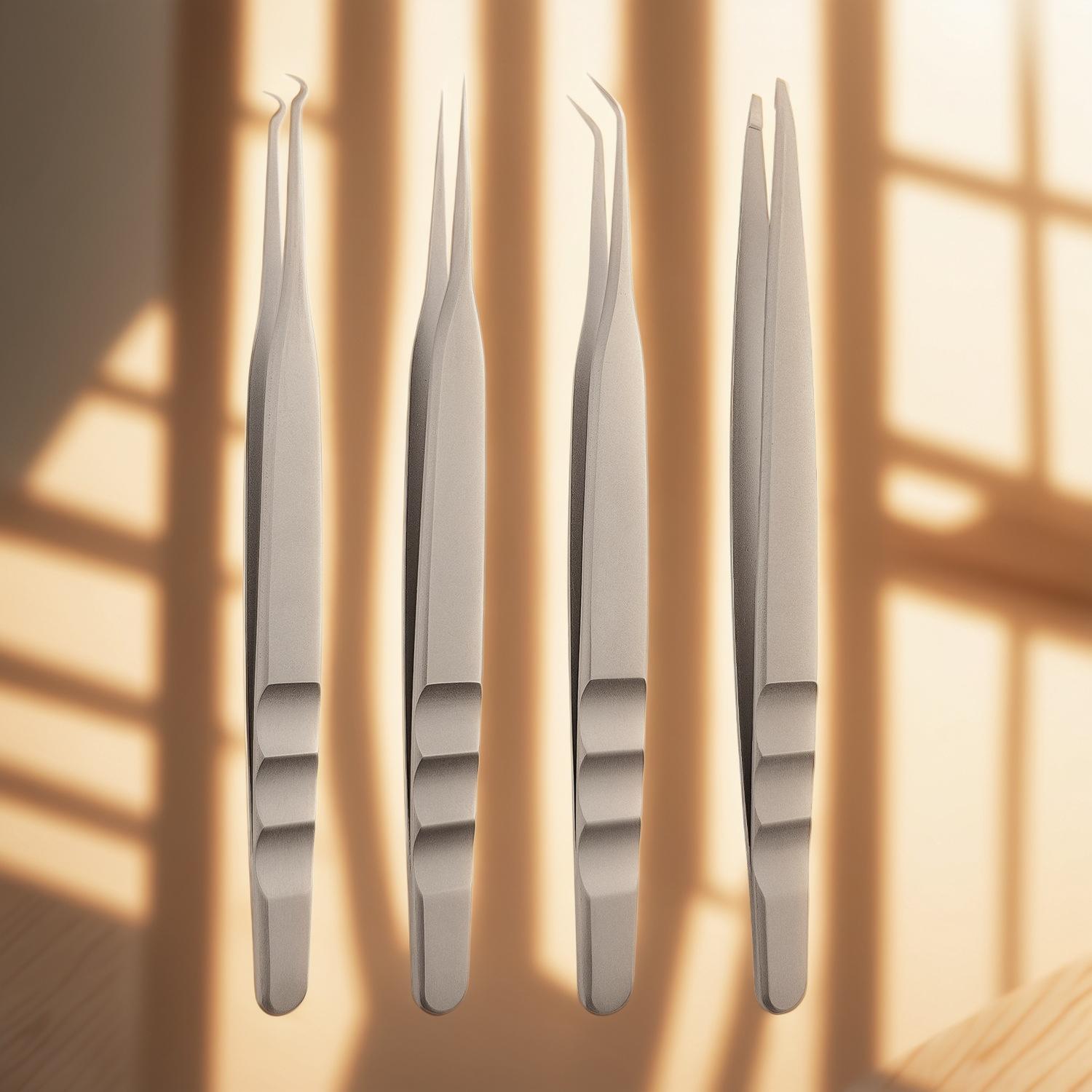
Eyelash Extension Tweezers for Salon Bulk Toolkits
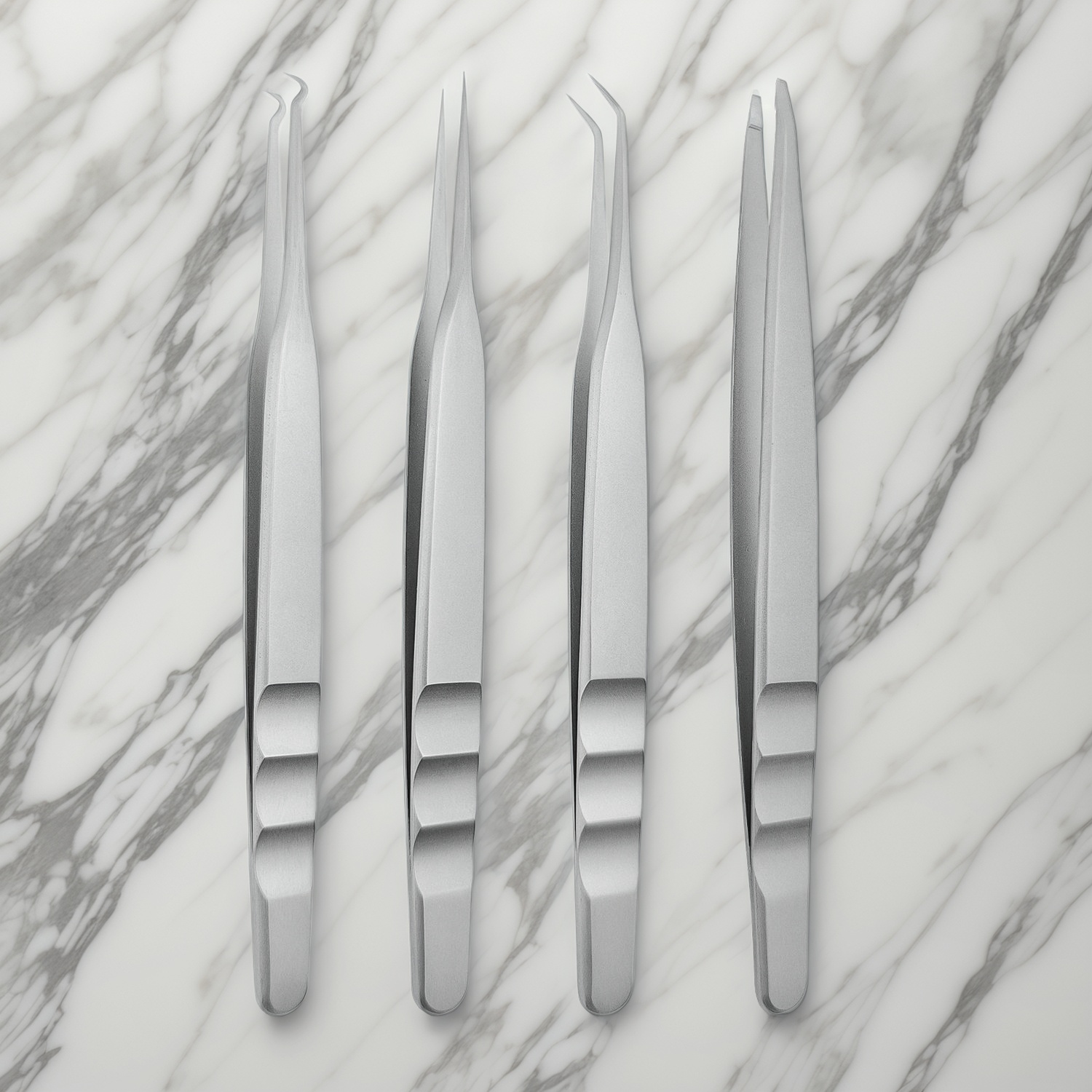
Eyelash extension work depends on control. A technician may repeat the same small movement hundreds of times in one appointment: isolating natural lashes, picking up extension fibers, adjusting placement, and checking separation before adhesive sets. In that environment, tweezers are not a minor accessory. They are the tool that connects training, hand stability, product quality, and client comfort.
For salons, lash studios, training academies, and beauty supply buyers, choosing eyelash extension tweezers is also a sourcing decision. A single pair may be judged by one technician’s preference, but a bulk purchase has to serve a wider team, survive daily cleaning routines, and arrive with consistent finishing from piece to piece. Olimor Beauty offers stainless steel tweezers designed for detailed work such as eyelash extension application, with an ergonomic form, satin finish, and non-slip grip for professional salon use.
This guide explains what to evaluate before adding tweezers to a salon toolkit, how to think about bulk purchasing, and what daily care habits help protect performance over time. If you are comparing related beauty tool products or planning a wider restock across your salon, use the criteria below as a practical checklist.
Why Tweezers Matter in Eyelash Extension Services
Eyelash extension services are precision services. A tool that feels unstable, slippery, or inconsistent can slow the appointment and increase hand fatigue. Even a skilled technician can struggle if the tweezer tips do not meet cleanly or if the grip requires too much pressure during long sessions.
Professional lash tweezers need to support several core tasks. Isolation requires a controlled tip that can separate one natural lash from surrounding lashes without pulling. Pickup requires enough grip to hold the extension securely without crushing or misaligning it. Placement requires stability, especially when the technician is working near the lash line. Removal of misplaced extensions or handling of small lash segments also calls for careful, predictable control.
For salon owners, tool choice affects more than individual performance. It influences service timing, technician comfort, training consistency, and the client’s perception of professionalism. A well-organized toolkit with reliable tweezers helps reduce unnecessary interruptions during appointments. It also makes it easier for new technicians to learn correct handling habits using tools that behave consistently.
Key Features to Check Before Buying Lash Tweezers
The original product focus for this page is stainless steel tweezers for eyelash extension and other detailed beauty work. Stainless steel is widely valued in beauty tools because it suits frequent handling and cleaning when proper care routines are followed. However, material is only one part of the decision. Buyers should also evaluate finish, grip, comfort, tip alignment, and suitability for the services their salon offers.
- Tip alignment: Check whether the tips meet evenly and consistently. Poor alignment can make isolation or pickup feel unreliable.
- Grip security: A non-slip grip is useful when technicians are wearing gloves, working under lamps, or moving between multiple detailed steps.
- Hand comfort: Ergonomic tweezers can reduce strain during long appointments because the technician does not have to over-squeeze to maintain control.
- Surface finish: A satin finish can provide a clean, professional look while helping the tool feel controlled in the hand.
- Weight and balance: A tweezer should not feel awkwardly heavy at the tip or too light to control. Balance is especially important for repeated isolation movements.
- Ease of cleaning: Tools used in a salon setting should be simple to clean according to the salon’s hygiene process and local requirements.
When evaluating samples or first orders, have several technicians test the tweezers in realistic service conditions rather than only checking them visually. Different hand sizes and working styles may reveal comfort issues that are not obvious during a quick inspection.
Choosing Tweezers for Different Lash Extension Tasks
Not every lash task feels the same. Some steps require a precise separating motion, while others require controlled pickup and placement. If your salon performs classic lashes, volume lashes, refill appointments, or corrective work, technicians may prefer more than one tweezer style in the same workstation. The supplied product information does not define a specific model type, so the safest approach is to build your purchase criteria around function rather than assuming one shape will cover every preference.
| Salon task | What the tweezer should support | Buyer evaluation point |
|---|---|---|
| Natural lash isolation | Clean separation with minimal pressure | Tip alignment and comfortable hand angle |
| Extension pickup | Secure hold without slipping | Grip consistency across the contact area |
| Placement near lash line | Stable control in a small working area | Balance, visibility, and technician comfort |
| Refill and correction work | Careful handling of existing extensions | Fine control and predictable closing tension |
| Training practice | Repeatable handling for new technicians | Consistency between multiple pieces |
For a team environment, consider ordering enough tweezers for each workstation plus backups for cleaning rotation, accidental drops, and training sessions. Bulk purchasing can help salons keep tool availability consistent instead of relying on mismatched replacements bought at different times.
Bulk Purchasing for Salons, Lash Studios, and B2B Buyers
B2B beauty supply purchasing is different from buying one personal tool. The buyer needs to think about consistency, packaging, replacement planning, and how the tools will be used across multiple technicians or service rooms. Olimor Beauty supports businesses seeking reliable beauty tools in bulk, including tweezers for eyelash extension services and related salon needs.
Before placing a bulk order, define the purpose of the purchase. Are you opening a new lash studio, replacing worn tools, adding training kits, or building retail-ready salon supply sets? The answer changes how you should count quantities and evaluate packaging needs. A training academy may prioritize consistency across many identical toolkits. A working salon may prioritize backup stock and technician preference. A distributor may need clear product presentation and dependable inspection standards.
Use this simple purchasing process when building your sourcing plan:
- List service categories: Identify which lash services your team performs most often and which tweezer functions are required.
- Set workstation quantities: Count active stations, sanitation rotation needs, and backup pieces.
- Test handling: If possible, have experienced technicians review comfort, grip, and tip performance.
- Check consistency: Inspect multiple pieces, not just one sample, to judge alignment and finishing consistency.
- Plan replenishment: Decide when tools should be replaced due to wear, accidental damage, or hygiene policy.
If you are comparing product categories beyond tweezers, Olimor’s product collections can help organize choices for salon tool planning. For custom purchasing questions or B2B ordering discussions, you can also send an inquiry with your intended use and quantity requirements.
Comfort, Grip, and Fatigue During Long Appointments
Lash work is repetitive, and small discomforts become more noticeable over time. A tweezer that feels acceptable for five minutes may feel tiring after several full sets or back-to-back refill appointments. This is why ergonomic design is important in a salon environment. It supports the technician’s natural hand position and helps reduce unnecessary tension during repeated movements.
The non-slip grip described for Olimor Beauty tweezers is especially relevant for detailed work. Technicians often need to maintain control while adjusting angle, pressure, and position under close visual focus. A slippery tool can lead to over-gripping, which may cause hand fatigue. A controlled surface helps the user apply steady pressure without feeling that the tool may shift.
When evaluating comfort, do not rely only on appearance. Ask technicians to simulate common movements: isolate, pick up, hover, place, release, and reset. A practical test can reveal whether the tweezer spring tension feels too stiff, whether the hand angle is comfortable, and whether the satin finish feels secure during actual movements. These details are more useful than choosing only by shape or visual style.
Inspection and Care Habits That Protect Tool Performance
Olimor Beauty emphasizes quality checks from raw materials through packaging, which is important for professional B2B beauty supplies. Once tools arrive at the salon, daily handling also affects how long they remain comfortable and accurate. Lash tweezers can lose performance if they are dropped, stored loosely with other metal tools, or cleaned in ways that conflict with the salon’s hygiene procedure.
Build a care routine that fits your local sanitation requirements and workplace policies. The following habits are useful for most professional settings:
- Inspect tips before each service for visible bending, misalignment, residue, or damage.
- Store tweezers in a protective holder or separated compartment to prevent tip impact.
- Avoid tossing tweezers into shared drawers where the tips can collide with other tools.
- Clean tools according to the salon’s hygiene protocol and allow them to dry properly before storage.
- Remove damaged or unreliable tweezers from service instead of trying to force them through appointments.
- Label or organize tools by workstation if multiple technicians share a common supply area.
Because eyelash extension work takes place close to the eyes, tool condition should be treated as part of service quality. Even small tip damage can affect isolation accuracy and client comfort. A scheduled inspection routine also helps managers decide when to reorder rather than waiting until tools fail during a busy appointment day.
Questions to Clarify Before Adding Tweezers to Your Toolkit
A good sourcing conversation is specific. Instead of asking only whether a tweezer is “good quality,” define what quality means for your salon. For eyelash extension tools, that often includes consistent alignment, comfortable grip, suitable finishing, dependable packaging, and enough stock for daily workflow.
Before finalizing a purchase, prepare a short checklist. Confirm the intended professional use, expected handling environment, preferred packaging format, and whether the order is for salon operation, distribution, or training kits. If your business needs coordinated salon tools beyond tweezers, visit Olimor Beauty products to review available categories, or contact Olimor for direct communication.
The right eyelash extension tweezers should feel precise without being delicate in daily use, comfortable without sacrificing control, and consistent enough to support a professional team. For B2B buyers and salon managers, that balance is the real value: tools that help technicians work steadily, maintain service standards, and keep the salon prepared for regular client demand.
Tag: