

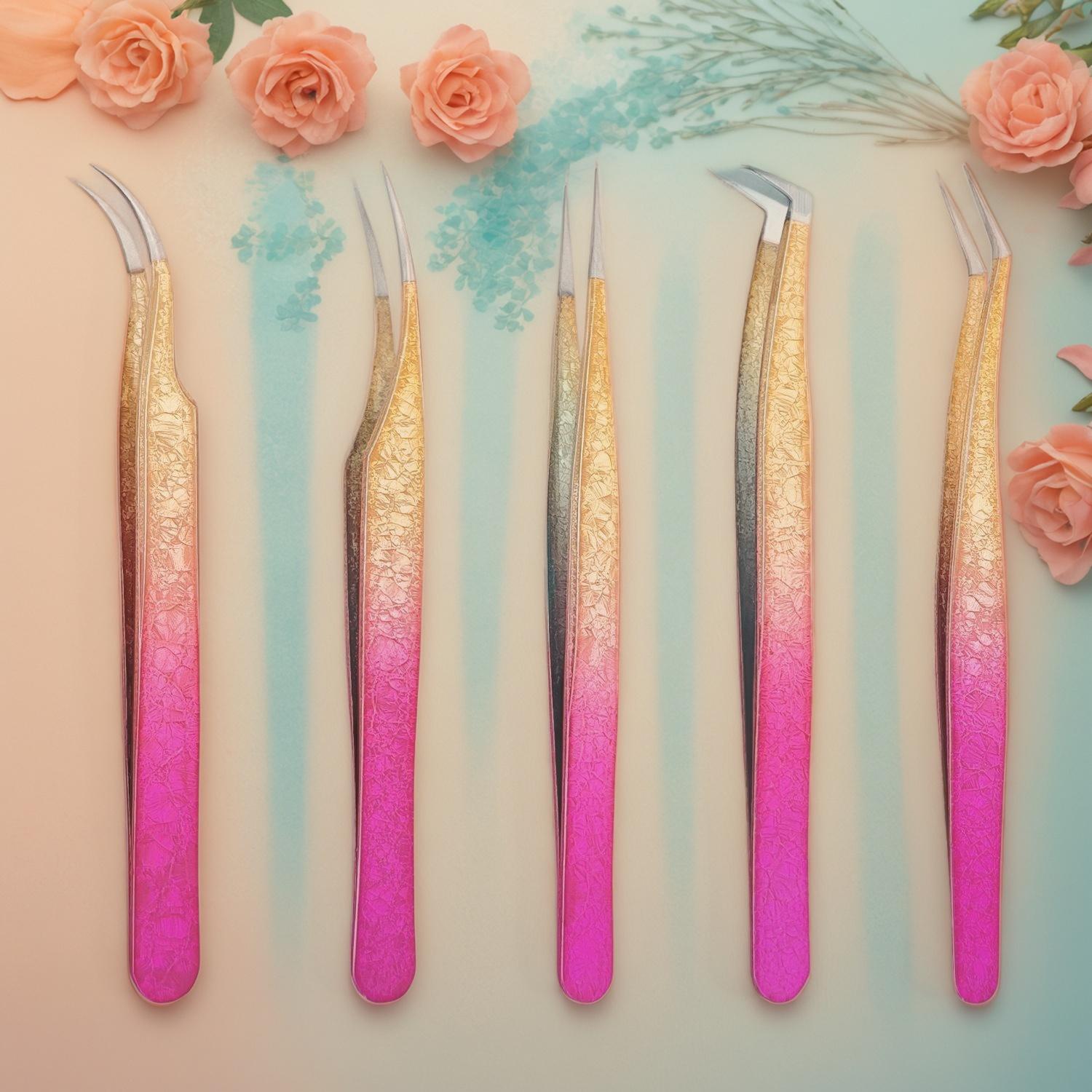
Eyelash Extension Tweezers: Professional Selection, Inspection and Care Guide
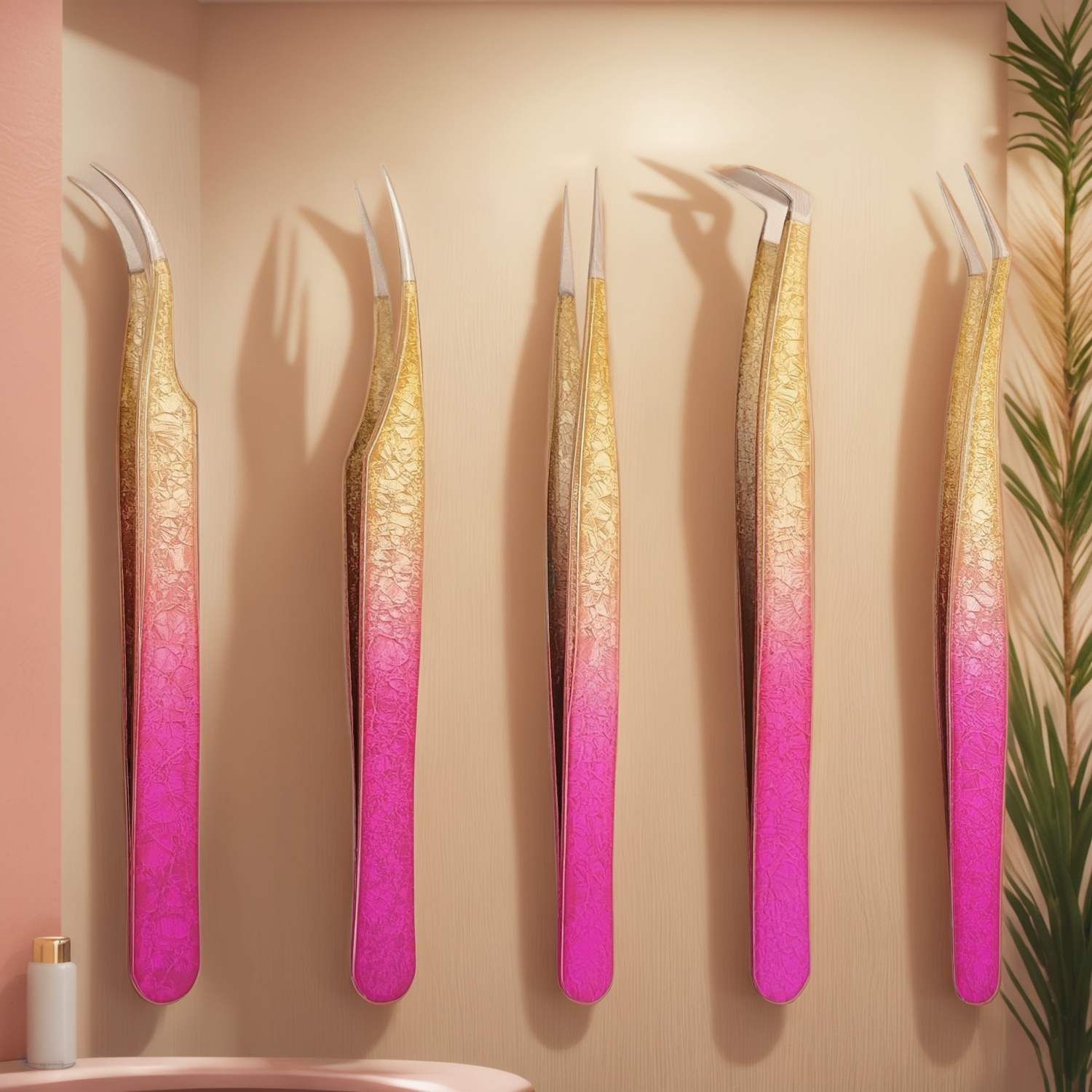
Eyelash extension tweezers are precision working tools, not simple accessories. For a lash artist, the right tweezer supports clean isolation, predictable pickup, controlled placement and steadier hand movement during repetitive service work. For salon owners and beauty supply buyers, the right purchasing decision affects staff comfort, hygiene workflow, replacement planning and the consistency of services across multiple stations.
This guide focuses on how professionals evaluate lash tweezers before buying and how salons can keep them performing in daily use. It covers tweezer shapes, tip alignment, tension, inspection, cleaning, storage, bulk sourcing and supplier evaluation without relying on vague claims. Olimor Beauty offers professional beauty tools, including tweezers referenced for meticulous eyelash extension applications, and this resource is designed to help buyers ask better questions before selecting tools for salon use.
What Professional Eyelash Extension Tweezers Need to Do
In an eyelash extension service, tweezers usually perform two core jobs: isolating one natural lash and picking up or placing an extension. These tasks sound simple, but they require repeated micro-movements close to the eye area. A tweezer that slips, twists the extension, blocks visibility or forces the hand into an uncomfortable angle can slow the service and increase technician fatigue.
Good lash tweezers help the artist maintain control without excessive pressure. The tips should meet cleanly, the closing action should feel predictable, and the grip area should hold fine lash fibers without crushing or bending them. The tool should also fit into the salon’s hygiene process, because eyelash work happens close to sensitive facial areas and requires careful handling before, during and after appointments.
For B2B buyers, the key question is not simply which tweezer looks best. A better question is: which tweezer shape, tension and finish will support the salon’s actual lash services, staff preferences and maintenance routine? Answering that question before ordering can reduce unsuitable stock and make reordering more consistent.
Key Selection Criteria for Lash Artists and Salon Buyers
When comparing professional lash tweezers, evaluate them as working instruments. Small differences in alignment, spring tension and tip geometry can change how they perform during classic placement, isolation or volume work. If possible, review samples with the technicians who will use the tools every day.
- Tip alignment: The tips should meet evenly. Uneven contact can make it difficult to separate natural lashes or hold a single extension.
- Closure point: Some tweezers grip best at the very tip, while others have a stronger holding point slightly behind the end. Artists should identify the usable grip zone before relying on the tool.
- Tension: The tweezer should close without excessive hand force. Overly stiff tension can contribute to fatigue, while very light tension may reduce control.
- Tip shape: Straight, curved and angled profiles serve different working positions. The best option depends on the technician’s hand position and service style.
- Surface finish: A smooth, cleanable finish is important. Rough edges can catch on gloves, under-eye pads, towels or lash fibers.
- Balance and grip comfort: The tool should feel stable between the fingers through repeated opening and closing, not only during a quick first test.
- Consistency across units: For salon teams, one good sample is not enough. Buyers should check whether repeated pieces feel reasonably consistent.
Olimor Beauty positions its beauty tools around precision engineering, durability and aesthetic presentation. Buyers reviewing professional beauty tool options should still test the physical handling of any tweezer style against the salon’s techniques and hygiene workflow.
Comparing Tweezer Shapes by Application Task
No single tweezer shape is ideal for every lash task. Many professionals keep separate tools for isolation, classic extension placement, volume or fan handling and detail correction. Separating tools by task also helps salons organize cleaning, storage and replacement routines.
| Task | Useful tweezer qualities | Buyer inspection points | Common problems to avoid |
|---|---|---|---|
| Natural lash isolation | Fine, controlled tips with a comfortable hand angle | Check whether the tips separate one lash without pushing nearby lashes out of view | Tips too blunt, poor visibility, hand position causing strain |
| Classic extension placement | Reliable tip contact and steady closure | Confirm the tool can hold a single extension without slipping or rotating | Uneven closure, weak grip zone, excessive pressure needed |
| Volume or fan handling | Consistent tension and a predictable pickup area | Test repeated pickup motions to identify the sweet spot | Inconsistent grip, tips that disturb fan shape, tension mismatch |
| Detail correction | Precise contact and easy maneuverability | Check access in small areas without blocking the technician’s view | Bulky shape, misaligned points, difficult angle near inner or outer corners |
| Training and general salon use | Comfortable balance, durable handling and easy cleaning | Ask staff to compare tension and grip comfort over repeated movements | Choosing only by appearance or buying one shape for every task |
This comparison helps turn a subjective purchase into a practical evaluation. If a salon offers multiple lash services, a mixed tool setup is often more useful than expecting one tweezer to handle every technique equally well.
How to Inspect Tweezers Before They Enter Service
Inspection should happen before a tweezer is assigned to a workstation. A quick visual check is helpful, but professional buyers should also test actual closure and grip behavior. Even a small alignment issue can become frustrating when repeated hundreds of times in one appointment.
Visual inspection
Look at the tips from different angles under good lighting. The points should meet cleanly and should not appear twisted, bent or uneven. Check the inner contact area for visible gaps when the tweezer is closed. Also inspect the surface for rough spots, residue or edges that could catch on disposable materials.
Functional inspection
Open and close the tweezer repeatedly to feel the tension. The movement should be controlled and smooth. Test the grip using the type of lash fibers used in the salon, if available, and identify where the tool holds most securely. If multiple technicians will share the same model, ask more than one person to test it because hand strength and technique vary.
Station readiness
Before tools enter service, decide how they will be labeled, stored and rotated. Salons that use several stations may want to keep backup units available and separate tools that need inspection from tools ready for clients. This prevents a damaged or questionable tweezer from being returned to active use by mistake.
Cleaning, Disinfection and Storage Considerations
Lash tweezers are used close to the eye area, so hygiene must be built into the daily routine. Always follow local regulations, salon policies and the instructions for any disinfectant or cleaning product used. Public bodies such as the U.S. Centers for Disease Control and Prevention and the U.S. Environmental Protection Agency provide general guidance relevant to cleaning, disinfection and disinfectant registration; salons should verify current versions and confirm the supplier documents for products used in their own jurisdiction.
A practical workflow starts with removing visible residue before disinfection. Tools should be handled carefully during cleaning so the tips are not knocked against sink edges, trays or other instruments. After the required process is complete, tweezers should be dried and stored in a way that protects the points from impact and contamination.
The tip is the most vulnerable part of a lash tweezer. A small drop onto a hard floor or countertop can affect alignment even when damage is not obvious at first glance. If a tweezer suddenly loses grip, starts twisting extensions or feels different in the hand, remove it from active service until it can be inspected. Working through a damaged tool usually costs more time than switching to a backup.
Buying for One Lash Station vs. a Salon Team
A solo lash artist may choose tweezers mainly by personal comfort and technique. A salon buyer has to consider a wider system: staff preferences, training needs, replacement inventory, cleaning flow and reorder consistency. These operational factors are especially important when purchasing salon supplies in larger quantities.
For one station, the priority is building a small, reliable set of task-specific tools. The artist should have at least the shapes needed for the services offered and a plan for backups if a tweezer is dropped or removed from service. For a salon team, the buyer should document which shapes are used for which tasks, which technicians prefer specific tension levels and how tools are stored between appointments.
Bulk purchasing can support consistency, but only when the salon has already defined what it needs. Ordering a large quantity based only on appearance or low cost can leave the team with tools that do not match their techniques. A better approach is to sample, test, document feedback and then reorder the styles that meet practical service requirements.
Salon managers comparing beauty tool collections should also think about training. When new lash artists learn with the same tool categories used by senior technicians, instruction becomes clearer. It is easier to explain isolation, placement angle and grip control when the team is not working with random, mismatched tools.
Cost Factors Without Reducing the Decision to Price
Price matters in B2B purchasing, but it should not be the only factor. A tweezer that looks inexpensive can become costly if it slows services, needs frequent replacement or does not suit staff technique. On the other hand, a higher-priced tool still needs to justify itself through fit, handling, consistency and compatibility with the salon’s workflow.
When evaluating cost, consider the full use case:
- Service match: Does the tweezer support the lash applications the salon actually sells?
- Staff adoption: Will technicians use it confidently, or will it sit unused because the angle or tension feels wrong?
- Replacement planning: Are backups included in the inventory plan for drops, damage or rotation?
- Inspection time: Does the supplier provide consistent enough tools to reduce sorting and rejection?
- Cleaning and storage: Can the tool be maintained within the salon’s existing hygiene process?
- Reorder reliability: Can the buyer identify and reorder the same or equivalent style when needed?
Because exact pricing, minimum order quantity and lead time depend on the selected item, order details and supplier arrangement, buyers should request current information directly instead of relying on assumptions. For project-specific purchasing, salons can send an inquiry to Olimor Beauty with the intended use, preferred tweezer types and order context.
Supplier Evaluation Checklist for B2B Buyers
Choosing a lash tweezer supplier is partly about the tool and partly about the buying process. A dependable supplier should make it easier to understand product options, confirm details and plan replenishment. Use the checklist below when comparing options.
| Evaluation point | What to ask | Why it matters |
|---|---|---|
| Product use | Which tweezer styles are suitable for isolation, placement or detail work? | Prevents buying a shape that does not match salon services |
| Samples | Can samples be reviewed before a larger order? | Allows technicians to test grip, tension and comfort |
| Customization | What customization options are available for the selected tool type? | Helps align product presentation with salon or retail needs |
| Quality documents | What product, inspection or supplier documents are available for review? | Supports responsible procurement without relying on unsupported claims |
| Order terms | What are the current MOQ, lead time and packing details for the requested item? | Allows accurate planning based on actual supplier confirmation |
| After-order support | How should buyers communicate reorder requirements or product questions? | Improves continuity for salons purchasing repeatedly |
Keep records of approved tweezer styles, staff feedback and reorder details. This is especially useful for salons with multiple locations, beauty supply retailers or distributors that need repeatable product information.
Common Tweezer Problems and Practical Fixes
Many lash tweezer problems come from misalignment, damage, technique mismatch or poor storage. Before replacing an entire tool category, identify the specific issue.
- The tweezer slips during pickup: Check whether the artist is using the correct grip zone. Inspect the tips for gaps, residue or minor bending.
- The hand feels tired quickly: Compare tension levels and hand angle. A shape that works for one technician may be too stiff or awkward for another.
- Isolation is messy: Review tip fineness, alignment and visibility. The tweezer may be too blunt or the angle may block the view.
- Tools lose alignment often: Review storage and handling. Loose storage in drawers or crowded trays can damage tips.
- Staff disagree on the best style: Document preferences by task. A mixed tool set may be better than forcing one model across all services.
Problem solving should be part of purchasing. If technicians repeatedly avoid a certain tweezer, ask why before reordering it. Their feedback can reveal whether the problem is shape, tension, balance, cleaning damage or training.
Working with Olimor Beauty
Olimor Beauty supplies beauty tools for professional use, including tweezers suitable for careful eyelash extension applications. Buyers can review product categories, compare tool options and contact the team for current order information. Because salon requirements vary, the most useful inquiry describes the application task, preferred tweezer style, purchasing quantity context and any packaging or customization needs.
For salons, distributors or beauty supply buyers planning a purchase, the best next step is to test tools against real service conditions and confirm order details directly. To discuss product selection or sourcing questions, contact Olimor Beauty with your salon or business requirements.
FAQ: Professional Eyelash Extension Tweezers
Can I request samples before placing a larger order?
Sample availability depends on the selected product and current supplier arrangement. Ask Olimor Beauty directly so your technicians can evaluate tip alignment, tension, grip comfort and task suitability before committing to a larger purchase.
Is there a minimum order quantity for lash tweezers?
MOQ can vary by product, customization and order details. Buyers should confirm the current MOQ with Olimor Beauty for the exact tweezer style and purchasing plan under consideration.
Can tweezers be customized for salon or retail use?
Customization may depend on the item, order requirements and production arrangement. Share the desired presentation, branding or packaging needs when making an inquiry so available options can be confirmed accurately.
How should salons evaluate quality before reordering?
Keep an approved sample or clear internal checklist for tip alignment, closure point, tension, finish and comfort. Compare incoming tools against the approved standard and ask for relevant supplier documents where applicable.
How long does delivery take after an order is placed?
Lead time depends on the product, order quantity, customization requirements and current production or stock status. Confirm timing directly during the quotation or inquiry process rather than assuming a fixed schedule.
Tag: