

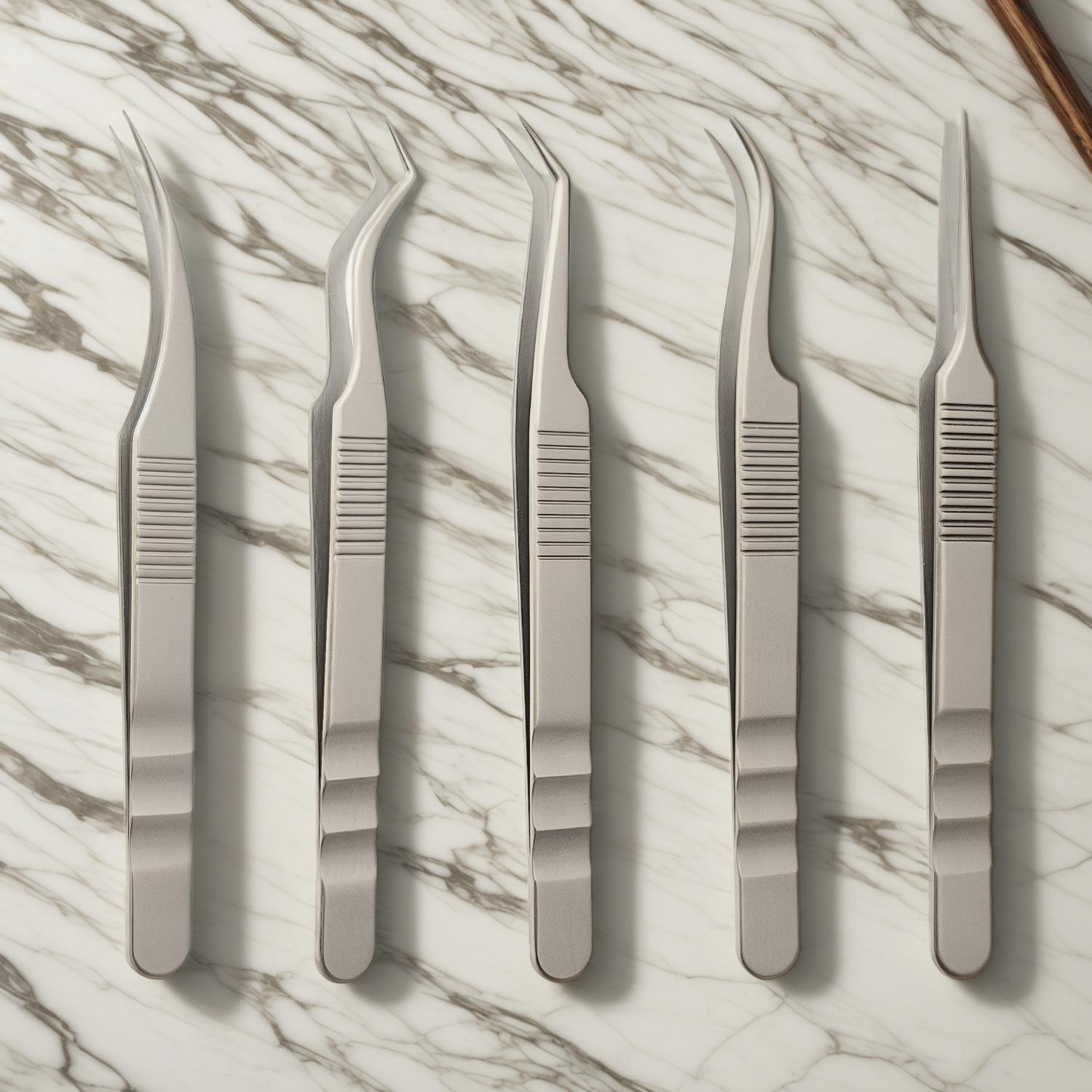
Eyelash Extension Tweezers: How to Choose Quality Tools for Professional Lash Work
Eyelash extensions depend on small, controlled movements. A lash artist may isolate a single natural lash, pick up an extension, adjust direction, and place adhesive with millimeter-level accuracy throughout a full appointment. Because of that, tweezers are not just an accessory in lash services; they are one of the main tools that affect speed, comfort and consistency.
For salons, training centers and beauty distributors sourcing beauty tool products, the right tweezers should support repeatable application without creating unnecessary hand fatigue. Olimor Beauty supplies stainless steel tweezers designed for detailed beauty work, including eyelash extension application and related grooming tasks. This guide explains what to evaluate before adding lash tweezers to a professional kit or bulk salon supply order.
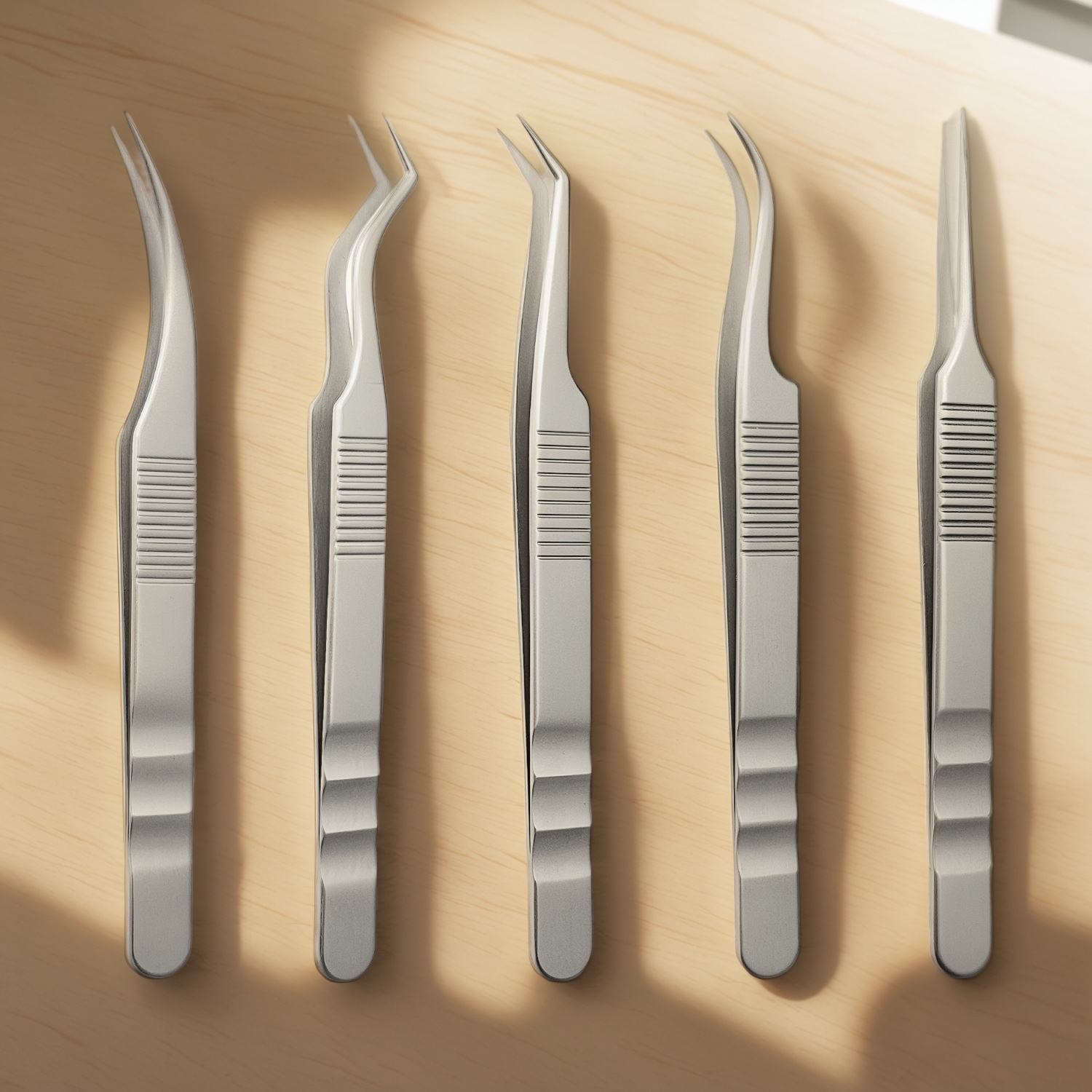
Why Tweezers Matter in Eyelash Extension Services
Eyelash extension work is repetitive and precise. A tool that feels acceptable for a quick grooming task may not perform well during long lash sessions. The tweezer must open and close smoothly, meet correctly at the tip, and allow the user to hold lashes securely without crushing or slipping.
In a salon environment, tool reliability also affects scheduling. If a tweezer loses alignment easily, has an uncomfortable grip, or does not hold fine lash fibers consistently, the artist may spend more time correcting placement. Over many appointments, those small delays can affect service flow and client experience.
Quality tweezers also support technique development. Beginners need tools that make isolation and pickup easier to control, while experienced artists often prefer specific tip shapes for different lash styles or working habits. A practical lash station usually includes more than one tweezer shape so the artist can switch tools depending on the service and the client’s natural lash pattern.
Key Selection Criteria for Eyelash Extension Tweezers
When comparing B2B beauty supplies, avoid choosing tweezers based only on appearance. A polished finish or attractive packaging does not tell you whether the tool will perform well in real application. Focus on the details that influence daily use.
- Tip alignment: The two sides of the tweezer should meet cleanly at the working area. Good alignment helps with holding single extensions and isolating natural lashes.
- Tip style: Different tip shapes support different functions. Straight, curved or angled tips may be used for isolation, pickup or placement depending on the artist’s technique.
- Grip tension: Tweezers should close with enough control to hold lashes securely, but not so much resistance that the hand becomes tired during extended sessions.
- Stainless steel construction: Stainless steel is widely used for beauty tools because it offers durability and resistance to rust when properly cleaned and stored.
- Comfort in long use: An ergonomic feel helps reduce unnecessary strain, especially for salons handling multiple lash appointments per day.
- Consistency across batches: For salon groups and distributors, consistent feel and finish matter because multiple technicians may need dependable tools from the same supply order.
Matching Tweezer Tip Styles to Lash Tasks
There is no single tweezer shape that is ideal for every lash artist or every step of the service. The best choice depends on how the technician holds the tool, the extension style being created, and the level of control required. When building a salon kit, it is helpful to separate tweezers by task instead of buying only one general-purpose design.
| Task | What the tweezer should support | Buying consideration |
|---|---|---|
| Isolation | Separating one natural lash from surrounding lashes | Look for fine control at the tip and comfortable hand positioning. |
| Pickup | Holding an extension securely before placement | Check that the contact area grips fine lash fibers without slipping. |
| Placement | Positioning the extension accurately on the natural lash | Choose a shape that gives clear visibility and controlled angle access. |
| Adjustment | Making small corrections during application | A precise, responsive tip helps reduce unnecessary repositioning. |
For purchasing teams, sample evaluation can be useful before placing a larger order. Have several technicians test the same tweezer style during normal work, then compare feedback on grip, weight, closure tension and visibility. This practical review often reveals more than a product photo can show.
Stainless Steel, Rust Resistance and Daily Salon Care
The original purpose of using stainless steel tweezers is straightforward: the material is durable, clean-looking and suitable for repeated professional handling. Stainless steel can resist rust, but salon care still matters. Any beauty tool can be damaged by poor storage, harsh handling or leaving moisture on the surface for long periods.
Build simple tool care habits into the lash station workflow. After use, remove visible residue according to your salon’s hygiene procedure, dry tools thoroughly, and store tweezers in a way that protects the tips from impact. Fine tips can lose performance if they are dropped, pressed against other metal tools, or tossed loosely into a drawer.
- Keep tweezers separated by function so artists do not use a delicate isolation tweezer for general handling.
- Protect the tips during storage and transport, especially for mobile lash services or training kits.
- Inspect alignment regularly by checking whether the tip closes evenly.
- Replace or remove tools from service when tips become bent, rough or unreliable.
- Train new staff to handle tweezers carefully, not just to use them during application.
These steps help salons get more consistent performance from their lash tools and reduce service interruptions caused by damaged instruments.
Bulk Buying Considerations for Salons and Distributors
When sourcing hair salon supplies in bulk, a low unit price is only one part of the decision. Tweezers affect the technician’s hand comfort and the client’s final lash result, so purchasing should include both commercial and technical checks. Salons may need reliable backup tools at every station, while distributors may need options that satisfy different customer preferences.
Before choosing a supply plan, clarify how the tweezers will be used. A lash-focused salon may need several tip styles in higher quantities. A mixed beauty salon may need a smaller but more versatile selection. A training provider may prioritize tools that are easy for beginners to control during repeated practice sessions.
Useful questions for buyers include: Are the tweezers intended mainly for classic application, volume pickup practice, isolation, or general grooming tasks? Do technicians prefer lighter or firmer tension? Will the tools be packaged for individual salon stations, kits or resale? How will the business handle replacement tools when tips are damaged through daily use?
Olimor Beauty works with professional buyers looking for dependable B2B beauty supplies. You can review available categories through product collections or send an inquiry for purchasing communication related to eyelash extension tools and salon supply needs.
What to Look for When Evaluating a Supplier
A good supplier relationship should make tool selection clearer, not more complicated. Since small differences in tweezers can affect professional work, buyers should evaluate product consistency, communication and the ability to support practical salon needs.
Look for clear product presentation, realistic descriptions and a willingness to discuss tool use cases. Avoid relying on exaggerated promises. For eyelash extension tweezers, it is more valuable to know how the tool feels in the hand, what tip styles are available, and whether the product line can support repeat ordering for salon operations.
For brand owners and distributors, sourcing decisions may also include packaging approach, product assortment planning and how the tool fits with other beauty items. If you need help narrowing down options, contact Olimor with the intended use, buyer type and target market so the conversation can focus on the right beauty tool category.
Building a Practical Lash Tool Kit
A professional lash kit should be organized around service steps. At minimum, consider tweezers for isolation and tweezers for pickup or placement, plus backups for high-use stations. If multiple artists work in the same salon, avoid assuming every technician will prefer the same tool. Hand size, grip style and training background can all influence preference.
For new lash businesses, start with a focused selection rather than buying too many similar tools. Test the essential styles, monitor which ones technicians actually use, and then reorder based on performance. For established salons, review tool condition regularly and remove worn tweezers before they affect service quality.
Eyelash extensions require patience, control and reliable instruments. By choosing stainless steel tweezers with suitable tip styles, comfortable handling and proper care routines, salons can support cleaner application and more consistent daily work. Olimor Beauty provides professional beauty tools for buyers who need practical supplies for lash services, salon operations and B2B beauty distribution.
Tag: