

Eyelash Extensions and B2B Beauty Tool Sourcing Guide
Eyelash extensions continue to be a strong service category for salons, lash studios, beauty retailers, and professional tool distributors. Clients want lashes that look fuller and more defined without relying on daily mascara, while professionals need tools that support accuracy, hygiene, and repeatable results. For B2B buyers, the opportunity is not only in the extensions themselves, but also in the supporting beauty tools used before, during, and after lash services.
Whether you are expanding a salon supply catalog, preparing a new lash service menu, or comparing eyelash curler wholesalers, the right sourcing decisions can affect customer satisfaction, staff efficiency, and reorder confidence. This guide explains what to evaluate when buying eyelash extension-related tools and B2B beauty supplies, with a focus on practical selection criteria rather than broad claims.
Why Eyelash Extensions Depend on the Right Tools
Eyelash extensions are often judged by the final look, but the result depends heavily on tool control. Professionals work with small lash areas, fine fibers, adhesives, pads, and client-specific eye shapes. A tool that feels slightly unbalanced, has a poor grip, or lacks precise alignment can slow the service and affect placement consistency.
For salons and retailers, this means eyelash extension sourcing should not stop at lashes alone. Tweezers, curlers, applicators, mirrors, brushes, and aftercare accessories all contribute to the service experience. A buyer who understands how each tool is used can build a more useful product assortment and reduce the risk of stocking items that look attractive but perform poorly in daily professional use.
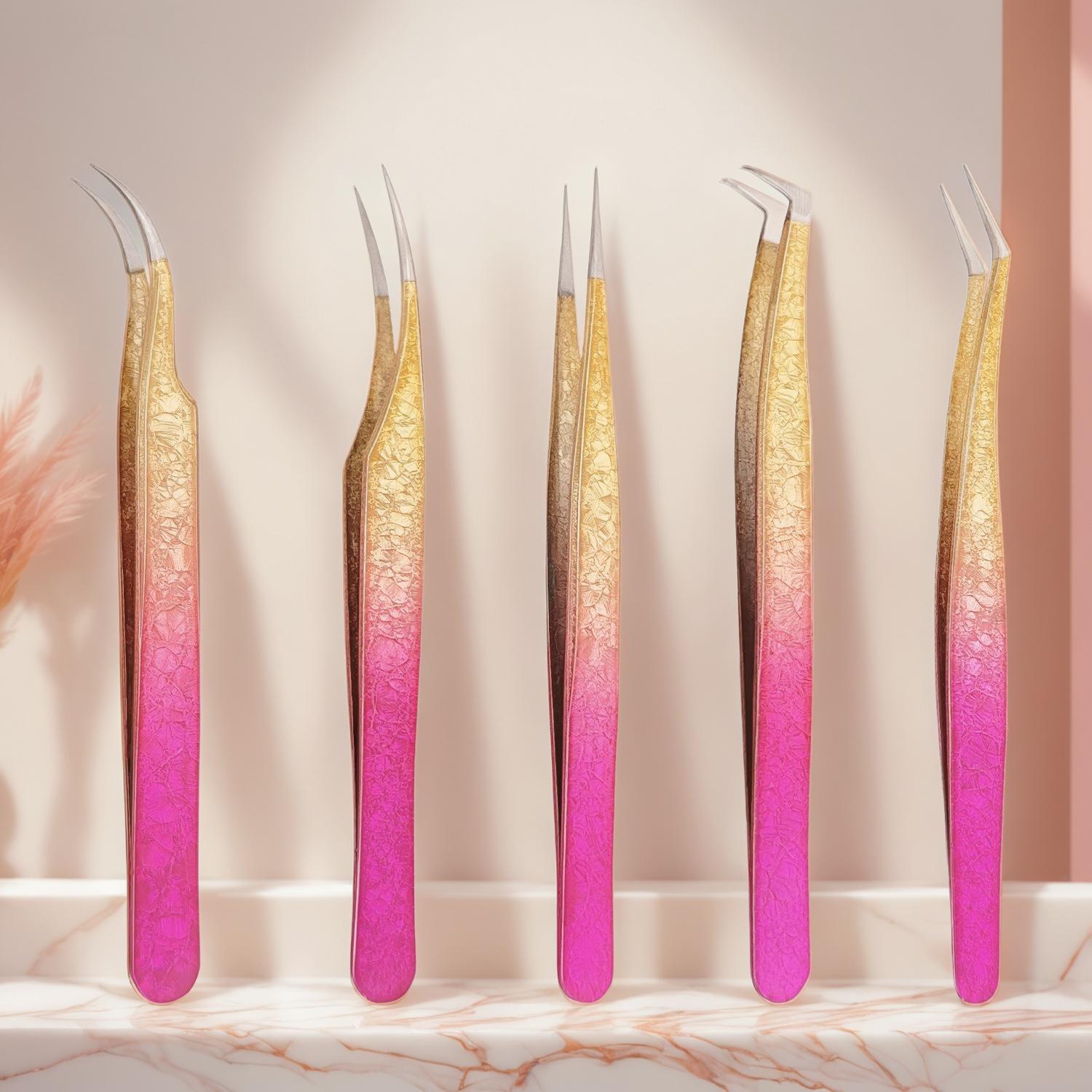
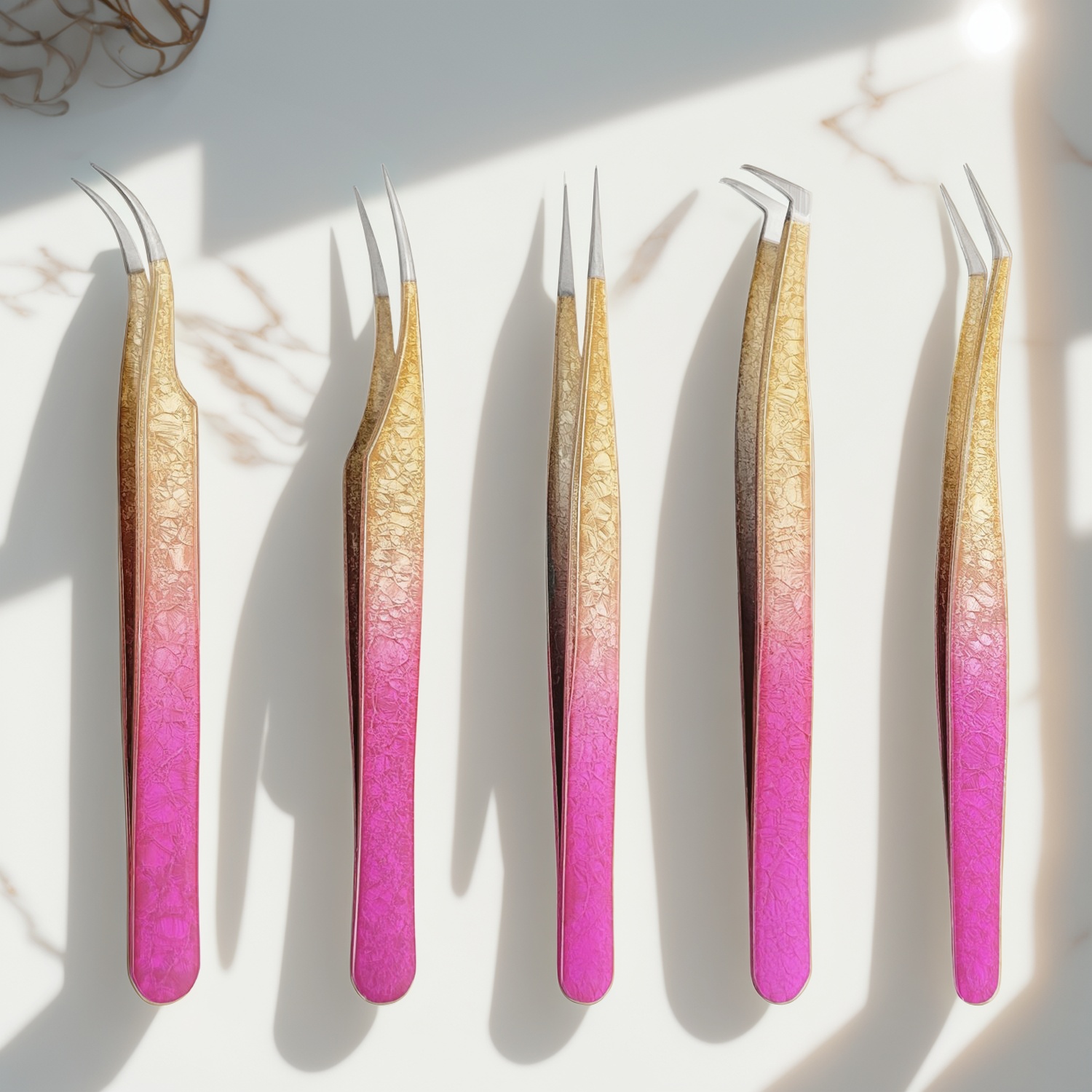
One example from Olimor Beauty’s beauty tool range is the Luxe Precision Tweezer Set, a product type that fits naturally into lash, brow, and detail grooming categories. When evaluating tools like tweezers for eyelash-related use, buyers should consider tip alignment, hand comfort, finish quality, and packaging suitability for the intended sales channel.
What B2B Buyers Should Check Before Ordering Lash Tools
B2B beauty supplies are different from single consumer purchases because consistency matters across many units. A salon may need tools that perform the same way from one workstation to another. A retailer may need packaging that communicates quality on the shelf. A distributor may need stable replenishment and product categories that match market demand.
Before adding eyelash extension tools or eyelash curlers to a professional product line, use a structured checklist. This helps buyers compare suppliers fairly and avoid decisions based only on appearance or low unit cost.
- Tool purpose: Identify whether the item is for extension application, lash separation, natural lash curling, retail aftercare, or general grooming.
- Grip and handling: Check whether the shape supports steady control during detailed work, especially for tweezers and curlers.
- Tip or clamp alignment: For tweezers, inspect whether the tips meet evenly. For curlers, confirm the curve and pressure feel suitable for intended users.
- Surface finish: Smooth edges and clean finishing reduce the chance of discomfort during professional use.
- Packaging needs: Decide whether the product will be sold retail, supplied to salons, included in kits, or used internally.
- Assortment fit: Make sure the tool complements your existing lash, brow, skincare, or beauty accessory range.
- Repeatability: For wholesale purchasing, review whether future batches can match the approved sample in look and function.
Buyers comparing different beauty tool products should request enough information to evaluate real use cases: who will use the tool, how often, under what service conditions, and what kind of packaging or labeling is needed for the channel.
Choosing Eyelash Curler Wholesalers for Professional and Retail Channels
Eyelash curlers remain a familiar product in both professional and consumer beauty categories. For B2B buyers, the key is matching the curler to the market. A salon-focused buyer may prioritize durability, comfort, and easy cleaning. A retailer may care more about display packaging, clear instructions, and broad suitability for everyday users. A brand owner may need a supplier that can support consistent appearance across a product line.
When assessing eyelash curler wholesalers, do not rely only on product photos. The feel of a curler is important. The handle should move smoothly, the pad should sit securely, and the curved frame should feel controlled rather than sharp or awkward. Even small differences can influence whether users feel confident applying pressure near the eye area.
It is also useful to consider whether the eyelash curler will be sold alone or as part of a lash care set. A single curler may need stronger retail packaging and clearer usage messaging. A kit may require coordinated colors, compatible accessory sizes, and consistent finishing across multiple tools. If your business sells through salons, online stores, or distributors, map the packaging and instruction needs before confirming an order.
Tweezers, Curlers, and Accessories: Building a Practical Lash Tool Range
A useful B2B lash tool range should cover different stages of the customer journey. Not every buyer needs a large catalog, but the assortment should feel complete enough for the audience. A lash studio may need precise working tools; a retailer may need consumer-friendly items; a distributor may want both professional and everyday beauty accessories.
The table below shows how common eyelash-related tools can fit different B2B buying purposes.
| Tool category | Typical use | Key buying focus |
|---|---|---|
| Precision tweezers | Lash separation, detail work, brow grooming | Tip alignment, grip, balance, finish |
| Eyelash curlers | Curling natural lashes before makeup or retail use | Frame curve, pad quality, handle comfort |
| Lash brushes | Combing and aftercare for extensions or natural lashes | Softness, hygiene, packaging quantity |
| Applicator tools | Assisting with placement or grooming tasks | Control, clean edges, easy handling |
| Beauty tool kits | Retail sets, gift sets, salon supply bundles | Assortment logic, presentation, consistency |
This category planning approach is especially useful for businesses reviewing product collections. Instead of choosing isolated items, buyers can think about how tools work together: a tweezer set for precision, a curler for daily lash styling, and smaller accessories for maintenance and retail add-ons.
Quality Signals That Matter in B2B Beauty Supplies
In beauty tools, quality is often felt before it is described. A professional notices whether a tweezer closes cleanly. A retail customer notices whether a curler feels stable in the hand. A distributor notices whether packaging and product appearance remain consistent across cartons. These signals matter because they influence complaints, returns, reviews, and reorders.
For eyelash extension and lash grooming tools, focus on practical quality indicators:
- Sample review: Inspect samples in the actual setting where the tool will be used or sold. A salon workstation, retail shelf, and ecommerce photo setup reveal different issues.
- Functional testing: Open and close curlers repeatedly, check tweezer tip contact, and confirm that accessories feel safe and comfortable for intended use.
- Visual consistency: Compare finish, color, alignment, and packaging across multiple pieces, not only one perfect sample.
- Cleaning considerations: Professional tools should be easy to wipe and maintain according to the buyer’s hygiene procedures.
- User clarity: For retail products, instructions or usage guidance should be simple enough for non-professional customers.
These steps do not require exaggerated claims or unnecessary specifications. They simply help buyers make decisions based on how the tool will perform in the real market.
Maintenance and Hygiene Considerations for Lash Tools
For salons and beauty professionals, maintenance is part of product value. Tools used around the eyes require careful handling, storage, and cleaning routines. Even when a tool is well made, poor maintenance can shorten its useful life or create an inconsistent service experience.
Professional teams should establish simple rules for tool storage and workstation organization. Tweezers should be protected from tip damage. Curlers should be checked regularly for pad condition and smooth movement. Brushes and disposable accessories should be stored to avoid dust and contamination. Retailers can also benefit from clear care guidance, because customers are more likely to trust a product when they understand how to use and maintain it responsibly.
For B2B buyers, maintenance considerations can influence packaging and accessory decisions. A tool sold to salons may need protective sleeves or cases. A retail product may need concise care instructions. A kit may need individual compartments to reduce scratching during transport. These details are small, but they can affect how customers perceive quality.
How to Communicate Requirements to a Beauty Tool Supplier
Clear communication helps prevent mismatched expectations. Instead of asking only for a general lash tool quote, prepare a buying brief that explains the sales channel, intended user, packaging style, and target product role. This is especially helpful when comparing eyelash curler wholesalers or sourcing tools such as the Luxe Precision Tweezer Set for a professional or retail assortment.
A strong sourcing brief may include:
- The product category you need, such as eyelash curlers, precision tweezers, lash brushes, or tool sets.
- The intended market, such as salon use, retail sales, ecommerce, professional kits, or distributor catalog supply.
- Important handling preferences, including grip comfort, tool size, finish, and packaging format.
- Branding or presentation needs, if relevant to your sales channel.
- Sample evaluation priorities, such as tip alignment, curler pressure, packaging durability, or visual consistency.
If you are planning a new lash tool range or comparing supply options, you can send an inquiry with your product goals and required categories. For broader sourcing discussions, buyers can also contact Olimor to clarify suitable beauty tool options.
Building a Lash Tool Assortment That Supports Repeat Orders
The best B2B beauty supplies are not just attractive on first purchase; they support repeat orders because they solve real customer needs. For eyelash extensions and lash grooming, that means tools should feel reliable, be easy to understand, and fit the way salons, retailers, and distributors actually operate.
Start with the essentials: precision tools for professionals, eyelash curlers for daily lash styling, and small accessories that support aftercare or retail add-ons. Evaluate each product through handling, finish, packaging, and channel fit. Avoid overcomplicating the assortment with too many similar items unless there is a clear reason for each one.
Olimor Beauty serves buyers looking for practical beauty tool sourcing across professional and retail categories. By focusing on product purpose, sample review, and clear communication, businesses can build eyelash extension and lash grooming assortments that are easier to sell, easier to replenish, and better aligned with customer expectations.
Tag: