

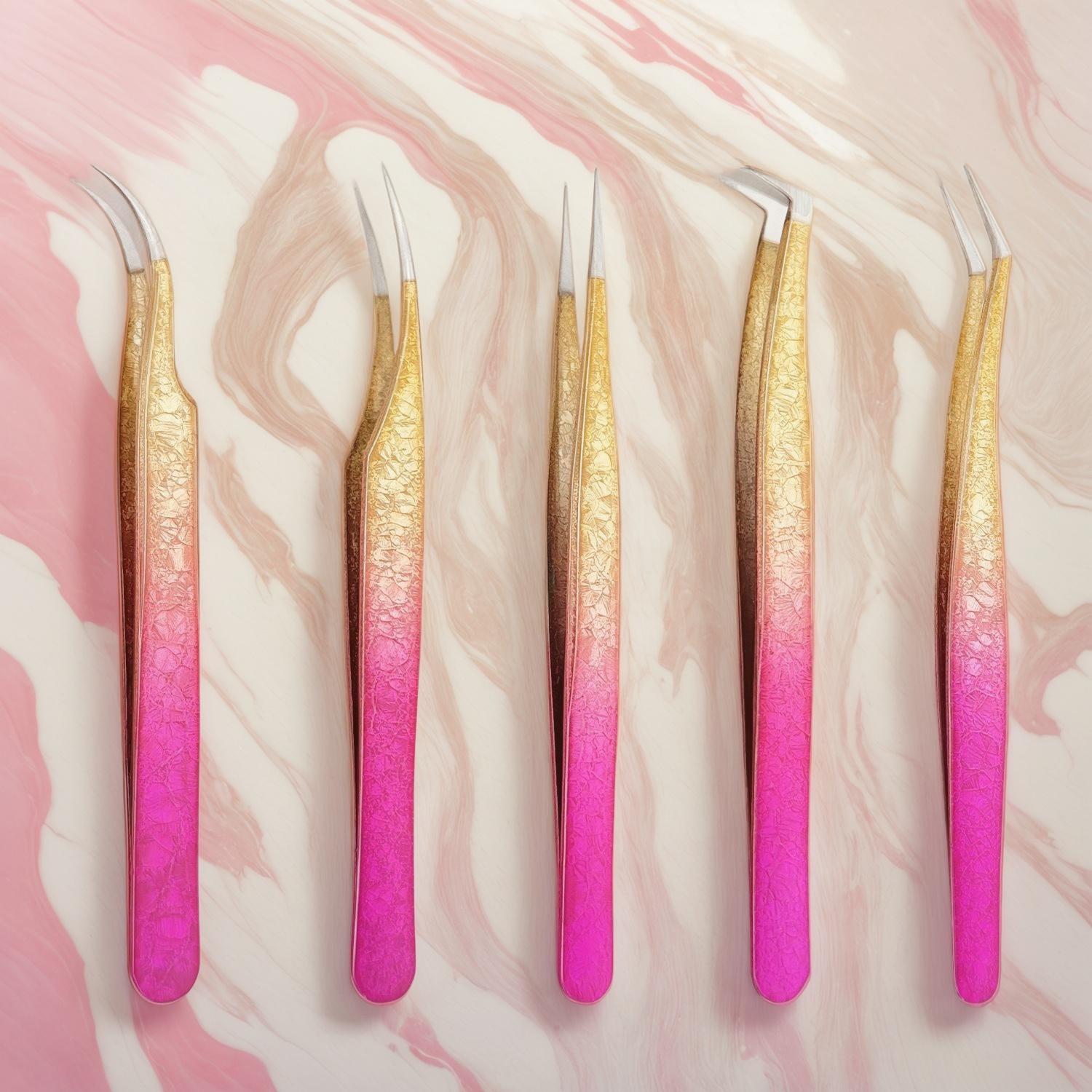
Eyelash Extension Precision Tools for Professional Lash Artists
Eyelash extensions are a detail-driven service. A client may notice the final shape, curl and fullness first, but the quality of the work depends heavily on the tools in the artist’s hand. For salons, training academies and beauty distributors, choosing eyelash extension tools is not only about appearance. It is about control, consistency, hygiene, durability and the ability to support repeated professional use.
For beauty professionals buying B2B beauty supplies, precision tools such as lash tweezers, beauty scissors and supporting accessories should be evaluated with the same care as adhesives, lashes and aftercare products. The right tool can help an artist isolate natural lashes cleanly, pick up extensions efficiently and maintain a stable hand position throughout a long appointment.
Why Precision Matters in Eyelash Extension Work
Applying eyelash extensions requires repeated movements within a very small working area. A lash artist may need to separate one natural lash from surrounding lashes, pick up a single extension or handmade fan, place it at a controlled angle and release it without pulling. Small differences in tweezer tension, tip alignment and grip comfort can affect the speed and neatness of the service.
Precision is especially important for three parts of the appointment. First, isolation tools must separate lashes without catching the skin or neighboring lashes. Second, pickup tweezers should hold extensions securely without crushing or slipping. Third, trimming or small correction work requires clean cutting tools that do not fray materials or force the artist to repeat a movement.
For a solo lash artist, better control may reduce fatigue during full sets. For a salon or distributor, tool consistency matters because multiple technicians may use the same style of tools across appointments or training sessions. When the tool behaves predictably, it is easier to build repeatable technique.
Key Tools Used by Lash Professionals
A professional eyelash extension setup usually includes more than one tweezer. Different hand positions, lash styles and techniques may require different tip shapes. Beauty scissors and related grooming tools may also be used for preparation, display, kit building or accessory trimming. When sourcing from beauty tool products, buyers should look at the complete working process rather than selecting tools one by one without a plan.
- Straight isolation tweezers: Commonly used to separate natural lashes and create a clear application area.
- Curved or angled tweezers: Often selected for pickup and placement because the angle can improve visibility and hand comfort.
- Volume lash tweezers: Designed to help hold and release multiple extensions when creating fuller lash looks.
- Beauty scissors: Useful in salon kits for neat trimming tasks, packaging preparation or accessory adjustment, depending on the salon workflow.
- Cleaning and storage accessories: Cases, caps or trays help protect delicate tips from damage between appointments.
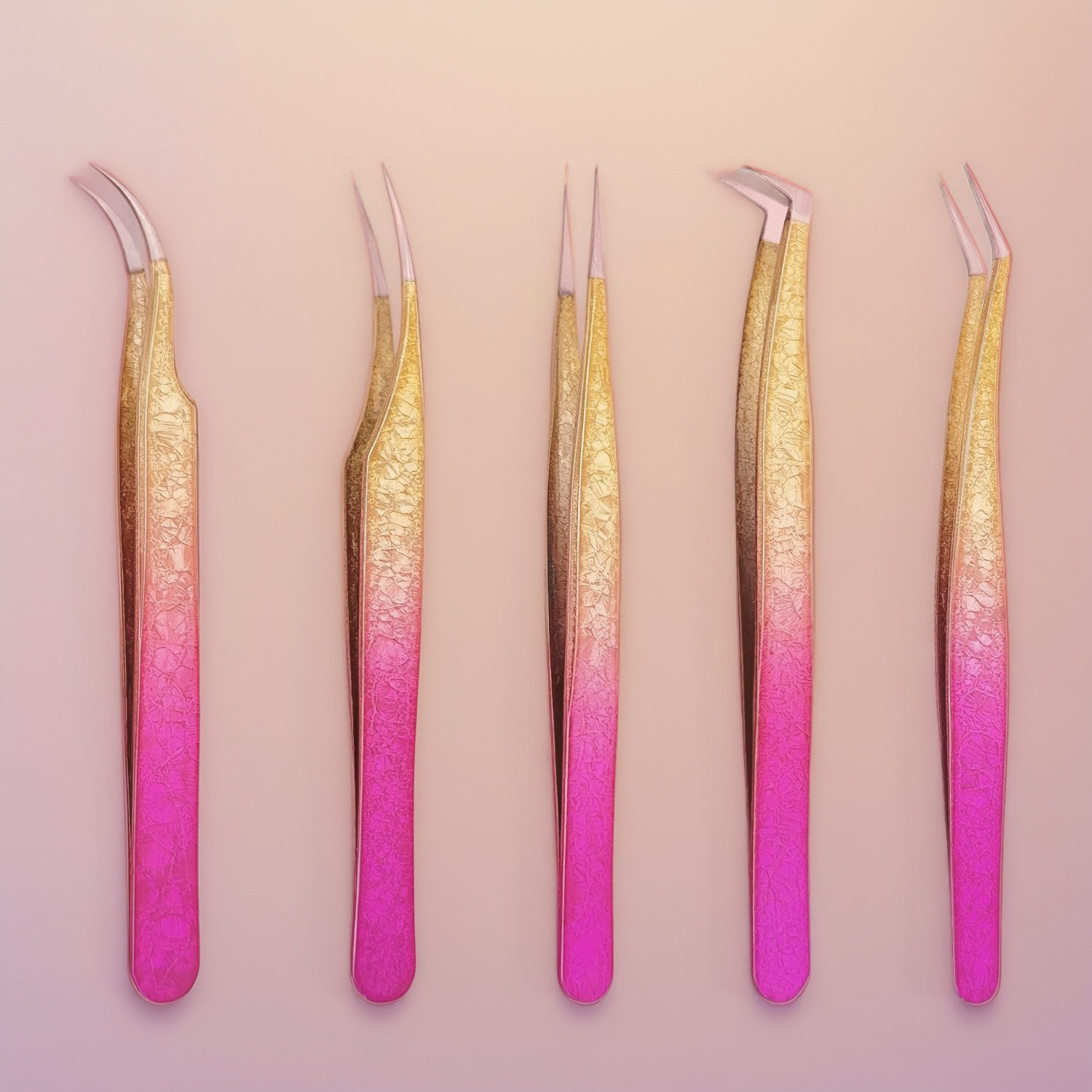
The Gradient Glam Tweezer Collection from Olimor Beauty is presented for professional lash needs, with ergonomic design, high-grade stainless steel and tip angles and curvatures suited to different application tasks. Its gradient appearance may also suit salons that want tools to look clean and coordinated at the workstation, while the functional details remain the most important buying factor.
How to Evaluate Lash Tweezers Before Buying in Bulk
Bulk purchasing can save time for salons, academies and distributors, but it also makes pre-purchase evaluation more important. A tweezer that looks acceptable in a photo may feel too stiff, too loose or poorly balanced during a service. Before committing to a larger order, compare the tool against practical working criteria.
| Selection factor | What to check | Why it matters |
|---|---|---|
| Tip alignment | Tips should meet evenly without visible gaps when closed. | Better alignment improves isolation and pickup control. |
| Tension | The tweezer should close smoothly without excessive force. | Comfortable tension helps reduce hand fatigue during long appointments. |
| Tip shape | Match straight, angled or curved tips to the lash technique used. | Different styles support isolation, classic placement or volume work. |
| Material feel | Stainless steel should feel stable, smooth and suitable for cleaning. | Professional tools need to withstand repeated salon handling. |
| Surface finish | Check for rough edges, uneven coating or areas that may trap residue. | A smooth finish supports hygiene and comfortable handling. |
| Packaging protection | Tips should be protected during transport and storage. | Damaged tips can make a precision tweezer unusable. |
For distributors and salon purchasers, it is also useful to test tools with the actual lash materials your team uses. Some artists prefer a firmer close for volume fans, while others prefer lighter tension for classic extensions. The best choice depends on the application style, technician preference and service menu.
Choosing Tools for Different Lash Services
Not every eyelash extension service requires the same tool combination. A classic lash set, a fuller volume set and a refill appointment can place different demands on the artist. When building a professional kit, begin by mapping the service types your team performs most often.
For classic lash extensions, many artists prioritize clean isolation and accurate single-lash placement. A straight isolation tweezer paired with a curved or angled pickup tweezer is a practical starting point. For volume techniques, the pickup tool becomes even more important because it must hold multiple extensions together while the artist forms or places a fan. For refill appointments, visibility and control matter because the artist may work around grown-out extensions, adhesive residue and uneven lash gaps.
Training academies may need a broader mix of tweezer shapes because students learn hand positioning differently. A distributor serving different salons may also benefit from offering several tip styles instead of assuming one shape works for every artist. To compare broader options, buyers can review Olimor product collections and plan assortments around real service needs.
Maintenance and Hygiene for Longer Tool Life
Precision tools are only useful if they stay clean, aligned and safe to handle. Lash tweezers have fine tips that can be damaged by drops, poor storage or rough cleaning. Beauty scissors and other metal tools also benefit from routine inspection. A simple maintenance process helps salons reduce unnecessary replacement and supports a more professional workstation.
- Clean promptly after use: Remove visible residue according to the salon’s hygiene procedure and local requirements.
- Dry tools thoroughly: Moisture left on metal tools can affect appearance and performance over time.
- Protect tweezer tips: Use a cap, case or tray so fine tips do not bend in drawers or travel kits.
- Inspect alignment regularly: If tips no longer meet cleanly, the tweezer may not isolate or grip correctly.
- Separate damaged tools: Do not continue using tools with bent tips, rough edges or unstable closing action.
Technicians should also avoid using lash tweezers for unrelated tasks such as opening packaging, scraping adhesive from surfaces or gripping hard objects. These habits can quickly ruin the tip alignment. If a salon issues tools to multiple staff members, a labeled storage system can help keep sets organized and make inspection easier.
Sourcing Questions for Salons, Academies and Distributors
When buying eyelash extension tools for professional use, price is only one part of the decision. A low-cost tool that arrives with inconsistent tension or damaged tips may create waste, returns and technician frustration. A more useful sourcing approach is to define your quality expectations first, then compare suppliers against those expectations.
Olimor Beauty focuses on beauty tools and B2B beauty supplies, including precision tools for lash and salon professionals. The original product information highlights quality assurance from raw materials to final packaging, which is especially relevant for buyers who need consistency across repeated orders. Before finalizing a purchase, prepare a checklist that reflects your own market, team and service standards.
- Which tweezer shapes are needed for classic, volume or mixed lash services?
- How many technicians, students or retail customers will the order support?
- Does the packaging protect fine tips during international or domestic shipping?
- Are the tools comfortable for long appointments and different hand sizes?
- Can the finish and design match the salon’s professional presentation?
- What inspection process will your team use when the shipment arrives?
If your business is comparing tool options for a salon chain, wholesale order or training program, you can send an inquiry with your intended use and required tool types. For more specific sourcing support, you may also contact Olimor to discuss suitable beauty tool options.
Building a Reliable Lash Tool Kit
A strong eyelash extension kit does not need to be complicated, but it does need to be intentional. Start with the techniques you perform most often, choose tweezer shapes that support those techniques and create a maintenance routine that protects the working edges and tips. For salons and distributors, consistency across tools is just as important as individual appearance.
The Gradient Glam Tweezer Collection shows how professional lash tools can combine practical features, such as ergonomic handling, stainless steel construction and varied tip angles, with a polished visual design. For beauty professionals, the real value comes from how confidently the tool performs appointment after appointment. By selecting carefully and maintaining tools correctly, lash artists can deliver cleaner isolation, more controlled placement and a better client experience.
Tag: