

Eyelash Extensions: How Salon Buyers Choose Reliable Application Tools
Eyelash extensions are a detail-driven service. The final look may appear soft and effortless, but the work depends on controlled placement, steady isolation and tools that feel predictable in the hand. For salons, lash studios, academies and beauty distributors, buying the right eyelash extension supplies is not only about appearance. It is about repeatable results, technician comfort, hygiene routines and whether the tools can support daily professional use.
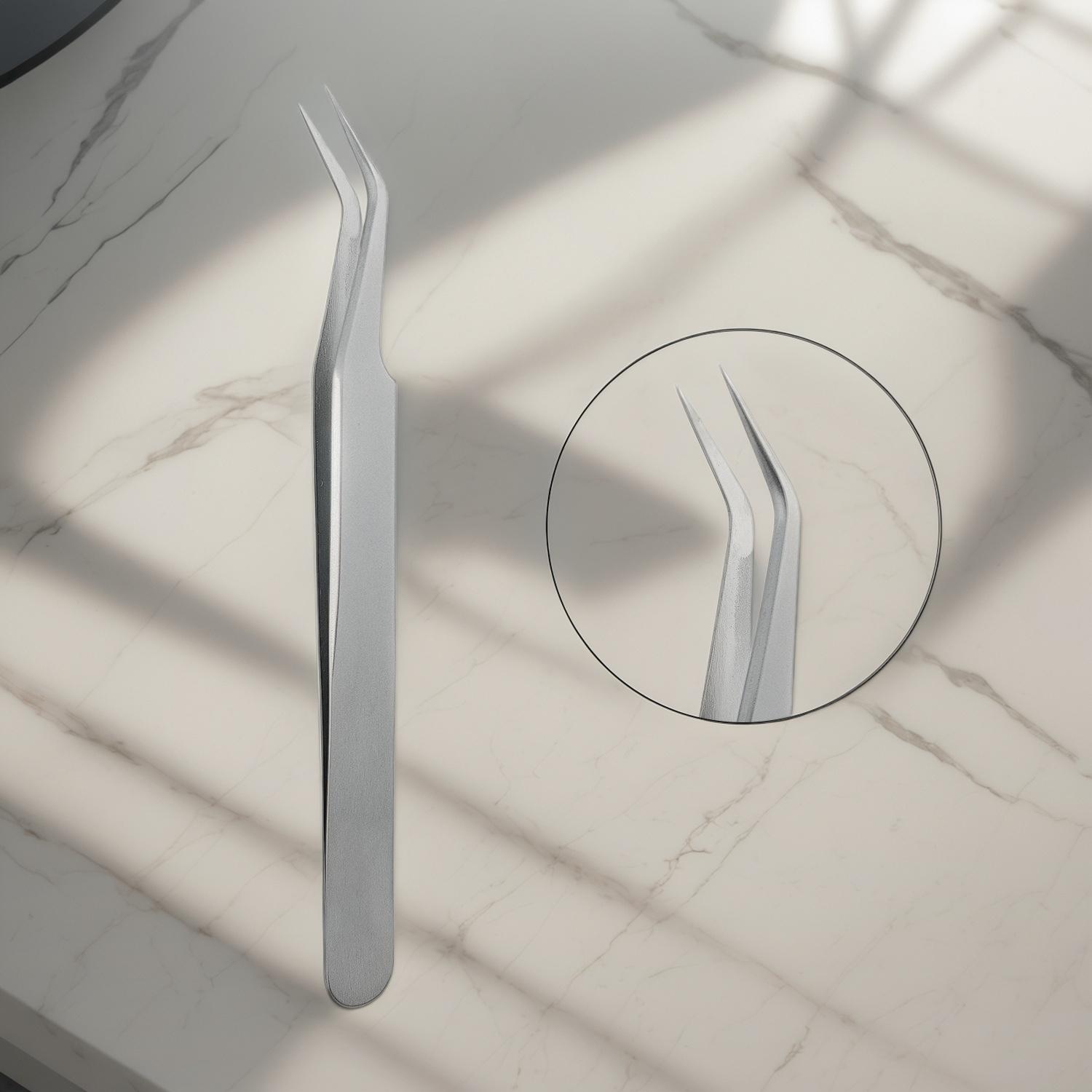
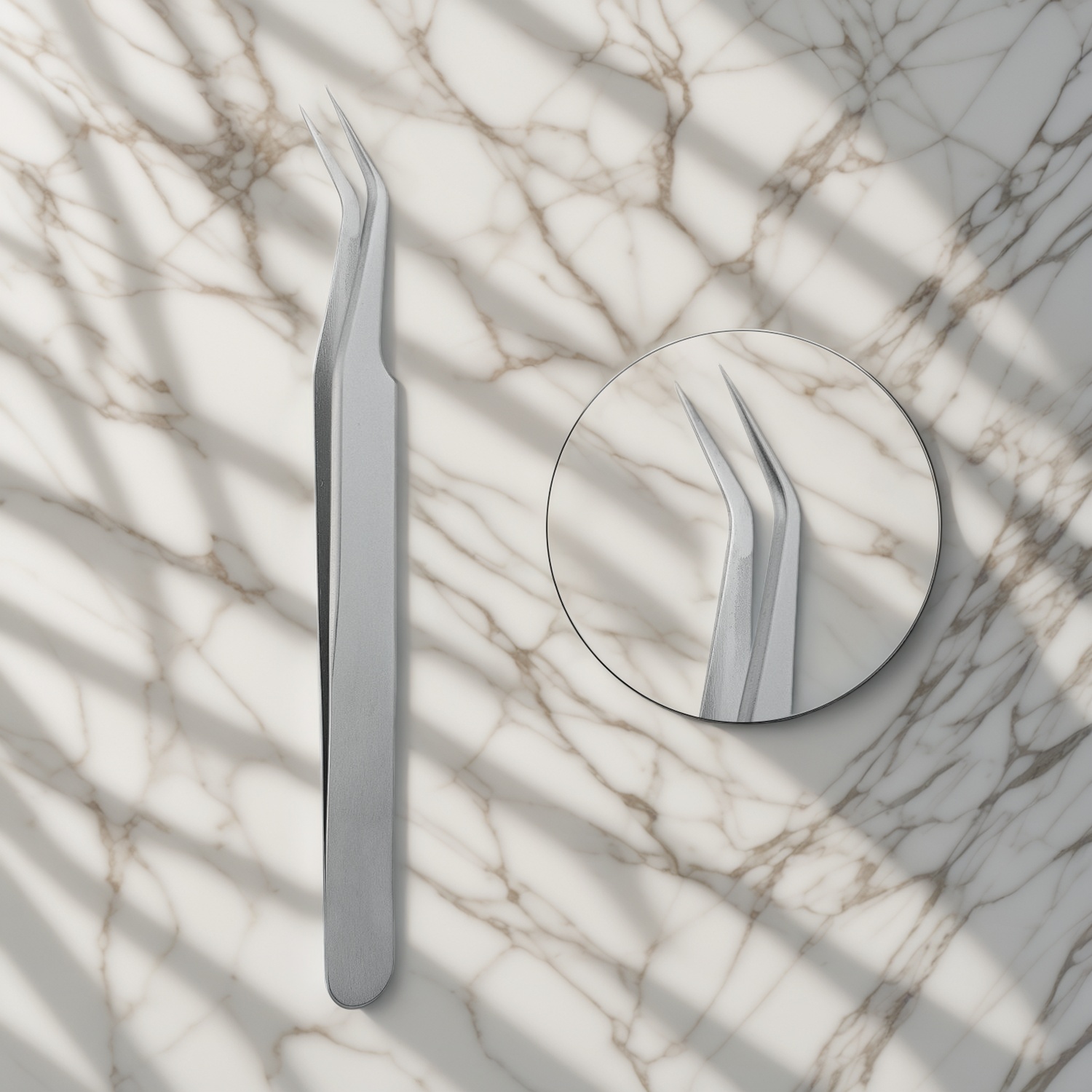
Olimor Beauty supplies beauty tools for professional buyers who need practical products for service environments. For eyelash extension work, a tool such as the Premium Stainless Steel Curved Tweezers can help technicians place fibers with accuracy while working close to the lash line. The right curved tweezer does not replace training, but it can make trained hands more efficient, especially during long appointments or high-volume salon schedules.
What Eyelash Extension Buyers Are Really Looking For
Eyelash extension services involve attaching individual synthetic or natural fibers to natural lashes to create added length, volume or definition. Because the work is performed one small placement at a time, salons need tools that support precision without interrupting rhythm. A buyer evaluating salon lash supplies should think beyond a single appointment and consider how the tool performs across repeated use by different technicians.
Common purchase priorities include tip alignment, grip comfort, weight, cleaning compatibility and packaging consistency. A tool that looks attractive in a product photo may still be frustrating if the tips do not meet cleanly or the handle requires too much pressure to close. Likewise, a tweezer that works for one technician may not suit a salon team unless the buyer understands the preferred technique, hand position and service menu.
For B2B beauty supplies, the decision also includes operational questions: Can the same tool be stocked across multiple workstations? Is it easy to train new staff on? Does it suit isolation, pick-up, placement or finishing work? These questions are especially important when purchasing hair salon supplies bulk, where small quality differences can become costly at scale.
Why Curved Tweezers Matter in Lash Application
Curved tweezers are widely used in eyelash extension work because their shape can help technicians approach lashes from a controlled angle. The curve may improve visibility around the eye area and make it easier to position extensions without blocking the technician’s view. For many lash artists, the most useful tweezer is one that feels like an extension of the fingers rather than an object they need to fight against.
The Premium Stainless Steel Curved Tweezers mentioned for Olimor Beauty are positioned for accurate placement and detailed work. Stainless steel is commonly selected for beauty tools because it is suitable for repeated handling and professional cleaning routines when used appropriately. For buyers, the key is not simply the material name but the overall build: the tension, the finish, the closing point and how the tool feels during fine motor movements.
A curved tweezer can be especially helpful in situations such as:
- Classic lash sets: Placing one extension onto one natural lash requires clear separation and steady pressure.
- Volume preparation: Technicians need control when picking up delicate fibers or maintaining a fan shape.
- Inner and outer corner work: The angle of a curved tweezer can help access smaller or harder-to-reach lashes.
- Long appointments: Ergonomic handling can help reduce unnecessary strain during detailed service work.
Different technicians may still prefer different tweezer shapes. A thoughtful salon buyer may stock a small range of lash tweezers and allow artists to choose the one that supports their technique, while keeping the core purchasing standards consistent.
Selection Checklist for Salons, Lash Studios and Distributors
When buying eyelash extension tools for a professional team, it is useful to create a standard checklist. This helps avoid decisions based only on appearance or price and makes it easier to compare suppliers. The following criteria can guide purchasing conversations and internal quality reviews.
| Selection Point | Why It Matters | What to Check |
|---|---|---|
| Tip alignment | Clean alignment supports accurate grip and placement. | Close the tweezer gently and inspect whether the tips meet evenly. |
| Tension | Too much tension can tire the hand; too little can reduce control. | Test repeated opening and closing motions before team adoption. |
| Handle comfort | Technicians may hold the tool for extended periods. | Consider grip feel, pressure points and hand position. |
| Surface finish | A smooth finish supports handling and cleaning routines. | Look for rough edges, uneven areas or defects. |
| Packaging | Good packaging helps protect fine tips during transport and storage. | Check whether tools arrive protected and easy to organize. |
| Use consistency | Bulk purchases should perform predictably across units. | Sample more than one piece when evaluating for salon-wide use. |
For buyers comparing categories, Olimor’s broader beauty tool products can be reviewed alongside lash tools to plan a more complete salon supply list. If your business purchases for multiple workstations or locations, grouping compatible tools into a consistent ordering system can reduce confusion during restocking.
How Tool Quality Affects Service Consistency
Clients often judge eyelash extensions by comfort, appearance and retention, but many of the factors behind a good appointment begin with the technician’s workflow. A tweezer that grips unpredictably may slow the service, force repeated corrections or create uneven placement. Over time, this affects both appointment efficiency and the client experience.
Quality beauty supplies also support training. When every technician uses tools with similar tension and tip response, educators can teach technique more consistently. New team members spend less time adapting to unpredictable tools and more time improving isolation, mapping and placement habits. For academies or salons that train junior lash artists, this can be a meaningful advantage.
Professional buyers should be careful with vague claims. Instead of relying on broad words such as “premium” or “professional,” evaluate whether a tool solves a real service problem. Does it improve control? Does it reduce hand fatigue for your team? Does it arrive in a condition that supports immediate inspection and proper storage? These practical answers are more useful than marketing language.
Hygiene, Storage and Daily Maintenance
Eyelash extension tools are used close to the eye area, so hygiene routines must be taken seriously. Each salon should follow local regulations, professional hygiene standards and product-specific care instructions. While the exact protocol may vary by region and service environment, buyers should think about maintenance before placing bulk orders.
Useful care practices include keeping tweezers dry after cleaning, storing tips in protective covers when not in use and separating clean tools from used tools during appointments. Fine tweezer tips can be damaged if they are dropped into drawers, mixed loosely with heavier metal tools or transported without protection. Even a small bend at the tip can affect grip accuracy.
Technicians should also inspect lash tweezers regularly. If a tweezer no longer closes correctly, feels rough at the tip or requires unusual pressure to grip fibers, it may need to be removed from service. A simple inspection routine protects service quality and helps the buyer understand replacement cycles without relying on guesswork.
Buying Eyelash Extension Tools in Bulk
Bulk purchasing can help salons, distributors and training centers maintain supply stability, but it should be approached with a clear standard. Before placing a larger order, buyers can evaluate samples, compare technician feedback and confirm packaging requirements. This is especially important for hair salon supplies bulk because storage, handling and internal distribution all affect the final user experience.
Consider creating a small internal review form for lash tools. Ask technicians to rate grip accuracy, comfort, tip visibility, cleaning ease and overall confidence during application. If multiple team members reach the same conclusion, the purchasing decision becomes much stronger. A structured review also helps prevent personal preference from being mistaken for product quality.
Buyers can also explore Olimor product collections when building a broader tool assortment for salons or beauty supply channels. For specific purchasing questions, customization discussions or order planning, you can send an inquiry or contact Olimor with your intended use case and buying requirements.
Questions to Prepare Before Choosing a Supplier
A reliable sourcing process starts with clear information. Instead of asking only for a general catalog, prepare questions that reflect how the product will be used. For eyelash extension tools, useful questions include whether the tweezers are intended for isolation, pick-up or placement; how tips are protected during shipping; what inspection steps are used before packing; and what packaging options are available for wholesale or salon distribution.
If your business serves professional lash artists, you may also want to confirm whether the tool presentation fits your channel. Retail-ready packaging, simple protective packaging and internal salon storage packs may each serve a different purpose. The best choice depends on whether the product will be resold, used in-house or distributed to students in a training program.
A good supplier relationship is built on practical fit. The tool should match the technician’s hand, the buyer’s ordering process and the salon’s hygiene system. When these details align, eyelash extension services become easier to deliver consistently, and the purchasing team can focus on long-term supply planning rather than constant tool replacement.
Final Takeaway for Professional Lash Supply Buyers
Eyelash extensions depend on skill, but skill performs best with dependable tools. For salons and beauty businesses, curved tweezers are not a small accessory; they are part of the service foundation. Evaluating tip alignment, comfort, material handling, packaging and maintenance requirements helps buyers choose tools that support both technicians and clients.
Olimor Beauty’s Premium Stainless Steel Curved Tweezers represent the type of focused lash application tool that professional buyers may consider when building a dependable eyelash extension supply list. By combining practical testing with clear sourcing criteria, salons, studios and distributors can make better purchasing decisions and maintain a more consistent lash service workflow.
Tag: