

Eyelash Curler Wholesalers: How B2B Buyers Should Evaluate Suppliers
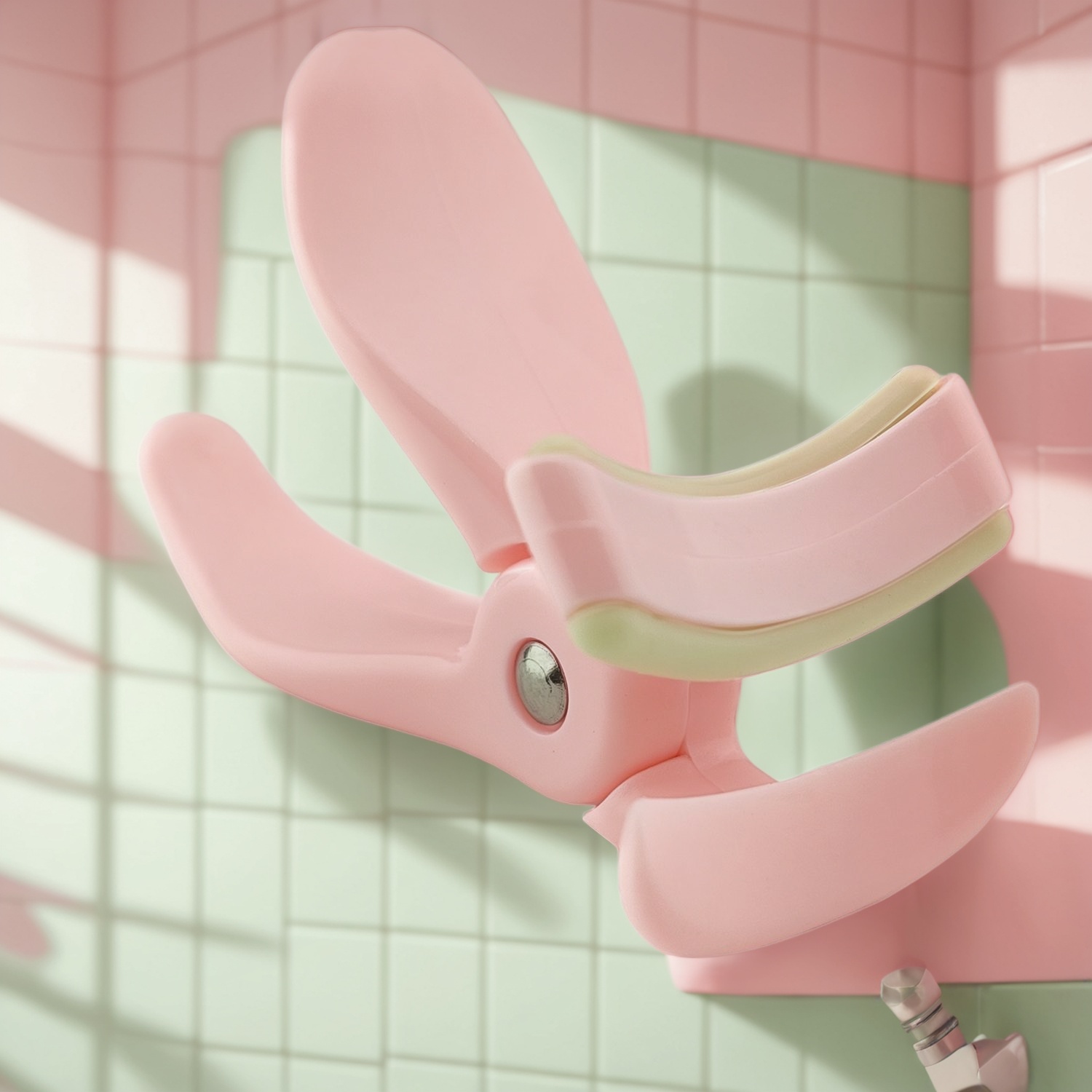
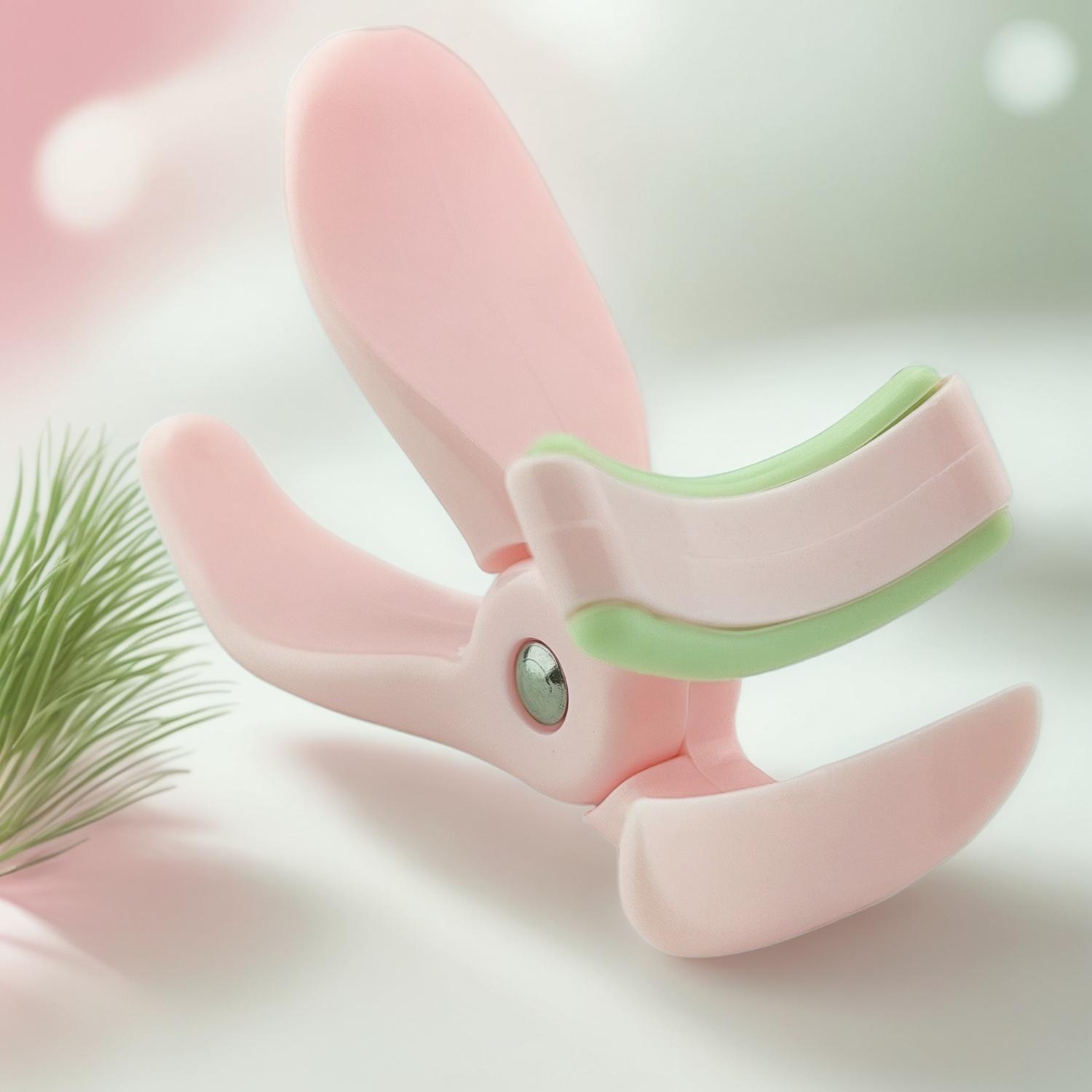
Eyelash curler wholesalers serve a very specific need in the beauty supply chain: they help salons, retailers, distributors, and beauty brands source a small tool that customers judge quickly. An eyelash curler may look simple, but buyers know that small differences in hinge movement, pad comfort, handle shape, and finishing can affect repeat orders and customer complaints.
For B2B buyers, the goal is not only to find a low unit cost. The better goal is to source curlers that feel consistent in the hand, protect lashes during use, suit the intended retail or professional channel, and arrive with packaging that supports your sales model. Olimor Beauty works in the beauty tools category with attention to technical manufacturing, quality checks, and ergonomic product decisions, making supplier evaluation an important part of the buying process rather than a last-minute step.
What Wholesale Buyers Need from an Eyelash Curler Supplier
A wholesale eyelash curler order usually supports one of several channels: salon back-bar use, retail resale, promotional kits, beauty e-commerce, or private-label programs. Each channel has different priorities. A salon may care most about durability and easy cleaning, while a retailer may focus on appearance, packaging clarity, and perceived value on the shelf.
Before comparing eyelash curler wholesalers, define the role of the product in your assortment. Is it an entry-level beauty tool, a professional-use item, a travel-friendly accessory, or part of a larger eye makeup set? That decision shapes the type of curlers you should request, the inspection points you should prioritize, and the packaging questions you should prepare.
Buyers browsing beauty tool products should look beyond product photos. Photos can show the profile and finish, but they cannot fully show spring tension, pad resilience, or how the curler aligns when closed. These are the details that determine whether a product feels reliable in daily use.
Key Product Details to Compare Before Ordering
Because eyelash curlers are used close to the eye, comfort and control matter. B2B buyers should assess the tool as a functional item first and a cosmetic accessory second. A bright finish or attractive box is useful, but it cannot compensate for poor alignment or uncomfortable pressure.
- Frame alignment: The upper and lower bars should meet evenly so the pad presses lashes consistently rather than pinching one side harder than the other.
- Hinge action: Opening and closing should feel smooth. A stiff hinge can make the tool uncomfortable, while a loose hinge can reduce control.
- Pad quality: The cushion should be soft enough for comfort but resilient enough to return to shape after repeated pressure.
- Handle shape: Handles should allow a stable grip for different hand sizes, especially if the tool is intended for salon or makeup artist use.
- Surface finish: Check for rough edges, uneven plating, or areas that may feel sharp during handling.
- Packaging suitability: Retail buyers may need hanging cards, boxes, inserts, barcode placement, or multilingual instructions depending on their market.
When reviewing samples, test several units rather than one. Consistency across samples is a stronger sign of production control than a single well-finished unit.
How B2B Beauty Supplies Differ from Consumer One-Off Purchases
A consumer buying one curler can choose based on personal preference. A B2B buyer must think about hundreds or thousands of users who may have different eye shapes, skill levels, and expectations. This is why wholesale sourcing requires a more structured review.
B2B beauty supplies also involve packaging, carton strength, labeling, delivery planning, and after-sales communication. For example, a retailer may need packaging that explains basic use and care, while a distributor may need cartons that are easy to count and handle. A salon equipment buyer may care less about outer packaging and more about long-term comfort, cleaning, and tool life.
Olimor Beauty emphasizes technical commitment in manufacturing and quality assurance from materials through packaging. For buyers, that means the conversation should include product function, finishing, inspection expectations, and how the finished goods will be prepared for the intended sales channel.
Supplier Evaluation Checklist for Eyelash Curler Wholesalers
A clear checklist helps purchasing teams compare suppliers on practical factors instead of relying only on catalog appearance. Use the following table when reviewing samples, quotations, or supplier discussions.
| Evaluation area | What to check | Why it matters |
|---|---|---|
| Tool construction | Frame alignment, hinge movement, handle stability, pad placement | These details affect comfort, safety perception, and repeat use. |
| User fit | Grip comfort, curve shape, ease of control | A curler should work for the intended audience, whether salon professionals or retail consumers. |
| Finish quality | Edges, surface coating, visible defects, consistency between units | Finish issues can reduce perceived value and increase complaints. |
| Packaging | Retail display needs, instructions, replacement pad information, barcode space | Packaging must match the sales channel and reduce confusion for end users. |
| Inspection approach | Incoming material checks, in-process checks, final visual and functional review | Inspection planning helps maintain consistency across larger orders. |
| Communication | Response clarity, sample feedback handling, order documentation | Good communication lowers the risk of misunderstanding before production. |
This checklist is especially useful when comparing multiple salon equipment suppliers. If two products look similar in a catalog, the better supplier is often the one that can discuss functional details clearly and help you align the product with your market.
Packaging and Presentation for Retail, Salon, and Distributor Channels
Packaging should not be treated as an afterthought. For retail, the package has to communicate what the tool is, how it is used, and why the buyer can trust it. For salon buyers, packaging may be more focused on protection during shipping and efficient storage. For distributors, carton labeling and packing consistency can make warehouse handling easier.
Private-label or brand-focused buyers should think about the complete customer experience. Does the package include basic use guidance? Is there room for an ingredient-free tool description, care instructions, or safety wording? Does the product need a spare pad included, or will replacement pads be sold separately? These choices affect cost, retail positioning, and customer satisfaction.
If you are comparing broader assortments, review related product collections to see how eyelash curlers may fit with tweezers, lash applicators, scissors, manicure tools, or other beauty accessories. A consistent assortment can help retailers build a more coherent beauty tools section.
Maintenance Guidance Buyers Can Pass to End Users
Good sourcing also includes thinking about how the product will be used after sale. Clear care guidance can reduce avoidable complaints. Eyelash curlers should be kept clean, stored dry, and used with a cushion pad that remains in good condition. If the pad becomes worn, split, or compressed, the tool may not perform as intended.
- Use the curler on clean lashes before mascara when possible, because mascara can make lashes more brittle or sticky.
- Position the pad carefully at the lash base without pressing against the eyelid.
- Apply gentle pressure rather than forcing the handles closed.
- Wipe the pad and frame regularly to remove residue.
- Replace the cushion pad when it loses shape or shows visible wear.
Retail packaging or product pages do not need to be overly complicated, but a short care section can help customers use the tool correctly. This is particularly important for e-commerce sellers, where customer education often happens through product images, bullet points, and post-purchase instructions.
Questions to Prepare Before Sending a Wholesale Inquiry
A strong inquiry saves time for both the buyer and supplier. Instead of asking only for a price, prepare information about your market, packaging preference, expected sales channel, and sample requirements. You do not need every detail finalized, but you should know what decisions matter for your business.
Useful inquiry details include the target channel, desired finish or color direction if relevant, packaging format, whether the curler is for retail or professional use, quantity planning, delivery destination, and any documentation or labeling needs required by your market. If you are unsure which product configuration is appropriate, share the end-use scenario and compare options based on function.
Buyers can send an inquiry when they are ready to discuss eyelash curler sourcing details, or contact Olimor for broader beauty tool purchasing questions. Clear product expectations at the beginning make it easier to evaluate samples, confirm packaging, and move toward a reliable wholesale order.
Choosing a Wholesale Partner with Long-Term Value
The best eyelash curler wholesaler for your business is not always the supplier with the shortest description or the lowest first quote. A better long-term partner helps you understand product options, checks the details that affect performance, and supports the buying process with organized communication. For beauty tools, consistency is the real value: customers expect the second unit they buy to feel like the first.
When evaluating Olimor Beauty or any supplier in the B2B beauty supplies category, look for practical evidence of attention to product function, ergonomic design, quality control, and packaging readiness. With a structured sourcing process, eyelash curlers can become a dependable item in a salon, retail, or distribution assortment rather than a product chosen only by appearance.
Tag: