

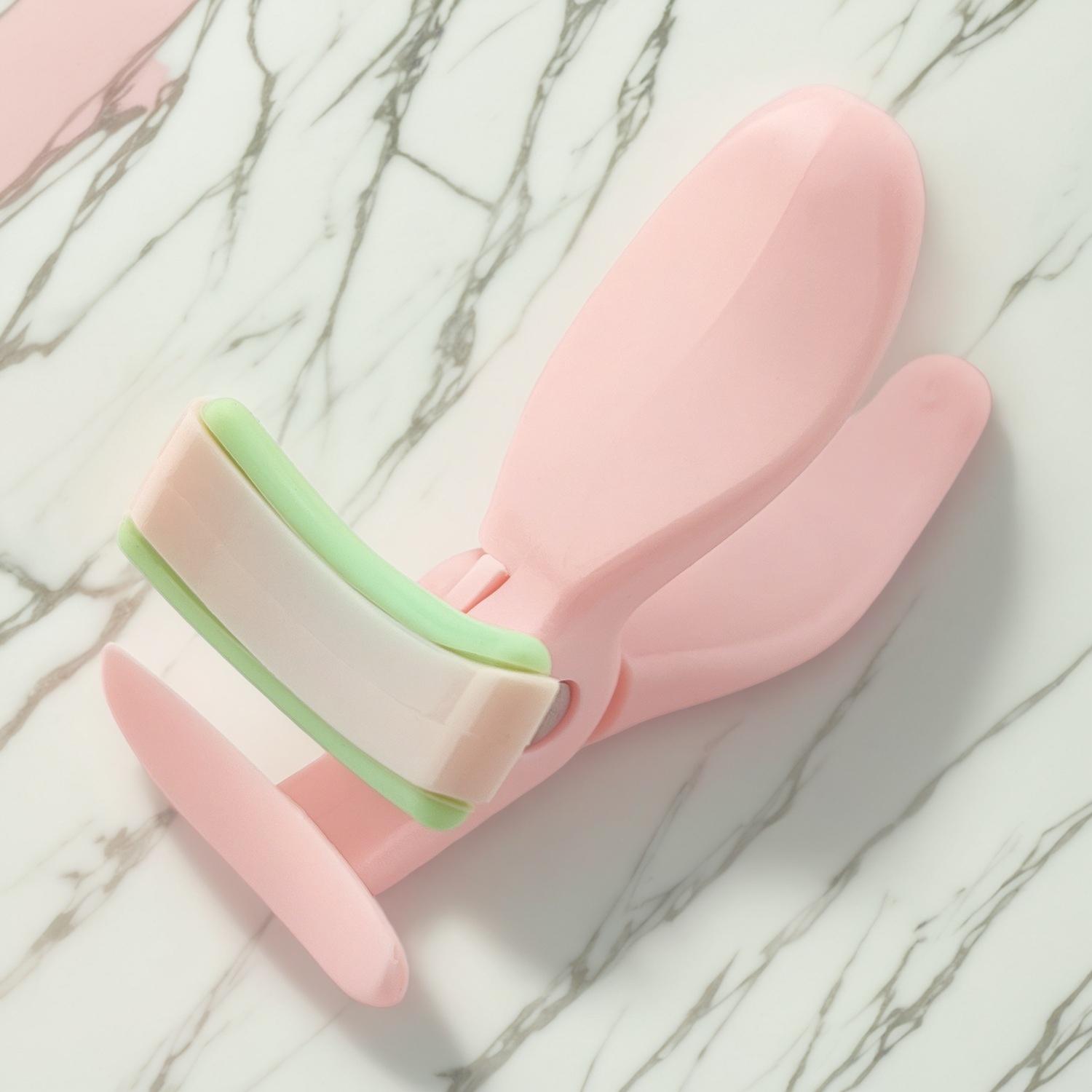
Wholesale Eyelash Curlers: A Practical B2B Buying Guide for Salons and Beauty Retailers
Eyelash curlers are small tools, but for salons, beauty retailers, makeup artists, and distributors, they are an important part of a reliable beauty tool assortment. A well-chosen eyelash curler helps professionals shape lashes before mascara, prepare clients for makeup applications, and offer an everyday accessory that customers understand immediately. For B2B buyers, the challenge is not simply finding an eyelash curler; it is choosing a wholesale supply partner and product standard that can support repeat purchasing, consistent presentation, and practical use in professional environments.
Eyelash curler wholesalers serve this demand by supplying beauty businesses with tools intended for daily handling, retail display, and service use. Olimor Beauty focuses on beauty tools for professional and commercial buyers, including products that fit the needs of salons and beauty supply businesses. Buyers comparing beauty tool products should look beyond appearance and review comfort, material choice, finishing, packaging readiness, and long-term supply suitability.
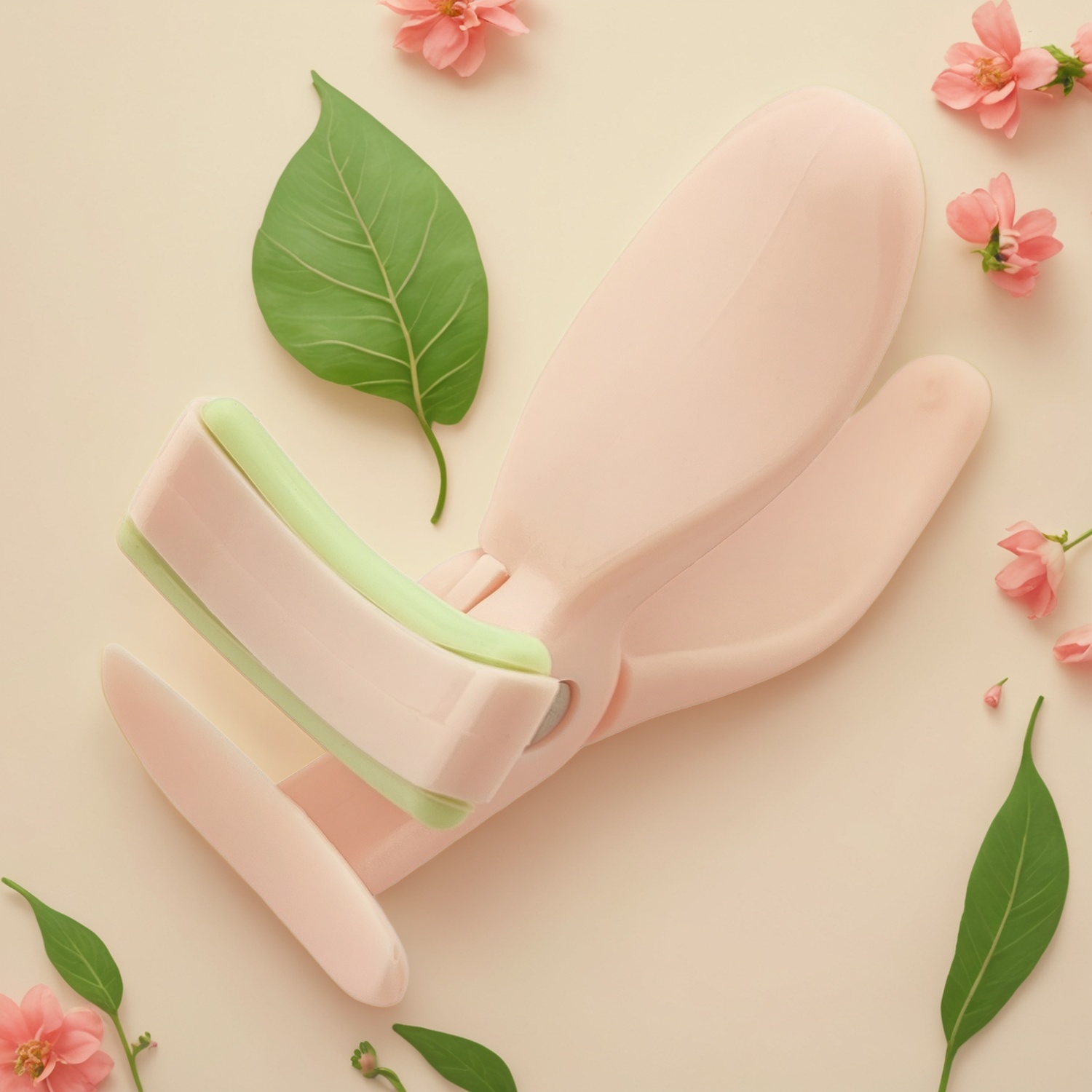
Why Eyelash Curlers Matter in a B2B Beauty Supply Range
For a salon, an eyelash curler is part of a professional preparation process. For a retailer, it is an accessible beauty accessory that can sit beside mascara, false lashes, tweezers, brow tools, and makeup applicators. For a distributor, it is a repeatable product category that appeals to a wide range of customers. This combination makes eyelash curlers useful in many B2B channels.
The best wholesale decisions usually consider the role the product will play. A salon may prioritize comfort, smooth action, and easy sanitation between clients. A retail buyer may focus on shelf appeal, simple customer understanding, and packaging that communicates the tool’s function clearly. A promotional or kit buyer may need a curler that matches a broader cosmetic accessory assortment. The product is simple, but the sourcing decision can vary depending on the sales channel.
Because eyelash curlers are handled close to the eye area, buyers should treat them as precision beauty tools rather than disposable accessories. Shape, pressure, hinge smoothness, pad quality, and finish all affect user confidence. A product that feels unstable or rough can weaken trust in the full beauty range, even if it is a low-cost item.
Key Selection Criteria for Wholesale Eyelash Curlers
When comparing eyelash curler wholesalers, buyers should evaluate the tool from both the user’s perspective and the business perspective. The following checklist can help purchasing teams review samples consistently:
- Frame shape: The curve should fit a practical range of eye shapes without pinching the eyelid or leaving parts of the lash line untouched.
- Opening width: The curler should open far enough for easy positioning while still feeling controlled in the hand.
- Handle comfort: Handles should be easy to grip for salon technicians, makeup artists, and everyday retail users.
- Hinge movement: The closing action should feel smooth, stable, and predictable, without wobbling or catching.
- Pad quality: The cushion should compress evenly to help curl lashes without creating a harsh crease.
- Surface finish: Edges should feel smooth, and the visible finish should support the intended retail or professional positioning.
- Material suitability: Stainless steel is a common premium material choice for beauty tools because it supports durability and a clean professional appearance.
- Packaging fit: Packaging should protect the tool, explain basic use, and align with the sales environment.
These points help buyers avoid choosing only by unit appearance in photos. For B2B orders, a curler must perform consistently across a batch and remain practical for real users. Sample testing by different hand sizes and experience levels can reveal issues that are not obvious in a product image.
How Salons and Retailers Use Eyelash Curlers Differently
Not every buyer uses eyelash curlers in the same way. A salon may keep them at makeup stations as part of client service, while a beauty shop may sell them as an everyday grooming tool. Understanding the use case helps define the right purchasing priorities.
| Buyer Type | Main Priority | What to Review Before Ordering |
|---|---|---|
| Salon or makeup studio | Comfort, hygiene, and repeat handling | Smooth operation, easy cleaning, stable grip, and replacement pad planning if available |
| Beauty retailer | Customer appeal and shelf clarity | Packaging visibility, product explanation, finish consistency, and merchandising size |
| Distributor | Reliable assortment planning | Supply consistency, carton protection, product presentation, and fit with other B2B beauty supplies |
| Promotional or kit buyer | Compatibility with a set | Tool size, color or finish direction if offered, packaging dimensions, and value perception |
This distinction matters because a salon-focused purchase may tolerate simpler packaging if the tool feels excellent in use, while a retail buyer may need stronger point-of-sale presentation. Distributors often need a balanced product that can work across multiple downstream customers.
Quality Questions to Discuss With Salon Equipment Suppliers
Reliable salon equipment suppliers do more than provide a catalog. They help buyers understand whether a product is suitable for the intended channel and whether the design is stable enough for ongoing purchasing. Olimor Beauty emphasizes technical excellence and quality checks, which are important for buyers who need dependable beauty tools rather than one-time novelty items.
Before placing a B2B order, purchasing teams can prepare a neutral review list. This is especially useful when comparing similar eyelash curlers from different wholesalers:
- Review a physical sample for hinge smoothness, grip, and pressure control.
- Check whether the frame edges and contact areas are smooth to the touch.
- Compare several samples from the same batch if possible to evaluate consistency.
- Confirm packaging structure, labeling space, and protection during transport.
- Consider whether the curler fits the rest of the buyer’s beauty tool assortment.
- Document any requirements for display, storage, or bundled sales before finalizing the order.
These steps do not require invented technical claims or unnecessary complexity. They simply help a buyer make a professional decision. When product specifications, packing methods, or sourcing details are important to a project, buyers can send an inquiry with their intended channel, quantity planning, and packaging needs so the discussion starts with practical information.
Inventory and Assortment Planning for B2B Beauty Supplies
Eyelash curlers are often purchased alongside related tools such as tweezers, brow tools, cosmetic applicators, and other small beauty accessories. This makes assortment planning important. A buyer may want one reliable eyelash curler as a core item, or multiple versions for different price points and display concepts. The right approach depends on customer behavior and sales channel.
For salons, inventory planning should include service tools and retail backbar or checkout products. For beauty retailers, eyelash curlers can be placed near mascara, false lashes, and eye makeup. For distributors, they may be part of wider product collections that help customers build a complete beauty tool offering. Keeping the assortment focused is often better than carrying too many similar versions that confuse buyers.
When forecasting demand, consider seasonality, makeup service volume, promotional calendars, and whether the curler will be sold alone or included in kits. Packaging volume also matters: a bulky package may look attractive, but it can reduce display efficiency and increase storage requirements. A compact package may be easier to handle, but it still needs to protect the tool and communicate basic use clearly.
Maintenance, Handling, and User Guidance
Even a well-made eyelash curler benefits from proper handling. For salons, cleaning practices should match the business’s hygiene procedures for tools used around the eye area. The curler should be wiped as appropriate between clients, stored in a clean place, and checked regularly for pad wear or hinge issues. For retail customers, simple usage guidance can reduce misuse and improve satisfaction.
Basic instructions often include positioning the curler at the base of clean lashes, applying gentle pressure, and avoiding pulling or using excessive force. The tool should not be used in a rushed motion. If a cushion becomes damaged, hardened, or uneven, the tool may not perform as intended. These practical points are valuable for salons training staff and for retailers deciding what information should appear on packaging or product inserts.
Choosing a Wholesale Partner for Eyelash Curlers
The right eyelash curler wholesaler should support the buyer’s commercial goal, not only provide a low-cost item. Look for communication that addresses product use, finishing expectations, packaging needs, and supply planning. A buyer sourcing for salons may need different details than a buyer sourcing for retail shelves, and a capable supplier should be able to discuss those differences clearly.
Olimor Beauty works with professional beauty tool buyers who need practical product options for B2B supply. Whether you are building a salon equipment range, adding eye tools to a retail assortment, or comparing wholesale eyelash curlers for distribution, the strongest sourcing decisions come from reviewing samples, defining the sales channel, and aligning the tool with customer expectations. To discuss product options or purchasing details, buyers can contact Olimor and share the intended application, target market, and packaging direction.
A dependable eyelash curler may be a small part of a beauty business, but it has a direct effect on user confidence. By focusing on comfort, consistency, material suitability, presentation, and supplier communication, B2B buyers can choose eyelash curlers that fit both professional use and commercial sales needs.
Tag: