

Eyelash Curler Wholesalers: How Salons and Retailers Choose Better Beauty Tools
For beauty salons, lash bars, brow studios, retail buyers and distributors, an eyelash curler is not a casual accessory. It is a tool that touches a sensitive area, affects the final makeup result and reflects the quality standard of the business using or selling it. Choosing the right eyelash curler wholesalers can help reduce inconsistent product quality, improve client comfort and simplify repeat purchasing.
The best sourcing decision is not based only on appearance or unit cost. A curler needs to open and close smoothly, hold the lash line securely, avoid pinching, and keep its pad properly aligned during regular use. Retailers also need a product that looks credible on display and feels dependable in the customer’s hand. For salons, durability and hygiene-friendly maintenance matter just as much as curl performance.
Olimor Beauty supplies beauty tools for professional and commercial purchasing needs, including eyelash curlers and related items such as eyebrow tweezers bulk orders. Buyers comparing beauty tool products should look closely at construction, comfort, finish consistency, packaging suitability and supplier communication before placing a larger order.
What Professional Buyers Should Expect from an Eyelash Curler
A professional-quality eyelash curler should deliver a clean lift without excessive pressure. The frame needs enough stability to apply even force across the lash line, while the handle should allow controlled movement. If the hinge feels loose, stiff or uneven, the user may compensate with extra pressure, increasing the risk of discomfort.
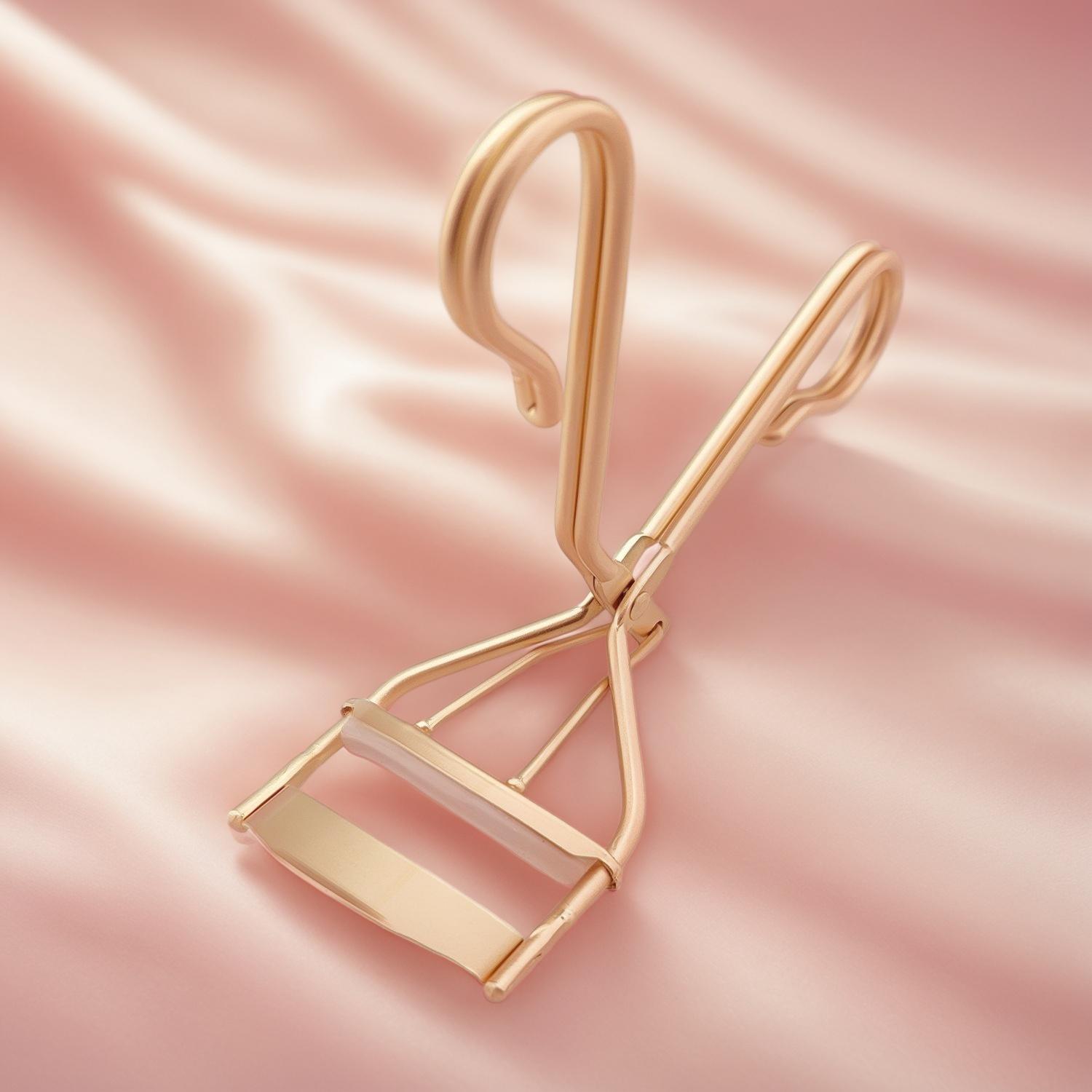
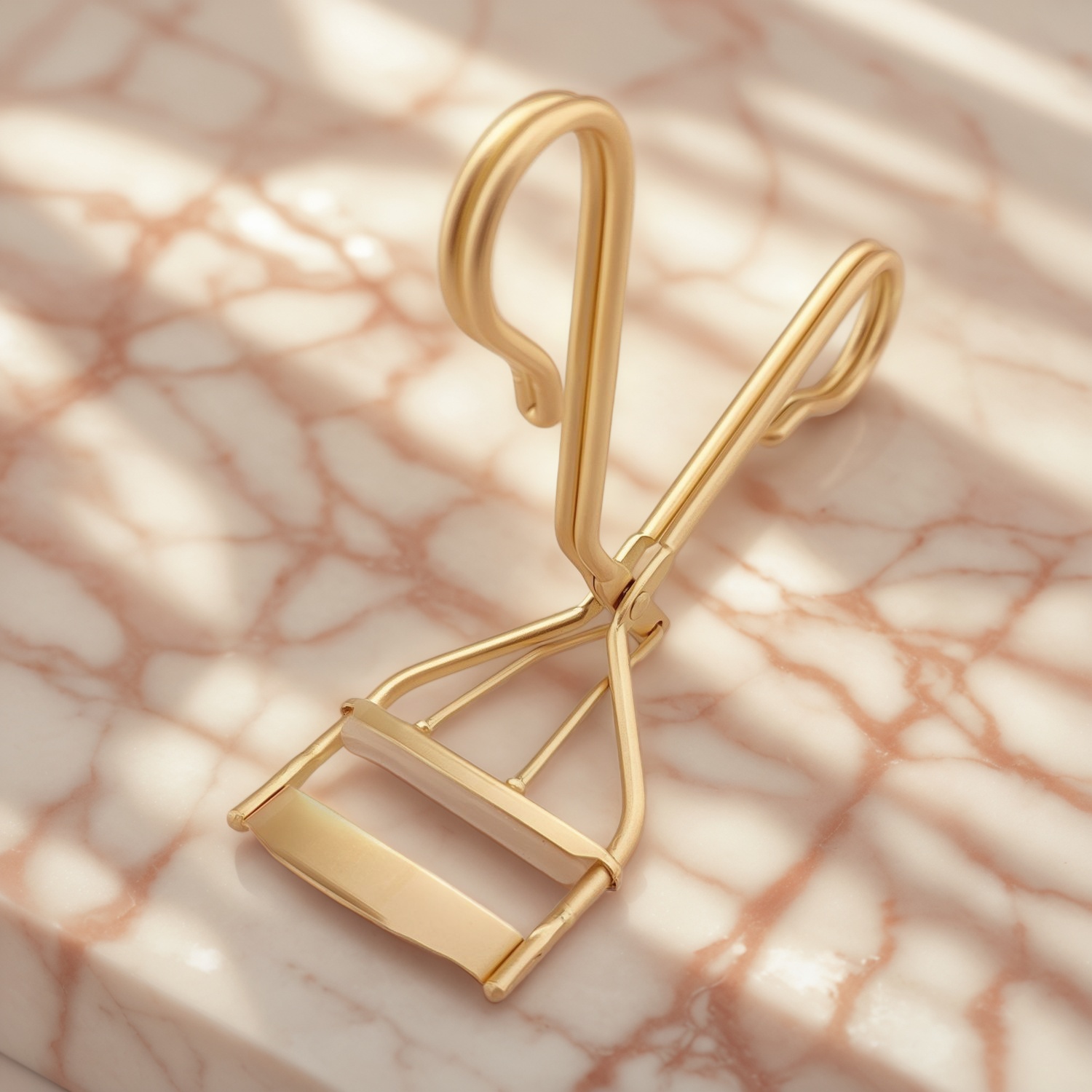
Olimor Beauty’s LuxeGold Eyelash Curler is described as having an ergonomic design intended for a pinch-free curl, a high-performance silicone pad for lasting results and a shape engineered to fit all eye shapes. These are meaningful product details because comfort and pad performance are two of the most common reasons buyers reject a lash curler after sampling.
When evaluating any curler sample, test it from the perspective of both a salon professional and a retail consumer. A makeup artist may value control, repeatability and fast cleaning. A retail customer may focus on how intuitive the tool feels, whether the handles are comfortable and whether the first curl appears smooth instead of sharply crimped. A good wholesale option should satisfy both use cases if it is intended for salon retail or professional resale.
Key Selection Criteria for Eyelash Curler Wholesalers
Before comparing quotes, buyers should define what “good quality” means for their channel. A salon chain, independent brow studio, e-commerce retailer and private distributor may each prioritize different factors. A structured checklist makes supplier evaluation more objective.
- Frame alignment: The upper bar and silicone pad should meet evenly. Misalignment can create uneven curling or pull on lashes.
- Hinge movement: Opening and closing should feel smooth, with no grinding, rattling or sudden resistance.
- Pad resilience: The silicone pad should compress evenly and return to shape. A pad that is too hard may crimp; one that is too soft may fail to lift.
- Grip comfort: Handles should support controlled pressure, especially for professionals using the tool repeatedly.
- Finish consistency: A lustrous finish, such as the golden finish shown on the LuxeGold Eyelash Curler, should appear even and clean across samples.
- Packaging readiness: Retail buyers should check whether packaging protects the curler, communicates the product clearly and suits shelf or online presentation.
- Inspection process: Consistent internal quality control helps reduce variation from one batch to the next.
Olimor Beauty emphasizes strict internal quality control, including inspection from raw materials to final packaging. For wholesale beauty tools, this type of process is important because a single approved sample is not enough. Buyers need reasonable confidence that repeat orders will match the quality standard of the sample.
Why Silicone Pad Performance Matters
The silicone pad is a small component, but it strongly influences the user experience. When the pad is properly shaped and resilient, it distributes pressure more gently and supports a rounded curl. When it is too firm, damaged or poorly seated, it can create a harsh bend rather than a natural-looking lift.
For salons, pad condition also affects service consistency. A makeup artist may use a curler several times a day, and the tool needs to perform predictably. If the pad wears unevenly, shifts position or collects residue easily, it becomes harder to deliver the same result for every client. For retailers, pad quality affects customer reviews and repeat purchase potential.
During sample evaluation, inspect how the pad sits in the curler channel. It should not look twisted, loose or too narrow for the frame. Apply gentle pressure several times and watch whether compression remains even across the full width. Buyers should also assess whether replacement or care instructions are needed for the sales channel, especially when selling to professional users.
Bulk Eyelash Curlers and Eyebrow Tweezers: Building a Cohesive Tool Range
Many buyers searching for eyelash curler wholesalers are also building a broader beauty tool assortment. Brow shaping, lash preparation and makeup finishing often sit close together in salon services and retail displays. Ordering related tools from one supplier can help simplify communication and keep a more consistent quality level across the category.
Olimor Beauty also offers eyebrow tweezers bulk orders, crafted with precision and ergonomic principles. For salons and retailers, tweezers should be assessed with the same seriousness as curlers. Tip alignment, grip feel and closing tension all affect performance. A tweezer that does not meet cleanly at the tips can frustrate professionals and reduce customer confidence.
When building a product range, think in terms of use cases rather than isolated items. A salon retail kit may include a lash curler and tweezers for at-home maintenance. A distributor may separate tools by professional use, retail display and promotional bundles. A brow studio may need larger quantities of tweezers while carrying a smaller selection of lash curlers for add-on sales. Buyers can review product collections to compare how different beauty tools may fit into a broader purchasing plan.
Questions to Settle Before a Wholesale Order
A strong supplier conversation should go beyond price. Clear expectations reduce delays, rework and mismatched assumptions. Use the following table to organize practical sourcing questions before confirming a larger purchase.
| Buying area | What to evaluate | Why it matters |
|---|---|---|
| Sample quality | Frame alignment, hinge motion, pad fit and finish appearance | Confirms whether the tool feels reliable before bulk purchasing |
| Order consistency | Internal checks from materials through final packaging | Helps reduce quality variation between sample and shipment |
| Retail suitability | Packaging protection, product presentation and labeling needs | Supports shelf display, online sales and customer confidence |
| Professional use | Comfort during repeated handling and ease of cleaning | Important for salons, makeup artists and lash service providers |
| Range planning | Availability of related tools such as eyebrow tweezers | Simplifies procurement and supports a consistent product assortment |
This type of comparison also helps teams align internally. Purchasing may focus on cost and lead time, while salon trainers focus on user comfort and retail managers focus on presentation. A shared checklist keeps the decision grounded in product performance and commercial fit.
Maintenance and Handling for Better Tool Life
Even a well-made eyelash curler needs proper care. Salons should clean tools between clients according to their hygiene procedures and local requirements. Retail customers should be educated not to use a curler with mascara residue built up on the pad, because sticky residue can pull lashes and reduce the smoothness of the curl.
Basic handling guidance is simple but valuable: keep the pad clean, avoid dropping the curler, do not force the hinge, and stop using the tool if the pad becomes cracked, deeply grooved or misaligned. For professional environments, staff should periodically inspect the tool before service. A quick check of the pad and hinge can prevent an uncomfortable client experience.
Retailers can reduce after-sale questions by providing clear care language on product pages or packaging where appropriate. Practical instructions often matter more to customers than broad beauty claims. Explain how to position the curler, apply gentle pressure and keep the pad free from buildup. This improves satisfaction and helps the product perform as intended.
Choosing a Supplier That Supports Your Business Model
The right wholesale partner should understand that salons and retailers have different purchasing pressures. A salon buyer wants dependable tools that help professionals work comfortably. A retailer wants products that photograph well, ship safely and meet customer expectations after unboxing. A distributor wants stable repeat supply and clear communication across product categories.
Olimor Beauty positions itself among salon equipment suppliers with attention to quality control and a wider beauty tool offering. For buyers comparing options, the most useful next step is to prepare requirements in advance: intended sales channel, target user, packaging expectations, quality concerns and the related tools needed in the same order. This makes conversations more efficient and helps avoid vague comparisons based only on appearance.
If you are sourcing eyelash curlers, eyebrow tweezers or a broader professional beauty tool range, you can send an inquiry with your purchasing needs or contact Olimor for product information. A clear specification checklist, combined with careful sample review, is the most reliable way to choose beauty tools that support salon service quality and retail customer trust.
Tag: