

Eyelash Curler Wholesalers: How to Source Better B2B Beauty Tools
Eyelash curler wholesalers serve a practical but important part of the beauty supply chain. A curler is a small tool, yet buyers judge it quickly: it either feels stable in the hand, curls lashes evenly, and protects the lash line, or it becomes a product that creates returns and customer complaints. For B2B buyers supplying salons, beauty retailers, makeup artists, lash studios, or online stores, the goal is not only to find an attractive curler. The goal is to select a tool that is comfortable, repeatable, easy to explain to end users, and suitable for the way different beauty businesses sell.
This guide focuses on the product and sourcing questions that matter when evaluating eyelash curlers for wholesale supply. It also explains how curlers can complement eyelash extension services without confusing customers about proper use. If you are comparing beauty tool options, you can also review Olimor beauty tool products or explore broader product collections to plan a more complete B2B assortment.
What B2B Buyers Should Look for in a Wholesale Eyelash Curler
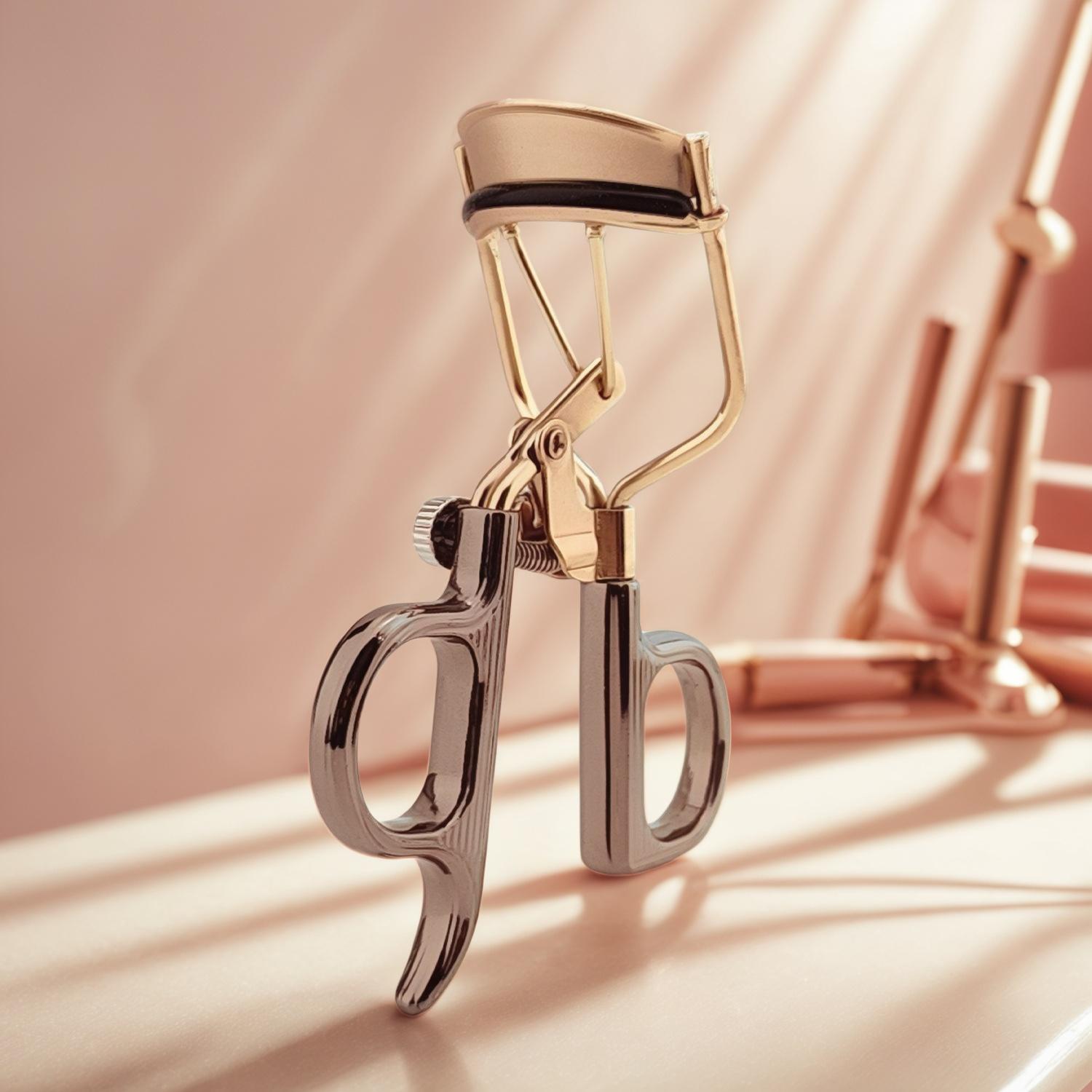
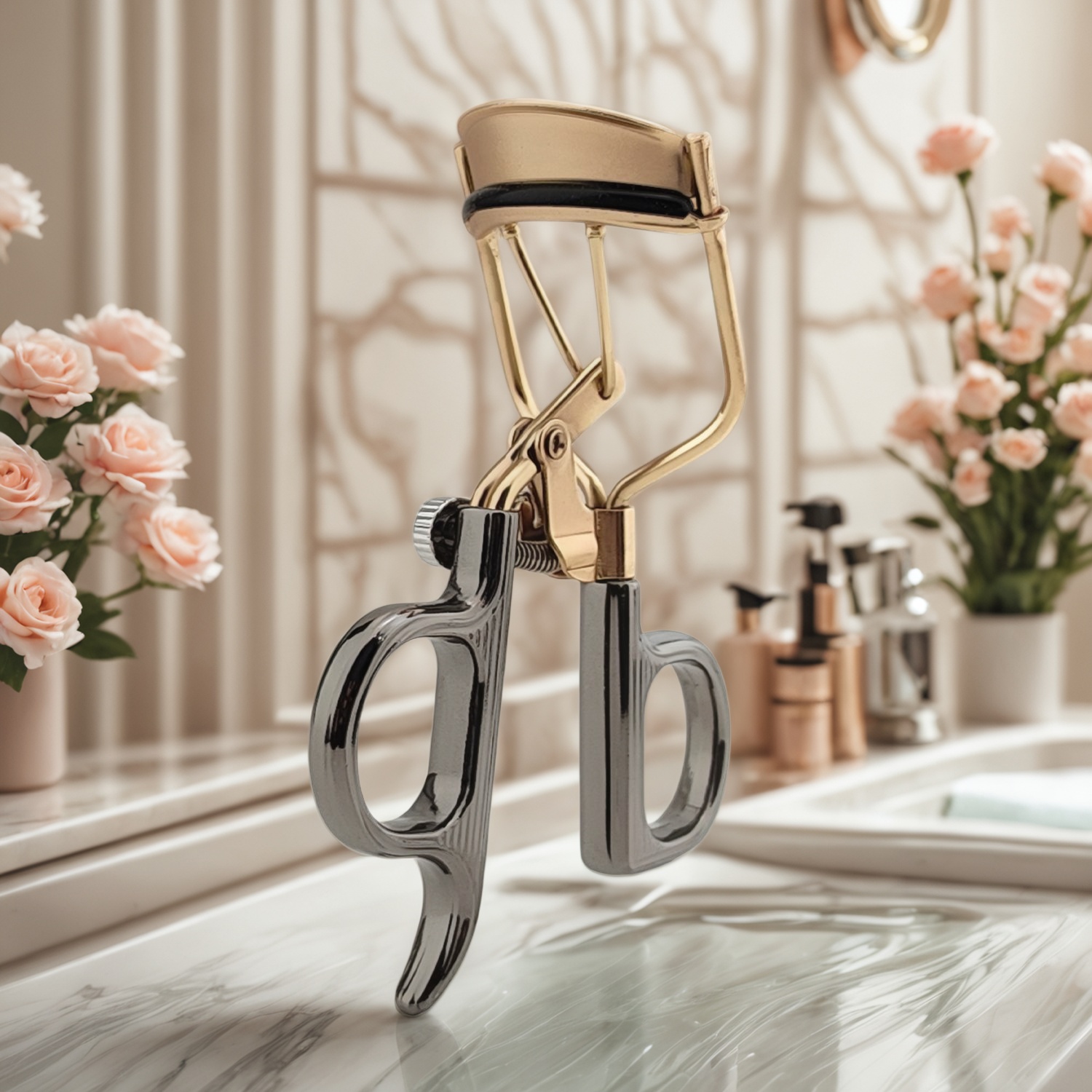
A good eyelash curler must balance comfort, pressure control, lash protection, and shelf appeal. In wholesale sourcing, small differences can affect whether the product is suitable for professional and retail channels. The original product information highlights an eyelash curler with a sleek, glossy handle, a curved silicone pad, durable materials, and an intuitive spring mechanism for even pressure and control. These are the types of details buyers should verify and compare across samples.
The handle is more than a visual feature. A glossy finish can help the tool look refined in packaging, but it should also feel secure during use. A handle that is too narrow, slippery, or awkwardly shaped can make the curler harder to control, especially for makeup artists who use tools repeatedly during the day. The silicone pad is equally important. A curved pad is intended to suit various eye shapes and support gentle curling, but buyers should check whether the pad sits evenly in the frame and whether it compresses smoothly without pinching.
The spring mechanism, when included, can help distribute pressure more consistently. For wholesale buyers, consistency matters because each unit should perform similarly. A sample that works well but a shipment that varies widely can damage trust with retailers and salons. Before selecting a product, test several units, not just one showroom sample.
Selection Criteria for Salons, Retailers, and Makeup Artists
Different customers buy eyelash curlers for different reasons. A salon may want a dependable tool for client preparation, a retailer may care about packaging and consumer education, and a makeup artist may prioritize grip, speed, and lash safety. Wholesalers can build stronger offers by matching product features to the channel instead of presenting every curler in the same way.
- For beauty salons: prioritize smooth pressure, comfortable handling, easy cleaning, and a pad that feels gentle on natural lashes.
- For makeup artists: consider how quickly the curler aligns with the lash line and whether the frame gives enough visibility while working on clients.
- For retail stores: focus on product presentation, clear usage instructions, replacement pad information if available, and a design that shoppers can understand quickly.
- For online sellers: prepare accurate product photos, concise feature descriptions, and realistic use guidance to reduce after-sale questions.
- For lash service businesses: position curlers carefully as natural lash tools, while giving clear advice about use around eyelash extensions.
Because eyelash curlers are often impulse-friendly retail items, buyers sometimes overemphasize appearance and underemphasize performance. The stronger approach is to treat appearance as one part of the product. A sleek tool may attract attention, but repeat orders usually come from dependable daily use.
How Eyelash Curlers Fit with Eyelash Extension Trends
Eyelash extensions have changed the way many customers think about lash tools. Some customers use curlers on natural lashes before an appointment, while others want tools that help them maintain a polished look between beauty services. For wholesalers, this creates an opportunity to supply salons and lash studios with complementary B2B beauty supplies, but it also requires careful product education.
An eyelash curler is primarily intended for natural lashes. When selling to businesses that also offer eyelash extensions, avoid suggesting careless use directly on extensions. Instead, position the tool as part of a broader lash preparation and retail assortment. For example, a salon may retail curlers to clients who do not wear extensions every day, or to customers who want to curl natural lashes before applying mascara. Lash artists may also recommend curlers only in situations that are appropriate for the client's lash condition and service type.
Clear guidance protects the reseller as well as the end user. Wholesale product descriptions should avoid exaggerated claims and should describe practical benefits: controlled curling, comfortable handling, a curved silicone pad, and suitability for daily beauty routines when used correctly. This type of language supports organic search because it answers real buyer questions without relying on vague promotional phrases.
Quality Checks Before Placing a Wholesale Order
For eyelash curler wholesalers, product inspection should be structured. A curler is mechanical, tactile, and close to the eye area, so buyers should evaluate both appearance and function. The following checklist can help purchasing teams compare samples consistently.
- Inspect the frame alignment. The upper and lower sections should meet evenly so the pad applies pressure across the lash line rather than at one point.
- Test the silicone pad fit. The pad should sit securely in the channel and should not shift during repeated opening and closing.
- Check pressure feel. Squeeze slowly and confirm that the mechanism feels smooth, not loose, uneven, or overly stiff.
- Review handle comfort. Test the curler with different hand sizes and grip styles, especially if selling to professional users.
- Look for surface issues. Glossy finishes should be checked for scratches, rough edges, inconsistent coating, or visible defects.
- Evaluate packaging protection. The curler should be protected against bending, pad deformation, and cosmetic damage during shipping and storage.
- Confirm usage information. Retail-ready products should include clear, safe, and realistic instructions appropriate for end users.
These checks do not require inventing complex standards; they are practical observations that help buyers avoid common problems. If a wholesaler is preparing a larger assortment, documenting the results of each sample test makes internal decisions easier and helps sales teams explain product differences with confidence.
Packaging, Merchandising, and Product Information
Packaging is often the bridge between a good tool and a successful wholesale program. Beauty retailers need products that are easy to display, while online sellers need product information that can be converted into clear listings. A curler with an elegant handle and a curved silicone pad should be presented in a way that makes those features visible or easy to understand.
For B2B sales, packaging questions should include more than appearance. Can the product be stacked or hung? Is the tool visible enough for a shopper to assess its shape? Is the pad protected from dust and compression? Does the product description explain how to use the curler without promising unrealistic results? These details influence customer satisfaction after purchase.
Wholesalers should also think about merchandising alongside related categories. Eyelash curlers can sit near mascara, false lashes, brow tools, lash combs, and other compact beauty accessories. For salons, they can be included in a retail section near aftercare and daily makeup tools. A well-planned assortment helps buyers increase average order value without relying on unrelated products.
Working with Olimor Beauty for B2B Beauty Supplies
Olimor Beauty supports buyers looking for beauty tools that can serve professional and retail channels. The supplied product details emphasize ergonomic design, quality checks, durable materials, and a mechanism designed for even pressure and control. For wholesalers, these are useful starting points for evaluating whether an eyelash curler belongs in a B2B assortment.
When discussing a potential order, prepare your requirements before comparing options. Consider the sales channel, expected packaging needs, preferred visual style, and any product information your customers usually request. If you are building a line for salons, the testing focus may be hand comfort and repeat use. If you are building a retail line, packaging, instructions, and display format may be more important. To discuss suitable options, you can contact Olimor or send an inquiry with your sourcing details.
Building a Stronger Eyelash Curler Wholesale Assortment
The best eyelash curler wholesale strategy is not simply to buy the lowest-cost tool available. It is to select a product that fits the buyer's customer base and can be described honestly. Features such as a glossy handle, curved silicone pad, durable construction, ergonomic use, and controlled pressure are valuable when they support real performance and a better user experience.
For wholesalers supplying B2B beauty supplies, a reliable eyelash curler can work as a standalone retail item, a salon support tool, or a companion product in a lash-focused assortment. By testing samples carefully, matching features to sales channels, and giving customers clear usage guidance, buyers can reduce risk and build a more dependable product offering. In a competitive beauty tools market, practical sourcing decisions are often what separate a one-time purchase from a repeat wholesale relationship.
Tag: