

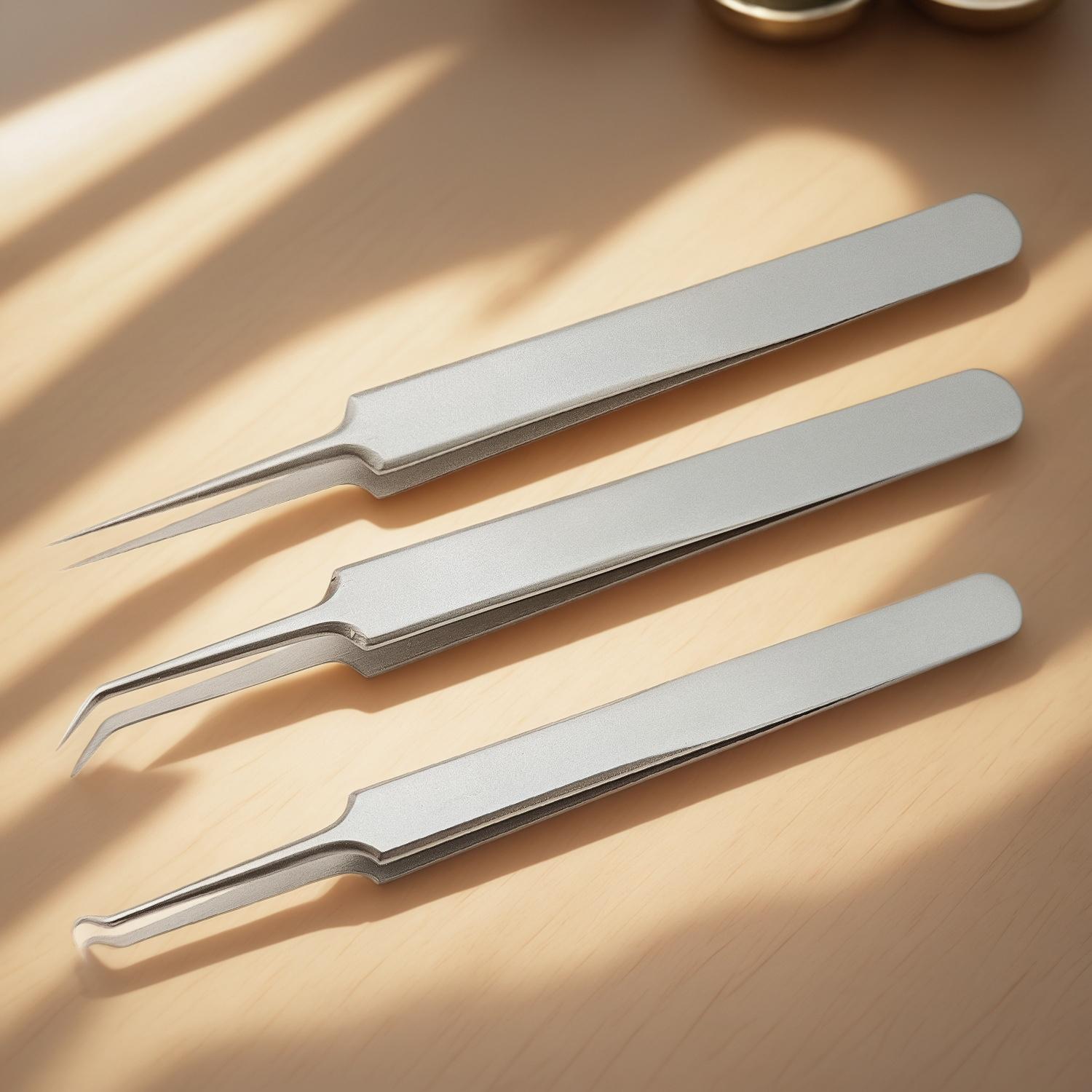
Export Quality Tweezers: How to Choose a Reliable Supplier for Skincare Tools
For skincare businesses, salons, beauty retailers and import buyers, tweezers are small tools with a large impact on customer trust. A tweezer that feels balanced, grips cleanly and keeps its alignment through repeated use can support precise grooming and extraction work. A poorly finished tool can pull unevenly, scratch the skin, bend at the tips or create inconsistent results from one batch to the next.
Olimor Beauty supplies stainless steel tweezers for professional and retail beauty use, including tools designed for precise skincare applications such as blackhead removal. If your business is comparing export quality tweezers or planning to import tweezers from China, the most important question is not only how the product looks in a photo. You need to understand the working edge, production consistency, hygiene expectations, finishing quality and packaging options before placing a serious order.
What “Export Quality” Should Mean for Tweezers
Export quality is often used as a broad marketing phrase, but for beauty tools it should refer to measurable product details. A good tweezer must close evenly, grip securely and feel controlled in the hand. The user should not need to press excessively hard to catch a fine hair, a clogged pore plug or a small skincare target area. At the same time, the tips should not be so sharp or uneven that they create unnecessary skin risk.
For buyers, export quality also means repeatability. One sample may perform well, but the real test is whether cartons of finished product maintain the same tip alignment, finish, opening resistance and packaging presentation. This is why many importers prefer a tweezers factory direct relationship instead of buying only through an unknown trading channel. A direct manufacturing partner can discuss the details that affect production, inspection and long-term supply.
Key Product Details to Evaluate Before Ordering
When reviewing tweezers for a skincare range, focus on the functions your end users actually need. Eyebrow grooming, blackhead extraction support, lash handling and general precision work may require different tip shapes or tension levels. The original product direction from Olimor Beauty emphasizes stainless steel construction, ergonomic design and ultra-fine tips for a blackhead tweezer set, so buyers should evaluate those features in real use rather than only in catalog images.
- Tip alignment: The two sides should meet cleanly without crossing, leaving a visible gap or twisting sideways.
- Grip performance: Test whether the tool can catch fine objects with light, controlled pressure.
- Edge feel: Tips should be precise but finished carefully enough for skincare handling.
- Hand comfort: The body should be easy to hold for both short retail use and repeated salon tasks.
- Spring tension: Resistance should feel stable, not loose in one piece and stiff in another.
- Surface finish: Check for scratches, burrs, discoloration, rough edges or inconsistent coating where applicable.
- Cleaning practicality: A skincare tool should be easy to wipe, sanitize and dry after use according to the buyer’s intended care instructions.
Why Work With a Tweezers Factory Direct Partner?
A tweezers factory direct partner gives buyers more visibility into how a product is made and controlled. This matters because tweezers are precision tools. Small differences in grinding, polishing, alignment and final inspection can change the entire user experience. If you are building a retail line, supplying salons or adding tweezers to a skincare accessories range, consistency protects your brand reputation.
Working directly with a manufacturer can also make product discussions more practical. Instead of only asking for a cheaper price, buyers can discuss what level of finish is appropriate, what packaging format suits the channel, and what inspection points should be prioritized. For example, a tool sold as part of a premium skincare kit may need different presentation than a simple bulk accessory for a salon backbar. You can review related beauty tool products to compare how tweezers fit with other grooming and skincare items in a broader assortment.
Inspection Checklist for Import Buyers
Before confirming a production order, create a checklist that reflects the way your customers will use the tool. The checklist does not need to be complicated, but it should be specific. A visual-only inspection can miss functional problems, while a function-only inspection can miss presentation issues that matter in retail.
| Inspection Area | What to Check | Why It Matters |
|---|---|---|
| Tip closure | Tips meet evenly from the correct contact point without visible misalignment. | Supports precise gripping and reduces user frustration. |
| Surface finish | No burrs, rough patches, heavy scratches or staining on the working area. | Protects perceived quality and helps the tool feel safer in skincare use. |
| Body tension | Opening and closing resistance is consistent across samples. | Improves comfort for repeated professional or retail use. |
| Packaging | Tool is protected from tip damage during transit and storage. | Prevents returns caused by bent tips or poor shelf presentation. |
| Batch consistency | Random samples from different cartons perform similarly. | Confirms the supplier can repeat the approved sample quality. |
Choosing Tweezers for Different Sales Channels
The best tweezer for one customer may not be the best choice for another. A salon professional may prioritize hand comfort and repeatable tip control. A skincare retailer may focus on packaging, safety language and visual appeal. An importer building a private beauty tool program may need a balanced product that works across ecommerce, wholesale and physical retail.
For a blackhead tweezer set, buyers should pay close attention to tip shape, tip protection and clear usage guidance. Tools intended for blemish-related skincare require careful customer education. The product should not encourage aggressive squeezing or unsafe home treatment. Packaging and instructions should present the tool as a precision accessory that must be cleaned before and after use, handled gently and used only on appropriate areas. This reduces misuse and supports a more responsible beauty tool offer.
If you are developing a full grooming or skincare accessories assortment, it is useful to look beyond one item. Tweezers may be combined with facial tools, nail tools or cleansing accessories depending on the market. Browsing Olimor product collections can help buyers plan a more coherent product range without mixing unrelated items.
Packaging and Sourcing Decisions That Affect Long-Term Value
Packaging is not only decoration. For tweezers, it also protects the tips, communicates hygiene expectations and supports retail presentation. A low-cost package that allows the tips to bend during transport can create more cost than it saves. Buyers should consider whether the tool needs a sleeve, cap, tray, pouch or boxed format based on the sales channel and shipping method.
When comparing suppliers, review how they handle sample approval and production reference standards. Keep one approved sample for comparison and define the visible details that matter: finish, alignment, logo placement if applicable, packaging position and instruction wording. This helps reduce vague disputes later. Because Olimor Beauty oversees production as a tweezers factory, buyers can discuss practical manufacturing points such as material selection, inspection focus and packaging protection without relying only on catalog descriptions.
Care Guidance for End Users
Good maintenance information makes tweezers more useful and reduces avoidable complaints. Stainless steel tools are valued for durability, but they still need proper care. After use, the tweezer should be wiped clean, sanitized according to the retailer’s or professional’s instructions, and dried before storage. The tips should be protected from drops, pressure and contact with hard objects. Even a high-quality tweezer can lose performance if the working ends are bent or chipped.
Retail buyers should include simple care language in packaging or online product pages. Avoid overstating medical claims. Focus on cleaning, safe handling, storage and replacement if the tool becomes damaged. Professional users should also separate tools for different tasks and follow their local hygiene requirements.
How to Start a Practical Supplier Conversation
A productive sourcing conversation is specific. Instead of asking only for a price list, prepare information about your target market, intended use, packaging preference, expected order structure and quality priorities. This allows the supplier to recommend a suitable direction and identify possible trade-offs early.
- Define whether the tweezers are for retail, salon use, promotional kits or a broader skincare accessories program.
- Confirm the required tip style and the level of precision your users expect.
- Request samples and test them for grip, alignment, comfort and finish.
- Review packaging protection, especially around the tips.
- Set clear inspection points before confirming production.
- Keep an approved sample as the reference for future batches.
For businesses seeking a dependable tweezers supplier, Olimor Beauty offers a factory-direct path for discussing export quality tweezers and related beauty tools. To share your sourcing plan or request product information, you can send an inquiry or contact Olimor with your target channel, packaging needs and quality expectations.
Choosing the right tweezers supplier is ultimately about reducing risk. When the tool grips well, feels comfortable, arrives protected and remains consistent from batch to batch, it becomes easier to build a beauty tool line that customers trust. Careful evaluation at the start leads to fewer complaints, stronger repeat orders and a product that performs as expected in real skincare routines.
Tag: