

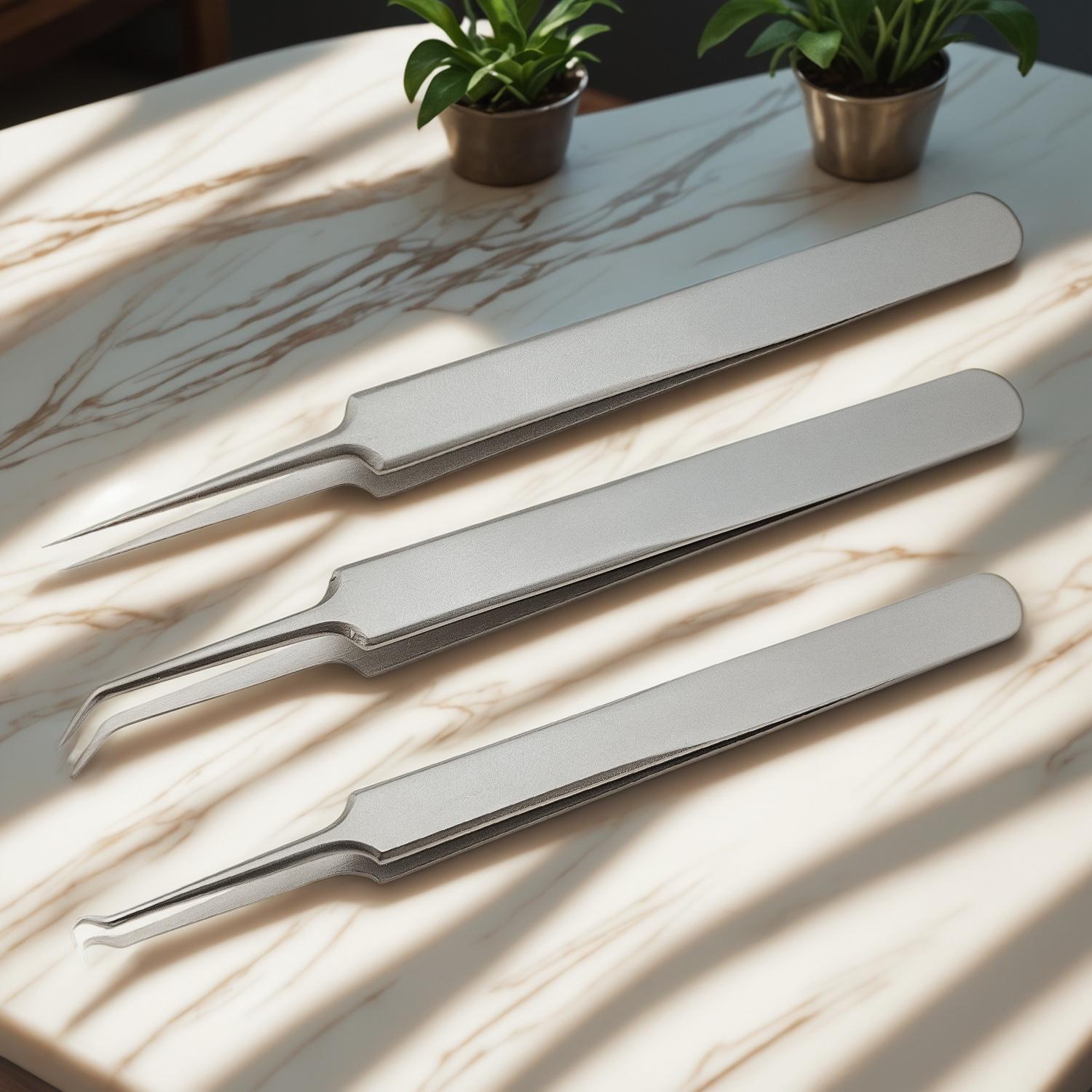
Export Quality Tweezers: How Beauty Brands Choose a Reliable Supplier
For beauty retailers, skincare brands, salon suppliers, and distributors, tweezers are not a simple add-on item. They are small tools that customers judge immediately by feel, grip, alignment, and long-term sharpness. A tweezer that pinches skin, loses tension, or fails to grab fine hair can quickly damage customer confidence. That is why sourcing export quality tweezers requires more than choosing a low unit price or a polished product photo.
Professional beauty tools need consistent manufacturing, practical design, and inspection at every stage. Olimor Beauty focuses on beauty tools such as precision-tip tweezers and ergonomically designed blackhead removers, with attention to durability and performance. If your business is comparing suppliers or planning to import tweezers from China, the right evaluation process can help you avoid inconsistent inventory and support a stronger product line.
What “Export Quality” Should Mean for Tweezers
In beauty tool sourcing, export quality should describe measurable product consistency, not just a marketing phrase. For tweezers, quality begins with the way the tool performs in the hand. The arms should open and close smoothly, the tips should meet correctly, and the surface should be finished cleanly enough for retail presentation and repeated use.
The original function of tweezers is simple: grip small objects precisely. In beauty applications, that usually means removing eyebrow hair, handling false lashes, supporting skincare routines, or working with fine cosmetic details. Because these tasks require control, a buyer should look beyond appearance and check practical performance across multiple samples.
Important performance factors include:
- Tip alignment: The tips should meet evenly without visible gaps or twisting.
- Grip accuracy: The tweezer should hold fine hair or small materials without slipping.
- Hand tension: The tool should not feel too stiff or too loose during repeated use.
- Edge comfort: Edges and corners should be finished to reduce rough handling.
- Surface consistency: Polishing and finishing should look uniform across the batch.
- Material suitability: Rust-resistant stainless steel is commonly preferred for durable beauty tools.
These details are especially important for brands selling through salons, beauty stores, online marketplaces, or private label retail channels. Customers may not know the technical production process, but they can feel the difference between a well-made tool and an inconsistent one.
Why Factory Direct Sourcing Matters
Many businesses search for a tweezers factory direct option because it can simplify communication and make quality expectations clearer. When buyers work closer to the manufacturing source, they can discuss product details such as tip shape, finish, packaging requirements, and inspection standards with less ambiguity.
Factory direct sourcing is not only about cost control. It is also about reducing misunderstandings. A distributor may need a durable tweezer suitable for everyday retail sales, while a salon supplier may prioritize professional feel and precise tip closure. A direct conversation about intended use helps align the product with the customer base.
For businesses building a broader beauty tool assortment, it can also be useful to compare tweezers with related categories on the Olimor website. You can browse beauty tool products to understand how different tools fit into retail or salon offerings, or review product collections when planning a more complete sourcing program.
Key Checks Before Confirming a Tweezers Supplier
A reliable tweezers supplier should be evaluated with the same discipline used for any professional beauty tool category. The sample stage is particularly important. Buyers should not only approve a single attractive sample; they should consider how consistently that sample can be reproduced in bulk.
The following checklist helps teams compare suppliers and document decisions:
| Evaluation area | What to check | Why it matters |
|---|---|---|
| Tip precision | Tips meet evenly, grip fine hair, and do not cross or bend under normal pressure. | Tip quality is the main reason customers accept or reject tweezers. |
| Material and finish | Rust-resistant stainless steel, smooth polishing, clean visible surfaces, and no sharp burrs. | Durability and hygiene perception affect repeat purchases. |
| Hand feel | Balanced spring tension, comfortable pressure, and stable control. | Professional users notice fatigue and poor control quickly. |
| Batch consistency | Multiple pieces from a sample lot show similar alignment, finish, and tension. | Retailers need predictable inventory, not one good sample. |
| Packaging readiness | Packaging protects tips and presents the product clearly for the sales channel. | Damaged tips or weak presentation can create returns and complaints. |
| Communication | Supplier answers technical and production questions clearly and confirms requirements in writing. | Clear communication reduces errors before mass production. |
This type of structured review is more useful than relying only on photos or broad claims. It also gives your purchasing team a shared standard for approving or rejecting samples.
Matching Tweezer Types to Customer Use Cases
Different customers use tweezers in different ways, so the best sourcing decision depends on the target market. A retailer serving everyday consumers may need a clean, easy-to-use tweezer for brow maintenance. A beauty distributor may need a more professional feel for salons and skincare studios. A cosmetics brand may want tweezers included in a grooming kit or beauty accessory set.
Before choosing a specification, define the primary use case. For eyebrow shaping, precise tip closure is critical because users need to isolate individual hairs. For false lash application, controlled grip and comfortable tension can matter more than aggressive pulling power. For general skincare or beauty accessory kits, the tool should feel reliable and safe for occasional use.
Product positioning also affects packaging decisions. A salon-focused tweezer may need protective packaging that keeps the tip secure during transport. A retail product may require stronger shelf appeal and clear usage information. An online product may need packaging that survives shipping while still presenting well in customer photos and reviews.
Quality Control Questions That Protect Your Brand
Quality control should not be treated as a final step only. For tweezers, small production variations can affect performance, especially at the tip. A useful quality plan considers raw material selection, forming, polishing, tip finishing, cleaning, packaging, and final inspection.
When comparing suppliers, buyers can prepare practical questions around the process rather than asking only for general assurances. Useful questions include:
- How is tip alignment checked during and after production?
- What visual defects are considered unacceptable for finished tweezers?
- How is spring tension evaluated across a batch?
- How are tips protected during packaging and shipment?
- What sample approval process is used before bulk production begins?
- How are buyer requirements recorded to prevent changes between sample and production?
These questions help reveal whether a supplier has a repeatable process. They also make expectations clearer before the order is confirmed. For brands that sell under their own name, this step is essential because the end customer connects the tool’s performance with the brand, not with the factory behind it.
Importing Tweezers from China with More Confidence
China remains an important manufacturing base for beauty tools, and many global buyers choose to import tweezers from China because of established production experience and supply chain capability. However, successful importing depends on preparation. Buyers should confirm product expectations, packaging requirements, inspection criteria, shipping protection, and documentation needs before production moves forward.
It is also wise to separate non-negotiable requirements from preferences. Tip performance, clean finishing, and safe packaging should be treated as core requirements. Color, retail card design, or secondary packaging details may allow more flexibility, depending on the project. This distinction helps prevent delays while still protecting the product features that matter most.
If your company is building a professional beauty tool line, document approved samples carefully. Keep reference samples, photos, written specifications, and packaging notes. This creates a practical standard for future orders and helps maintain consistency as your sales volume grows.
Building a Long-Term Beauty Tool Supply Relationship
A dependable supplier relationship is built through repeatable quality, clear communication, and realistic planning. For tweezers, long-term cooperation is valuable because the product may appear simple but depends heavily on consistent workmanship. A buyer who changes suppliers frequently may face small differences in tension, tip finish, or appearance that customers can notice.
Look for a supplier that understands professional beauty tool expectations and can discuss product function in practical terms. A good sourcing partner should help clarify manufacturing considerations, sample review points, and packaging protection without making unsupported claims. The goal is not only to purchase tweezers once, but to keep inventory dependable over time.
Olimor Beauty works with beauty tool buyers who need reliable product sourcing and clear project communication. To discuss a tweezer sourcing plan, packaging requirement, or broader professional tool assortment, you can contact Olimor. If you already have a project brief or sample request, you may also send an inquiry with your product needs.
Final Sourcing Advice for Export Quality Tweezers
Export quality tweezers should be selected through hands-on evaluation, not broad claims. Focus on tip alignment, grip performance, stainless steel suitability, surface finishing, batch consistency, and packaging protection. These factors directly influence customer satisfaction and reduce avoidable returns.
For retailers, salons, distributors, and beauty brands, the strongest supplier choice is usually the one that can combine product precision with consistent communication. By setting clear requirements before production and checking samples carefully, your business can source tweezers that support a professional beauty tool range and meet the expectations of demanding customers.
Tag: