

Export Quality Tweezers: Practical Precision for Beauty Buyers
Export quality tweezers may look simple at first glance, but small differences in alignment, tip finish, spring tension and surface texture can change the way a tool performs in daily use. For beauty retailers, salon suppliers, lash technicians, brow professionals and private label buyers, choosing the right tweezers is not only about appearance. It is about whether the tool can grip cleanly, feel controlled in the hand and remain consistent across repeat orders.
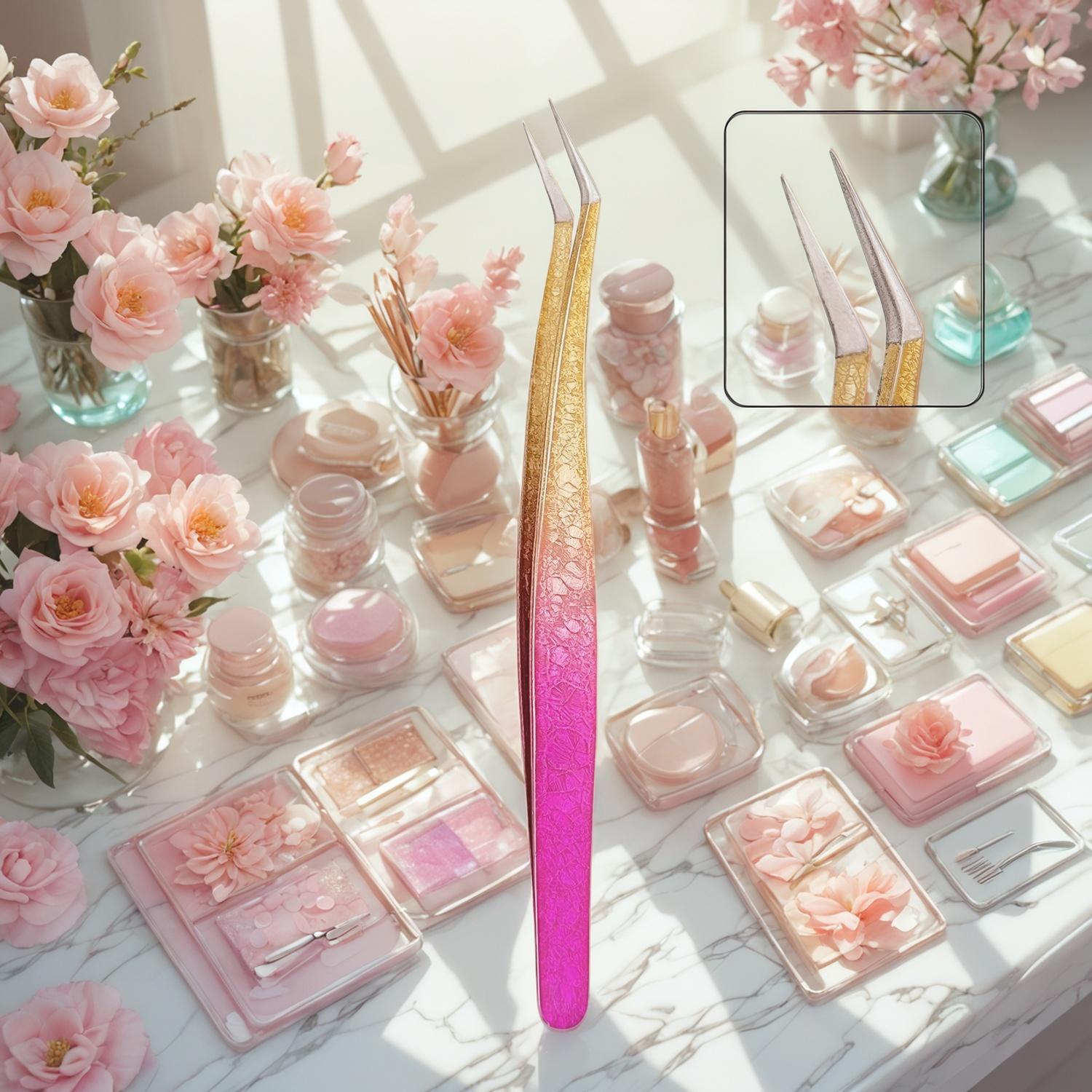
Olimor Beauty supplies tweezers for beauty applications where accuracy matters, including eyebrow grooming, lash extension support and nail art handling. The original product description highlights stainless steel construction, a fine-tipped needle nose, a gradient finish from metallic gold to vibrant fuchsia, and a crinkle texture designed to improve control. Those details point to the central sourcing question: how do you evaluate tweezers that must look appealing on the shelf while also performing reliably in professional or consumer hands?
This guide explains what buyers should consider when sourcing export quality tweezers, how factory direct purchasing can support consistency, and what to check before importing tweezers from China for retail, salon distribution or beauty tool assortments.
What “Export Quality” Should Mean for Tweezers
“Export quality” should never be treated as a decorative phrase. For tweezers, it should describe practical performance standards that can be checked through samples, inspections and repeat production. A good pair of tweezers must close evenly, hold small hairs or materials without slipping, and feel predictable during repeated use. If the tips are misaligned or the spring tension is too weak or too stiff, even an attractive finish will not compensate for poor function.
For beauty use, precision is especially important because the tool often works around delicate areas or with small details. A fine-tipped needle nose can help target individual brow hairs, isolate lashes or pick up tiny nail art elements. However, fine tips must be assessed carefully. They should meet accurately at the contact point, without visible gaps, twisted edges or burrs that could reduce control.
Useful export quality criteria include:
- Tip alignment: the two sides should meet cleanly when closed, with no offset at the working end.
- Grip consistency: the tweezers should hold a fine hair or small item without excessive squeezing.
- Comfortable tension: the tool should open and close smoothly for repeated movements.
- Surface finish: decorative coatings and textures should be even, clean and suitable for handling.
- Edge safety: tips should be precise but free from rough burrs or irregular edges.
- Packaging readiness: retail buyers should consider whether the product can be presented clearly and protected during transport.
Where the Gradient Elegance Tweezers Fit in a Beauty Range
The supplied product description refers to the Gradient Elegance Tweezers, which combine a gradient finish from metallic gold to vibrant fuchsia with a stainless steel body, a fine-tipped needle nose and a crinkle texture. This makes the tool relevant for buyers who need a tweezer that can serve both performance and visual merchandising needs.
For retail beauty displays, color and finish can help a small accessory stand out. A gradient metallic look is more noticeable than a plain utilitarian tool, especially in impulse purchase areas, brow care sets or manicure accessory displays. For salon or lash supply assortments, the same tool can be positioned around precision tasks, provided samples confirm that the tips close evenly and the grip meets user expectations.
The crinkle texture is also worth noting. A textured grip area can help the user maintain control, particularly during longer grooming sessions or detailed lash and nail work. This does not replace tip quality, but it supports handling comfort. Buyers comparing multiple tweezer styles should test how the texture feels in real use: secure enough to prevent slipping, but not so aggressive that it becomes uncomfortable.
If you are building a broader beauty tool line, compare this style with related beauty tool products to decide whether it should be offered as a single SKU, part of a grooming set or included in a themed retail display. A tweezer with a decorative finish may perform best when paired with other visually coordinated personal care accessories.
Key Selection Criteria for Professional and Retail Buyers
Different buyers evaluate tweezers in different ways. A brow technician may focus on tip bite and long-session comfort. A lash supplier may care about accuracy, consistency and packaging that protects the tips. A retailer may balance appearance, price positioning, durability and repeat order reliability. The best sourcing decision considers all of these use cases before placing a larger order.
| Buyer need | What to check | Why it matters |
|---|---|---|
| Eyebrow grooming | Tip alignment, hair grip and tension | Helps remove individual hairs cleanly with controlled pressure |
| Lash extension support | Fine tip accuracy and smooth closing action | Supports delicate handling and detailed placement tasks |
| Nail art use | Needle nose shape and grip stability | Helps pick up small decorative elements without dropping them |
| Retail display | Finish quality, color consistency and packaging protection | Improves shelf appeal while reducing visible defects |
| Repeat sourcing | Sample consistency and clear inspection criteria | Reduces variation between trial orders and future shipments |
When reviewing samples, do not rely on appearance alone. Use the tool for the intended task, or simulate the task with fine fibers, tiny decorative pieces or other small items. Open and close the tweezers repeatedly to understand spring behavior. Examine the tips under bright light. If the tweezer will be sold to consumers, consider how it feels to a first-time user as well as a trained professional.
Why Factory Direct Sourcing Matters for Tweezers
Tweezers factory direct sourcing can help buyers communicate requirements more clearly and reduce uncertainty. Because tweezers are small tools with tight functional tolerances, minor changes in tip grinding, finishing or alignment can affect the final experience. Working closer to the production source can make it easier to review samples, confirm surface preferences and define inspection points before shipment.
Factory direct sourcing is not only about cost. For export quality tweezers, it also supports product continuity. If you plan to sell the same tweezer style over multiple seasons, consistency matters. Customers who reorder expect the grip, finish and tip behavior to remain familiar. A long-term tweezers supplier should help maintain that continuity by keeping clear product references, confirming production details and supporting repeatable quality checks.
Before selecting any factory direct tweezer program, prepare a simple specification sheet. Include the intended use, finish expectations, tip style, packaging needs, labeling requirements and inspection method. Even when exact technical tolerances are not available, a clear visual and functional checklist helps align expectations between buyer and supplier.
Importing Tweezers from China: A Buyer Checklist
Importing tweezers from China can be a practical sourcing route for beauty brands, wholesalers and retailers, but the process works best when buyers define requirements early. The product may be small, yet export preparation still includes sample approval, packaging review, shipping protection and documentation planning.
Use this checklist before confirming a purchase order:
- Approve physical samples: check the actual tip closure, surface finish, color effect and hand feel.
- Define acceptable appearance: note how much color variation, surface texture variation or minor cosmetic difference is acceptable.
- Confirm use case: specify whether the tweezers are for brow grooming, lash work, nail art, retail gift sets or general beauty care.
- Review packaging protection: fine tips should be protected so they do not bend, scratch or misalign in transit.
- Set inspection points: include tip alignment, closing action, visible finish defects and packaging condition.
- Check import requirements: review labeling, customs documentation and market-specific compliance expectations for your destination country.
- Plan reorder consistency: keep approved samples and reference photos to compare future batches.
For buyers who are comparing sourcing options or planning a new assortment, Olimor Beauty’s product collections can be a starting point for building a coordinated beauty tool range. If your purchasing team needs to clarify application, packaging direction or sample evaluation steps, you can also send an inquiry with your requirements.
Maintenance Advice to Reduce Returns and Improve User Satisfaction
Even well-made tweezers need proper care. Retailers and salons can reduce avoidable complaints by giving users simple maintenance guidance. Precision tips can lose performance if they are dropped, stored loosely with heavier tools or exposed to residue without cleaning. A protective sleeve or retail case can help preserve the working end after purchase.
Basic care advice includes wiping the tips after use, storing the tweezers dry, avoiding harsh impact and keeping the tips covered when not in use. For salon environments, cleaning practices should follow the business’s hygiene procedures and local requirements. The key is to protect the alignment and finish so the tool continues to perform as intended.
Clear aftercare instructions are especially useful for tweezers with decorative finishes. Users should understand that appearance and function both benefit from careful storage. A small care note on packaging or product detail pages can support better customer experience without making unrealistic claims.
Choosing a Long-Term Tweezers Supplier
A reliable tweezers supplier should help buyers move from attractive samples to consistent repeatable orders. Look for clear communication, realistic sample review, attention to tip performance and willingness to define quality checks before mass production. The best sourcing relationship is built on practical details: how the tweezers close, how the finish is inspected, how the tips are protected, and how future orders will match the approved reference.
For beauty businesses, export quality tweezers are small products with a large influence on customer trust. A tweezer that grips accurately and feels comfortable can become a repeat purchase item, a useful add-on in retail displays or a dependable tool in professional kits. By focusing on alignment, grip, finish, packaging and sourcing consistency, buyers can choose precision tweezers that support both everyday use and commercial presentation.
To discuss tweezer sourcing needs, packaging direction or beauty tool assortment planning, contact Olimor and share the application, market and quantity planning details your team is working with.
Tag: