

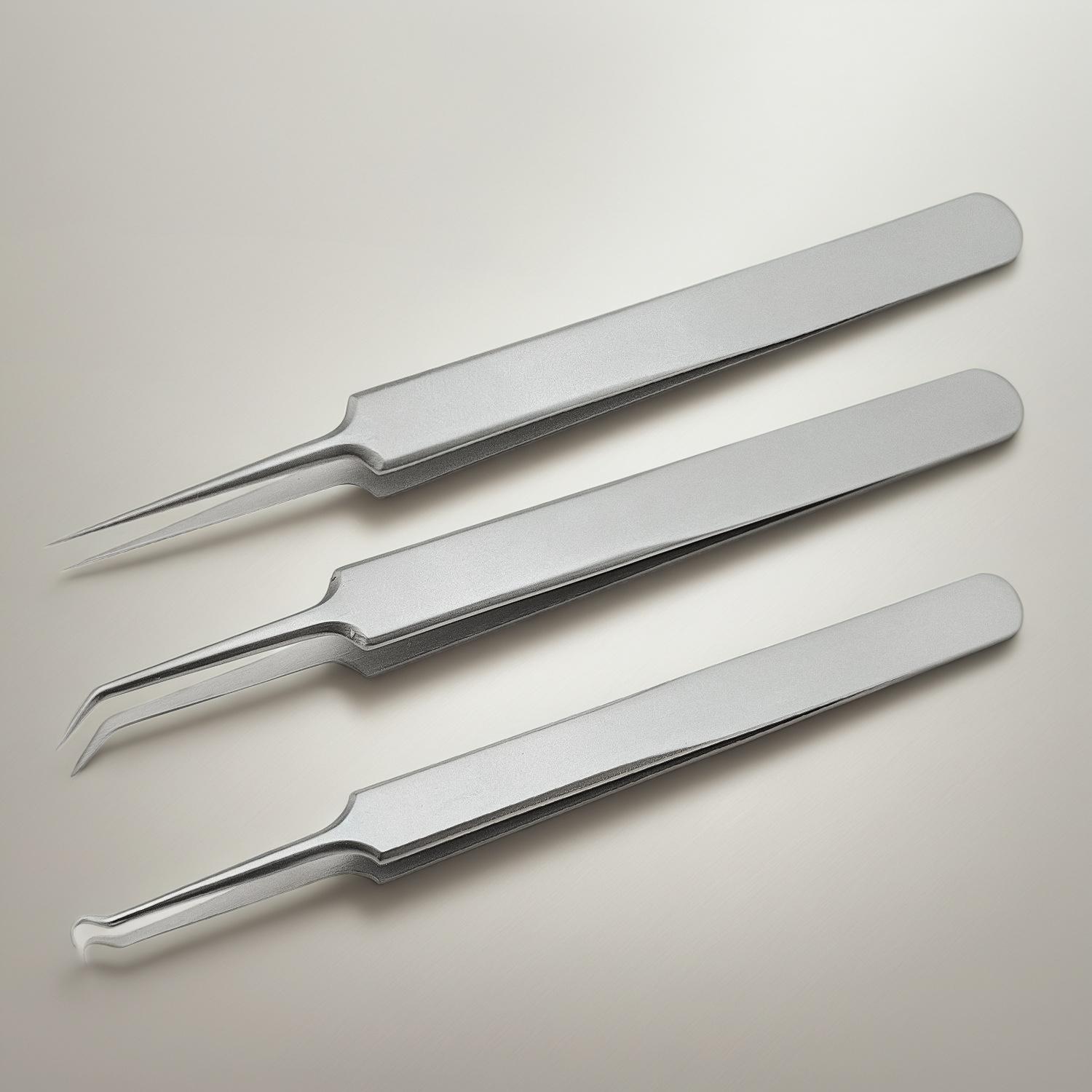
Export Quality Tweezers: What Beauty Buyers Should Check Before Sourcing
For beauty brands, salon suppliers, retail chains and importers, tweezers are small products with a large impact on customer trust. A tweezer that grips cleanly, aligns properly and feels stable in the hand can become a repeat-purchase item. A poorly finished tool, however, can lead to complaints, returns and damage to a beauty line’s reputation. That is why sourcing export quality tweezers requires more than comparing unit appearance or choosing the lowest quote.
Olimor Beauty works with beauty tools for professional and retail use, and tweezers are a category where details matter. The angle of the tip, the tension of the arms, the polishing quality and the consistency between batches all affect how the final product performs. Buyers searching for a tweezers factory direct partner should focus on practical quality indicators that can be checked before orders move into bulk production.
This guide explains how to evaluate export quality tweezers for beauty programs, private label projects and wholesale sourcing. It is written for buyers who need dependable products, clear supplier communication and a stable long-term manufacturing relationship.
Why Export Quality Tweezers Need More Than a Good First Impression
Tweezers often look simple in product photos, but their performance depends on precision. A beauty consumer expects the tips to meet evenly, grip fine hairs without repeated attempts and feel comfortable during close work around the eyebrows or face. If the tips slip, separate unevenly or feel too stiff, the product fails in normal use.
For export buyers, quality must also be repeatable. One approved sample is not enough if bulk goods vary widely from carton to carton. This is where factory control becomes important. A dedicated tweezers factory can monitor the process from material preparation through shaping, polishing, tip adjustment, inspection and packaging. Direct sourcing also helps reduce confusion because technical feedback is not filtered through too many separate parties.
When reviewing beauty tool products, buyers should consider tweezers as both a functional tool and a brand contact point. The consumer touches the product directly and notices the weight, finish and closing action immediately. A well-made tweezer communicates care and reliability before the customer even reads the packaging.
Key Features That Define a Reliable Tweezer
There is no single feature that makes a tweezer export quality. Instead, dependable performance comes from several details working together. Buyers should evaluate samples under normal use conditions and compare them against the expectations of their market, whether that is salon supply, drugstore retail, beauty kits or premium grooming accessories.
- Tip alignment: The two tips should meet evenly, without visible gaps or twisting. Poor alignment causes slipping and makes fine hair removal difficult.
- Grip performance: The tweezer should hold short or fine hairs with controlled pressure. It should not require excessive force from the user.
- Arm tension: Tension should feel stable and responsive. If it is too loose, control is reduced; if it is too tight, the hand tires quickly.
- Surface finish: Polishing, coating or finishing should be smooth enough for comfortable handling and should not show rough edges.
- Durability in normal use: The tool should maintain alignment and usability during regular beauty care routines.
- Packaging compatibility: The final tweezer should fit safely and neatly into the selected pouch, card, box or beauty kit packaging.
Stainless steel is commonly valued for beauty tools because it supports durability and cleaning in daily use. The original production commitment at Olimor Beauty emphasizes high-grade stainless steel and careful quality checks; buyers can use this as a starting point when discussing their own product requirements, finish preferences and packaging plans.
Choosing Tip Styles for Different Beauty Use Cases
Not every tweezer should be specified the same way. The best style depends on how the customer will use the tool. A brow-focused consumer may prefer one tip shape, while a beauty kit or travel set may need a more versatile option. Before placing an export order, match the tweezer design to the retail promise and user scenario.
| Use case | Buyer focus | Quality point to check |
|---|---|---|
| Eyebrow shaping | Controlled grip and clear visibility | Even tip contact and comfortable hand tension |
| General beauty kit | Versatility and safe packaging | Consistent finish and secure fit in the kit |
| Salon or professional supply | Repeatable performance during frequent use | Durability, stable alignment and easy cleaning |
| Retail impulse item | Attractive presentation and dependable basic function | Clean surface finish and accurate bulk consistency |
A buyer does not need to overcomplicate the product, but the specification should be clear. If the market expects precision eyebrow tweezers, the tip quality and closing action deserve special attention. If the tweezer is part of a broader grooming assortment, matching the finish and packaging to the rest of the line may be equally important. You can compare related product collections to plan how tweezers fit into a wider beauty tool range.
Advantages of Working Directly With a Tweezers Factory
Working directly with a tweezers factory can make the sourcing process more transparent. Instead of only exchanging photos and general descriptions, buyers can discuss production details that influence performance: material selection, shaping, polishing, tip adjustment, internal inspection and packaging requirements. This is especially useful for importers who need stable quality across repeated orders.
Factory direct communication also helps when buyers are developing a private label or brand-specific program. Even when the tweezer itself is simple, there may be decisions about finish, packaging, labeling and assortment planning. A direct manufacturing partner can help translate these ideas into a workable product brief without adding unnecessary complexity.
For businesses planning to import tweezers from China, the supplier relationship should be based on clarity. Confirm what the approved sample represents, how bulk goods will be inspected and what information must appear on packaging. Clear expectations reduce avoidable misunderstandings later in the order cycle.
Inspection Points Before Approving Bulk Production
Sample approval should be handled carefully. A sample is not only a visual reference; it is the benchmark for bulk goods. Buyers should test several pieces when possible, because one perfect sample does not always show the range of production variation. Keep written notes and photos so both sides can refer to the same standard.
- Check the tips under good lighting. Look for even contact, symmetrical shape and smooth finishing around the gripping edges.
- Test with realistic materials. Use fine hair or similar delicate material to confirm the tweezer grips without slipping.
- Open and close repeatedly. The action should feel consistent and should not catch, wobble or require excessive pressure.
- Inspect the surface. Look for scratches, sharp burrs, uneven polishing or marks that would reduce retail appeal.
- Review packaging fit. Make sure the tweezer is protected, presented neatly and not likely to move in a way that damages the finish.
- Record the approved standard. Keep a clear reference sample and written confirmation of acceptable appearance and function.
These checks are practical for buyers, distributors and brand teams. They do not replace formal quality procedures, but they create a useful foundation for communication with the supplier. Olimor Beauty emphasizes inspection at production stages, and buyers can build their internal approval process around the same idea: identify issues early rather than after goods are packed.
Packaging, Branding and Export Readiness
Packaging is often treated as a separate decision, but for tweezers it affects both protection and customer perception. A precise tip can be damaged if the tool moves freely inside unsuitable packaging. Retail packaging also needs to communicate the product’s intended use clearly, especially when several beauty tools are displayed together.
Before confirming an order, consider how the tweezer will be sold. Will it hang on a retail peg, sit inside a beauty kit, ship in an e-commerce parcel or be used as a salon supply item? Each channel may need a different packaging approach. Buyers should also check whether their market requires specific labeling information, language, warnings or barcode placement. These requirements vary by buyer and destination, so they should be documented in the product brief.
Export readiness is not only about packing cartons. It includes consistent product standards, accurate order information and a supplier that can communicate clearly when adjustments are needed. If your team is preparing a new beauty tool program, you can send an inquiry with your target use case, quantity planning and packaging concept so the conversation starts with useful details.
Building a Long-Term Supplier Relationship
A long-term tweezers supplier should support stability, not just a single shipment. Reorder consistency is important when a beauty brand builds customer expectations around a product. If the hand feel, finish or tip performance changes without notice, customers may notice the difference even if the product name stays the same.
Good supplier relationships are built on practical communication. Share your market positioning, acceptable quality range, packaging needs and timeline expectations. Keep approved samples for comparison and review customer feedback after the product reaches the market. If buyers report slipping tips, uncomfortable tension or packaging damage, that information can guide the next production discussion.
Olimor Beauty aims to be a dependable beauty tool manufacturing partner rather than only a transaction point. For buyers comparing suppliers, the decision should balance price with technical attention, communication quality and the ability to keep standards consistent. If you need help matching tweezers to a broader beauty tool plan, contact Olimor to discuss the application and sourcing direction.
A Practical Buyer Checklist for Export Quality Tweezers
Before finalizing a tweezer order, use a concise checklist. It helps align product development, purchasing and quality teams around the same expectations.
- Define the intended user: eyebrow grooming, general beauty, salon supply or kit inclusion.
- Confirm the preferred tip style, surface finish and packaging format.
- Test tip alignment, grip and arm tension on multiple samples.
- Document the approved sample with photos and written notes.
- Review labeling, barcode and packaging requirements for the target market.
- Clarify inspection expectations before bulk goods are packed.
- Plan how feedback from the first shipment will be used for future reorders.
Export quality tweezers are not defined by appearance alone. They depend on precise manufacturing, reliable inspection and a clear understanding of how the tool will be used. By focusing on tip performance, material quality, packaging protection and supplier communication, beauty buyers can source tweezers that support customer confidence and long-term brand value.
Tag: