

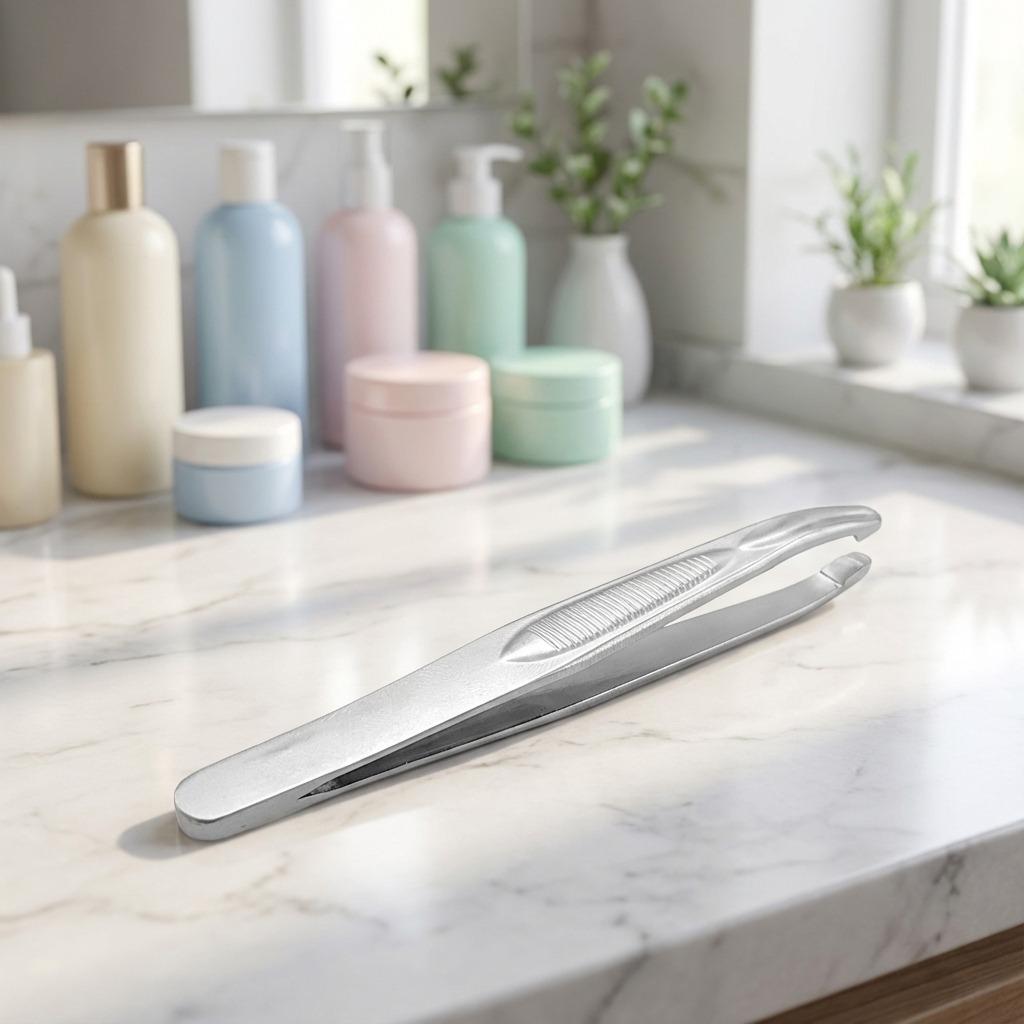
Export Quality Tweezers: What Buyers Should Check Before Sourcing
Export quality tweezers are small tools, but they carry a high expectation. A buyer may be sourcing them for brow grooming, salon resale, beauty kits, travel accessories, or delicate crafting tasks. In every case, the product must feel controlled in the hand, close cleanly at the tips, resist corrosion, and look consistent across a shipment. When customers judge a tweezer, they usually notice two things immediately: whether it grips fine hair accurately and whether it feels comfortable enough for repeated use.
Olimor Beauty focuses on stainless steel tweezers with a matte silver finish, designed for precision, durability, and practical everyday handling. For importers, distributors, and beauty brands comparing factory-direct options, the key is not only appearance. A well-sourced tweezer should be evaluated through material choice, tip alignment, grip response, finishing quality, packaging requirements, and repeatability from batch to batch.
Why Export Quality Means More Than a Polished Appearance
The term “export quality” should be treated as a performance target rather than a decorative claim. Tweezers are often displayed as simple personal care products, yet they require careful forming and finishing. The two arms must provide controlled tension, the tips must meet evenly, and the edges must be finished so they grip without scratching or cutting the skin during normal use.
For beauty buyers, stainless steel is a practical material choice because it supports daily handling and helps resist corrosion when the tool is used in humid bathroom or salon environments. The matte silver finish described for Olimor Beauty tweezers also has a functional sourcing benefit: it gives the product a clean, professional look while reducing the visual harshness of overly shiny surfaces. For retail presentation, a consistent finish can make a simple tool appear more dependable and easier to position across different sales channels.
Export-oriented sourcing also requires consistency. One excellent pre-shipment sample is not enough. Buyers should check whether the factory can maintain the same tip closure, surface finish, and hand feel across production. For tweezers, small variations are noticeable because the user interacts directly with the tips and spring tension.
Core Features to Evaluate in Precision Tweezers
When comparing tweezer suppliers, separate the visible features from the performance features. A tweezer can look sleek in a product photo but fail to grip short or fine hair if the tips are uneven. On the other hand, a carefully honed tip and balanced tension can turn a basic stainless steel tool into a product customers use for years.
- Tip alignment: The tips should meet evenly without gaps, twisting, or one side extending beyond the other.
- Tip finishing: Precision honing helps the tweezer catch hair at the root instead of sliding off the shaft.
- Arm tension: The arms should close smoothly with moderate pressure, not feel weak, stiff, or springy.
- Grip comfort: Ergonomic shaping can reduce hand fatigue for salon professionals or users doing detailed brow work.
- Surface consistency: Matte silver finishing should appear even, without rough patches, discoloration, or sharp unfinished edges.
- Corrosion resistance: Stainless steel construction supports repeated use and easier maintenance when handled properly.
These points are especially important for buyers building a beauty tool assortment. If you are comparing tweezers with other beauty tool products, check how the tool fits the intended retail tier. A budget beauty kit may need a reliable general tweezer, while salon-facing buyers may prioritize stricter tip precision and a more refined hand feel.
Factory-Direct Sourcing: Practical Advantages for Import Buyers
Buying tweezers factory direct can reduce communication layers and give buyers a clearer view of how the product is made. Instead of receiving only a finished sample from a trading channel, factory-direct sourcing allows more direct discussion around raw material selection, tip processing, surface finish, packaging, and inspection expectations. This is valuable because tweezers are sensitive to small production differences.
Olimor Beauty presents a factory-direct approach for export quality tweezers, with in-house manufacturing and multi-stage inspection emphasized in the supplied product information. For a buyer, this type of sourcing model can support traceability from material to finished product and help reduce misunderstandings around quality expectations. It also makes it easier to define a clear approved sample before production begins.
Factory-direct sourcing does not mean buyers should skip evaluation. Instead, it gives them more opportunity to make the evaluation specific. Before confirming an order, create a written benchmark for the approved sample. Include tip shape, finish, arm tension, logo or packaging requirements if applicable, and acceptable cosmetic standards. The clearer the benchmark, the easier it is to inspect final goods against the same reference.
How to Build a Buyer Checklist for Import Tweezers from China
China remains a strategic sourcing location for many beauty tools because buyers can access developed manufacturing supply chains and a wide range of finishing and packaging options. However, a successful import program depends on a structured review process. The checklist below can help purchasing teams, beauty distributors, and private-label buyers compare samples more objectively.
| Checkpoint | What to Review | Why It Matters |
|---|---|---|
| Material | Confirm stainless steel construction and surface finish consistency. | Supports durability, corrosion resistance, and buyer confidence. |
| Tip Closure | Check whether tips meet evenly under normal hand pressure. | Determines how well the tweezer grips fine or short hair. |
| Honing Quality | Inspect the grip edge for smooth, precise finishing. | Helps prevent slipping and improves hair extraction control. |
| Ergonomics | Test comfort during repeated opening and closing. | Reduces fatigue for salon or frequent personal use. |
| Appearance | Review matte silver finish, edges, marks, and consistency. | Impacts shelf appeal and perceived value. |
| Inspection Plan | Define sample approval and shipment quality checks. | Helps maintain consistency from sample to production. |
This table is useful for internal purchasing meetings because it turns a subjective “good sample” discussion into a repeatable review. If multiple team members are involved, have each person test the same sample and note any differences in tension, grip, or finishing. Tweezers are tactile products, so hands-on testing is more useful than judging by catalog photos alone.
Matching Tweezer Quality to Different Sales Channels
Not every buyer needs the same tweezer specification. A retailer focused on entry-level grooming tools may prioritize clean finishing, dependable alignment, and cost-efficient packaging. A salon distributor may care more about long-session comfort, accurate brow shaping, and a professional matte finish. A beauty kit assembler may need compact, consistent tools that fit within a larger manicure or brow set.
Export quality tweezers can serve several use cases when the sourcing brief is clear. For brow shaping, prioritize tip precision and comfortable arm tension. For general grooming, check that the tweezer can grip both coarse and fine hair without bending. For crafting or delicate assembly tasks, users may care about predictable closure and fine control more than cosmetic packaging. Because the same tool can enter different markets, the buyer should define the expected use case before approving production.
If you are building a broader assortment, review Olimor Beauty’s product collections to consider how tweezers may sit alongside other beauty tools. A cohesive range is easier to sell when the finish, packaging direction, and quality level feel consistent across items.
Maintenance Guidance That Adds Value for End Users
Good after-use guidance can reduce customer complaints and improve the perceived value of the product. Stainless steel tweezers are durable, but they still perform best when treated correctly. Include simple care instructions in retail packaging, online product pages, or distributor sales sheets.
- Wipe the tips after use to remove oil, cosmetic residue, or small hair fragments.
- Keep the tweezer dry before storage, especially in humid bathrooms or salon stations.
- Store the tips with protection when possible to prevent accidental bending or dulling.
- Avoid dropping the tweezer, as impact can misalign the precision tips.
- Do not use brow tweezers as a prying, scraping, or cutting tool.
These instructions are simple, but they matter. A tweezer may be manufactured with accurate tip alignment, yet poor storage can damage the tips before the customer has used it for long. Buyers who provide care guidance can protect customer satisfaction and reduce unnecessary returns.
Questions to Settle Before Confirming a Supplier
Before placing an import order, buyers should align technical and commercial expectations in writing. Focus on the details that affect user experience and final presentation: approved sample control, acceptable surface finish, inspection criteria, packaging structure, and shipment documentation. If branding or private-label packaging is required, confirm artwork handling and physical placement before production.
For buyers comparing long-term tweezers suppliers, consistency is more important than a single attractive quotation. A reliable sourcing relationship should support repeat orders with similar hand feel and appearance. If a supplier changes tension, tip finish, or surface treatment without communication, the end product may no longer match customer expectations.
To discuss stainless steel tweezers, factory-direct sourcing, or import requirements, you can contact Olimor or send an inquiry with your target use case and packaging direction. A clear brief helps turn a small beauty tool into a dependable product for retail, salon, or distribution channels.
Export quality tweezers succeed when precision, durability, comfort, and consistent finishing work together. By evaluating tip performance, stainless steel construction, matte silver appearance, ergonomic handling, and factory-direct communication, buyers can source tweezers that meet real user expectations rather than relying on generic product claims.
Tag: