

Export Quality Tweezers: How to Choose Precision Tools for Grooming and Resale
Export quality tweezers are small tools, but buyers quickly learn that small differences in tip alignment, spring tension, surface finish and packaging consistency can decide whether a tweezer feels precise or frustrating. For brow shaping, facial hair removal and professional grooming kits, the tool must grip fine hairs cleanly without cutting them, slipping, bending or causing unnecessary skin irritation.
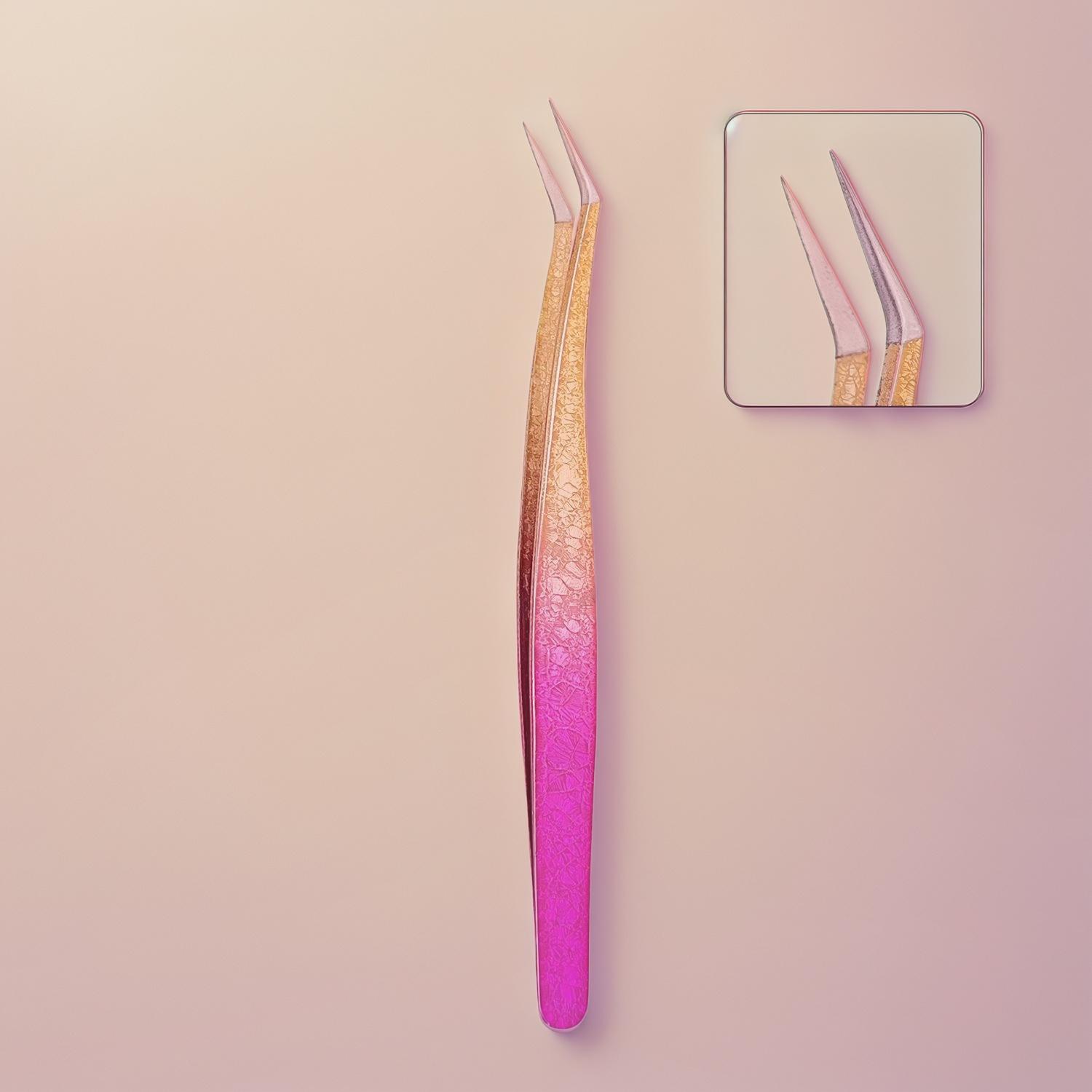
Olimor Beauty focuses on beauty tools for buyers who need dependable performance rather than decorative products alone. The tweezers described here feature a dual-tone gradient appearance in gold and magenta, stainless steel construction, ultra-fine aligned tips and a textured finish for grip. Those details matter because a tweezer is judged in the hand: how it closes, how it catches hair, how comfortable it remains during repeated use and how consistently each piece matches the approved sample.
This guide explains what to check when selecting export quality tweezers, how to evaluate a long-term tweezers supplier and what to consider when sourcing tweezers factory direct for retail, salon, spa or private-label grooming programs.
What Makes a Tweezer Suitable for Export Quality Programs?
For export buyers, “quality” should not be treated as a vague promise. It should be translated into measurable and visible product characteristics. A tweezer may look polished in a product photo, but the real test is whether the tips meet evenly, whether the arms return smoothly after pressure and whether the finish stays comfortable during normal use.
The most important feature is tip alignment. Ultra-fine tips need to meet at the same point and along the correct contact surface. If one side is higher, curved incorrectly or polished too aggressively, the tweezer may miss short hairs or pinch skin. Consistent alignment is especially important for eyebrow shaping, where users often work with very fine hairs and need control close to the skin.
Material choice also matters. Stainless steel is widely used for beauty tweezers because it supports durability, cleanability and a firm tool structure. Buyers should still evaluate thickness, flexibility and finishing because the same general material description can produce different user experiences. A tweezer that is too soft may flex and lose gripping power; one that is too stiff may feel tiring during repeated use.
Key Features to Review Before Placing a Tweezers Order
When comparing samples, avoid judging only by color or decorative treatment. The gold and magenta gradient finish can help the tool stand out in retail displays or grooming sets, but function should be approved first. A practical review should include performance, comfort, finish and presentation.
- Tip contact: Close the tweezer slowly and check whether both tips meet evenly without a visible gap.
- Hair grip: Test on fine hair or a realistic substitute to confirm the tips hold without sliding.
- Edge smoothness: Tips should be precise but not rough, jagged or uncomfortable against skin.
- Arm tension: The tweezer should close with controlled pressure and reopen smoothly.
- Grip finish: A textured surface can improve handling, especially for users working with skincare products or damp hands.
- Visual consistency: Gradient color, surface polish and logo or packaging placement should remain consistent across samples.
- Protection during packing: Tip covers or secure packaging help reduce damage before the product reaches the end user.
These checks are useful whether you are buying a small product range for a boutique beauty brand or comparing factory-direct options for larger distribution. You can also review related beauty tool products to understand how tweezers fit into a broader grooming tool assortment.
Why Tip Alignment and Tension Decide User Satisfaction
The most common complaint with poor tweezers is not that they look cheap; it is that they fail to grip. Users notice immediately when a tweezer slides over hair, breaks hair above the root or requires repeated attempts in the same area. This can turn a simple brow clean-up into an uncomfortable experience.
Tip alignment depends on forming, grinding, polishing and final inspection. Even a small variation can affect performance. For export quality tweezers, buyers should request pre-production samples and compare multiple pieces, not just one perfect sample. A useful sample review includes opening and closing each tweezer several times, checking contact against light and testing grip at different parts of the tip.
Tension is equally important. Tweezers need enough resistance to create grip, but not so much that users strain their fingers. Professional users may hold a tweezer for longer sessions, while home users may still expect comfort and control. Ergonomic design should be assessed through actual use rather than relying only on product descriptions. The best shape for your order may depend on whether the target buyer is a salon professional, a brow enthusiast, a travel-kit user or a general personal-care customer.
Factory-Direct Sourcing: What Buyers Should Clarify
Sourcing tweezers factory direct can simplify communication about design, samples, finishing, packing and inspection standards. It can also reduce confusion when a buyer needs consistent repeat orders. However, factory-direct sourcing works best when the buyer gives clear requirements and approves objective reference points.
Before confirming an order, prepare a buyer checklist. This helps keep discussions focused on product performance instead of broad claims.
- Confirm the target use: Brow shaping, fine facial hair removal, salon resale, gift sets and travel kits may require different packaging or tip protection.
- Approve the tweezer shape: Define the preferred tip style, arm width, overall length and handling feel based on samples.
- Set finish expectations: For a dual-tone gradient such as gold and magenta, clarify acceptable color range and surface consistency.
- Define inspection points: Include tip alignment, grip performance, surface defects, tension and packaging condition.
- Review packaging needs: Retail packaging, protective sleeves, tip guards and carton strength all affect the final customer experience.
- Plan reorder consistency: Keep an approved sample or specification sheet so future production can be compared against the same standard.
If you are preparing a new sourcing brief, Olimor Beauty’s send an inquiry page is the most direct way to share product requirements, target market and packaging expectations.
Importing Tweezers from China: Practical Quality Questions
Many global beauty buyers consider China for tweezers because the manufacturing base includes experience in metal tools, finishing processes and export packing. Still, importing tweezers from China should be managed with the same discipline as any beauty accessory program. The buyer’s role is to define expectations clearly enough that production can be checked against them.
Useful questions include: What sample will be used as the approval standard? How will tip alignment be checked during production? What surface defects are unacceptable? How will the gradient finish be protected during transport? What packaging format is required for your sales channel? These questions help prevent misunderstandings and support consistent shipments.
Buyers should also think about compliance and documentation requirements for their own market. The needed documents may vary by destination, sales channel and product claim. Because tweezers are grooming tools rather than cosmetic formulas, the main sourcing focus is often mechanical quality, material description, labeling accuracy and packaging safety. However, importers should always align product files with their local rules and retailer requirements.
Maintenance Guidance to Include for End Users
A good tweezer can be damaged by careless use, so maintenance guidance is helpful for retail customers and professional users. Clear care instructions also reduce avoidable complaints. Tweezers should be kept clean and dry, stored with their tips protected and used only for intended grooming tasks. Dropping a tweezer on a hard surface can knock the tips out of alignment, even if the steel itself remains intact.
For consumer packaging or online product pages, simple instructions are often enough: wipe the tips after use, dry before storage, avoid using the tweezer as a prying tool and keep the tips covered in a pouch or case. For salons, hygiene procedures should follow local professional practice, but the same principle applies: protect the tips, avoid impact and inspect alignment regularly.
Choosing a Long-Term Tweezers Supplier
A long-term tweezers supplier should help you maintain consistency across product cycles. For buyers, consistency includes the physical product, packaging, communication and the ability to repeat an approved specification. A supplier relationship is strongest when both sides work from clear samples, written specifications and realistic timelines.
Olimor Beauty offers beauty tool sourcing support for buyers comparing tweezers, grooming accessories and related personal-care items. If you are building a full assortment, browse Olimor product collections to consider how tweezers can be paired with other tools for retail sets, salon kits or seasonal programs. For custom sourcing discussions or clarification on available options, you can also contact Olimor.
Export quality tweezers should combine precise gripping, comfortable handling, durable construction and attractive presentation. The dual-tone gradient design can help the product stand out, but the lasting value comes from aligned tips, controlled tension, reliable finishing and careful quality review. By treating tweezers as precision grooming tools rather than simple accessories, buyers can select products that perform well for end users and support repeat purchasing.
Tag: