

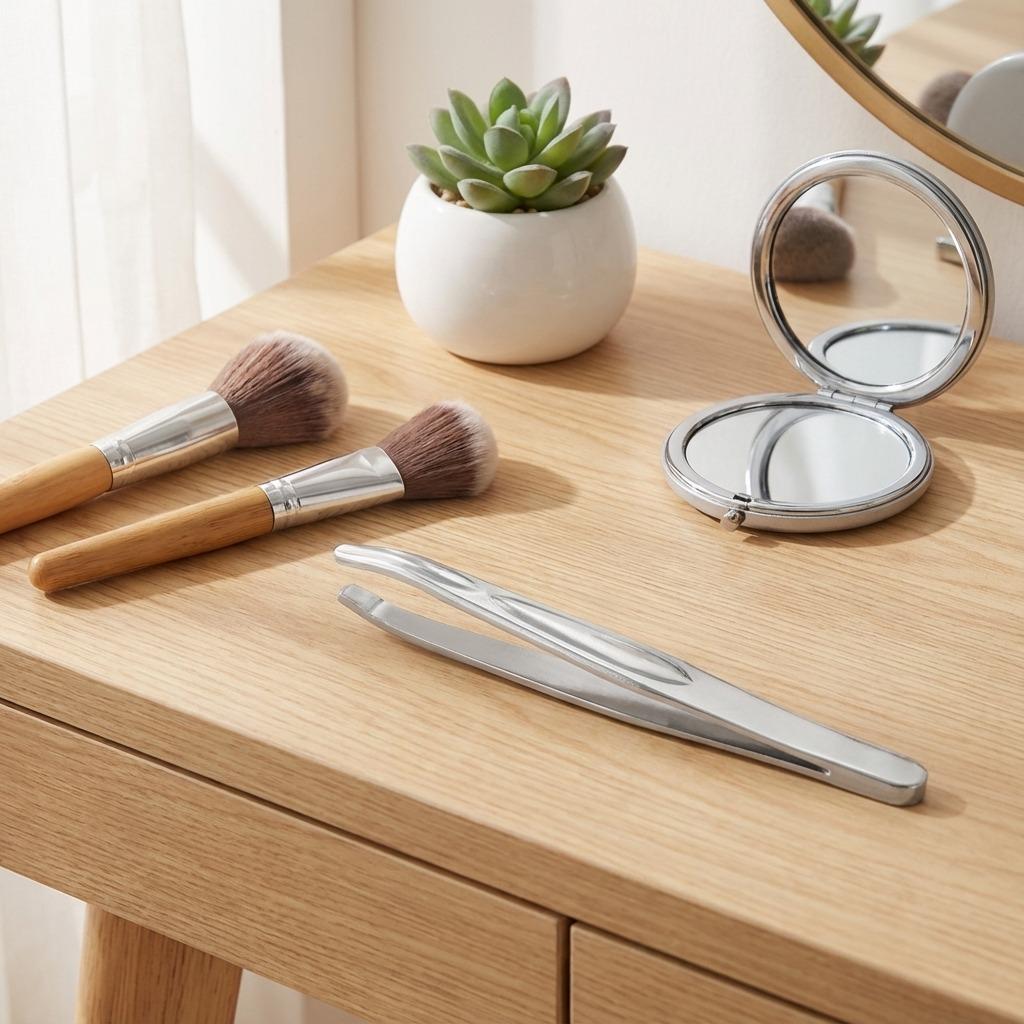
Export Quality Tweezers: What Import Buyers Should Check
Export quality tweezers are small tools, but they create a large impression. A pair that grips cleanly, aligns accurately and stays comfortable in the hand can support repeat retail sales, salon loyalty and fewer customer complaints. A pair with uneven tips, poor finishing or inconsistent tension can damage a buyer’s reputation quickly. For importers, beauty distributors, private-label brands and professional grooming suppliers, the goal is not simply to find tweezers at a competitive price. The goal is to source tweezers that can be sold confidently in demanding markets.
Olimor Beauty focuses on beauty tools where precision, durability and stable production matter. When evaluating export quality tweezers, buyers should look beyond surface appearance and review the full sourcing picture: material selection, tip finishing, grip comfort, inspection process, packaging requirements and communication with the manufacturer. The following guide explains the practical details that separate a dependable tweezer program from a one-time low-cost purchase.
What “Export Quality” Means for Tweezers
In beauty-tool sourcing, “export quality” should describe measurable product consistency rather than a vague marketing phrase. Tweezers intended for international distribution must perform reliably across many units, not only in a hand-selected sample. The most important qualities are tip alignment, gripping accuracy, corrosion resistance, finishing quality and comfortable handling.
Stainless steel is commonly preferred because it supports durability and helps resist corrosion when the tool is used, cleaned and stored properly. The steel alone, however, does not guarantee performance. The tweezer must also be shaped, ground, polished and inspected correctly. A polished finish can make the product more attractive, while correct edge treatment and tip contact determine whether it can grip fine hairs without excessive pressure.
Export buyers should also consider the intended market. A salon user may prioritize fatigue-free control during repeated treatments. A retail buyer may focus on shelf presentation, safe packaging and consistent visual finishing. A grooming kit supplier may need tweezers that match other tools in color, finish and packaging style. Defining the target channel early makes it easier to evaluate samples and avoid unclear specifications.
Key Performance Details to Evaluate Before Ordering
The tip is the working heart of the tweezer. Even a beautiful handle or premium-looking finish cannot compensate for poorly aligned tips. Buyers should test samples using fine hair, synthetic fibers or other thin materials to understand how the tool performs under realistic use. The tweezer should close evenly, grip without slipping and release smoothly.
Several details deserve close attention during sample review:
- Tip alignment: The two tips should meet evenly without visible offset, gaps or twisting.
- Grip accuracy: The tweezer should hold fine hair securely without requiring uncomfortable squeezing force.
- Tip style: Slanted tips are widely used for eyebrow shaping because they combine visibility with control. Other tip shapes may suit different grooming or detail tasks.
- Spring tension: The arms should feel balanced. Too loose can reduce control; too stiff can cause hand fatigue.
- Surface finishing: Edges should feel smooth, and the body should be free from burrs, rough polish marks or inconsistent plating if a coated finish is used.
- Cleanliness: Products should arrive clean and suitable for final packaging, without loose residue from polishing or production.
For professional and retail markets, consistency between units is as important as the quality of a single sample. When comparing suppliers, buyers can request multiple samples from different production batches when possible, then check whether the feel, alignment and finish remain stable.
Factory-Direct Sourcing: Benefits and Cautions
Sourcing tweezers factory direct can reduce unnecessary trading layers and help buyers communicate requirements more clearly. Direct contact with a manufacturer can make it easier to discuss tip shape, handle finish, packaging format and inspection expectations. It can also help importers understand what is realistic for production rather than relying on assumptions from a catalog image.
Factory-direct sourcing is especially useful when a buyer wants a consistent long-term item instead of a spot purchase. Beauty retailers, subscription box suppliers and professional salon distributors often need repeatable quality across replenishment orders. A stable manufacturer can keep production records, understand past feedback and help maintain the same product standard over time.
However, direct sourcing still requires clear documentation. Buyers should not approve an order based only on a general product description. A useful purchase file normally includes product photos, dimensions if relevant, material and finish expectations, tip type, packaging layout, barcode or label needs, carton marking requirements and agreed inspection criteria. The clearer the file, the easier it is to prevent misunderstandings before production begins.
Olimor provides a broader view of available beauty tools through its beauty tool products page, which can help buyers compare tweezers with other grooming items and plan related sourcing needs.
How to Compare Long-Term Tweezer Suppliers
A long-term tweezers supplier should be evaluated on more than price. Low unit cost is only valuable when the product performs, ships reliably and creates few after-sales problems. Supplier selection should include questions about production control, inspection routines, communication speed and willingness to provide clear product details.
The table below shows practical comparison points for import buyers:
| Evaluation Area | What to Check | Why It Matters |
|---|---|---|
| Tip precision | Alignment, closing contact and gripping performance | Directly affects user satisfaction and returns |
| Material and finish | Stainless steel quality, polish consistency and surface cleanliness | Supports durability and shelf appeal |
| Inspection process | Checks for tip alignment, appearance and handling feel | Reduces inconsistent units in bulk orders |
| Packaging readiness | Retail card, pouch, box or bulk packing requirements | Helps match the buyer’s sales channel |
| Communication | Clear answers, sample feedback and production updates | Prevents delays and specification errors |
Buyers should also review how a supplier responds when changes are needed. A reliable supplier does not only say “yes” to every request. In many cases, the best partner explains production limits, suggests workable alternatives and confirms requirements in writing. This is particularly important for tweezers because small variations in grinding, polishing or tension can change the product’s feel.
Importing Tweezers from China: A Practical Buyer Workflow
China remains an important sourcing base for beauty tools, including tweezers, because of established manufacturing experience and supply-chain efficiency. Importing tweezers from China can be effective when the buyer follows a disciplined sourcing workflow. The process should move from product definition to sample testing, order confirmation, inspection planning and shipment preparation.
- Define the use case. Decide whether the tweezers are for eyebrow shaping, general grooming, professional salon use, kits or retail display.
- Confirm the product standard. Identify the required tip style, finish, packaging format and any market-specific labeling needs.
- Test samples carefully. Check grip, alignment, comfort, finish and consistency across multiple pieces.
- Record approved details. Keep reference photos and written specifications for production comparison.
- Plan quality checks. Include appearance, tip alignment, closing feel and packaging review before shipment.
- Prepare import documents. Confirm commercial information, carton marks and any compliance documents needed for the destination market.
For buyers building a wider assortment, browsing product collections can help identify complementary items that may share packaging themes or retail positioning. This can make sourcing more efficient when tweezers are part of a grooming set or beauty accessory range.
Packaging and Retail Presentation Decisions
Packaging is not only decoration. For export quality tweezers, packaging protects the tip, communicates product value and helps the item fit a sales channel. A delicate tweezer tip can be damaged if it is packed loosely or pressed against other metal items. Tip protectors, pouches, display cards or rigid boxes may be considered depending on the market and price position.
Retail packaging should make the product easy to understand. A buyer may want to highlight the tip type, intended use, care instructions and safety information. For private-label or retailer programs, packaging artwork should be checked carefully before production so that spelling, barcode placement, color matching and regulatory text are correct. Even when the tweezer itself is well made, packaging errors can delay customs clearance or create problems for retail delivery.
Bulk packaging can be suitable for salons, professional distributors or kit assemblers, but it still needs structure. The tools should be protected from scratches, moisture and tip deformation. A clear packing method also helps receiving teams inspect goods efficiently on arrival.
Maintenance Guidance That Supports Customer Satisfaction
Good tweezers last longer when users care for them properly. Importers and retailers can reduce complaints by including simple care guidance on packaging or product inserts. The tool should be kept clean and dry after use. The tips should not be dropped, bent or used for hard objects that can damage the alignment. If the tweezer is used in a professional setting, cleaning procedures should match the salon’s hygiene requirements and local rules.
Storage also matters. A pouch or tip cover can prevent impact damage in cosmetic bags or salon drawers. For coated or polished finishes, avoiding harsh abrasion helps maintain appearance. These instructions are simple, but they help end users understand that precision tweezers should be treated as accuracy tools rather than general metal clips.
Choosing a Reliable Tweezers Partner
The right tweezers supplier helps buyers balance precision, cost, packaging and repeatability. Export quality should be confirmed through samples, written specifications and practical inspection standards, not assumed from a product title. When the product is intended for retail or professional use, buyers should focus on the user experience: clean gripping, stable tension, smooth finish and protected tips.
Olimor Beauty works with buyers who need dependable beauty-tool sourcing and clear communication for export programs. If you are comparing tweezer options, planning a private-label project or reviewing a factory-direct sourcing route, you can send an inquiry with your product requirements. For broader sourcing discussions or documentation needs, you may also contact Olimor to discuss the next step.
Tag: