

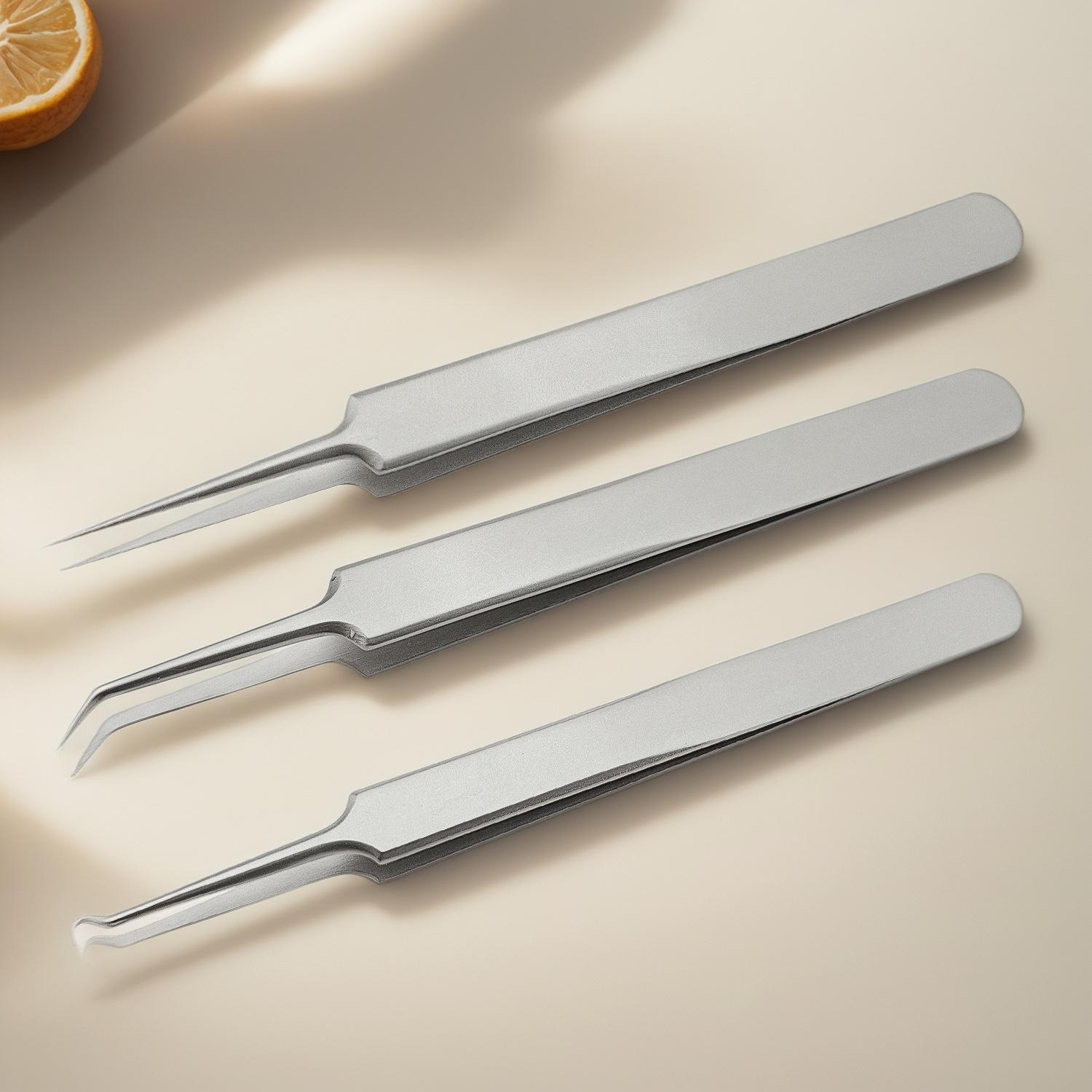
Export Quality Tweezers: How Beauty Brands Source Precision Tools
For beauty brands, wholesalers, salon suppliers, and private-label buyers, tweezers are small products with a large effect on customer trust. A tweezer that feels balanced, grips cleanly, and keeps its alignment through repeated use can support repeat sales. A tweezer with rough edges, weak tension, or inconsistent tips can lead to returns, poor reviews, and unnecessary quality disputes.
Export quality tweezers are not defined by appearance alone. Buyers need to evaluate the way the tool is formed, finished, inspected, packed, and communicated through the sourcing process. Whether you are building a core brow tool range, adding blackhead tweezers to a skincare assortment, or comparing factory-direct suppliers, the goal is the same: select beauty tools that perform consistently across production batches.
Olimor Beauty works in precision beauty tools, including tweezers and related personal care items. This guide explains what professional buyers should look for when sourcing export-ready tweezers and how to make decisions that reduce risk before placing repeat orders. You can also browse related beauty tool products or review broader product collections when planning a complete assortment.
What “Export Quality” Should Mean for Tweezers
The phrase “export quality” is often used loosely, but for tweezers it should point to practical, measurable qualities. A buyer should be able to assess whether the tool is suitable for the intended sales channel, whether the finish matches the brand position, and whether the supplier can maintain consistency after the first approved sample.
For eyebrow tweezers, tip contact is one of the most important indicators. The two sides should meet evenly without visible offset. For blackhead tweezers or other skincare-focused styles, the tip shape and edge finish become even more important because users expect controlled handling around delicate skin. For general cosmetic use, grip comfort, spring tension, and surface feel all influence whether the tool seems professional or disposable.
Export-ready tweezers should also be considered in terms of packaging readiness. Even when the tweezer itself is well made, poor protective packing can lead to bent tips, scratched finishes, or mixed items during transit. A sourcing decision should therefore include both product inspection and packing review, especially when tools are being shipped internationally.
Key Product Details to Evaluate Before Ordering
When comparing a tweezers factory direct option with a trading source or a general supplier, it is useful to move beyond photos and request details that affect performance. The following checklist helps buyers evaluate samples in a structured way without relying on vague claims.
- Tip alignment: Check whether the tips meet evenly from multiple angles. Uneven contact can make it difficult to grip fine hairs or small particles.
- Tip finish: Look for smooth edges appropriate to the tool type. Sharp, unfinished, or rough areas can create a poor user experience.
- Grip tension: Press the tweezer several times to assess whether the resistance feels stable, neither too loose nor tiring.
- Surface finish: Review polish, coating, color, or matte effects for scratches, uneven areas, stains, or visible defects.
- Body symmetry: Hold the tweezer flat and inspect whether the arms are balanced and aligned.
- Material suitability: Stainless steel is commonly used for beauty tweezers, but buyers should still confirm the material expectations, finish, and care instructions for the intended market.
- Packaging protection: Confirm that tips are protected and that items will not rub against each other during export shipping.
- Batch consistency: Compare more than one sample if possible. One good piece does not guarantee consistent production.
This type of checklist is especially helpful when your company sells across multiple channels. A salon distributor may prioritize durability and grip. A skincare brand may focus on hygiene perception and packaging presentation. A promotional buyer may need a simpler tool that still meets basic quality expectations.
Factory Direct Sourcing and Communication Advantages
Working directly with a tweezer manufacturer can give buyers a clearer path from sample approval to production review. Direct communication helps reduce misunderstandings about tip type, finish, packing method, inspection points, and branding requirements. It also allows buyers to discuss what is realistic before production begins, rather than discovering limitations after goods are completed.
A direct partnership is particularly valuable when you are building a long-term product line. Tweezers may appear simple, but small differences matter. A slight change in tip grinding, arm tension, surface treatment, or packing method can change the way customers perceive the product. When a supplier understands the brand’s standard, it becomes easier to maintain the same feel across repeat orders.
For buyers planning to import tweezers from China, communication should be specific. Instead of asking only for “premium quality,” define the use case: brow shaping, ingrown hair support, blackhead handling, general grooming, retail kit inclusion, or professional salon resale. Share the target market, expected finish, packaging format, and any restrictions your company must follow. Clear requirements help the manufacturer confirm which product direction is suitable and which details need sample approval.
Choosing the Right Tweezer Type for Your Range
The right tweezer depends on the customer and the task. A beauty brand may need several types within one line, while a distributor may prefer a focused selection that covers the most common professional uses. The table below can help buyers connect product type with purchase intent.
| Tweezer focus | Common buyer use case | What to inspect carefully |
|---|---|---|
| Slant tip tweezers | Eyebrow shaping and everyday grooming | Even tip contact, comfortable tension, clean finish |
| Pointed tweezers | Precision handling and detailed grooming tasks | Tip sharpness, protection during packing, safe edge finish |
| Flat or straight tip tweezers | General cosmetic or kit use | Parallel alignment, gripping surface, body symmetry |
| Blackhead tweezers | Skincare tool assortments | Tip shape, smooth finishing, hygiene-focused presentation |
This comparison does not replace sample testing, but it gives your purchasing team a practical starting point. If your brand sells beginner-friendly beauty tools, comfort and safety perception may matter more than highly specialized shapes. If your buyers are professionals, they may notice small inconsistencies immediately and expect a tighter standard.
Quality Control Points from Raw Material to Packaging
Olimor Beauty’s approach to tweezers focuses on precision beauty tools and quality checks through the production flow, from stainless steel material stages to final packaging review. For buyers, the important point is not only whether a sample looks attractive, but whether the supplier has a repeatable method to identify problems before shipment.
A practical quality control plan for tweezers may include incoming material checks, in-process alignment review, finish inspection, functional grip testing, and final packing verification. The exact inspection plan depends on the order and product type, but the principle remains consistent: do not leave critical details to the end of production.
Before confirming an order, buyers should define which defects are unacceptable. For example, bent tips, poor tip contact, visible rust-like marks, deep scratches, coating flaws, mixed styles, and damaged packaging can directly affect saleability. Cosmetic differences should also be clarified, especially for colored, polished, or matte finishes where visual consistency is part of the product value.
Packaging deserves special attention. Tweezers have narrow contact points that can be damaged if they are not protected. Tip covers, sleeves, boxes, blister packaging, or other suitable packing approaches should be reviewed according to the sales channel and shipping conditions. A retail-ready product may need a different presentation than a bulk professional supply item.
Questions Beauty Buyers Should Clarify Before Production
A well-prepared sourcing conversation reduces delays and helps both sides understand the target. Buyers do not need to have every technical answer in advance, but they should bring clear expectations. Before confirming an export order, consider the following questions:
- What exact tweezer type and tip shape is needed for the intended user?
- What finish, color, or surface appearance should the approved sample represent?
- How will the tip be protected during storage and export shipping?
- What packaging format is required for retail, salon, distributor, or kit use?
- Which visible defects should be treated as unacceptable during inspection?
- Will the order require branding, labeling, instructions, or special packing notes?
- How should approved samples be kept as references for production comparison?
- What timeline is needed for sample review, order confirmation, production, and shipment planning?
These questions help buyers avoid a common mistake: approving a product based only on a photo. Tweezers are tactile tools. The way they close, grip, and feel in the hand is part of their quality. Physical sample review is often the best way to confirm whether a style fits the target market.
Building a Reliable Tweezer Supply Program
For long-term sourcing, the best result comes from treating tweezers as a repeatable product program rather than a one-time purchase. Keep approved samples, document key inspection points, record packaging decisions, and compare future batches against the agreed standard. This helps your purchasing, quality, and sales teams work from the same expectations.
If you are expanding from one tweezer style into a broader beauty tool range, it may be useful to review product compatibility across your assortment. A brow kit, skincare tool set, or salon retail display should feel consistent in finish and packaging even when individual tools serve different functions. Olimor Beauty can be considered for precision beauty tool sourcing discussions, including classic tweezers and blackhead tweezers, without requiring buyers to compromise on clear evaluation standards.
When you are ready to compare options or discuss a sourcing plan, you can send an inquiry with your target product type, intended market, finish preference, and packing expectations. For broader questions about cooperation or product selection, you may also contact Olimor.
Export quality tweezers should deliver more than a clean appearance. They should provide reliable grip, consistent finishing, protected packing, and repeatable supply. By evaluating samples carefully and communicating exact requirements early, beauty brands and distributors can build a tweezer line that supports customer confidence and long-term product value.
Tag: