

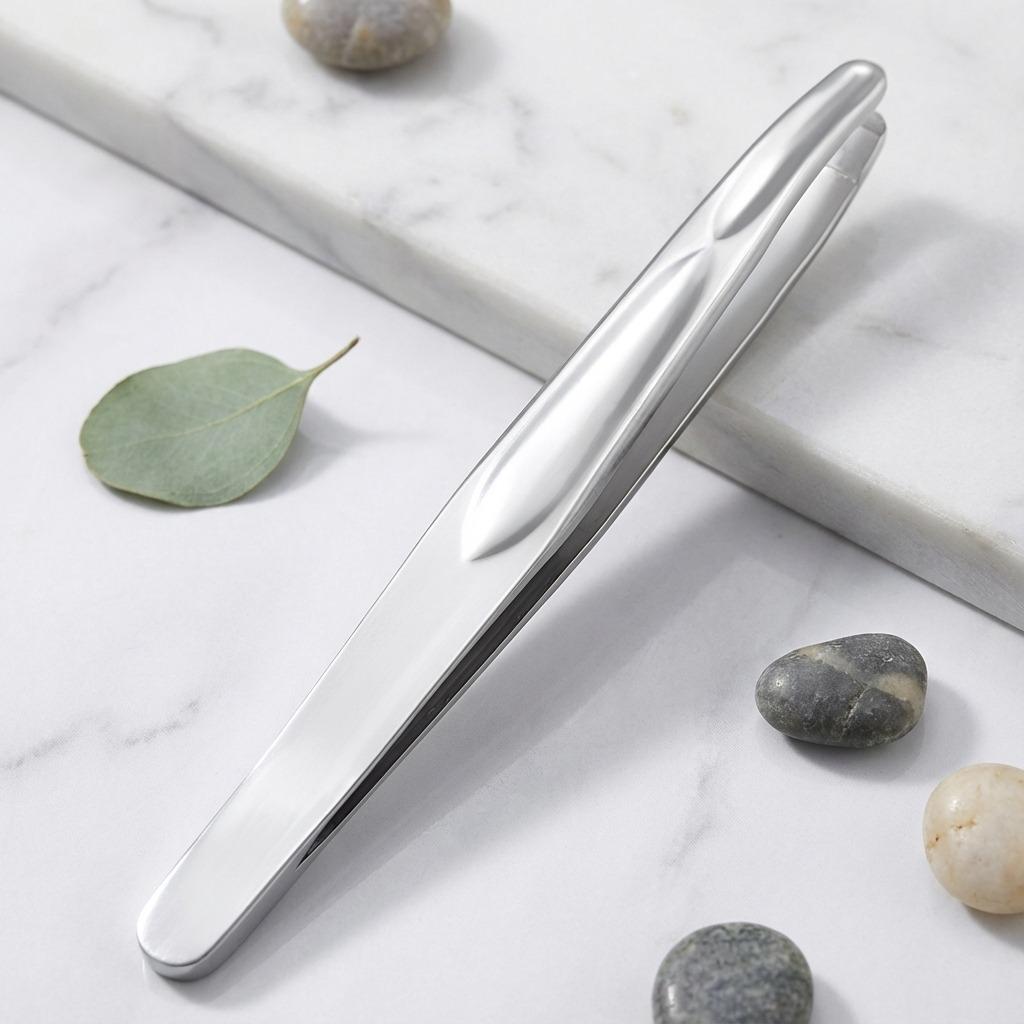
Export Quality Tweezers: A Practical Sourcing Guide for Precision and Reliability
Export quality tweezers are small tools, but buyers know they can create large quality problems when the details are not controlled. A poorly aligned tip can miss fine hair, a weak grip can frustrate salon users, and inconsistent finishing can make a retail range feel unreliable. For beauty brands, distributors, salon suppliers and private label buyers, the goal is not simply to find tweezers that look good in a catalog. The goal is to source tools that perform consistently across repeat orders and meet the expectations of professional and everyday grooming users.
This guide explains how to evaluate export quality tweezers with a practical buyer mindset. It focuses on the features that influence real use: stainless steel construction, tip precision, alignment, grip strength, ergonomics, finishing, inspection and sourcing model. If you are comparing beauty tool products or preparing to import tweezers from China, these checkpoints can help you make better decisions before committing to a supplier.
What “Export Quality” Should Mean for Tweezers
In beauty tools, “export quality” should mean more than attractive packaging or a polished surface. For tweezers, it should refer to controlled production, dependable material selection and repeatable performance. The original purpose of a tweezer is simple: to grasp small objects precisely. In grooming, that usually means fine brow hairs, short regrowth, splinters or other tiny items that require controlled pressure and clean contact.
Olimor Beauty focuses on export quality tweezers made from high-grade stainless steel, a material choice valued for rust resistance and long-lasting reliability. Stainless steel is especially relevant for beauty tools because tweezers may be handled frequently, cleaned often and stored in humid environments such as bathrooms, salons or travel kits. While the exact use case may vary, a buyer should always evaluate whether the tool can maintain its grip, finish and tip shape under regular handling.
Export quality also includes consistency. A sample may feel excellent, but bulk goods must match the approved standard. Buyers should therefore assess not only the first piece they receive, but also the supplier’s ability to maintain tip alignment, spring tension, finish and packaging quality through repeated production.
Key Features That Affect Tweezer Performance
Good tweezers are defined by the details. Many tools look similar from a distance, but small differences in geometry and finishing affect how they perform in a user’s hand. When reviewing samples, pay attention to the following points.
- Tip alignment: The two tips should meet evenly. If one side is higher, wider or slightly twisted, the tweezer may cut, slide over or fail to catch fine hair.
- Tip shape: Slanted tips are common for brow shaping, pointed tips are useful for delicate precision, and flat tips may suit broader gripping needs. Select the shape based on the intended retail or professional application.
- Grip strength: The arms should provide enough resistance to hold the hair or object securely without requiring excessive hand pressure.
- Surface finish: A smooth, clean finish improves perceived quality and reduces rough edges that can irritate the hand or damage packaging.
- Ergonomic contour: Comfortable contours help users maintain control, especially during detailed brow work or repeated salon use.
- Rust resistance: Stainless steel construction supports durability, but buyers should still consider cleaning instructions, storage conditions and finish quality.
For professional channels, these features are especially important because tools are used repeatedly and customers quickly notice inconsistencies. For retail channels, the first impression matters, but performance after purchase matters just as much for reviews and repeat buying.
How to Inspect Samples Before Placing an Order
A structured sample review helps buyers compare suppliers objectively. Instead of judging tweezers only by appearance, create a simple inspection routine. Use the same routine for each supplier so that results are easier to compare.
- Check visual consistency. Look at the finish, color tone, edges, logo area if applicable and packaging presentation. Confirm that there are no obvious scratches, stains, burrs or uneven surfaces.
- Test tip closure. Hold the tweezer up to a light source and gently close it. The tips should meet cleanly with no visible gap where contact is expected.
- Try fine hair gripping. Test the tool on fine hair or a comparable fiber. A precision tweezer should grasp without repeated attempts or excessive pressure.
- Evaluate hand comfort. Open and close the tweezer several times. The resistance should feel controlled, not weak, stiff or uneven.
- Review after cleaning. Wipe the tool according to the intended care method and observe whether the finish remains clean and the tips maintain proper contact.
- Compare multiple pieces. One excellent sample is not enough. Review several pieces to understand consistency.
Olimor Beauty emphasizes multi-stage inspection for export quality tweezers, including verification of tip alignment and grip strength. Buyers can use their own incoming inspection checklist alongside supplier quality controls to reduce misunderstandings and define acceptable tolerances before mass production.
Factory Direct Sourcing: When It Helps Buyers
Factory direct sourcing can be useful when buyers need clearer communication, better control over specifications and a more efficient route from production to shipment. Sourcing tweezers factory direct from Olimor Beauty helps reduce intermediary complexity and gives buyers a more direct path for discussing materials, shapes, finishes, inspection expectations and order requirements.
For buyers building a beauty tool assortment, factory direct communication is valuable because tweezers may need to match other items in a range. Finish, packaging size, color direction and product positioning can affect how the item fits into wider product collections. Even without changing the core tool design, buyers often need alignment across labels, retail display formats and assortment planning.
Factory direct sourcing is not only about cost. It is also about reducing avoidable errors. When specifications pass through too many parties, details such as tip style, finish tone or packaging wording may be misunderstood. A direct sourcing process makes it easier to confirm samples, approve standards and keep production aligned with the intended market.
Choosing the Right Tweezer Type for Your Market
Different markets and channels may require different tweezer styles. A professional salon supplier may prioritize grip strength and long daily use, while a retail beauty brand may need a balanced product that works for brow shaping, travel kits and general grooming. Before selecting a style, define the customer and use case clearly.
| Buyer need | Useful tweezer focus | What to evaluate |
|---|---|---|
| Brow grooming retail | Slanted or precision tips | Clean hair removal, comfortable pressure, smooth finish |
| Professional salon use | Durable stainless steel construction | Repeated gripping, hand comfort, consistent alignment |
| Travel or gift sets | Compact presentation and safe packaging | Tip protection, appearance, set compatibility |
| Fine detail tasks | Finely pointed tips | Tip symmetry, control, careful finishing |
This kind of comparison keeps sourcing decisions practical. Instead of asking for the “best” tweezer in general, buyers can specify the best tweezer for a particular sales channel, user expectation and price position.
Importing Tweezers from China with Fewer Surprises
Importing tweezers from China can be efficient when product requirements and approval steps are clear from the beginning. Buyers should prepare a concise product brief that covers tweezer type, material preference, finish, packaging format, target market and any labeling or documentation needs relevant to the destination country. The more complete the brief, the easier it is to compare options and avoid revisions late in the process.
It is also helpful to define approval stages. For example, buyers may approve a first sample for shape and grip, a pre-production sample for finish and packaging, and final shipment samples for consistency. This sequence gives both sides a practical framework and reduces the risk of discovering issues only after goods are packed.
When assessing a reliable tweezers supplier, look beyond product photos. Review responsiveness, technical understanding, willingness to clarify specifications, packaging attention and the supplier’s process for checking finished goods. A dependable supplier should be able to discuss real performance factors such as stainless steel construction, tip calibration, alignment and grip feel in specific terms.
Maintenance Guidance to Support End Users
Even export quality tweezers need proper care. Buyers who sell to salons or retail customers can improve user satisfaction by including simple maintenance guidance on packaging, inserts or product pages. This is especially useful for stainless steel tools that may be exposed to water, cosmetics or disinfecting routines.
- Wipe tweezers clean after use to remove oil, makeup or residue.
- Dry the tool before storage, especially in humid environments.
- Protect the tips from drops or pressure inside bags and drawers.
- Avoid using precision brow tweezers as general-purpose pliers or hard-object tools.
- Store with a cap or protective sleeve when supplied with the product.
Clear care instructions reduce complaints caused by misuse and help customers understand why precision tips should be protected. For professional users, tool care is part of maintaining reliable service quality.
Building a Better Buyer Checklist
Before placing an order, buyers should convert expectations into written criteria. A practical checklist may include approved sample reference, tip type, stainless steel requirement, finish appearance, grip feel, packaging layout, inspection points and shipment requirements. This does not need to be overly complicated, but it should be specific enough that both buyer and supplier understand what will be accepted.
Olimor Beauty works with buyers seeking export quality tweezers for personal care, salon and beauty tool applications. If you are comparing sourcing options, you can send an inquiry with your target use, preferred tweezer type and packaging needs. For questions about product selection or supply planning, you may also contact Olimor to discuss the details before sampling.
Reliable tweezers come from controlled details: the right stainless steel construction, precise tip meeting, comfortable grip, clean finishing and consistent inspection. When those elements are handled carefully, a small grooming tool can become a dependable product in a beauty assortment and a source of repeat customer trust.
Tag: