

Nail Clipper Export from China: What Importers Should Evaluate Before Buying
Nail clipper export from China remains an important part of the global grooming tools market because the product looks simple but requires consistent engineering. For importers, retailers, wholesalers, salon suppliers and private-label buyers, the real question is not only where to buy nail clippers, but how to identify products that cut cleanly, feel stable in the hand, survive repeated use and arrive with packaging suitable for the target market.
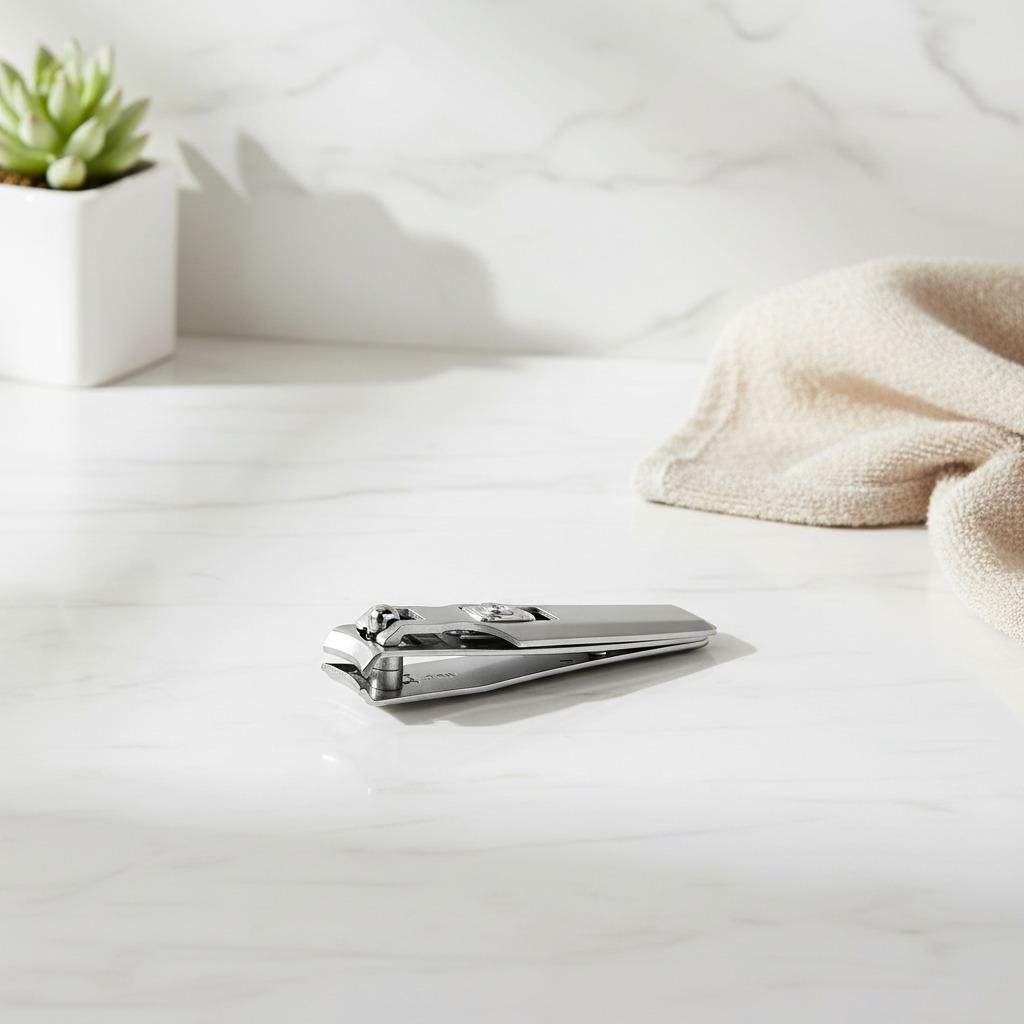
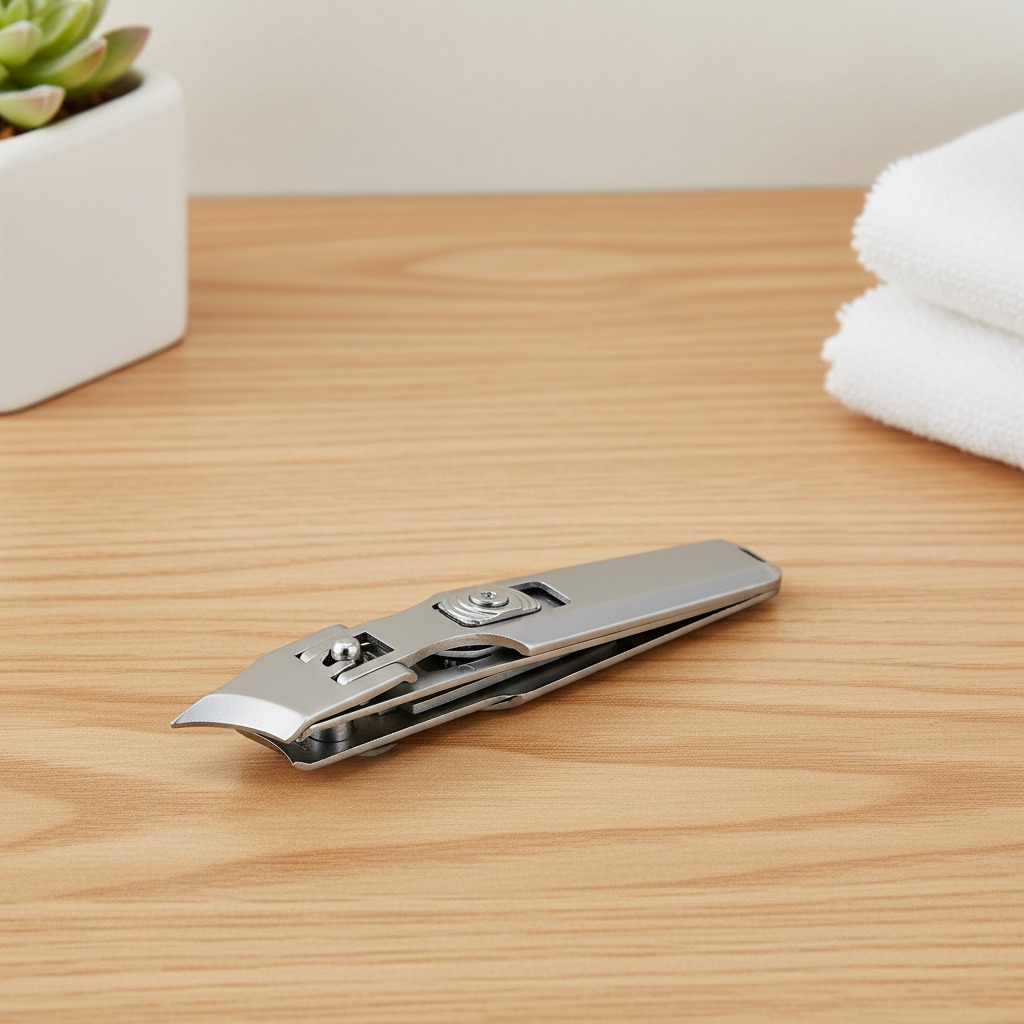
Olimor Beauty supplies beauty tools for professional and retail channels, including stainless steel nail clippers designed for practical daily grooming. The nail clipper described on this page measures 99mm in length, weighs 49 grams and has a 16mm-wide clipping area. Those dimensions matter because they influence grip, leverage, portability and suitability for different users. A buyer comparing options for international nail clipper trade should evaluate these details alongside quality control, finish, packaging and shipping readiness.
Why Nail Clippers Need More Evaluation Than They Appear To
A nail clipper is a compact tool, but small variations can change the user experience significantly. A weak lever can force the user to press harder. A misaligned cutting edge can bend or tear the nail instead of trimming it cleanly. Rough finishing around the body can feel uncomfortable in the hand or create a poor impression when the product is sold as a premium grooming accessory.
For importers, these issues become more serious because one minor defect can appear across a full shipment. A retail buyer may focus on shelf appearance, while a salon distributor may prioritize clean cutting performance and long-term durability. An e-commerce seller may need a product that photographs well, ships safely and earns positive reviews. A nail clipper global supplier should therefore be assessed on both visible design and repeatable production control.
China is a major sourcing destination for beauty and grooming tools because it offers mature manufacturing networks, metalworking experience and export infrastructure. However, successful sourcing still depends on product-specific checks. Buyers should not treat all clippers as interchangeable. The blade geometry, lever tension, surface finishing, packaging and inspection process all affect whether the final product is suitable for the intended price point and market.
Product Features to Review Before Importing
The Olimor Beauty nail clipper information available for this product highlights a stainless steel tool with a 99mm length, 49g weight and 16mm width. These specifications create a useful starting point for buyer evaluation. A 99mm clipper is compact enough for personal grooming kits but large enough to offer stable handling. A 49g tool can feel more substantial than very light, thin clippers, which may help communicate durability to consumers. A 16mm clipping width is relevant for users who want efficient trimming without an oversized tool.
When comparing nail clippers for export, buyers should consider the following selection criteria:
- Material and finish: Stainless steel is commonly chosen for nail tools because it supports durability and a clean appearance. The surface should feel smooth, with no sharp burrs on edges or handle areas.
- Cutting edge alignment: The upper and lower blades should meet evenly. Misalignment can cause splitting, slipping or uneven trimming.
- Lever action: The lever should move smoothly and provide enough pressure for controlled cutting without feeling loose or unstable.
- Grip comfort: The shape should allow the user to hold the clipper securely, especially when trimming thicker nails.
- Portability: For retail sets, travel kits or gift assortments, size and weight affect packing density, shipping cost and user convenience.
- Visual consistency: If the clipper is sold in a branded retail line, surface finish and shape consistency are important for customer trust.
These are practical checks that can be applied whether sourcing standard items, building a retail grooming set or evaluating products for wholesale distribution. Importers can also browse related beauty tool products to compare how different grooming tools fit into a broader product range.
How to Judge Cutting Performance and User Experience
Cutting performance is the core of any nail clipper purchase. A good clipper should create a clean cut with minimal pressure and should not leave jagged nail edges. Although final performance depends on the exact production and inspection process, importers can structure their evaluation around simple, repeatable checks.
- Check edge contact: Close the clipper slowly and observe whether the cutting edges meet from one side to the other without visible gaps.
- Test lever pressure: Press the lever several times. The movement should feel controlled and consistent, not wobbly or overly stiff.
- Inspect the cutting curve: A curved blade should match natural nail shape well enough for smooth trimming. If the curve is too flat or too deep, it may limit comfort for some users.
- Review nail thickness suitability: For thick nails, leverage and edge sharpness become more important. A buyer targeting professional or adult grooming markets should pay close attention here.
- Evaluate post-cut finish: The goal is to reduce rough edges and the need for additional filing, while recognizing that individual nail condition also affects the result.
For international nail clipper trade, a buyer should test multiple pieces rather than a single sample. One good unit is useful, but consistency across pieces is more relevant for import planning. It is also wise to test products with different users because hand size, nail thickness and cutting habits vary by market.
Quality Control Points for Export Orders
Quality control for nail clippers should cover both function and presentation. Olimor Beauty emphasizes quality checks from raw materials to final packaging, which aligns with what importers usually need when sourcing grooming tools for retail or professional channels. The most useful inspection plan is specific: it defines what should be checked, how defects are categorized and what level of variation is acceptable for the buyer’s sales channel.
The table below shows practical QC areas to include when preparing an import nail clipper from China order:
| Inspection area | What to check | Why it matters |
|---|---|---|
| Blade alignment | Even contact, no visible gaps, smooth closure | Directly affects cutting quality and customer satisfaction |
| Lever mechanism | Stable movement, no excessive looseness, comfortable pressure | Determines ease of use and perceived durability |
| Surface finish | No burrs, scratches, stains or rough contact points | Impacts safety, comfort and retail appearance |
| Dimensions and weight | Consistency with agreed specification such as 99mm length and 49g weight where applicable | Protects packaging fit, listing accuracy and buyer expectations |
| Packaging | Correct count, clean presentation, barcode or labeling requirements if needed | Reduces repacking work and supports retail readiness |
A clear QC checklist is especially valuable when selling through online channels. Product reviews often mention sharpness, comfort and finish, so inspection should focus on those user-visible features rather than only counting cartons.
Packaging, Retail Positioning and Market Fit
Importers should decide early how the nail clipper will be sold. The same tool can serve different market positions depending on packaging, finish and assortment strategy. A single stainless steel clipper may be sold as an everyday grooming essential, included in a manicure kit, used as a travel accessory or offered as part of a salon supply range.
Retail packaging should protect the cutting edge, keep the lever secure and present the product clearly. For e-commerce, packaging also needs to withstand handling during fulfillment. For wholesale cartons, the priority may be efficient packing and easy inventory counting. Buyers should consider whether local labeling, instructions, warning text or recycling marks are required in their destination market.
Market fit also depends on the customer segment. A compact clipper may appeal to travel and personal care buyers, while a heavier-feeling tool can support a more durable positioning. The 99mm length and 49g weight of the Olimor Beauty clipper provide useful talking points for buyers who want a practical, substantial grooming tool without moving into oversized formats. Related product collections can help importers plan complementary items for retail displays or grooming assortments.
Sourcing Questions Importers Should Prepare
Before confirming an order, buyers should prepare structured questions so communication stays efficient. This is better than only asking for a low price because grooming tools compete on reliability, finish and repeat purchase potential. A useful sourcing discussion should cover product details, inspection, packaging and export handling.
- What material, surface finish and edge treatment will be used for the confirmed order?
- Are the product dimensions and weight aligned with the listed 99mm length and 49g weight?
- How is cutting performance checked during production and before packing?
- What packaging options are suitable for retail, wholesale or e-commerce distribution?
- Can carton information, labeling and packing method be aligned with the destination market?
- How should samples be reviewed before moving to a larger purchase?
- What artwork, barcode or instruction files need to be prepared by the buyer?
These questions help reduce misunderstandings and create a shared definition of quality. If you are comparing options or preparing a purchase plan, you can send an inquiry with your target market, packaging preference and order purpose. For broader sourcing support, you may also contact Olimor directly.
Building a Strong Nail Clipper Import Plan
A strong import plan connects product function with commercial use. The buyer should confirm who will use the nail clipper, where it will be sold, how it will be packaged and what level of finish the market expects. The tool’s physical details, including stainless steel construction, 99mm length, 49g weight and 16mm clipping width, should be evaluated in that commercial context rather than treated as isolated specifications.
For many buyers, the best approach is to begin with sample evaluation, compare cutting feel and finish, then define packaging and inspection requirements before placing a larger order. This process supports better consistency and reduces the risk of receiving a product that looks acceptable but underperforms in daily use.
Nail clipper export from China can be a practical sourcing route for grooming tool importers when the selection process is disciplined. Focus on blade alignment, lever strength, smooth finishing, packaging suitability and clear quality checks. With the right criteria, importers can build a reliable nail clipper program for retail, wholesale, salon supply or personal care assortments while giving end users a tool that performs well in everyday grooming.
Tag: