

Low MOQ Tweezers Sourcing: How Beauty Brands Can Start Small Without Sacrificing Quality
Low MOQ tweezers are especially useful for beauty brands that need professional tools but are not ready to commit to very large inventory volumes. A new lash brand may want to test a tweezer shape before scaling. A brow studio may need retail-ready tools in smaller batches. An established beauty company may want to launch a seasonal kit or validate a new private-label accessory. In each case, flexible order quantities reduce inventory risk while still allowing the buyer to focus on performance, packaging and customer experience.
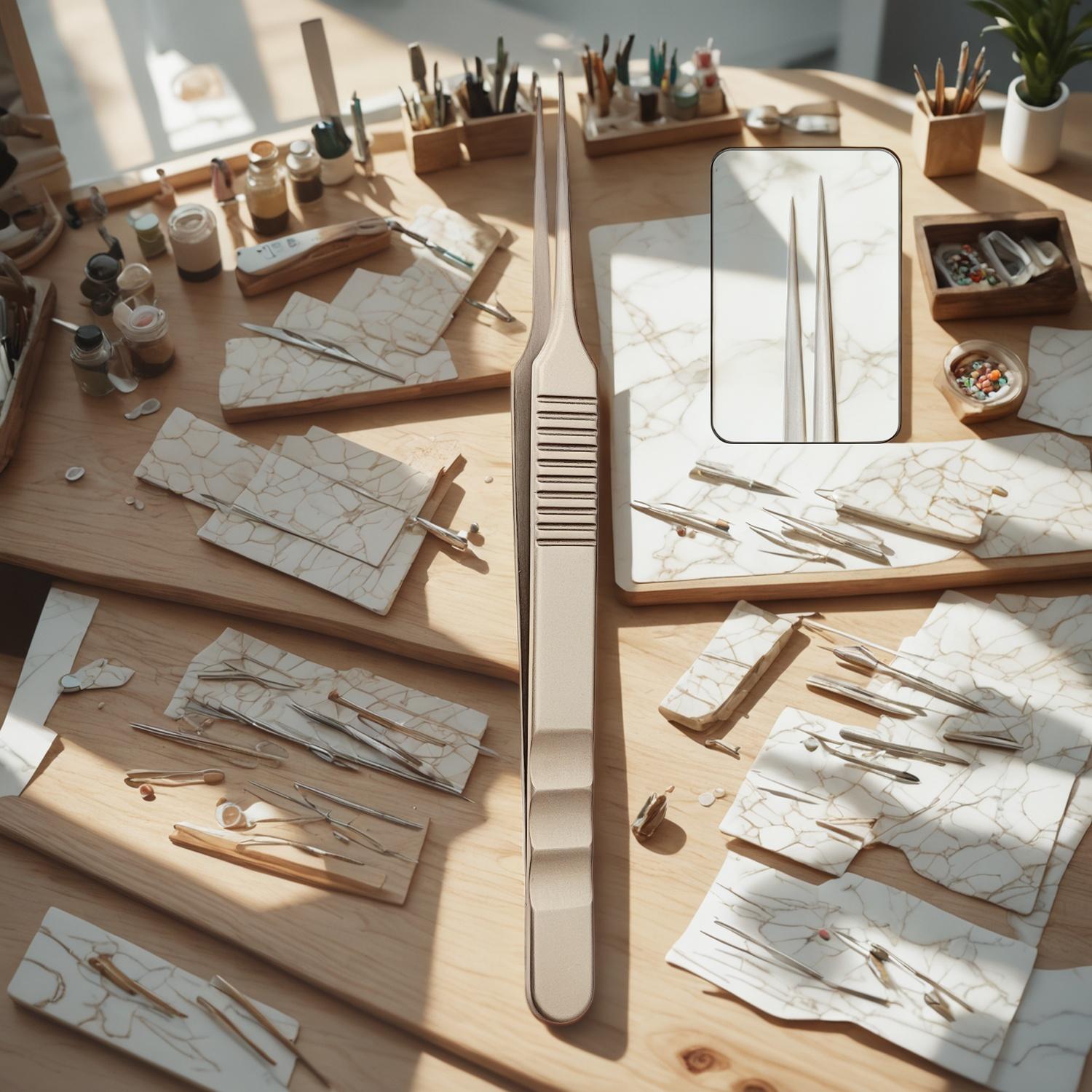
For this product category, the buying decision should not be based on quantity alone. Tweezers are small tools, but customers judge them quickly. If the tips do not meet evenly, if the grip feels unstable, or if the finish looks inconsistent, the product can damage trust in the wider brand. Olimor Beauty provides access to professional-grade tools, including the Precision False Lash Tweezer, and supports brands that need a practical route from trial orders to repeat purchasing. The goal is to choose tweezers that feel reliable in daily use and are realistic for your current stage of business.
Why Low MOQ Matters for Tweezers Buyers
Minimum order quantity affects cash flow, storage, launch timing and product testing. A lower or more flexible MOQ can help a buyer introduce tweezers alongside lashes, brow products, makeup accessories or salon aftercare items without filling a warehouse before demand is proven. It also allows brands to compare shapes, finishes and packaging approaches before selecting a long-term specification.
Low MOQ sourcing is not only for small companies. Larger brands also use smaller initial runs when entering a new retail channel or building a limited set. For example, an e-commerce beauty store may want to test whether a false lash tweezer performs better as a standalone product or as part of a kit. A salon chain may want to trial different grip styles with technicians before selecting one for broader resale. Flexible ordering gives teams evidence before they scale.
When reviewing beauty tool products, treat MOQ as one part of the sourcing equation. The best decision balances order flexibility with tool accuracy, repeatability, packaging suitability and communication during production.
Key Quality Checks Before Ordering Tweezers
Tweezers depend on small details. A buyer may receive a sample that looks simple at first glance, but the true quality is in the tension, tip contact and finishing. Olimor Beauty emphasizes quality control across production, from raw material to final packaging, and buyers should also build their own inspection checklist before approving an order.
- Tip alignment: The two ends should meet cleanly and consistently. Misalignment can make false lash placement or brow grooming frustrating.
- Grip and tension: The tweezer should close with controlled resistance, not feel too loose or too stiff for repeated use.
- Tip precision: For lash work, finer tips can help with placement and isolation. For brow or general use, the preferred tip style may differ.
- Surface finish: Check for scratches, uneven coating, sharp edges or visible defects that may affect perceived value.
- Material suitability: Stainless steel is commonly valued in beauty tools because it supports durability and a clean professional appearance.
- Packaging condition: Retail packaging should protect the tips and present the item clearly to customers.
For sample evaluation, have more than one person test the tweezers. A lash artist, brow technician, product manager and retail buyer may each notice different issues. A tool that looks attractive in photography still needs to perform in hand.
Choosing the Right Tweezer Type for Your Audience
The ideal tweezer depends on the customer and the task. A Precision False Lash Tweezer is designed for users who need control when handling lashes, especially where tip accuracy and hand comfort matter. A brow-focused tool may prioritize a different angle or gripping surface. A general beauty kit may need a versatile option that is easy for beginners to understand.
Before placing an order, define the use case in plain language. Is the tweezer for professional lash application, personal false lash placement, brow maintenance, retail gifting or inclusion in a larger beauty set? This decision will influence tip shape, handle feel, packaging copy and even the type of product imagery you create for your store.
| Buyer scenario | What to prioritize | What to avoid |
|---|---|---|
| New lash brand | Tip precision, clean packaging, small trial quantity | Ordering a large quantity before user testing |
| Brow or lash studio | Comfort, reliable grip, easy retail presentation | Choosing only by appearance without technician feedback |
| Beauty retailer | Consistent finish, barcode-ready packaging options if needed, clear product positioning | Mixing too many similar tweezer styles in one launch |
| Private-label brand | OEM feasibility, repeatable quality, brand-appropriate finish | Approving customization before confirming base tool performance |
This type of comparison helps you avoid a common sourcing mistake: treating all tweezers as interchangeable. In practice, the right tool for lash placement may not be the best fit for brow shaping or a beginner kit.
How to Evaluate a Tweezers Manufacturer or Supplier
A reliable tweezers manufacturer should be able to discuss production details in a way that helps you make decisions. You do not need to know every factory process, but you should understand how the supplier controls alignment, grip, finishing and packaging consistency. Olimor Beauty oversees production with attention to alignment, grip and durability, which are the areas buyers should evaluate carefully.
When comparing suppliers, look for clear answers rather than vague promises. Useful supplier conversations include sample timing, acceptable appearance standards, packaging protection, inspection points and how repeat orders are matched to approved samples. If you are sourcing through a tweezers wholesaler or factory partner, ask how the final product will be checked before shipment and how variations are managed.
It is also important to consider communication. Low MOQ projects often involve more decisions per unit than bulk commodity orders because buyers may be testing a new market. A supplier that helps clarify options can save time, especially when you are choosing between standard products, custom packaging or OEM changes.
OEM and Customization: What to Decide Before You Customize
Tweezers OEM services can help a beauty brand create a product that feels more connected to its identity. Customization may involve handle texture, tip precision, finish direction or packaging presentation. However, customization should follow performance approval. First confirm that the base tweezer works for your audience; then decide which elements need to be customized.
For a young brand, the most practical starting point may be a standard tweezer with brand-ready packaging. For a more developed brand, a custom handle feel or refined tip requirement may be worth exploring. If you are inspired by a tool such as the Precision False Lash Tweezer, consider which qualities matter most: the fine control, the hand feel, the visual simplicity or the way it supports lash application.
- Approve the function first. Test samples for alignment, grip and comfort before discussing decorative changes.
- Define the customer clearly. Professional users and casual retail customers may prefer different tension and tip styles.
- Keep packaging practical. The package should protect the tips and explain the product without overcomplicating the design.
- Document the approved sample. Keep reference notes and images so repeat orders can be compared consistently.
- Scale gradually. Use low MOQ flexibility to validate demand before expanding colors, finishes or kit formats.
Brands planning a broader range can also review product collections to think about how tweezers will sit beside other beauty accessories. Consistency across a collection can make retail presentation stronger, even when each tool serves a different purpose.
Building a Smarter Low MOQ Tweezers Order Plan
A strong order plan connects product choice with sales strategy. Decide whether the tweezers will be sold individually, included in a lash kit, offered as an add-on at checkout, used in salons, or provided as part of a promotional bundle. Each route has different packaging and inventory needs.
If you sell online, consider how the tweezer will be photographed and described. Customers cannot feel the grip through a screen, so your product page should explain the intended use, tip style and care guidance clearly. If you sell through salons or retail counters, packaging visibility and staff training may matter more. In both cases, avoid exaggerated claims and focus on what the tool is designed to do.
Maintenance guidance can also reduce customer complaints. Encourage users to keep tweezer tips protected, wipe the tool after use, avoid dropping it on hard surfaces and store it away from heavy items that could bend the tips. These simple instructions help preserve alignment and extend the usable life of the product.
When to Contact Olimor Beauty
If you are comparing low MOQ tweezers for a beauty brand, prepare a short brief before you start the sourcing conversation. Include the intended use, preferred tweezer style, packaging needs, target sales channel and any OEM ideas you want to explore. This makes it easier to identify whether a standard option or customized solution is the better fit.
Olimor Beauty supports beauty tool sourcing for brands that need practical order flexibility and consistent product expectations. To discuss tweezer options, OEM possibilities or sample evaluation, contact Olimor. If you already have a project brief and want to begin a sourcing conversation, you can also send an inquiry.
Low MOQ tweezers should help your brand test intelligently, not compromise on quality. By focusing on tip alignment, grip, finish, packaging and the right level of customization, you can start with a manageable order and build toward a product line that customers trust.
Tag: