

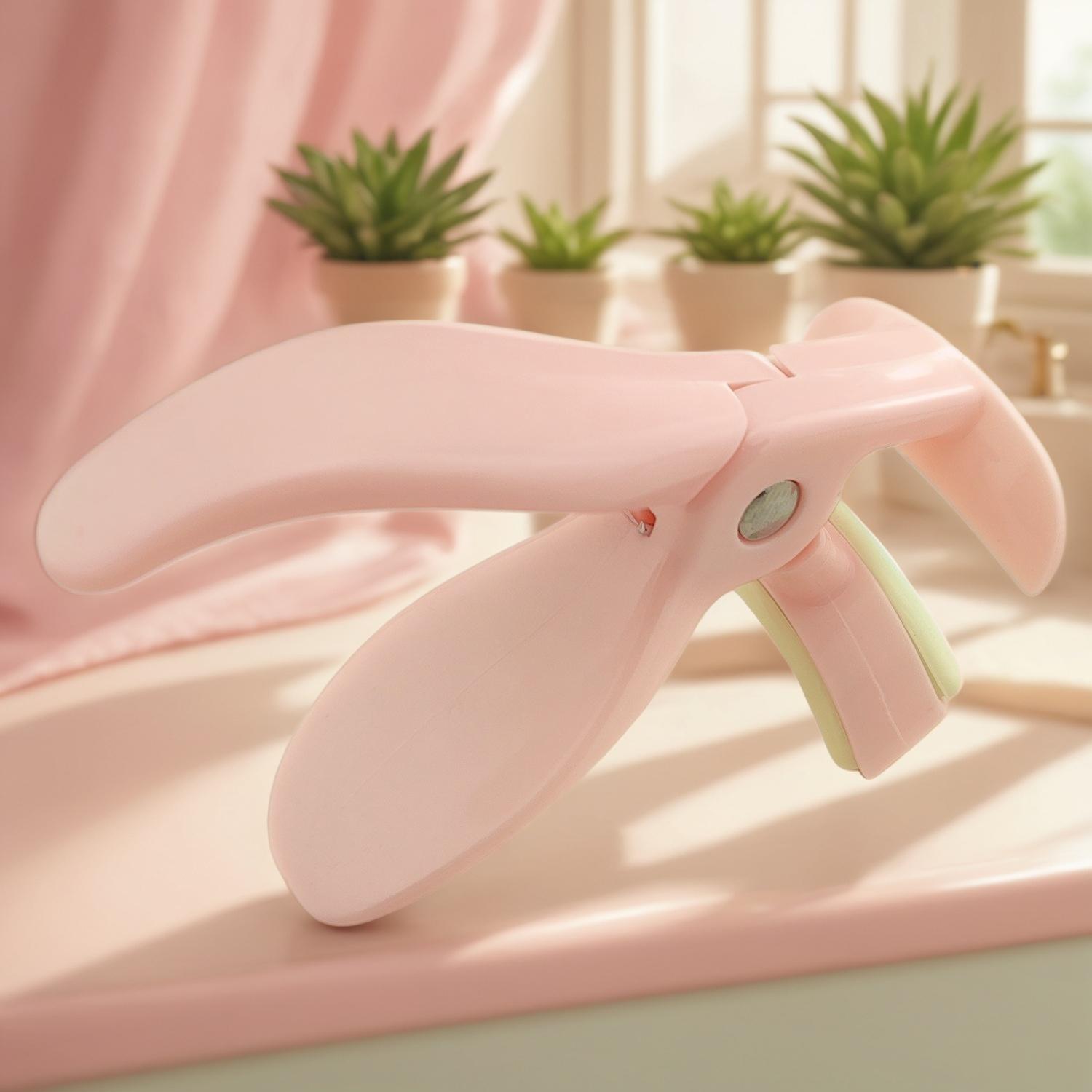
Wholesale Eyelash Curlers: A Practical B2B Sourcing Guide
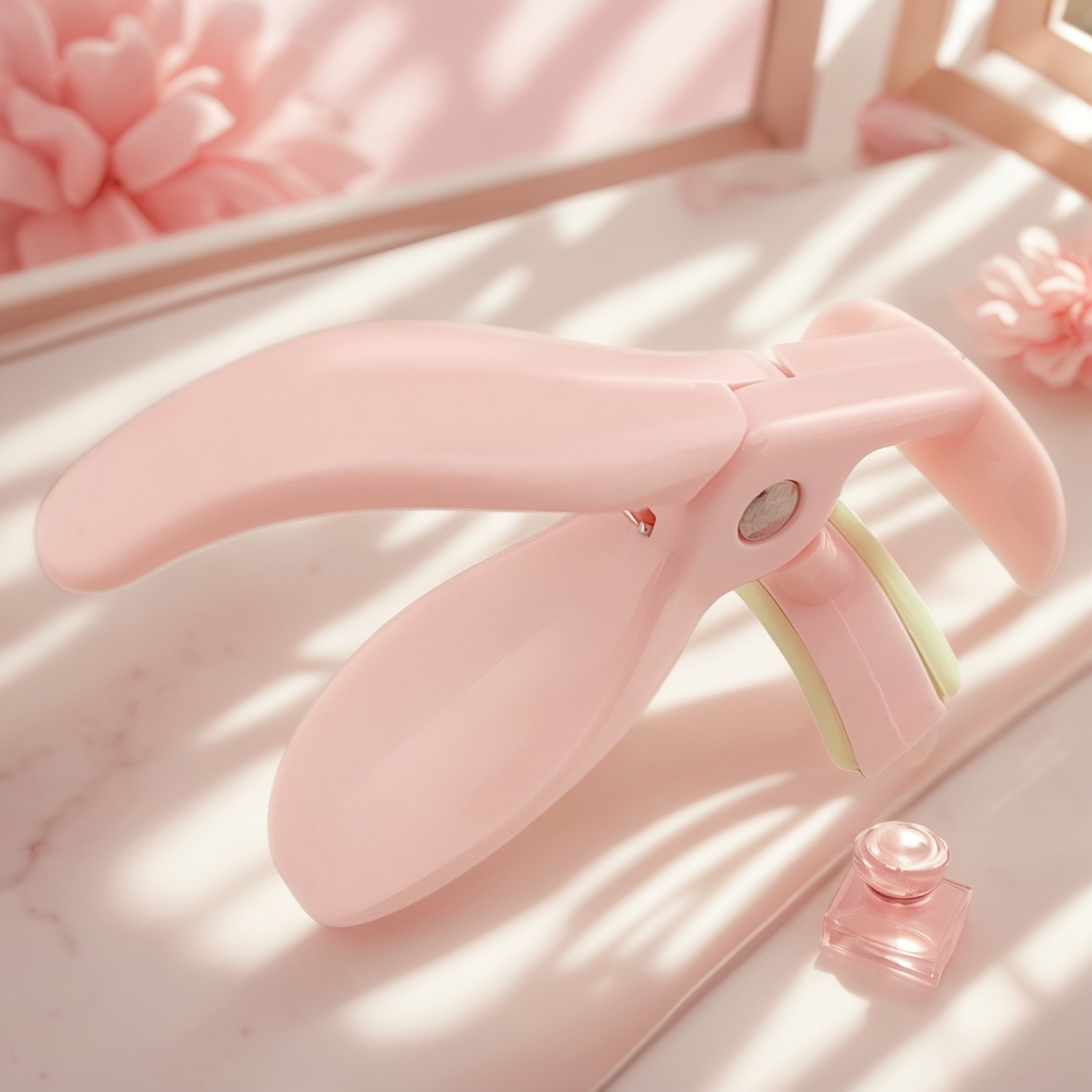
Wholesale eyelash curlers are small beauty tools with a direct effect on user comfort, retail satisfaction and salon workflow. For salons, retailers, makeup artists, distributors and private label buyers, the right sourcing decision is not simply the lowest unit cost. It is finding a stable supplier of curlers that feel secure in the hand, close smoothly, suit common eye shapes, avoid rough contact near the delicate eye area and arrive with consistent finishing from order to order.
This guide explains how to compare eyelash curler wholesalers for professional and retail use. It covers product construction, pad fit, handle comfort, packaging, inspection points, supplier evaluation and commercial questions such as samples, customization, order planning and quality checks. Olimor Beauty supports B2B buyers sourcing practical beauty tools for retail, salon and distribution channels, and the approach below can help you make a more confident purchasing decision before placing a bulk order.
Why Eyelash Curlers Matter in B2B Beauty Supplies
An eyelash curler looks simple, but small differences in curve, alignment, pad resilience and finish can change the user experience. A well-made curler helps create a lifted lash look before mascara or everyday makeup. A poorly aligned tool may pinch, pull, feel unstable or create a sharp crimp instead of a smooth curl. For a beauty business, that can affect repeat purchases, product reviews, staff confidence and customer trust.
In B2B beauty supplies, eyelash curlers appear in several buying scenarios. Salons may use them during makeup services or offer them as client-facing retail items. Makeup artists may carry them in professional kits and need reliable handling throughout the day. Retailers may sell them as everyday accessories near mascaras, mirrors, brow tools and other daily-use products. Distributors may add them to a broader beauty-tool assortment because they are compact, familiar to consumers and suitable for multiple sales channels.
Because the tool is used close to the eye, buyers should review more than appearance. Frame stability, surface smoothness, pad seating and clear use instructions all matter. The best wholesale eyelash curler for one channel may not be ideal for another, so the first step is to define whether the product is intended for salon use, retail resale, e-commerce, kit building, promotional sets or private label programs.
Core Product Features to Review Before Ordering
Product photos can help narrow the selection, but they rarely show whether an eyelash curler will feel controlled in real use. B2B buyers should request samples where possible and evaluate the tool by hand before confirming a larger order.
Frame curve and eye-shape fit
The curve of the upper bar should suit the target market. A curler that is too flat may miss lashes at the outer corners, while a tool that is too rounded may feel awkward for some users. A balanced curve that works for a broad range of common eye shapes is often the safest choice for retailers and distributors serving mixed customer groups.
Alignment and closing action
The upper frame and lower pad should meet evenly across the full width. Uneven alignment can concentrate pressure in one area, which may reduce comfort and produce inconsistent curl results. Open and close the sample several times to check whether the hinge moves smoothly, returns evenly and avoids wobble.
Pad fit and resilience
The pad is a small component with a large impact. A pad that is too hard may create a sharp bend, while one that is too soft may not provide enough lift. It should sit securely in the lower channel and remain in place during repeated opening and closing. If replacement pads are included or available, buyers should check how they are packed and how clearly that information appears for the end user.
Handle comfort and control
Finger loops or grip areas should allow controlled pressure without forcing an awkward wrist angle. This is especially important for salons and makeup artists who may use the tool repeatedly. A stable handle helps the user apply gentle, even pressure rather than squeezing suddenly or unevenly.
Material feel, rigidity and finish
The supplied product information notes high-quality metal construction and a sleek black matte finish for the relevant eyelash curler option. For B2B buyers, the key is not only the description but also the sample experience: the tool should feel stable rather than flimsy, and the finish should be even, smooth and appropriate for the intended price positioning. Check visible seams, handle openings and clamp edges for burrs, rough spots, uneven coating, scratches or marks.
Wholesale Use Cases: Salon, Retail, Distribution and Kits
Different buyers need different buying logic. Choosing the right eyelash curler wholesale option starts with the channel where the product will be used or sold.
- Salon back-bar use: Prioritize smooth movement, comfortable handling, durable pads, easy cleaning procedures and a professional appearance. A black matte finish can suit an understated salon aesthetic when the finish is consistent.
- Retail resale: Focus on shelf appeal, clear packaging, product visibility, instructions, barcode or labeling needs and protection during shipping and display.
- Makeup artist kits: Look for compact, reliable tools that are easy to position, store safely and use across appointments.
- Distributor assortments: Choose versatile products that can serve salons, small shops, e-commerce sellers and regional resellers without creating complicated stock requirements.
- Gift sets or beauty tool sets: Confirm that the curler works visually and functionally with the other items in the set and that the clamp cannot press against softer products during transit.
- Private label programs: Review branding space, packaging structure, artwork requirements and product documentation early, before price comparison becomes the only focus.
If you are building a broader beauty-tool range, compare eyelash curlers alongside other daily-use items in the Olimor beauty tool product range. This helps keep finishes, retail positioning and packaging quality more consistent across your assortment.
Quality Checks Before a Bulk Eyelash Curler Order
Quality control should be reviewed at both sample and bulk stages. A single sample may look acceptable when opened once, but B2B buyers need to know how the tool performs through repeated handling, packaging and shipment. Olimor Beauty states that products undergo thorough inspections from raw materials to final packaging, which is a useful quality-control point to discuss when evaluating order requirements and acceptance criteria.
The following table gives buyers a practical checklist for comparing eyelash curler wholesalers, salon equipment suppliers or broader B2B beauty supply partners.
| Evaluation area | What to check | Why it matters |
|---|---|---|
| Tool shape | Curve, opening width and ease of positioning near the lash line | Affects comfort and suitability for different eye shapes |
| Closing action | Smooth hinge movement, stable return and limited wobble | Supports controlled pressure and consistent use |
| Frame alignment | Upper frame and lower pad meeting evenly across the full width | Helps avoid uneven pressure and uncomfortable pinching |
| Pad seating | Pad security when pressed gently from both ends | Reduces the risk of slipping during use |
| Edge finish | Handle openings, clamp area, seams and visible edges | Important for comfort near the delicate eye area |
| Surface finish | Color, coating evenness, shine level, scratches and visible marks across multiple units | Protects retail appearance and perceived value |
| Packaging protection | Movement inside the pack, rubbing, bending or loose placement | Reduces damage and presentation problems during distribution |
| Instruction clarity | Basic use, care and pad replacement information where applicable | Helps reduce misuse, returns and customer confusion |
These checks do not replace formal testing where required in your market. Buyers should verify the applicable legal requirements, current versions of relevant standards and supplier documentation. For general inspection planning, many importers and quality teams refer to sampling approaches such as ISO 2859-1, while product safety expectations may also be influenced by public bodies in the destination market, such as the U.S. Consumer Product Safety Commission for consumer products. Applicability depends on the product, sales channel and jurisdiction, so buyers should not rely on a generic checklist alone.
Packaging and Presentation for Wholesale Eyelash Curlers
Packaging has two jobs: it protects the tool and communicates value. A curler with good construction can still disappoint commercially if the packaging looks unclear, bends during transport or fails to explain how the product should be used. Packaging decisions should be made before final quotation, because pack format can influence cost factors, carton planning, retail display and private label artwork.
For retail, the packaging should show the product shape clearly and provide enough space for basic instructions. Retail shoppers often compare tools visually before they understand technical differences, so straight placement, neat labeling, consistent finish and clear use positioning all affect perceived value. If replacement pads are included or available, that should be easy to identify.
For salon supply, simpler protective packaging may be more efficient as long as it keeps the tool clean and prevents scratches. For e-commerce, buyers may care more about mailer protection and reducing movement inside the pack. For kits, the packaging should prevent the curler from pressing against softer accessories or damaging adjacent items.
Common packaging questions include whether the product needs hanging cards, boxes, blister-style packaging, travel-friendly formats or set packaging. A retail shop may need pegboard compatibility, while a distributor may prioritize stackability and clean carton identification. Buyers considering a complete tool assortment can review Olimor collection options to think through how eyelash curlers may sit beside other products in a coordinated line.
Supplier Evaluation: Questions That Separate Strong Options
A reliable product matters, but the supplier behind it matters just as much. Beauty businesses need timely communication, clear product information, realistic order planning and practical knowledge of B2B sourcing. When comparing eyelash curler wholesalers, ask specific questions rather than relying only on catalog images or general claims.
- Sample process: Can samples be reviewed before a larger order, and what product details should be confirmed during sampling?
- Material and construction details: What information is available about the frame, pad, finish and packaging components without overstating performance claims?
- Inspection steps: How are raw materials, in-process goods and final packaging checked, and what documentation can be shared for the order?
- Packaging options: Which retail, protective or set-pack formats are suitable for the product and sales channel?
- Customization scope: What branding, packaging or assortment customization can be discussed, and what artwork or confirmation steps are needed?
- Reorder consistency: How does the supplier help maintain appearance, finish and packaging consistency for repeat purchasing?
- Lead-time planning: What factors influence production and dispatch timing, such as customization, packaging approval, order size or seasonal demand?
- Commercial communication: Are quotations, product specifications, packing details and order requirements explained clearly enough for your purchasing team?
These questions help buyers evaluate risk. A low price may be attractive, but unclear communication, inconsistent packaging or uncertain inspection procedures can create higher costs through returns, delays and receiving issues. For a B2B buyer, supplier reliability is part of the product.
Cost Factors Without Reducing the Decision to Unit Price
Wholesale eyelash curler cost is influenced by more than the tool itself. Buyers should compare total sourcing value rather than the first quoted unit price. Relevant cost factors may include construction, surface finish, pad arrangement, packaging format, private label requirements, carton protection, inspection expectations, documentation needs and reorder consistency.
A retailer may accept a higher packaging cost if it improves shelf presentation and reduces customer confusion. A salon group may prefer simpler packaging if the tool is mostly used internally. A distributor may value consistent cartons, labeling and repeatable specifications because they reduce operational friction. The right decision depends on how the product will generate value in your channel.
When comparing quotes, ask suppliers to clarify what is included and what still needs confirmation. This may include packaging artwork, replacement pad arrangements, labeling, sample approval, carton details and inspection documentation. Avoid making assumptions about MOQ, delivery time or customization unless the supplier has confirmed them for your specific order.
How Olimor Fits a Professional Beauty-Tool Sourcing Strategy
Olimor Beauty is relevant for buyers who want to source eyelash curlers as part of a practical beauty-tool assortment rather than as an isolated accessory. The supplied product information highlights high-quality metal construction, a sleek black matte finish and inspection from raw materials through final packaging. For buyers, these points should be discussed alongside the actual sample, packaging needs and intended sales channel.
A careful sourcing process gives your team a clearer basis for selection: define the use case, review samples, inspect alignment and finish, confirm packaging, ask supplier questions and document commercial terms. If you are ready to compare options or discuss a B2B program, you can contact Olimor Beauty with your product, packaging and channel requirements. For order-specific questions, customization discussion or sample requests, use the B2B inquiry page so the relevant details can be reviewed.
FAQ: Wholesale Eyelash Curler Sourcing
Can B2B buyers request samples before placing a bulk order?
Sample availability should be confirmed with the supplier for the specific eyelash curler and packaging option. Samples are useful for checking frame alignment, pad seating, handle comfort, finish consistency and packaging presentation before committing to a larger order.
What MOQ should I expect for wholesale eyelash curlers?
MOQ depends on the product, packaging, customization and order requirements. Buyers should not assume a fixed quantity from general product information. Ask the supplier to confirm the applicable MOQ for standard goods, private label packaging or customized assortments.
Can eyelash curlers be customized for private label programs?
Customization may involve packaging, branding, labeling or assortment planning, depending on the supplier’s available options. Confirm artwork requirements, approval steps, documentation needs and any effect on order quantity or lead time before finalizing the purchase.
What quality checks are most important before shipment?
Important checks include hinge movement, frame alignment, pad fit, edge smoothness, surface finish, packaging protection and instruction clarity. Buyers should also verify applicable market requirements and request supplier documentation relevant to the specific order.
What affects lead time for a wholesale eyelash curler order?
Lead time can be influenced by sample approval, packaging selection, customization, order size, material availability, inspection requirements and seasonal workload. Ask for order-specific timing instead of relying on a general estimate.
Tag: