

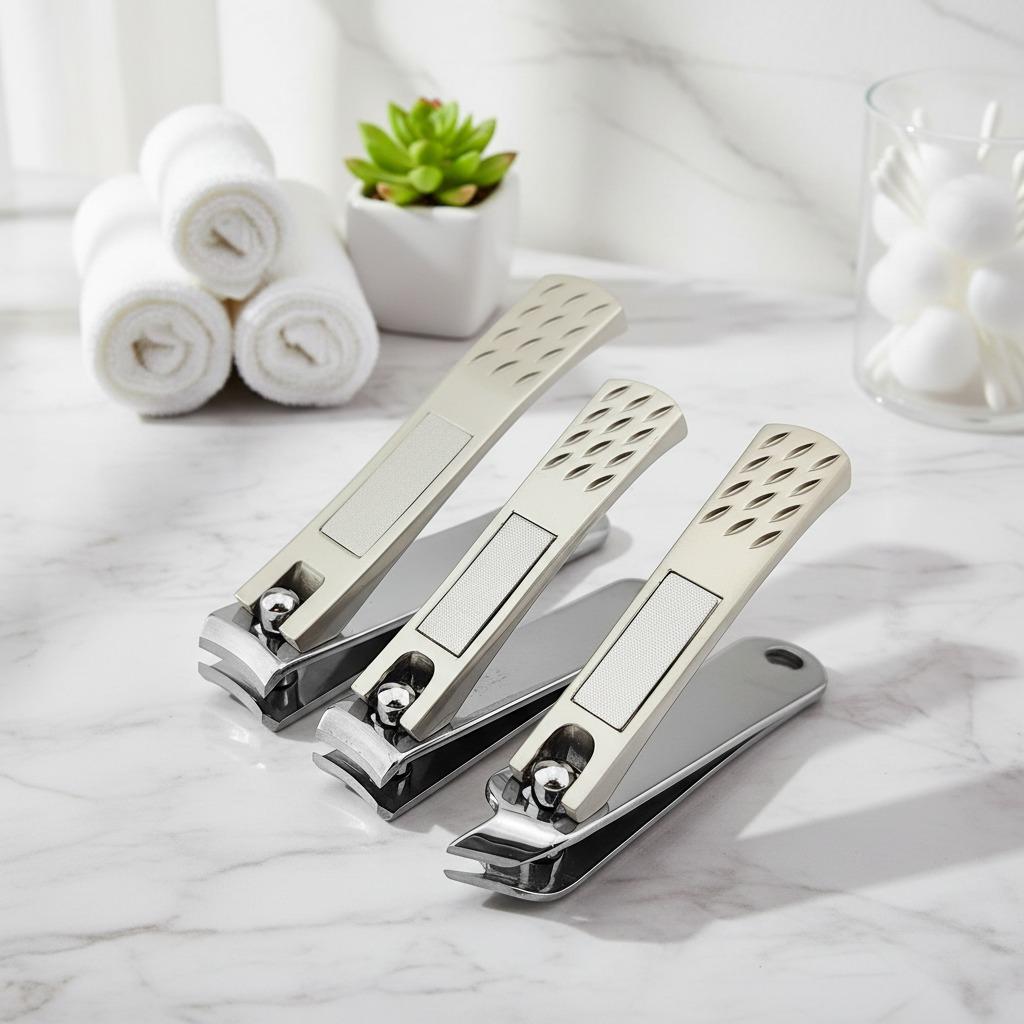
Bulk Nail Clipper Pricing Guide for Distributors, Retailers, and Resellers
Bulk nail clipper pricing is rarely decided by quantity alone. For distributors, retailers, and resellers, the final cost depends on product construction, packaging, order mix, inspection expectations, shipping method, and how the clipper will be sold after purchase. A basic nail clipper for a value assortment has different requirements from a gift-ready personal care item or a display-ready retail SKU. Understanding these differences helps buyers compare offers more accurately and avoid choosing the lowest quote at the expense of durability, presentation, or repeat sales.
For Olimor Beauty buyers, the goal is not only to find a competitive bulk nail clipper price, but to match the product to the correct sales channel. A distributor may prioritize consistent supply and carton efficiency, while a retailer may need consumer-friendly packaging and clear product presentation. A reseller may sit between both models, seeking a balance between wholesale cost, flexible quantities, and a margin that remains attractive after freight and marketplace fees.
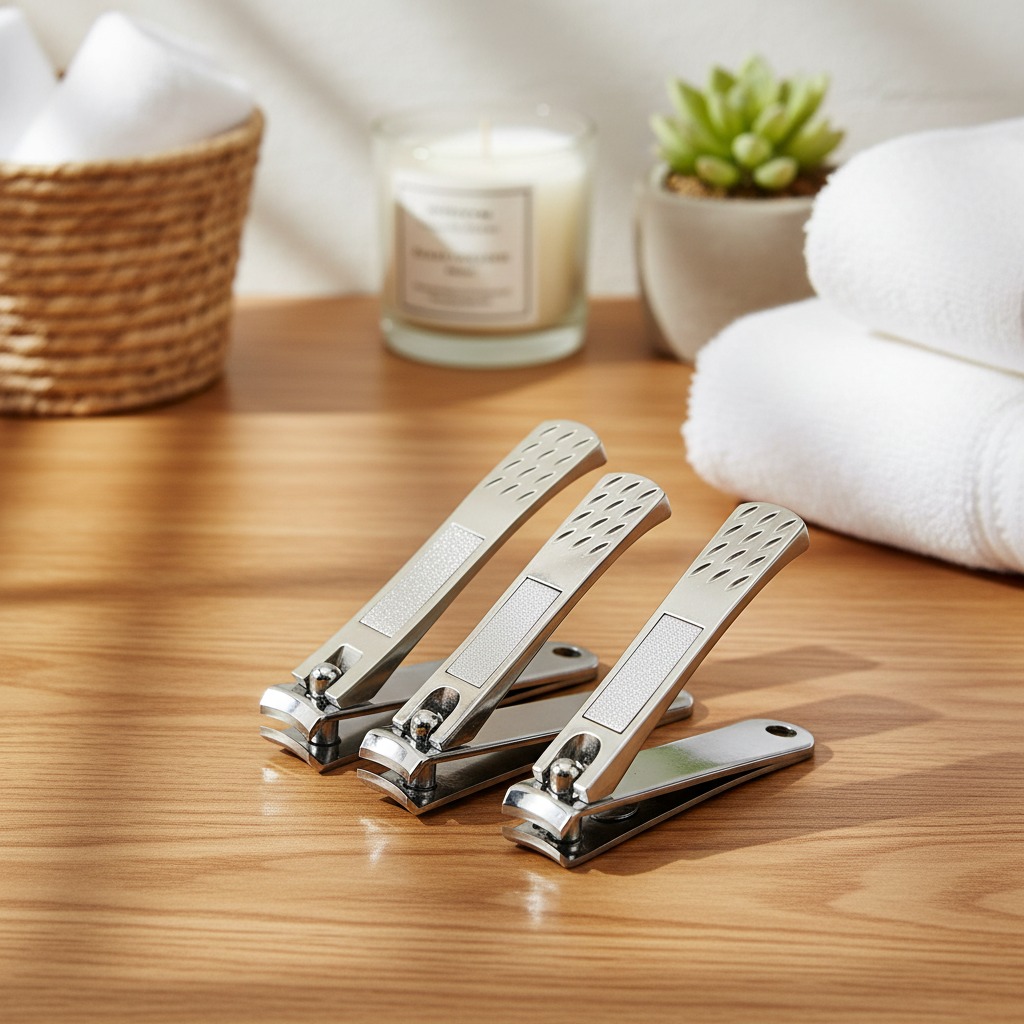
What Really Affects Bulk Nail Clipper Price?
When comparing bulk nail clipper prices, it is important to separate the base product cost from the added costs that come from presentation, handling, and commercial requirements. Two nail clippers can look similar in a quotation but perform differently in the hand. Blade sharpness, jaw alignment, lever strength, edge finishing, and surface treatment all influence buyer satisfaction and return rates.
Material and finishing choices are major price drivers. Stainless steel clippers are commonly preferred because they resist corrosion better than low-grade alternatives and can support a sharper cutting edge. However, the price also depends on thickness, polishing, surface finish, and how consistently the jaw closes. A clipper that feels smooth, cuts cleanly, and does not twist under pressure will usually cost more to manufacture than a lightweight clipper designed only for very basic use.
Packaging is another major factor. A loose-packed nail clipper for inclusion in a kit can be priced differently from a clipper in a blister card, paper box, hanging display package, or private-label retail pack. Packaging affects not only the unit price but also freight volume, warehouse handling, barcode needs, and shelf appearance. Buyers can explore broader beauty tool products to compare how packaging and product format influence sourcing decisions across different personal care tools.
Distributors: Planning for Volume, Consistency, and Supply Chain Fit
Nail clippers for distributors are usually purchased with scale in mind. The main priority is often a reliable product that can move through multiple downstream channels without frequent quality disputes. Distributors may supply wholesalers, regional retailers, promotional companies, pharmacies, beauty stores, or online sellers. Because of this, the chosen nail clipper must be broadly acceptable rather than overly niche.
For distributor sourcing, a lower unit cost is useful only when the product remains consistent across repeat orders. Important details include carton configuration, inner packing, product finish consistency, and whether the clipper suits the distributor’s target market. A distributor selling to value channels may choose simpler packaging, while one serving beauty retailers may need a cleaner finish and stronger consumer presentation.
Distributors should also think about SKU discipline. Carrying too many similar clippers can tie up working capital and warehouse space. A practical approach is to select a focused range: for example, one standard fingernail clipper, one toenail clipper or larger format, and one set or packaged option if the market supports it. The exact range should be based on the distributor’s customers, not on a generic catalog list.
Retailers: Balancing Shelf Appeal and Unit Economics
Nail clippers for retailers often require more attention to packaging, visual presentation, and consumer trust. Retail customers rarely compare technical specifications in detail; they judge quickly by appearance, weight, finish, packaging clarity, and perceived hygiene. A well-presented clipper can justify a stronger retail price, but only if the product performs well after purchase.
Retailers should consider the total landed cost rather than only the quoted unit price. A clipper in retail packaging may cost more at the factory level, but it can reduce repacking work, simplify shelf stocking, and improve sell-through if the presentation is clear. On the other hand, overly bulky packaging may increase freight and storage costs. The right choice depends on whether the item is sold from a peg hook, countertop display, ecommerce listing, travel section, grooming aisle, or bundled personal care set.
For retailers developing a grooming assortment, consistency across related tools matters. Nail clippers may be sold near tweezers, cuticle pushers, scissors, nail files, and manicure sets. Reviewing Olimor product collections can help buyers think about assortment logic rather than sourcing each item in isolation.
Resellers: Protecting Margin Without Sacrificing Quality
Nail clippers for resellers require careful margin planning. Resellers may sell through online marketplaces, local beauty stores, social commerce, gift channels, or small wholesale accounts. Their challenge is to keep the purchase price low enough for profit while avoiding products that lead to complaints, poor reviews, or slow repeat sales.
For this buyer group, the best bulk nail clipper price is not always the lowest. A very low-cost clipper may have inconsistent cutting performance, rough edges, weak leverage, or packaging that looks unsuitable for the intended audience. These issues can increase after-sale service costs and reduce customer confidence. Resellers should compare samples before committing to a larger order and evaluate how the clipper feels during actual trimming, not only how it looks in photos.
Resellers should also calculate costs beyond the product. Marketplace commissions, local delivery, storage, advertising, damaged packaging, and unsold inventory can all reduce margin. A slightly higher-quality clipper with better presentation may produce stronger repeat purchases, while a simpler bulk-packed option may be better for low-price multipacks or promotional bundles.
Buyer Checklist for Comparing Bulk Nail Clipper Offers
A clear comparison checklist helps buyers avoid misleading quote comparisons. Before choosing a supplier or confirming an order, review the same criteria across every offer.
- Product type: Confirm whether the quote is for a fingernail clipper, toenail clipper, mini clipper, set, or another format.
- Material and finish: Compare metal type, surface treatment, polishing level, and visible edge finishing.
- Cutting performance: Check blade alignment, sharpness, lever pressure, and whether the clipper cuts smoothly without tearing.
- Handle comfort: Review size, grip, leverage, and ease of use for the target customer group.
- Packaging format: Compare loose packing, individual bags, boxes, blister cards, display-ready packaging, or custom retail presentation.
- Branding needs: Determine whether logo placement, packaging artwork, barcode, or language requirements are needed.
- Inspection standard: Define acceptable limits for scratches, misalignment, dull blades, loose levers, and packaging damage.
- Freight impact: Compare carton size, weight, packing density, and how the packaging affects landed cost.
- Sales channel fit: Match the product to distributor, retailer, reseller, promotional, or kit-building needs.
Quality Signals That Matter in a Nail Clipper
A nail clipper is a small tool, but customers notice quality quickly. The most important performance signal is the cut. A good clipper should close evenly and cut cleanly with controlled pressure. If the jaws are misaligned or the cutting edge is poorly finished, the user may need repeated pressure, which can cause discomfort and dissatisfaction.
Lever strength is another key point. A thin or poorly fitted lever can bend, feel unstable, or lose tension after limited use. The pivot area should feel secure, and the clipper should not rattle excessively. Smooth edges also matter because the user holds the tool firmly during trimming. Rough corners, burrs, or unfinished surfaces can make an otherwise acceptable clipper feel cheap.
For buyers purchasing in bulk, sample evaluation should include multiple pieces, not only one perfect sample. Check several units from a batch if possible and look for consistency in cutting feel, surface appearance, and assembly. Consistency is especially important for distributors and retailers because one poor batch can affect many customers at once.
Packaging and Branding Choices That Change Cost
Packaging can change both the price and the commercial positioning of a nail clipper. Loose or simple packing is often suitable for kits, institutional supply, promotional use, or buyers who will repackage locally. Retail-ready packaging is more appropriate when the product goes directly to shelves or ecommerce fulfillment.
Branding decisions should be practical. A logo on the product may support recognition, but the size and placement must suit the tool. Packaging artwork can communicate product features, usage, and care instructions, but complex packaging also adds setup time and cost. Buyers should decide which elements are necessary for the sales channel and which are simply decorative.
If the product is sold online, packaging must also survive shipping. A presentation that looks good in a showroom may not be strong enough for parcel delivery. Retailers and resellers should think about crushed cards, scratched surfaces, and customer expectations when the item arrives. For custom requirements or sourcing discussions, buyers can send an inquiry with target channel, packaging preference, and estimated order plan.
How to Build a Smarter Bulk Buying Plan
A smarter nail clipper sourcing plan starts with the end customer. Identify whether the buyer wants a low-cost everyday grooming tool, a reliable retail item, a travel-size accessory, a kit component, or a more polished giftable product. This decision will guide acceptable cost, packaging, and quality level.
Next, compare landed cost rather than unit price alone. Include packaging, inland transport, international freight if applicable, duties, warehousing, local delivery, and expected defect handling. A supplier quote that looks lower may not remain lower after these costs are included. Buyers should also avoid over-ordering a new SKU before confirming market demand. Testing a focused quantity, reviewing customer feedback, and then scaling the better-performing option can reduce inventory risk.
Finally, keep communication specific. Instead of requesting the cheapest nail clipper, define the sales channel, packaging style, finish expectation, and quality concerns. This allows a more accurate comparison and reduces misunderstandings. If you need help narrowing options for distribution, retail shelves, resale, or product bundles, you can contact Olimor with your target market and purchasing requirements.
Final Thoughts for B2B Nail Clipper Buyers
Bulk nail clipper pricing is a balance of cost, performance, packaging, and channel fit. Distributors benefit from consistency and efficient supply. Retailers need presentation and dependable consumer experience. Resellers must protect margin while avoiding quality problems that reduce repeat sales. By comparing material, cutting performance, packaging, inspection needs, and landed cost, buyers can make better sourcing decisions and select nail clippers that fit both their customers and their profit goals.
Tag: